 Get app
Step into the heart of Europe with this quiz about Vienna! Test your knowledge of its rich history, stunning landmarks, and unique culture. How well do you truly know this magnificent city?
First Waltz Steps 0–4 · Coffee House Regular 5–8 · Honorary Viennese 9–10

Tap the right answer
St. Stephen's Cathedral, known locally as Stephansdom, is a prominent Gothic landmark of Vienna. Its South Tower, which is the tallest of its four spires, reaches an impressive height of 136 meters. This towering structure, with its distinctive multi-colored tile roof, has been a central point of the city's skyline for centuries, with construction beginning in the 12th century.
Tap the right answer
An authentic Wiener Schnitzel, a renowned Austrian dish, is legally defined in Austria as being made exclusively from veal. If a schnitzel is prepared using other meats, such as pork, it must be referred to as 'Schnitzel Wiener Art' (Viennese style schnitzel) or by the specific meat used. It is typically breaded, pan-fried, and served with a lemon wedge.
Photo: Kobako, Wikimedia Commons, CC BY-SA 2.5.

Tap the right answer
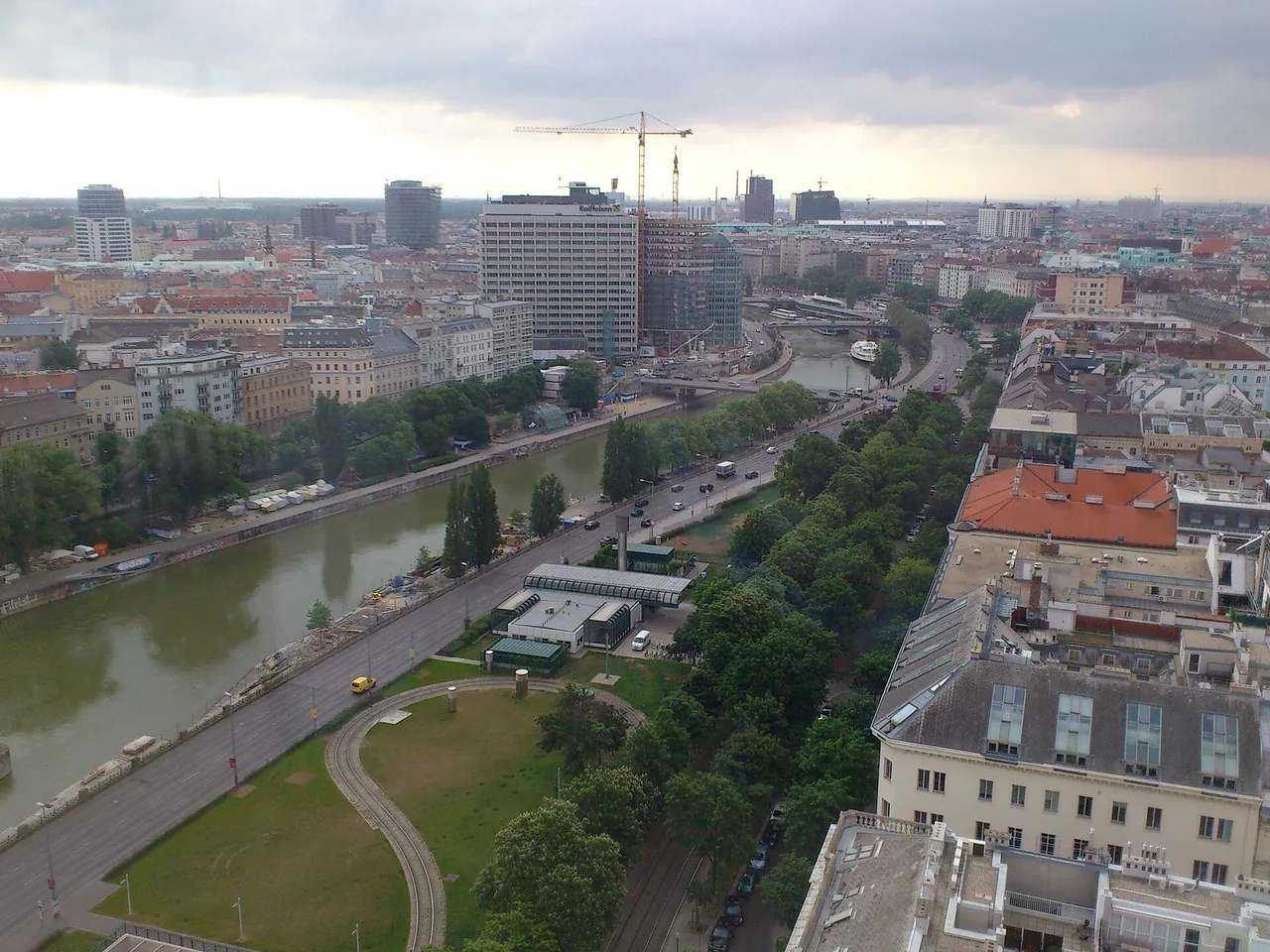
While the Danube River is integral to Vienna's identity, its main course does not flow directly through the historic city center. Instead, the Danube Canal, a regulated side arm of the river, runs alongside the inner city. The main river was significantly regulated and straightened in the late 19th century to control flooding and improve navigation, shifting its primary channel away from the immediate city center.
Photo: Herbert Ortner, Wikimedia Commons, CC BY 3.0.
Tap the right answer
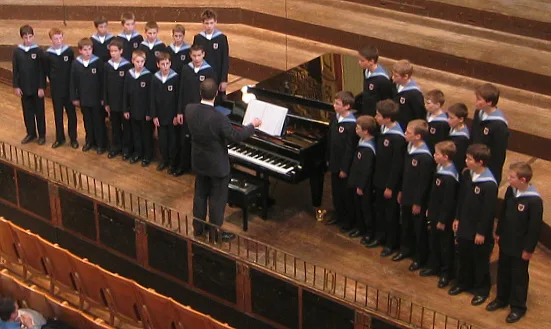
The Vienna Boys' Choir, one of the world's most renowned and oldest boys' choirs, boasts a history stretching back over five centuries. It was officially founded in 1498 by Emperor Maximilian I, making it an enduring part of Austrian cultural heritage. The choir continues to perform regularly in Vienna and on international tours, upholding its legacy of musical excellence.
Photo: Photo: Andreas Praefcke, Wikimedia Commons, CC BY 3.0.
Tap the right answer
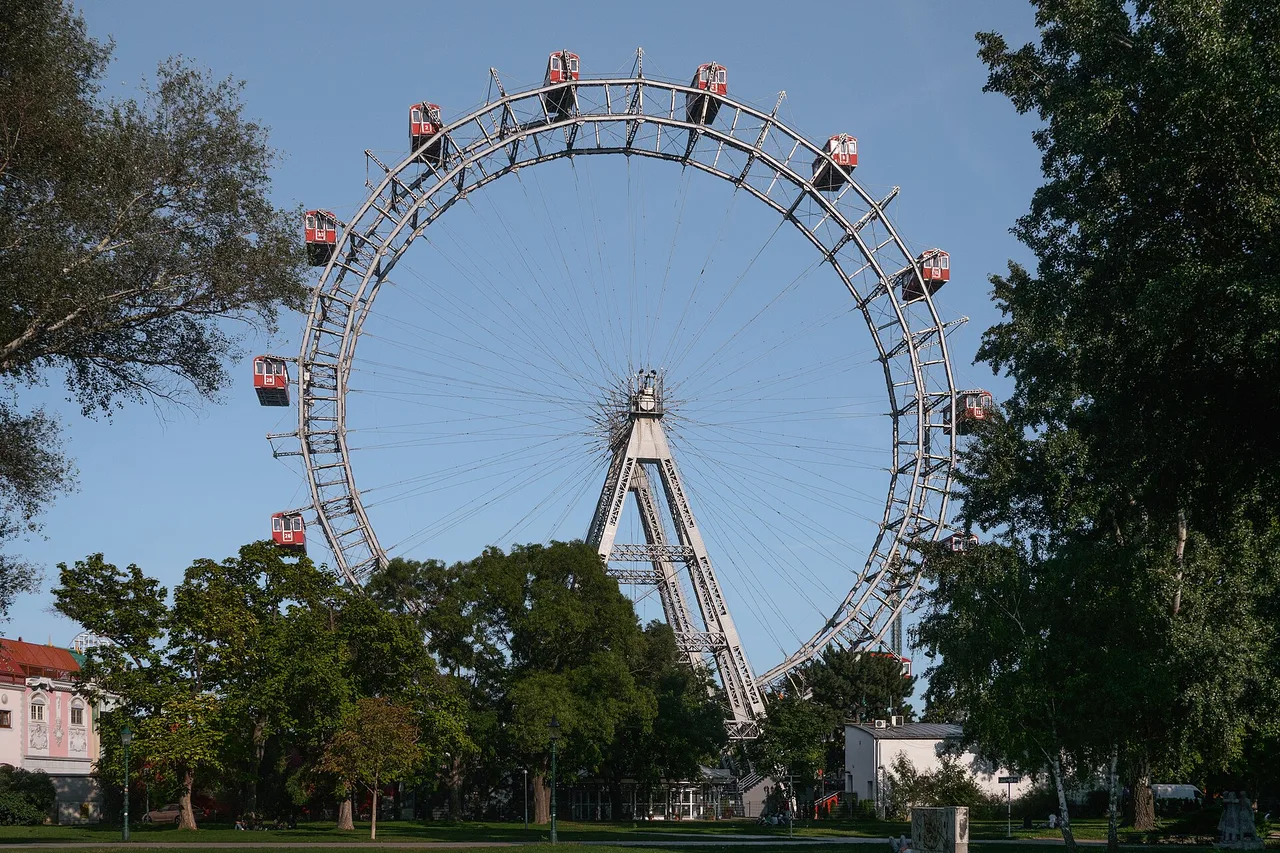
The Wiener Riesenrad, or Vienna Giant Ferris Wheel, is an instantly recognizable landmark of Vienna and a symbol of the Prater amusement park. Erected in 1897, it offers breathtaking panoramic views of the city. The Prater itself is a vast public park, combining amusement rides with extensive green areas for recreation, making it a popular destination for locals and tourists alike.
Photo: Thomas Ledl, Wikimedia Commons, CC BY-SA 4.0.
Tap the right answer
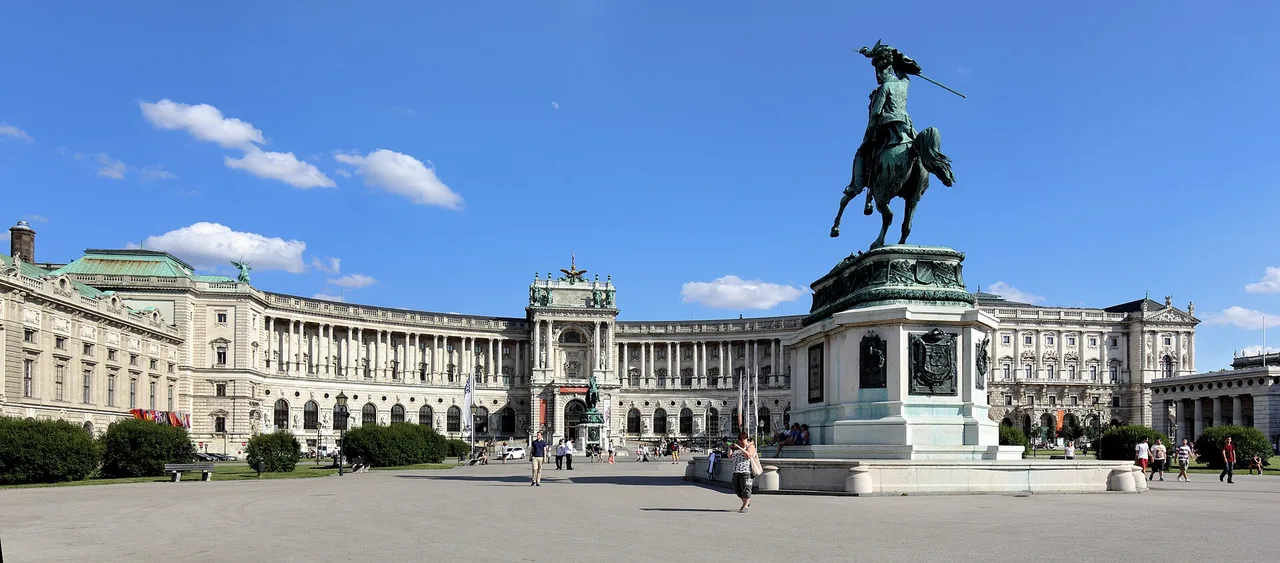
The Hofburg Palace was the principal imperial palace and winter residence of the powerful Habsburg dynasty for over six centuries, from 1279 until 1918. Today, this sprawling complex houses various museums, the Spanish Riding School, and the offices of the Austrian Federal President. Its architecture showcases a blend of styles accumulated over centuries of expansion and renovation.
Photo: C.Stadler/Bwag, Wikimedia Commons, CC BY-SA 3.0 at.
Tap the right answer
In 2011, UNESCO officially added 'Viennese Coffee House Culture' to its list of Intangible Cultural Heritage. This prestigious recognition underscores the unique social and cultural role coffee houses play in Vienna, serving as places for conversation, reading, and contemplation. They are celebrated for their distinctive ambiance, traditional pastries, and wide selection of coffee preparations.
Photo: Theo Zasche, Wikimedia Commons, Public domain.

Tap the right answer
The Spanish Riding School (Spanische Hofreitschule) in Vienna is a world-renowned institution dedicated to classical dressage and the preservation of the Lipizzaner horse breed. These magnificent white horses, known for their grace and intelligence, perform intricate movements and 'airs above the ground,' showcasing a centuries-old tradition of horsemanship. It is the only institution in the world where classical horsemanship in the Renaissance tradition has been preserved and is still practiced.
Tap the right answer
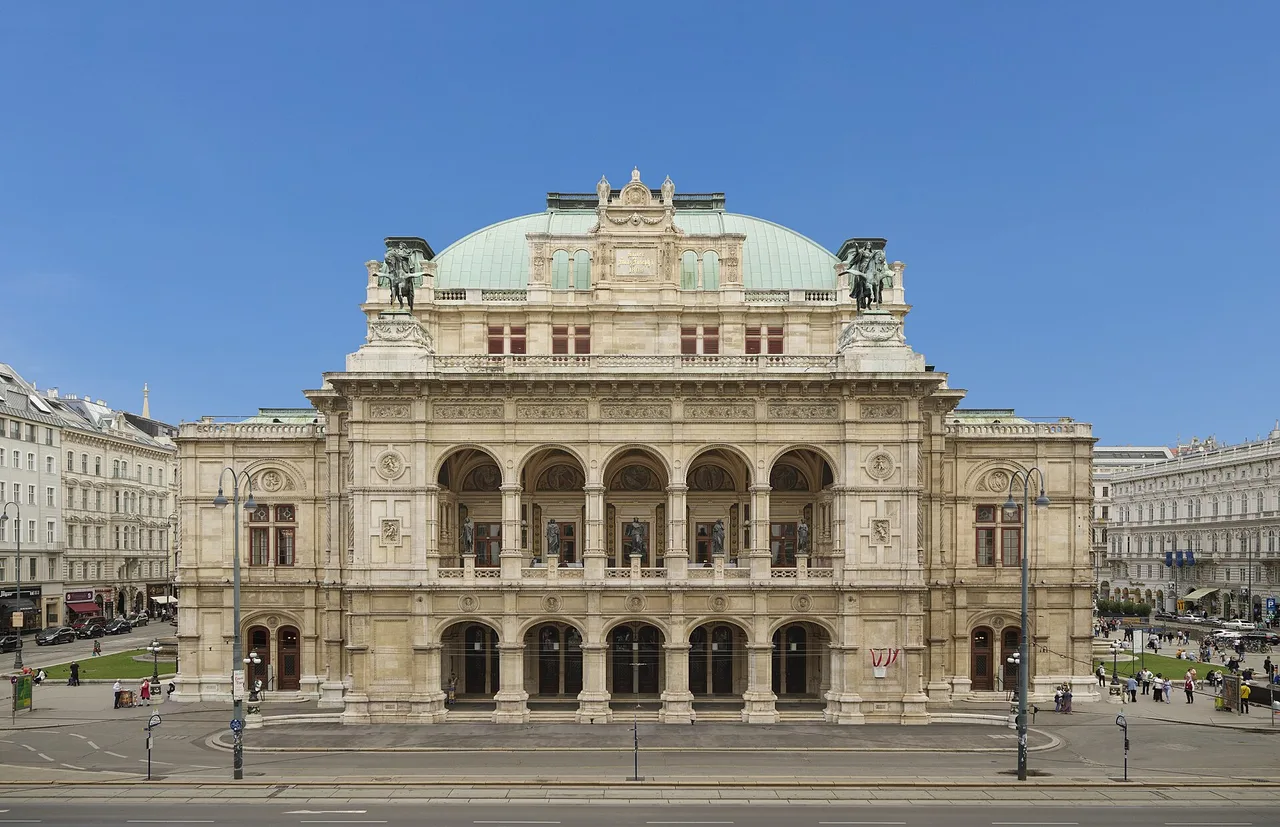
The magnificent Vienna State Opera (Wiener Staatsoper) building, an exquisite example of Neo-Renaissance architecture, first opened its doors in 1869 with a performance of Mozart's Don Giovanni. It quickly established itself as one of the world's premier opera houses, celebrated for its extensive repertoire and exceptional productions. Although heavily damaged during World War II, it was meticulously rebuilt and reopened in 1955.
Photo: Wiener Staatsoper GmbH, Wikimedia Commons, CC BY-SA 4.0.
Tap the right answer
The Vienna State Opera building, completed in 1869, is a magnificent example of Neo-Renaissance architecture, designed by August Sicard von Sicardsburg and Eduard van der Nüll. Its opulent design reflects the grandeur of the Ringstrasse era.


Want to make a quiz like this yourself? Do it on Votur, it's free.
Paste the code into your page. The player fits itself in, and every vote counts in Votur.
On WordPress, Ghost or Squarespace? Just paste the link of this page into your post.
This is how it looks
Also fun
How well do you know Madrid? · 10 →How well do you know Spain? · 10 →How well do you know Rome? · 10 →How well do you know Italy? · 10 →How well do you know Bern? · 10 →How well do you know Switzerland? · 10 →How well do you know Austria? · 10 →How well do you know Berlin? · 10 →How well do you know London? · 10 →How well do you know the United Kingdom? · 10 →How well do you know Paris? · 10 →How well do you know France? · 10 →How well do you know Brussels? · 10 →How well do you know Amsterdam? · 10 →How well do you know the Netherlands? · 10 →How well do you know Copenhagen? · 10 →How well do you know Denmark? · 10 →How well do you know Athens? · 10 →How well do you know Greece? · 10 →How well do you know Lisbon? · 10 →How well do you know Portugal? · 10 →How well do you know Tallinn? · 10 →How well do you know Estonia? · 10 →Belgium · 8 →Universe · 10 →Which Greek hero are you? · 8 →Gulpen · 5 →How well do you know Dutch weather? · 10 →How well do you know Germany? · 10 →Who owns the Netherlands? · 10 →The little church village of Klimmen · 10 →Do you know Neutral Moresnet? · 10 →