Get app
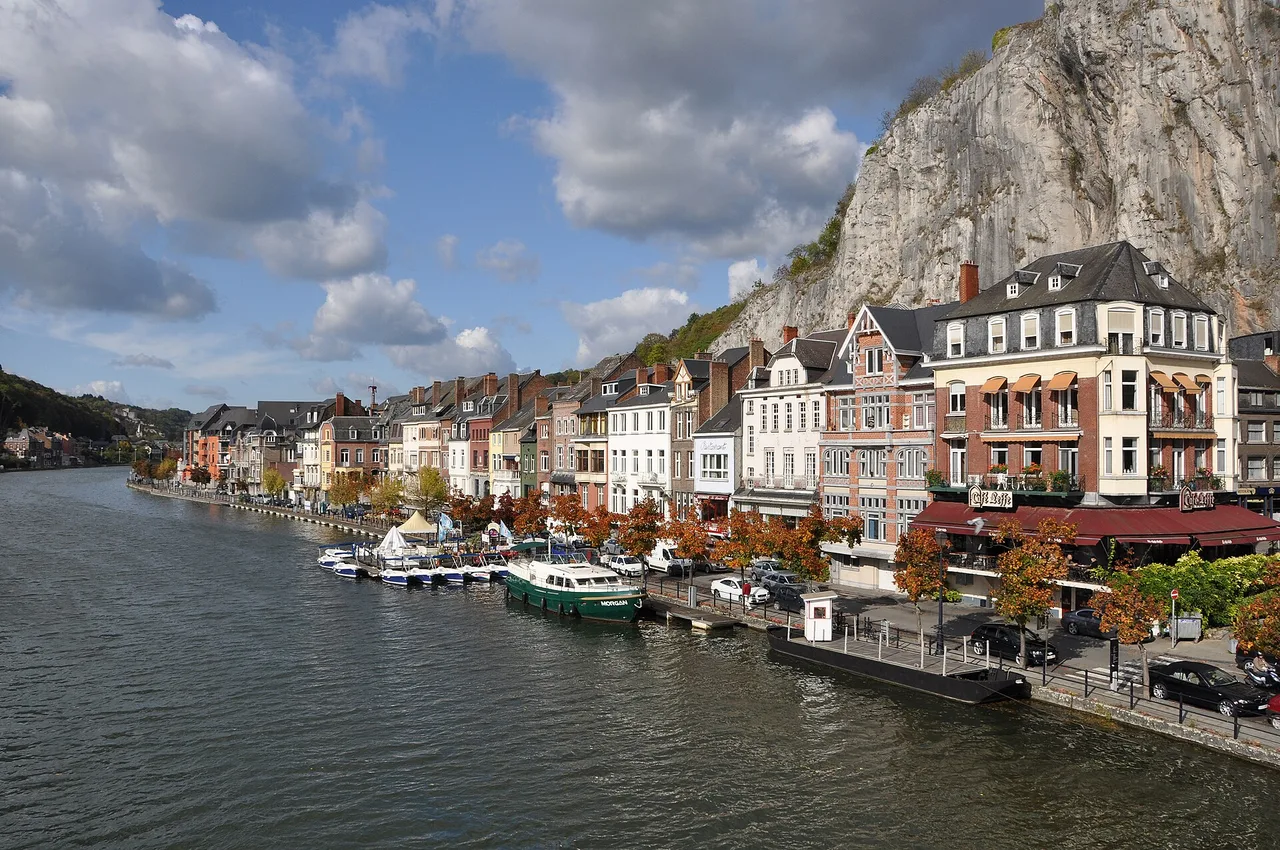
 Photo: FeaturedPics, Wikimedia Commons, CC BY-SA 4.0.
Step back in time to ancient Rome! Test your knowledge on the engineering marvels, brutal games, and fascinating history of the world's most famous amphitheater.
Gladiator in Training 0–4 · Avid Historian 5–8 · Master of the Arena 9–10
Pick one

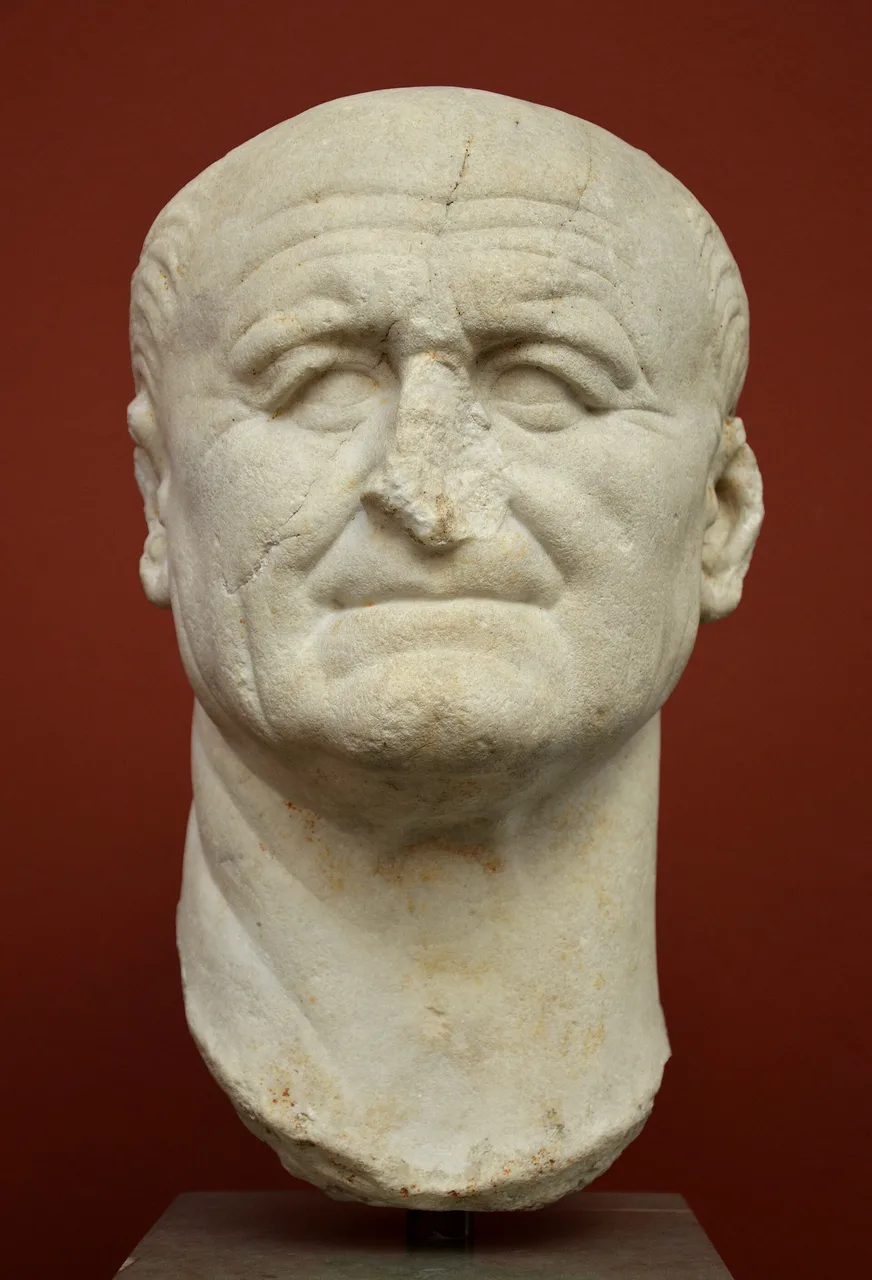
Emperor Vespasian started the project around 72 AD as a grand gift to the Roman public, using spoils from the Siege of Jerusalem. He intentionally chose the site of Nero's former private lake, symbolizing a return of private land to the citizens. Sadly, he died just a year before it officially opened.
Photo: Carole Raddato from FRANKFURT, Germany, Wikimedia Commons, CC BY-SA 2.0.
Pick one
Paul McCartney gave a small charity concert inside the Colosseum for just a few hundred guests. The next day he played a huge free concert just outside the monument for hundreds of thousands of fans. Elton John followed with his own Colosseum concert in 2005.
Photo: Raph_PH, Wikimedia Commons, CC BY 2.0.
Pick one
Travertine, quarried near Tivoli about 25 km east of Rome, is the stone of the Colosseum's great outer wall. That wall alone needed over 100,000 cubic metres of it, laid without any mortar and held together by about 300 tonnes of iron clamps.
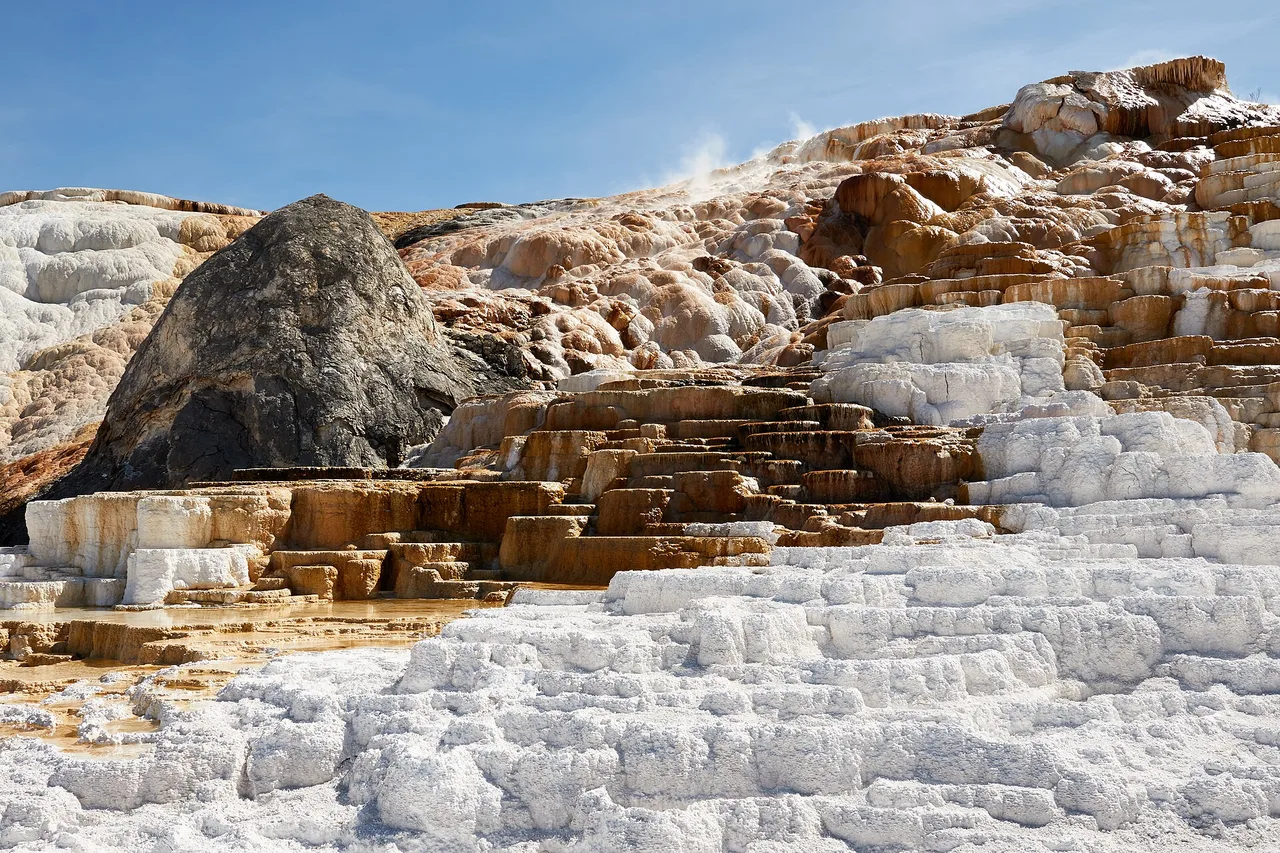
Photo: Frank Schulenburg, Wikimedia Commons, CC BY-SA 4.0.
Pick one
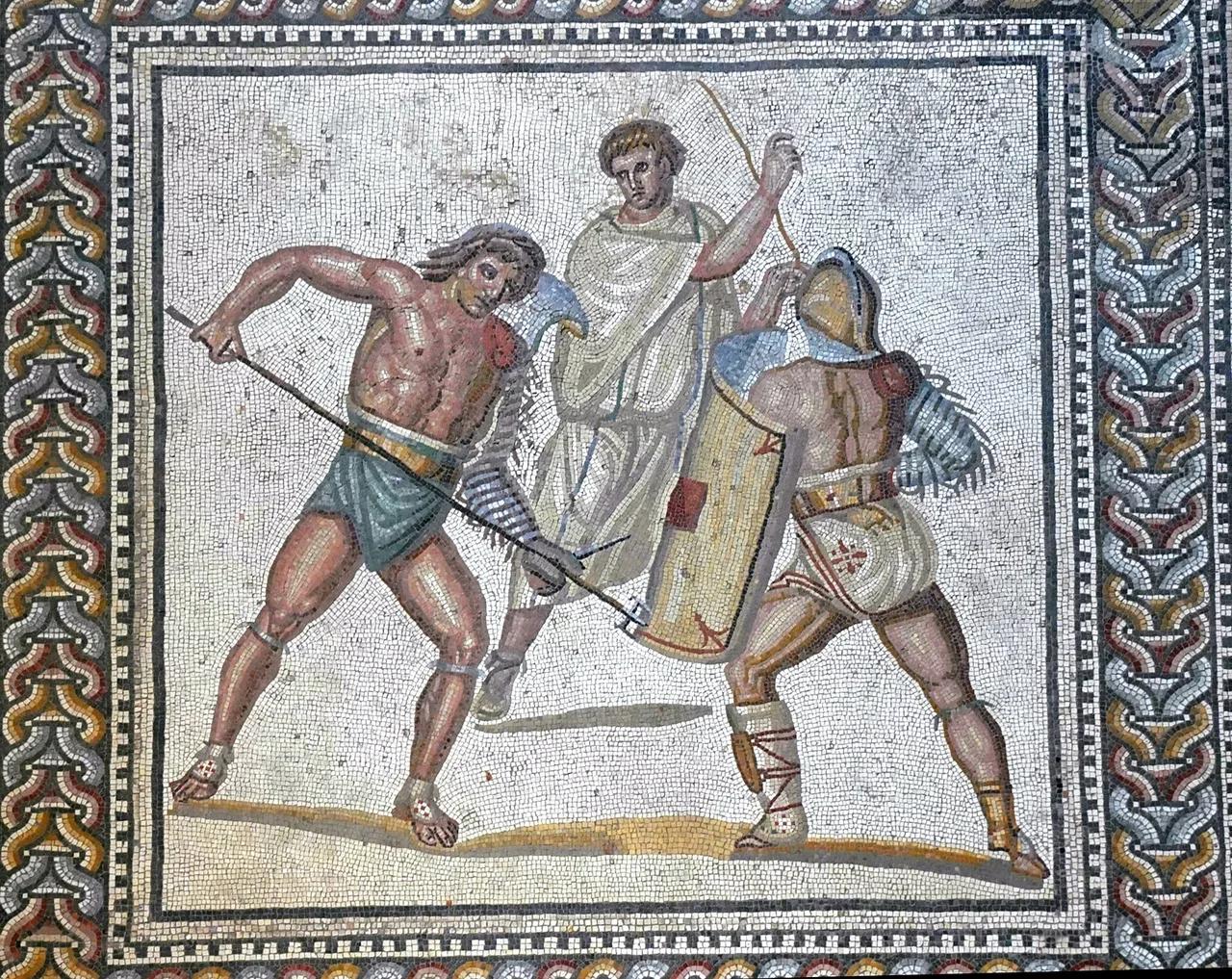
The Retiarius represented a fisherman, fighting lightly armored with only a loincloth and a metal shoulder guard. This contrasted sharply with the heavily armed Murmillo, making their duels highly popular because they pitted speed and agility against brute strength and thick armor.
Photo: TimeTravelRome, Wikimedia Commons, CC BY 2.0.
Pick one
Instead of filming in Rome, the crew built a replica of about one third of the Colosseum in Malta, around 16 metres high. The other two thirds and the upper tiers were added later with computer effects.
Pick one
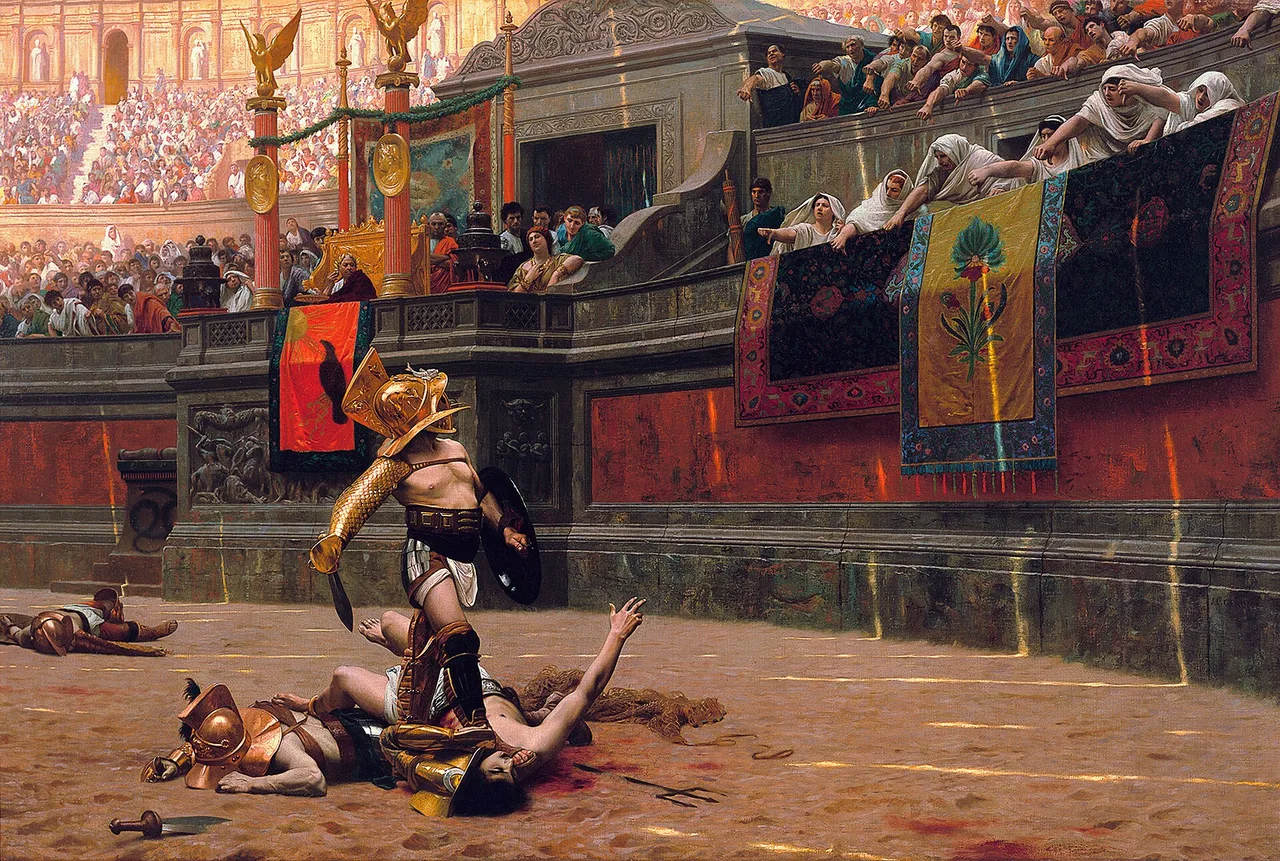
Translating to 'with a turned thumb,' pollice verso was the gesture used to signal a gladiator's fate. While popular culture depicts a thumbs-down as the death blow, historians believe a thumb tucked into the fist (pollice compresso) symbolized a sheathed sword to spare him, while an extended or turned thumb meant death.
Photo: Jean-Léon Gérôme, Wikimedia Commons, Public domain.
Pick one
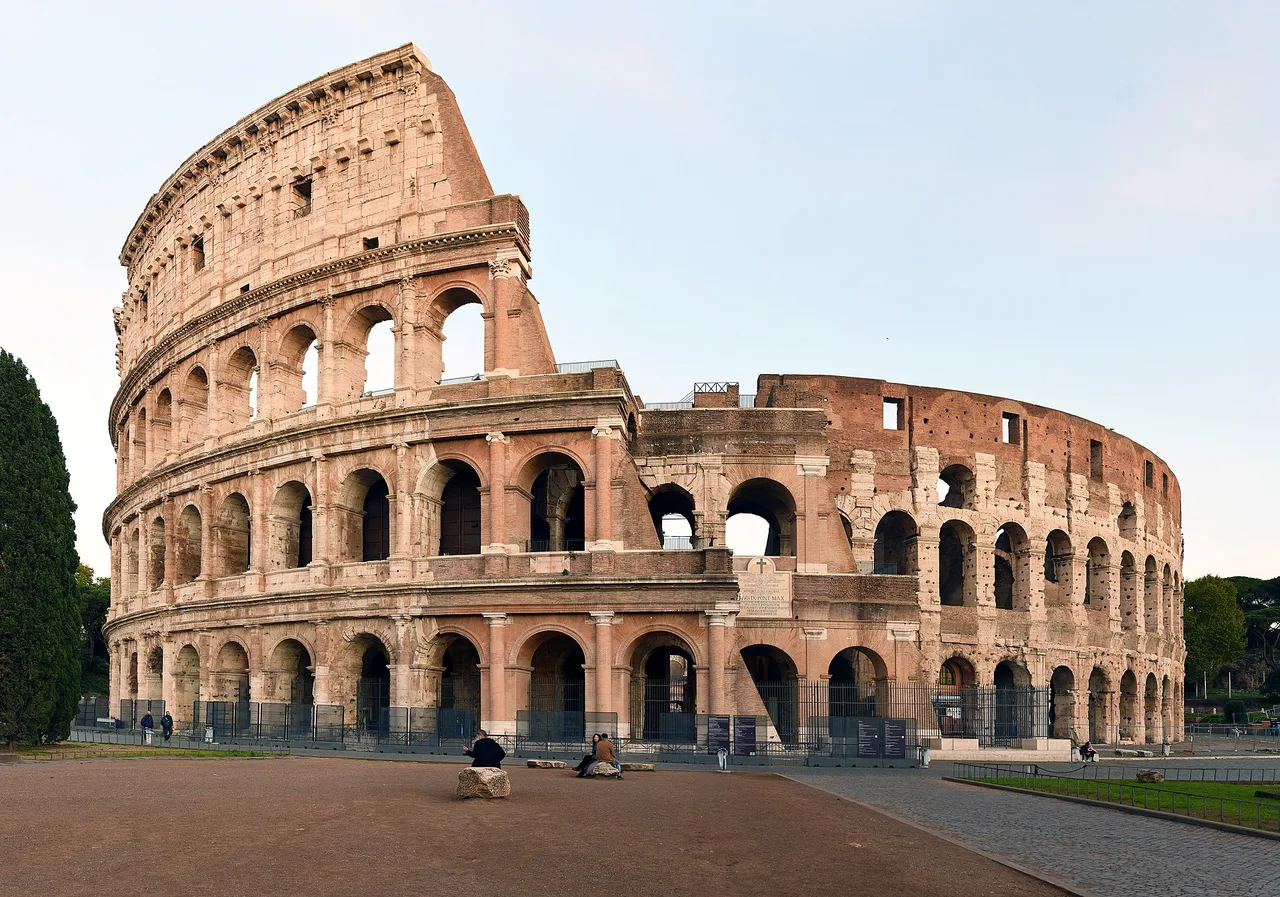
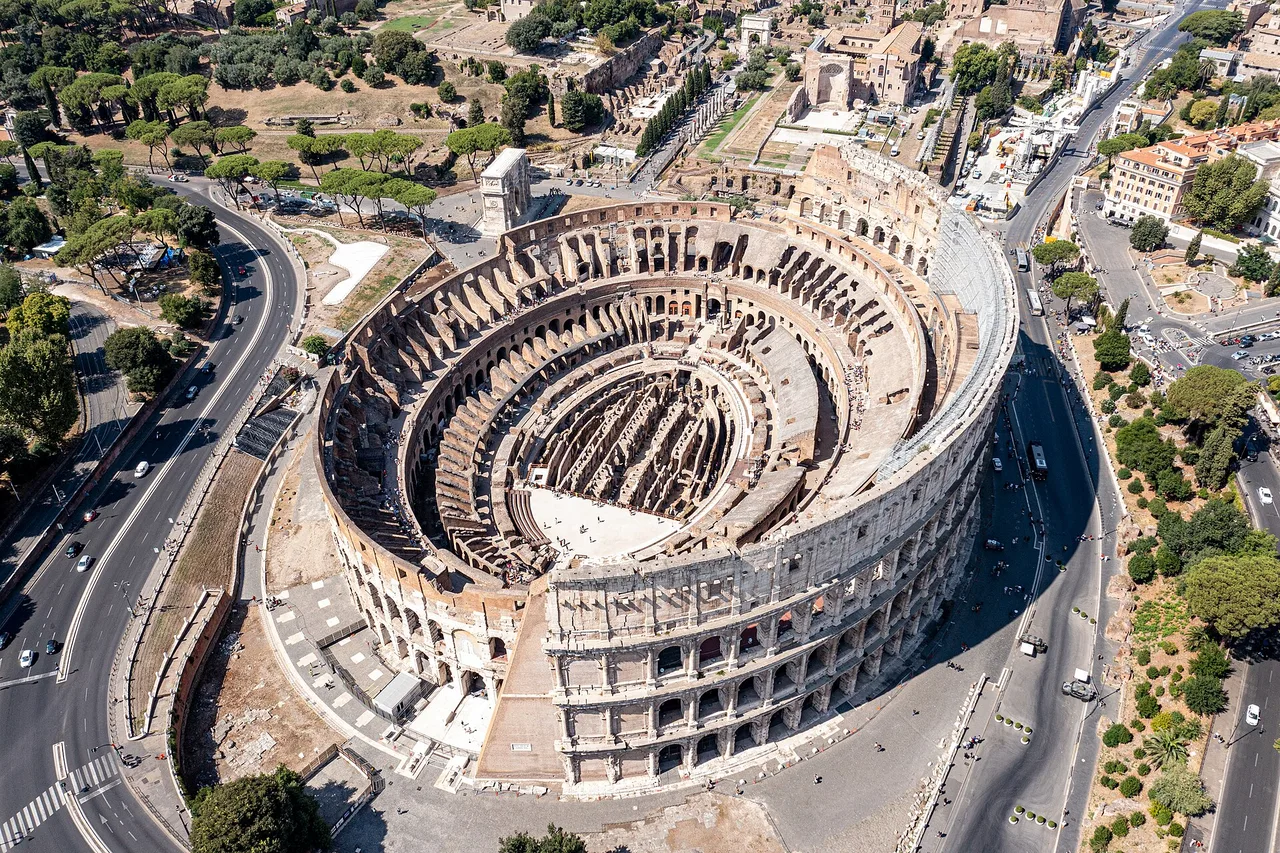
Built under the Flavian dynasty, it was officially known as the Flavian Amphitheatre. The name 'Colosseum' came much later, likely due to a colossal bronze statue of Emperor Nero that stood nearby. Remarkably, the statue itself was eventually melted down, but the nickname stuck forever.
Photo: FeaturedPics, Wikimedia Commons, CC BY-SA 4.0.
Pick one
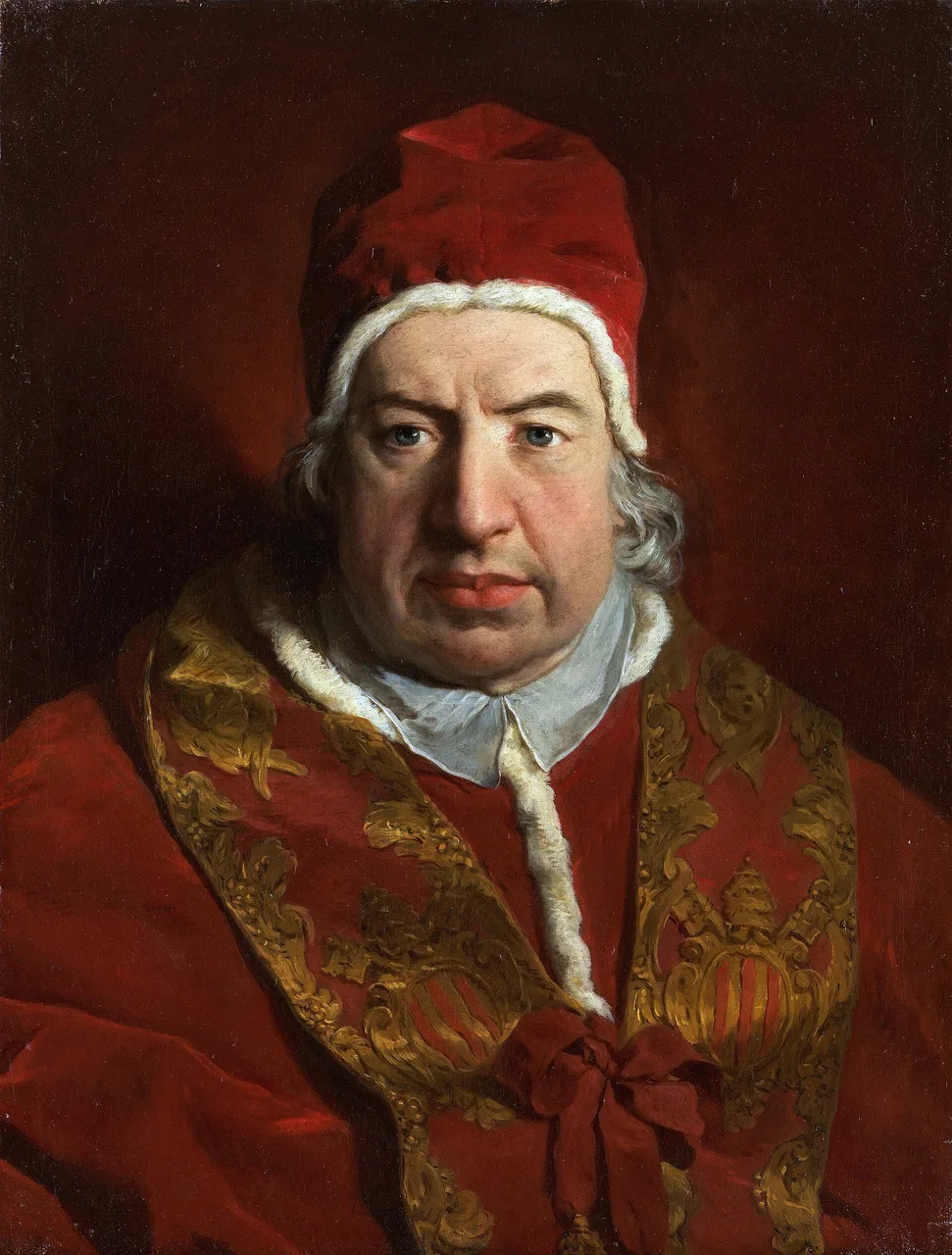
In 1749, Pope Benedict XIV consecrated the Colosseum as a sacred site, claiming it was stained with the blood of early Christian martyrs. This clever move stopped locals from using it as a free quarry, which is why we still have so much of the structure standing today.
Photo: Pierre Subleyras, Wikimedia Commons, Public domain.
Pick one
Emperor Titus opened the Colosseum with a huge festival that lasted 100 days. There were gladiator fights, animal shows and even mock sea battles, and the poet Martial wrote about elephants, lions, bears and even a rhinoceros in the arena.
Photo: Kasa Fue, Wikimedia Commons, CC BY-SA 4.0.
Pick one
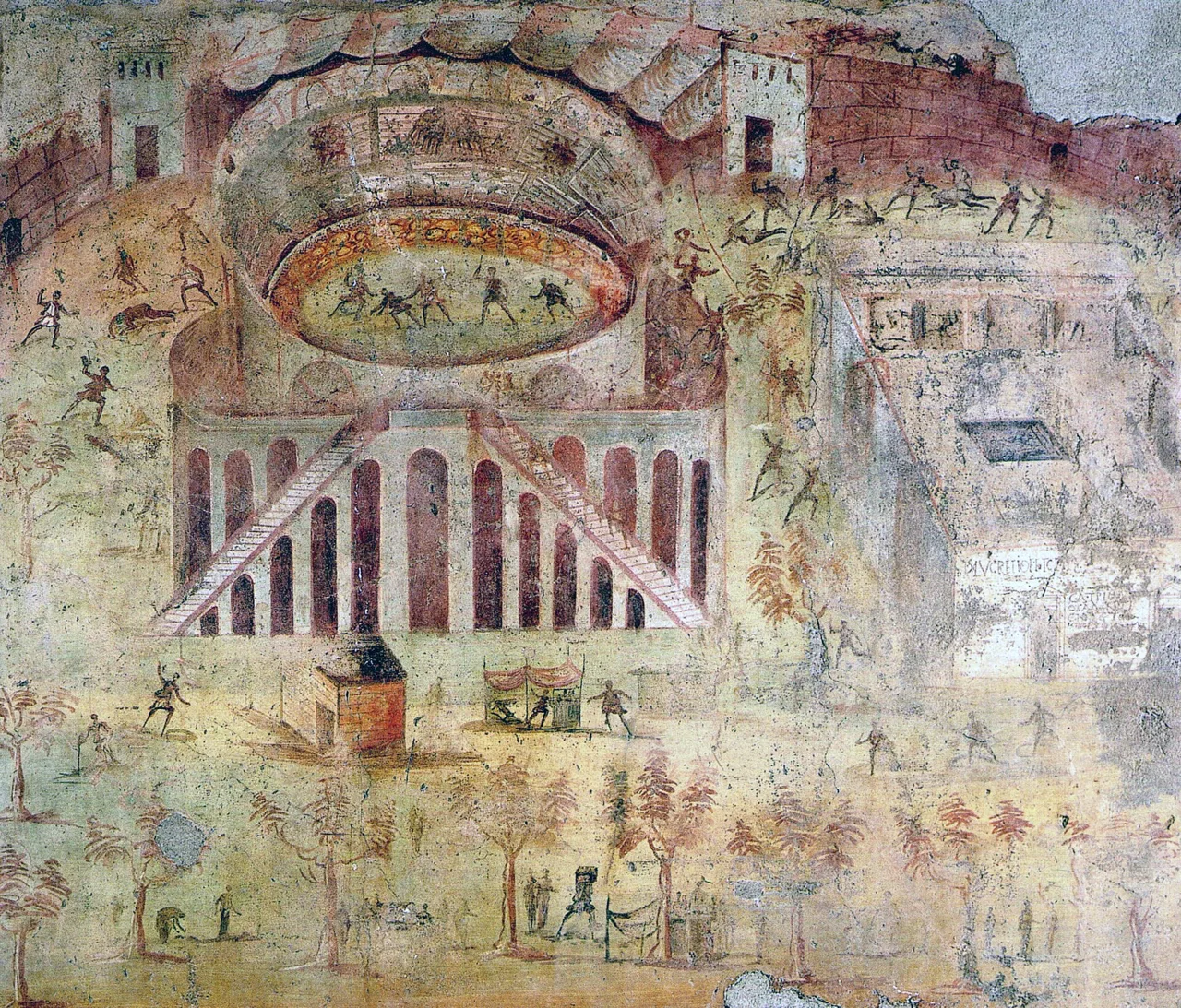
The Velarium was a giant canvas awning operated by experienced Roman sailors from the imperial fleet, who were stationed nearby to handle the complex system of ropes and masts. It kept spectators cool and shaded from the scorching Mediterranean sun, a true marvel of ancient engineering.
Photo: WolfgangRieger, Wikimedia Commons, Public domain.


Paste the code into your page. The player fits itself in, and every vote counts in Votur.
On WordPress, Ghost or Squarespace? Just paste the link of this page into your post.
This is how it looks
Also fun