Get app
 Photo: WiNG, Wikimedia Commons, CC BY 3.0.
Test your knowledge on the engineering marvels, historical races, and surprising myths behind the world's most iconic giants.
Ground Floor Guest 0–4 · Mid-Rise Explorer 5–8 · Skyline Mastermind 9–10
Pick one

The name "The Shard" comes from a criticism by English Heritage, who claimed the building would pierce historic London like a "shard of glass." Architect Renzo Piano liked the description, and the name stuck, becoming its official title.
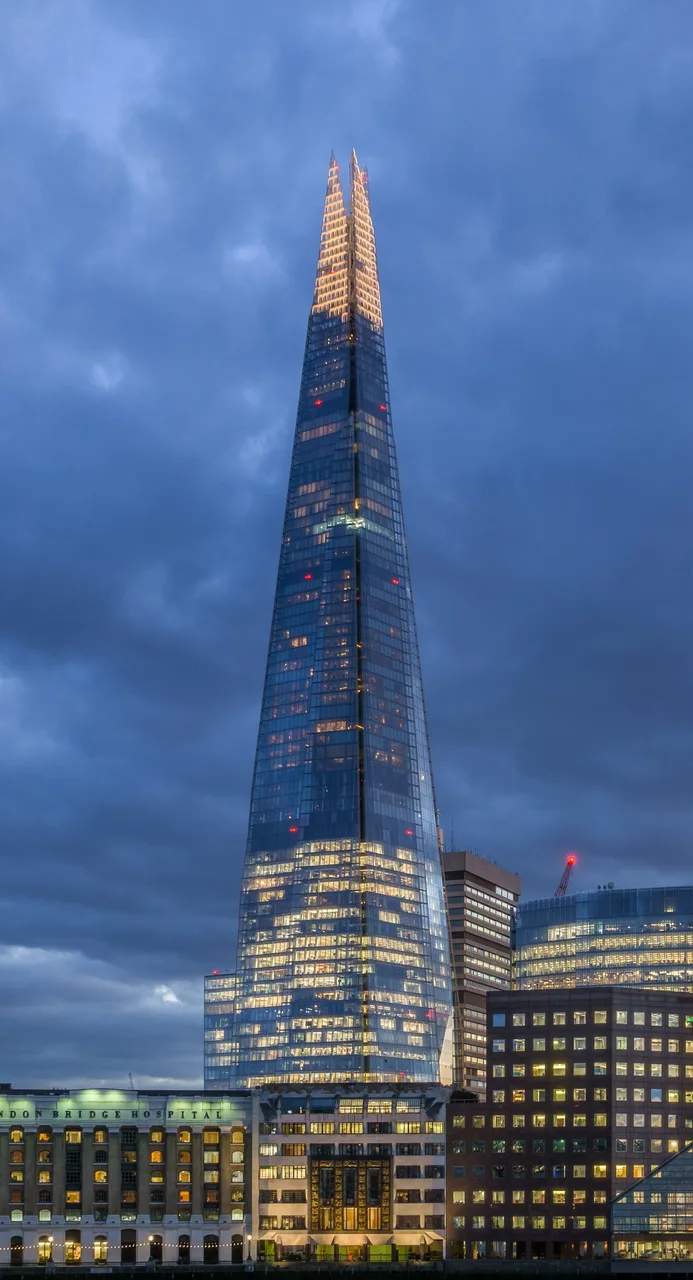
Photo: Colin, Wikimedia Commons, CC BY-SA 4.0.
Pick one
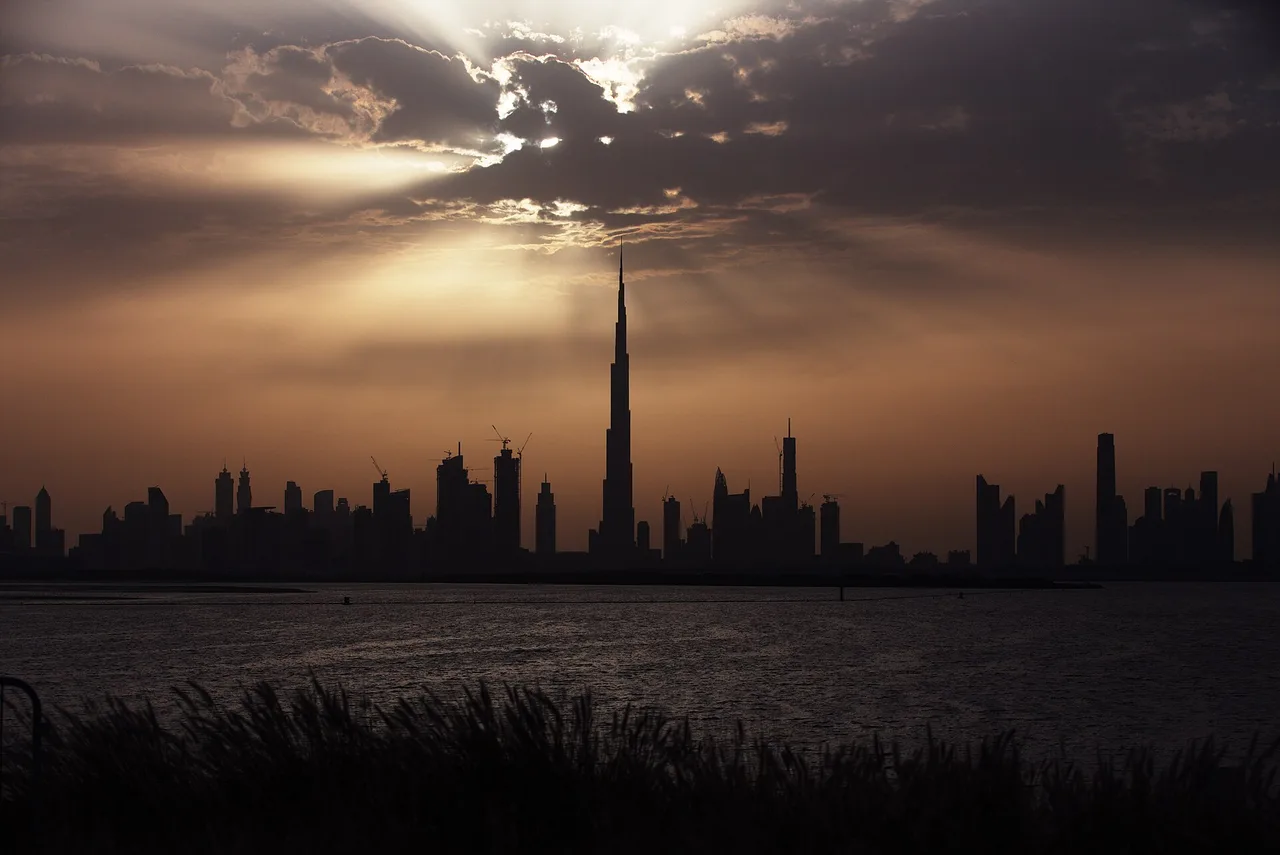
The design of the Burj Khalifa is inspired by the Hymenocallis, a desert flower. This triple-lobed shape not only looks elegant but also reduces the wind forces acting on the tower by shaping the wind around its structure.
Photo: imran shahabuddin, Wikimedia Commons, CC BY 2.0.
Pick one
Architect William Van Alen secretly assembled the 185-foot steel spire inside the building's crown to surprise his rival, who was building 40 Wall Street. The spire was hoisted up in just 90 minutes, instantly making the Chrysler Building the tallest in the world.
Pick one
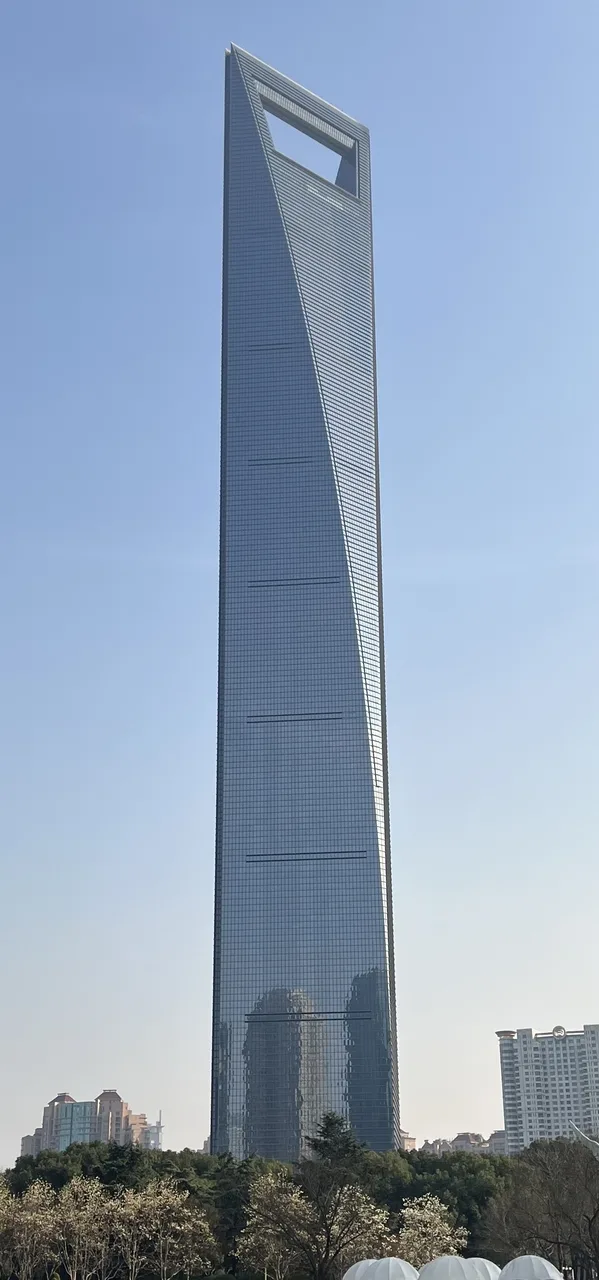
The distinctive trapezoidal opening at the top of the Shanghai World Financial Center is not just for looks; it significantly reduces wind pressure on the structure. Originally, the design called for a circular opening, but it was changed to avoid political controversy over its resemblance to the Japanese rising sun.
Photo: Bechology, Wikimedia Commons, CC BY 4.0.
Pick one
When it opened, the Shanghai Tower had the world's fastest passenger elevators, reaching speeds of up to 20.5 meters per second (46 mph). That record was later broken by the CTF Finance Centre in Guangzhou. The Shanghai Tower is China's tallest building and has a unique twisted design to reduce wind loads.
Pick one
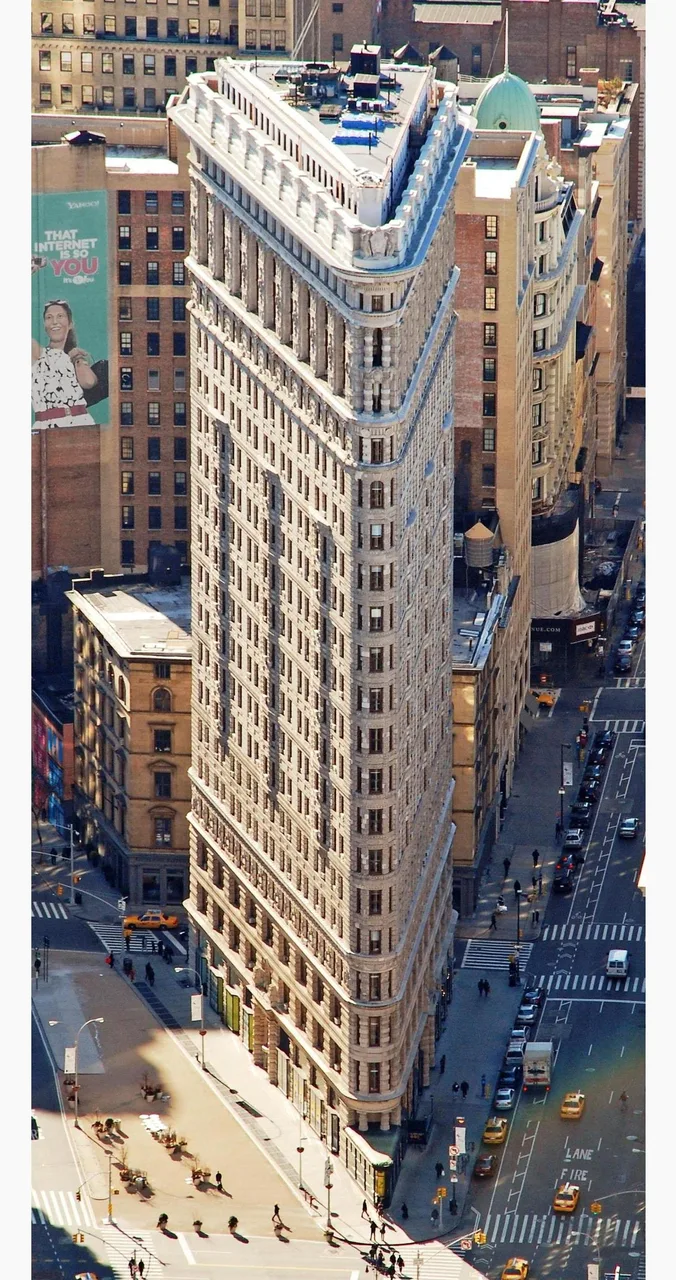
Legend says that the wind currents created by the Flatiron Building's unique triangular shape would lift women's skirts. Police officers would supposedly tell loitering men to "23 skidoo" (scram). While popular, etymologists believe the phrase has other origins.
Photo: Imelenchon (original work), Wikimedia Commons, Public domain.
Pick one
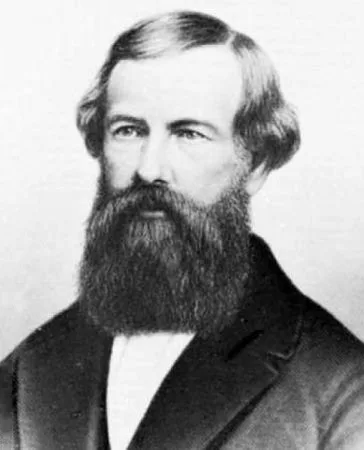
Elisha Otis caused a sensation at New York's Crystal Palace exhibition in 1854. Standing on an open platform high above the crowd, he ordered the hoisting rope to be cut, and his safety brake stopped the platform at once. The show convinced people that passenger lifts were safe, paving the way for skyscrapers.
Photo: Unknown, Wikimedia Commons, Public domain.
Pick one
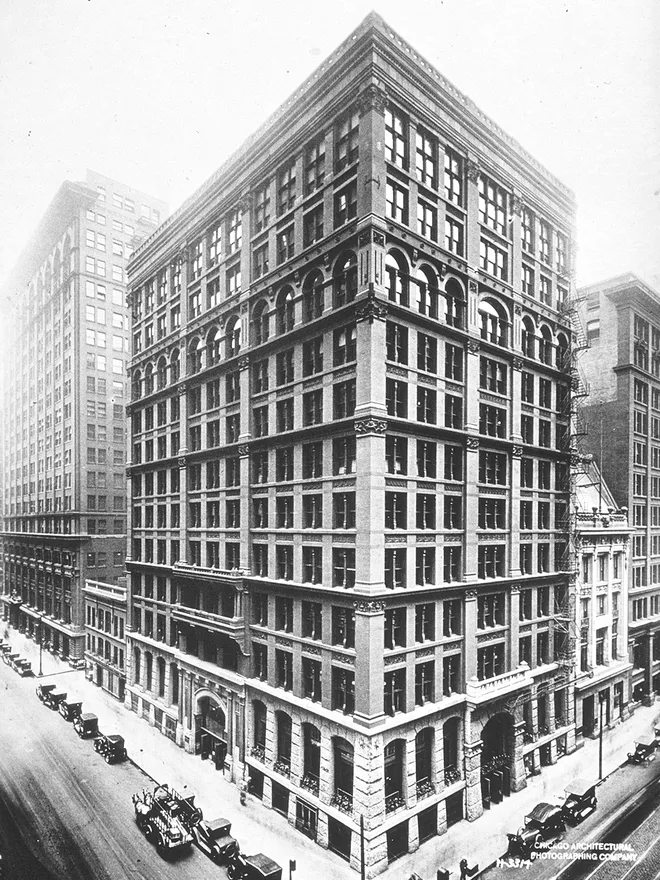
The Home Insurance Building used a revolutionary metal skeleton to support its height rather than heavy masonry walls. This paved the way for modern high-rises. Interestingly, it stood at just 10 stories tall when first built and was sadly demolished in 1931.
Photo: Chicago Architectural Photographing Company, Wikimedia Commons, Public domain.
Pick one
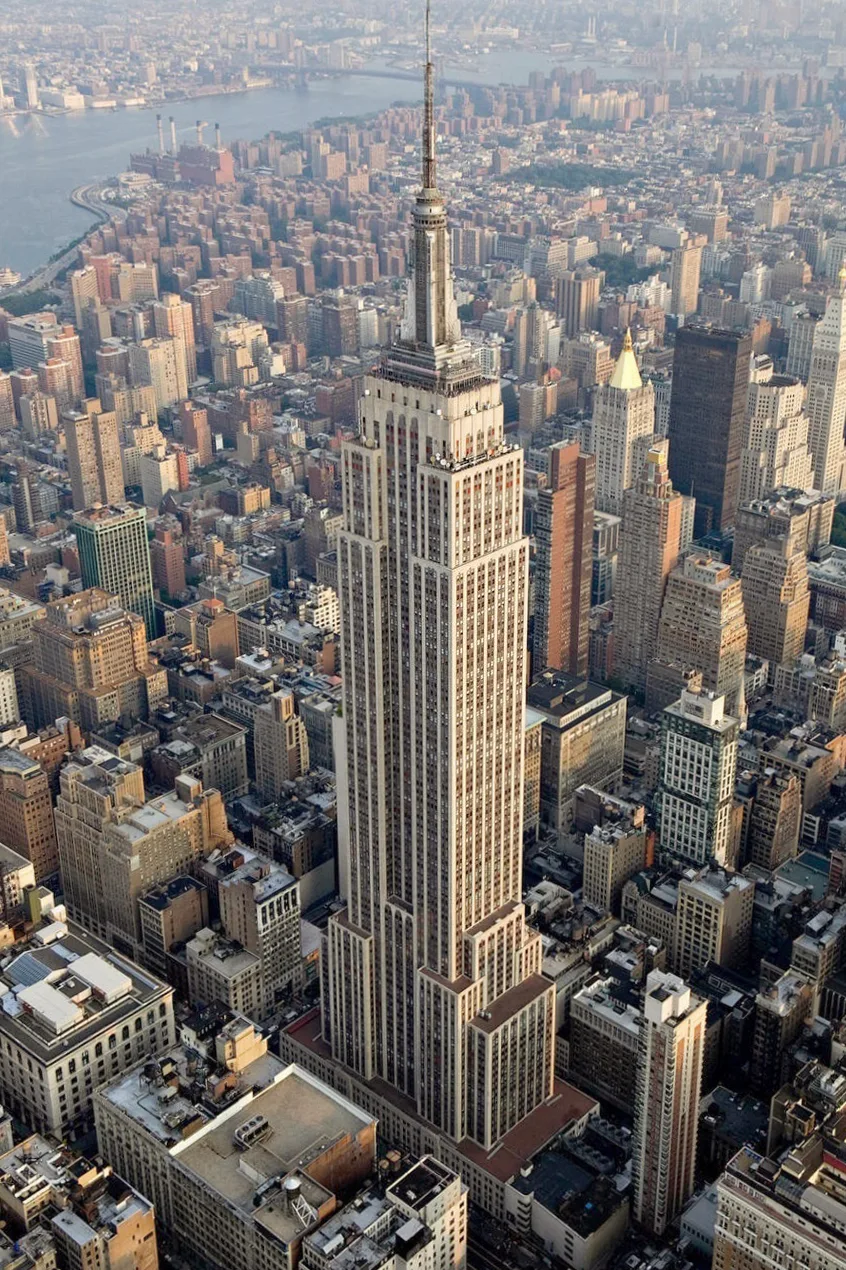
The Empire State Building was completed ahead of schedule in just 410 days. This rapid pace was achieved through a highly organized assembly line system of workers, who assembled the steel frame at a rate of 4.5 floors a week, a record that still amazes modern builders.
Photo: Sam Valadi, Wikimedia Commons, Public domain.
Pick one
Taipei 101 features a massive tuned mass damper, which is a giant steel ball suspended from the 92nd to the 87th floor. It sways to offset the movement of the building caused by strong winds. It is so iconic that it even has its own mascot characters!


Paste the code into your page. The player fits itself in, and every vote counts in Votur.
On WordPress, Ghost or Squarespace? Just paste the link of this page into your post.
This is how it looks
Also fun