Get app
 Photo: Quangnlnhe182394, Wikimedia Commons, CC0.
Test your knowledge of Vietnam's elegant capital! Explore the rich history, legendary lakes, unique culinary delights, and ancient landmarks of Hanoi.
Cafe Sipper 0–4 · Street Wanderer 5–8 · Old Quarter Native 9–10
Pick one

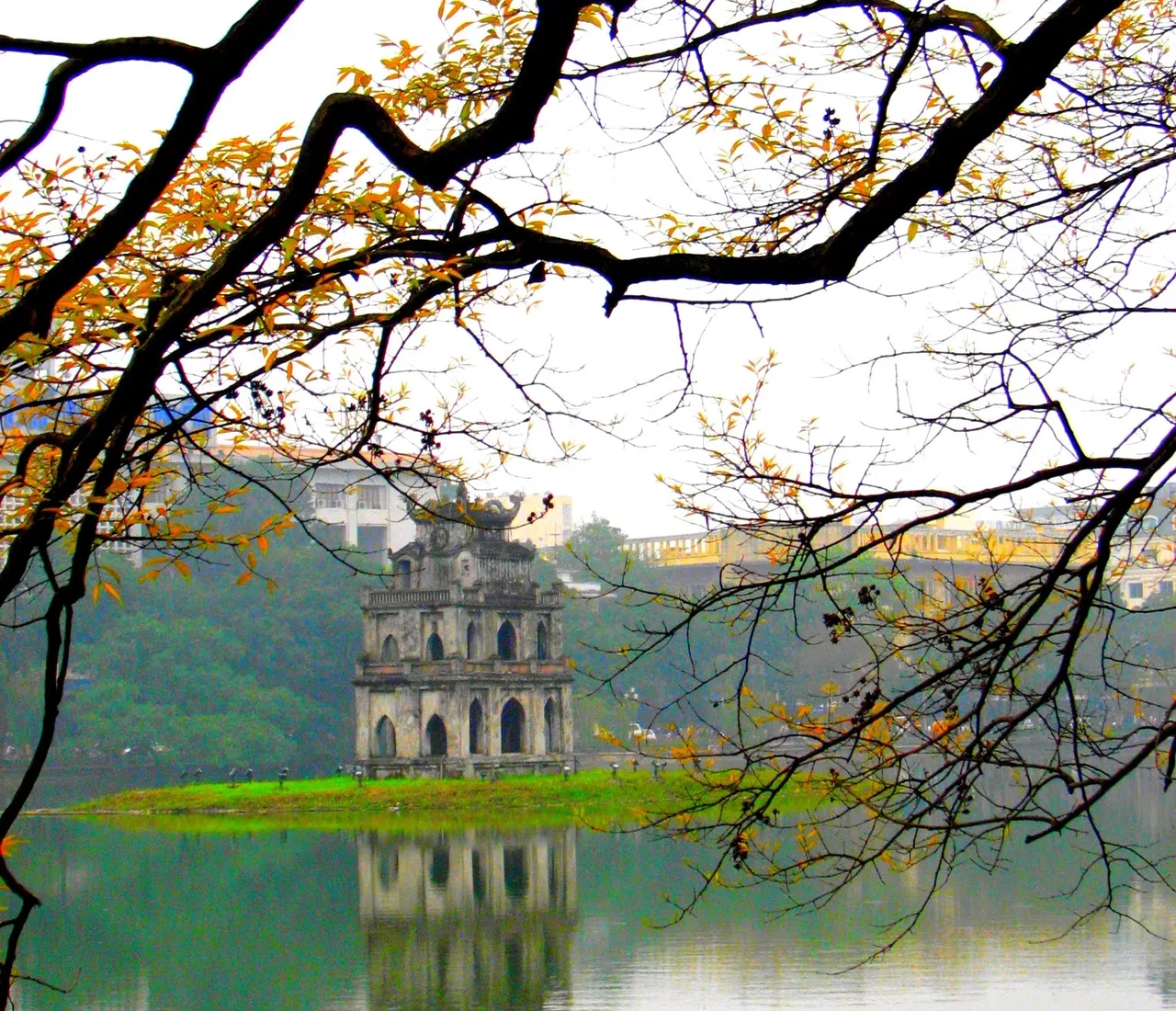
Hoan Kiem Lake is the historic heart of Hanoi. According to legend, Emperor Le Loi returned a magic sword to a golden turtle god here after defeating invaders. Interestingly, a rare species of giant softshell turtle lived in the lake for centuries until the last known one passed away in 2016.
Photo: Cyril Doussin from London, United Kingdom, Wikimedia Commons, CC BY-SA 2.0.
Pick one
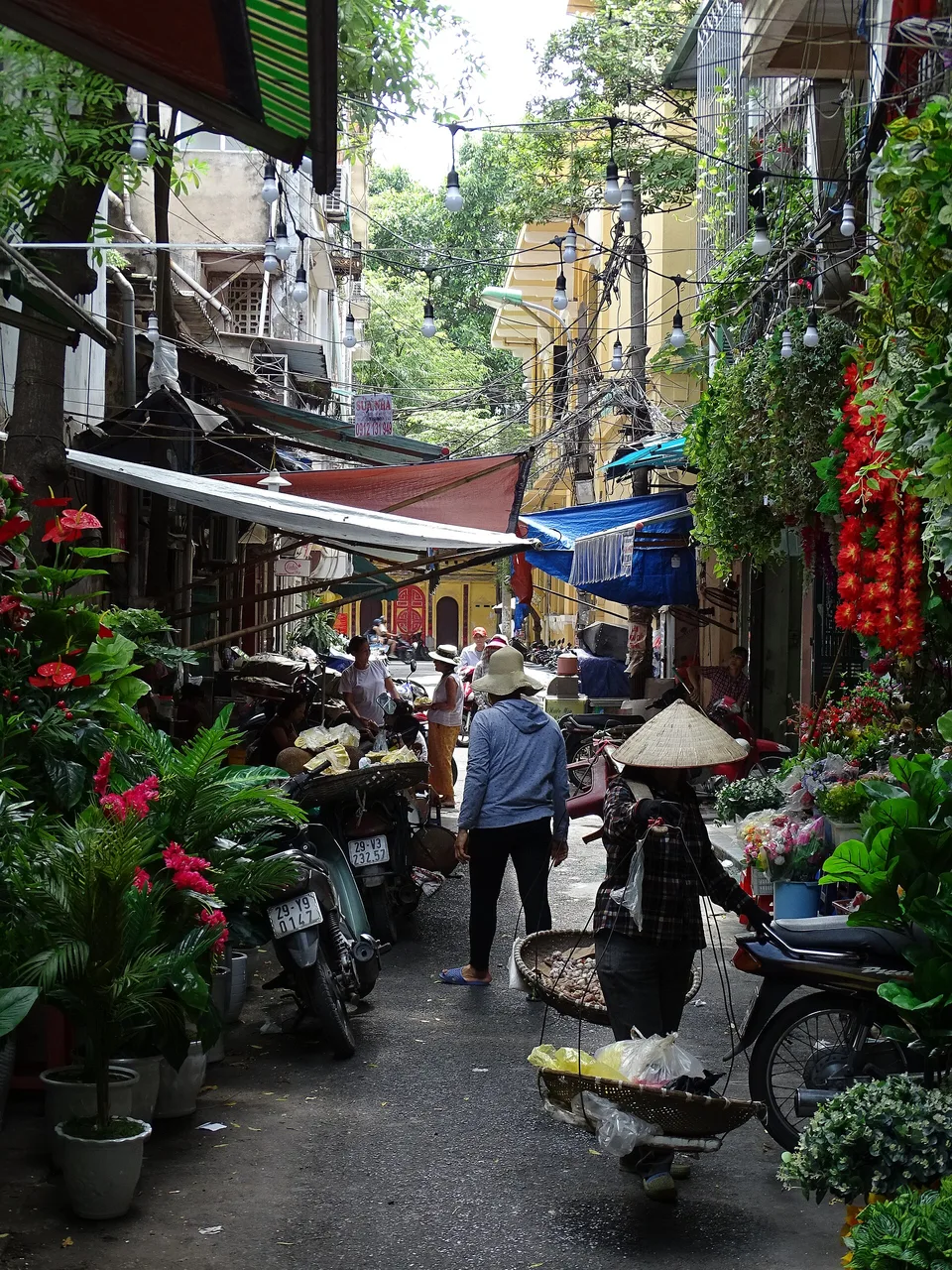
The Old Quarter has a history of over a thousand years, with many streets starting with the word 'Hang' (meaning shop or ware). Each street was historically dedicated to a specific craft or trade, such as silver, paper, or tin. Some streets still sell the exact items they were named after centuries ago.
Photo: Adam Jones from Kelowna, BC, Canada, Wikimedia Commons, CC BY-SA 2.0.
Pick one
Egg coffee was invented in 1946 by Nguyen Giang due to a severe shortage of fresh milk. He whisked egg yolk with sugar and coffee to create a rich, creamy topping. The drink became a legendary Hanoi specialty and is still served by his family today.
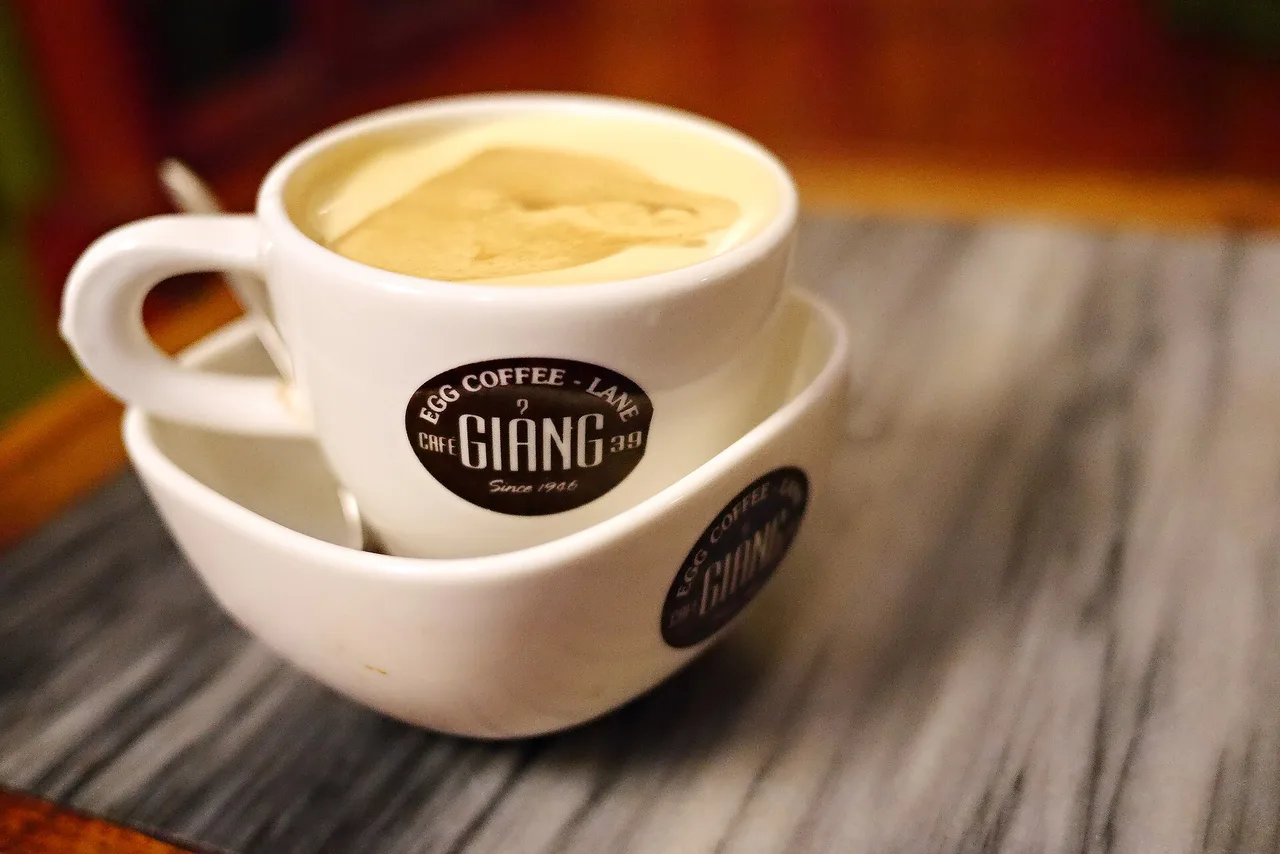
Photo: travel oriented, Wikimedia Commons, CC BY-SA 2.0.
Pick one
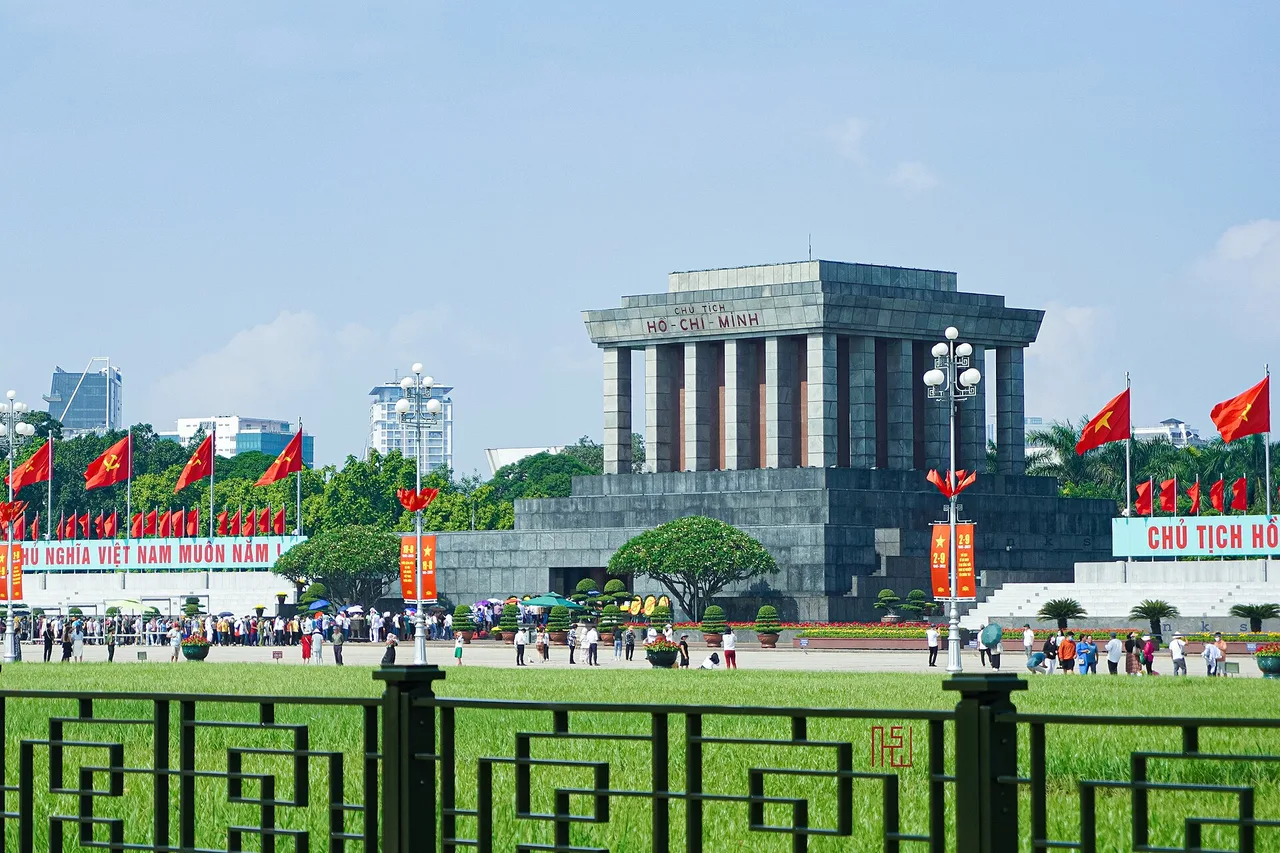
Completed in 1975, the Ho Chi Minh Mausoleum is the final resting place of the Vietnamese revolutionary leader. Its design was heavily modeled after Lenin's Mausoleum in Moscow but incorporates traditional Vietnamese architectural elements. Visitors must follow a strict dress and behavior code to enter.
Photo: NKSTTSSHNVN, Wikimedia Commons, CC BY-SA 4.0.
Pick one
The One Pillar Pagoda is one of Vietnam's most iconic historic shrines. Built on a single stone pillar in the middle of a lotus pond, it was designed to look like a lotus flower emerging from the water. The original structure was destroyed in 1954 but was carefully rebuilt shortly after.
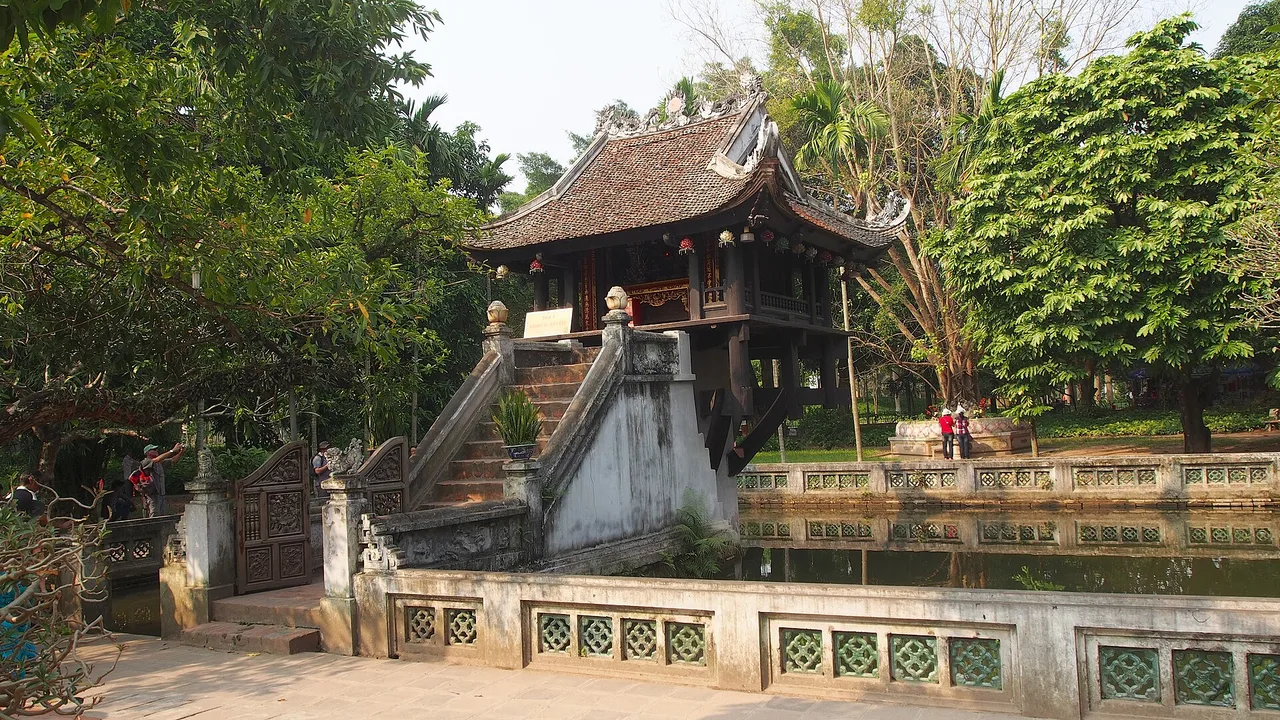
Photo: Clay Gilliland, Wikimedia Commons, CC BY-SA 2.0.
Pick one
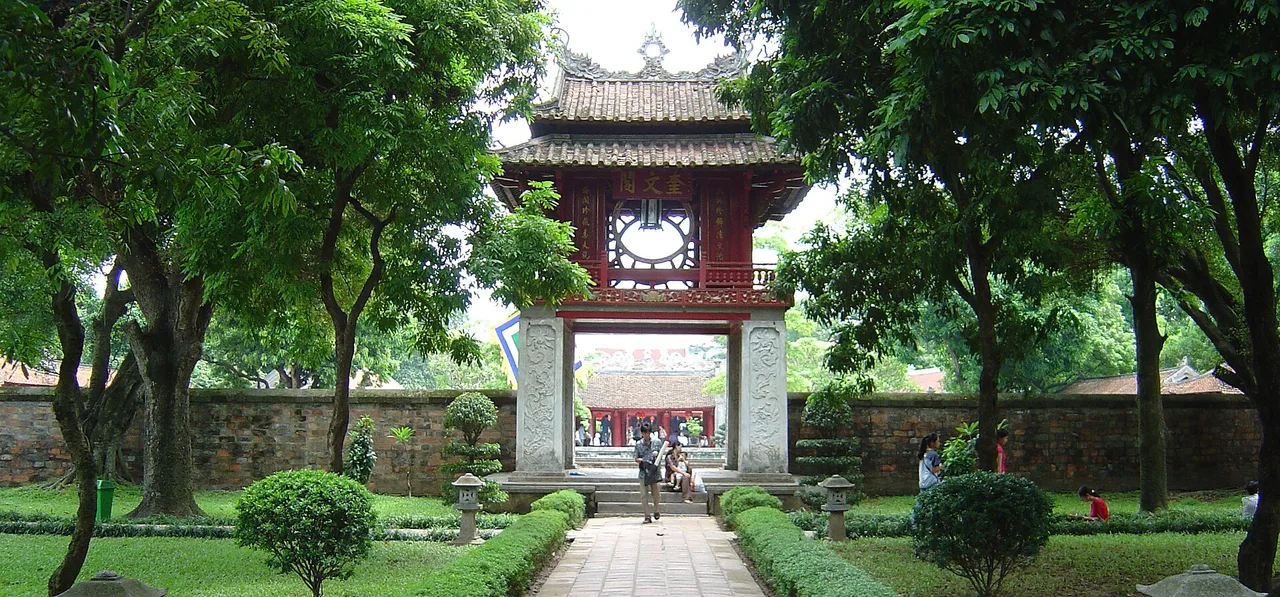
The Temple of Literature is dedicated to Confucius and hosted the Imperial Academy, Vietnam's very first national university. Students studied here for nearly 700 years. Today, you can still see giant stone turtles carrying steles engraved with the names of successful doctoral graduates.
Photo: The original uploader was Chuoibk at English Wikipedia., Wikimedia Commons, CC BY-SA 3.0.
Pick one
The Imperial Citadel of Thang Long was built in the 11th century by the Ly dynasty on the remains of a Chinese fortress. It remained the seat of court life until the capital moved to Hue in 1802. Archaeological excavations here have unearthed relics spanning over a thousand years of history.
Photo: Christophe95, Wikimedia Commons, CC BY-SA 4.0.
Pick one
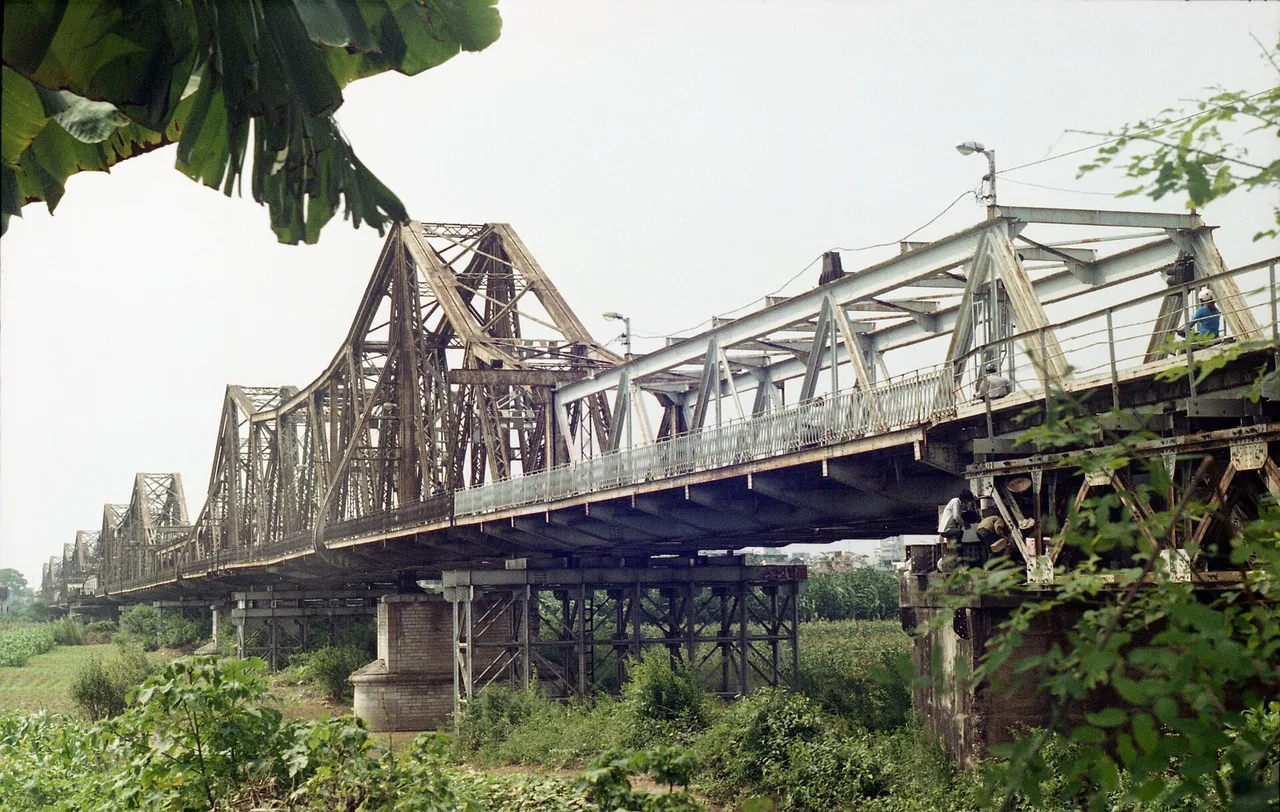
Long Bien Bridge was built between 1899 and 1902 during the French colonial period. It was heavily bombed during the Vietnam War but remains a symbol of Hanoi's resilience. Today, only trains, motorbikes, and pedestrians are allowed to cross its historic steel frame.
Photo: Phunghung, Wikimedia Commons, CC BY 3.0.
Pick one
Standing at 272 meters, the Lotte Center Hanoi is a prominent feature of the city's modern skyline. Its design was inspired by the traditional Vietnamese long dress, the ao dai. Visitors can walk on a thrilling glass-bottomed skywalk on the 65th floor.
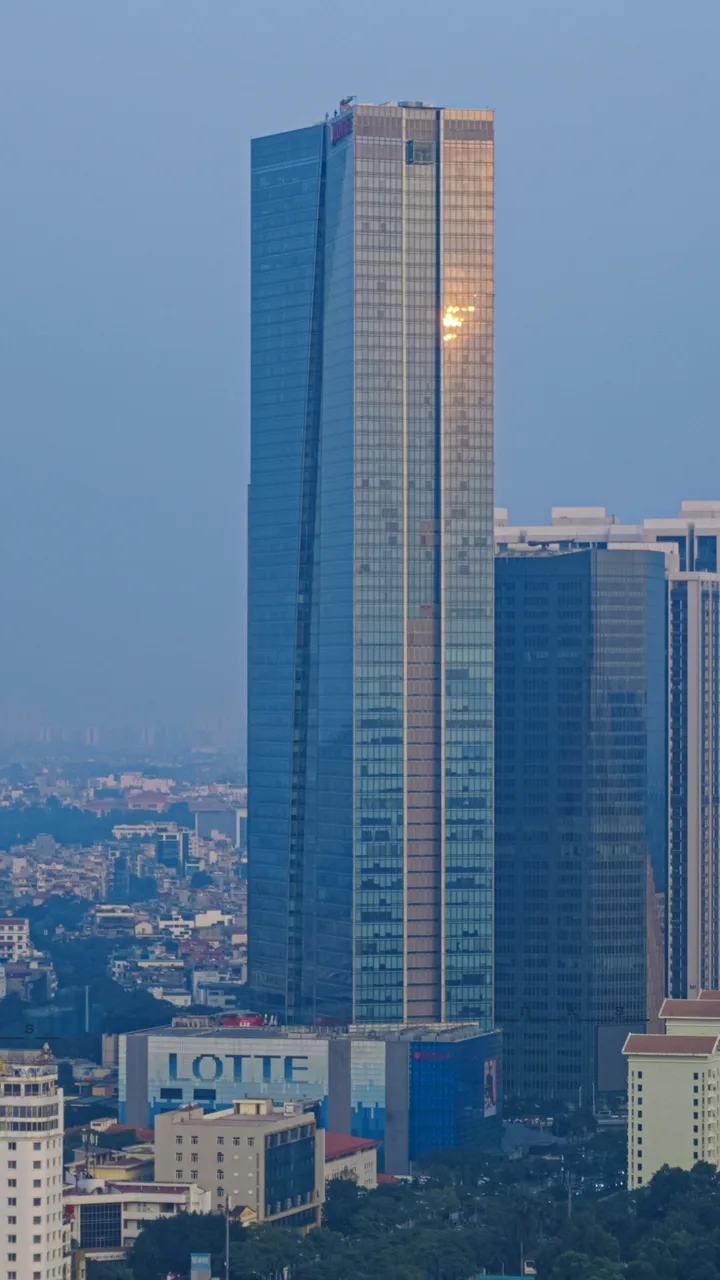
Photo: NKSTTSSHNVN, Wikimedia Commons, CC BY 4.0.
Pick one
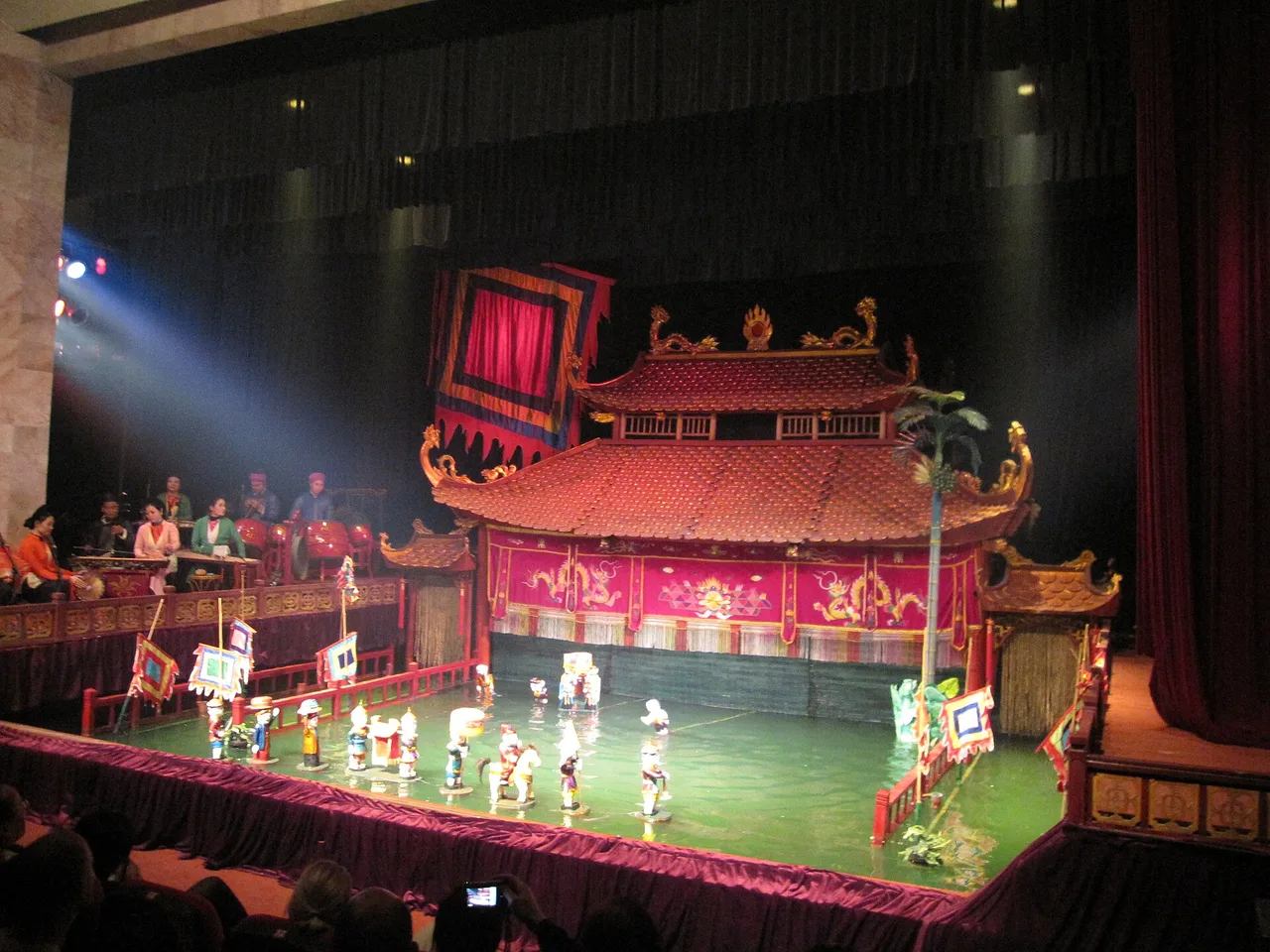
Water puppetry dates back to the 11th century, starting when villagers in the Red River Delta performed in flooded rice paddies. Puppeteers stand waist-deep in water behind a screen to control the wooden figures. Today, the Thang Long Water Puppet Theatre near Hoan Kiem Lake is its most famous venue.
Photo: Gryffindor, Wikimedia Commons, CC BY-SA 3.0.


Paste the code into your page. The player fits itself in, and every vote counts in Votur.
On WordPress, Ghost or Squarespace? Just paste the link of this page into your post.
This is how it looks
Also fun