 Get app
 Photo: chidorian from Japan, Wikimedia Commons, CC BY-SA 2.0.
Test your culinary knowledge about the history, ingredients, and traditions of one of the world's most beloved dishes.
Roll Rookie 0–4 · Sushi Fan 5–8 · Master of Nigiri 9–10
Pick one

Inventors of the roll used rich avocado to mimic the buttery texture of toro (fatty tuna). They also hid the seaweed on the inside because Western customers disliked its texture, creating the first inside-out roll.
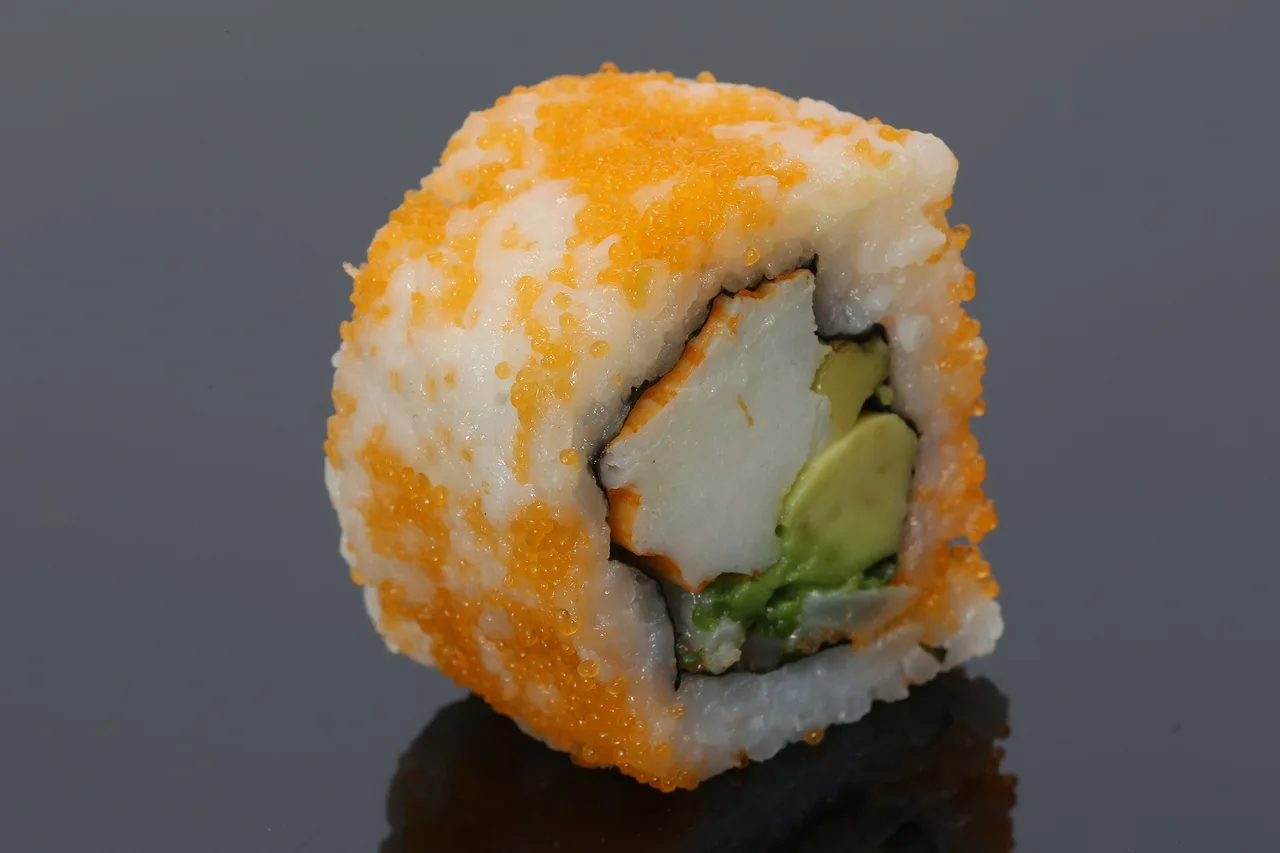
Photo: Tim Reckmann from Hamm, Deutschland, Wikimedia Commons, CC BY 2.0.

Pick one
Authentic wasabi is expensive and loses its flavor within fifteen minutes of being grated. Because of this, most restaurants use a mixture of European horseradish, mustard powder, and green food coloring to mimic the spicy kick.
Photo: Qwert1234, Wikimedia Commons, CC BY-SA 3.0.
Pick one
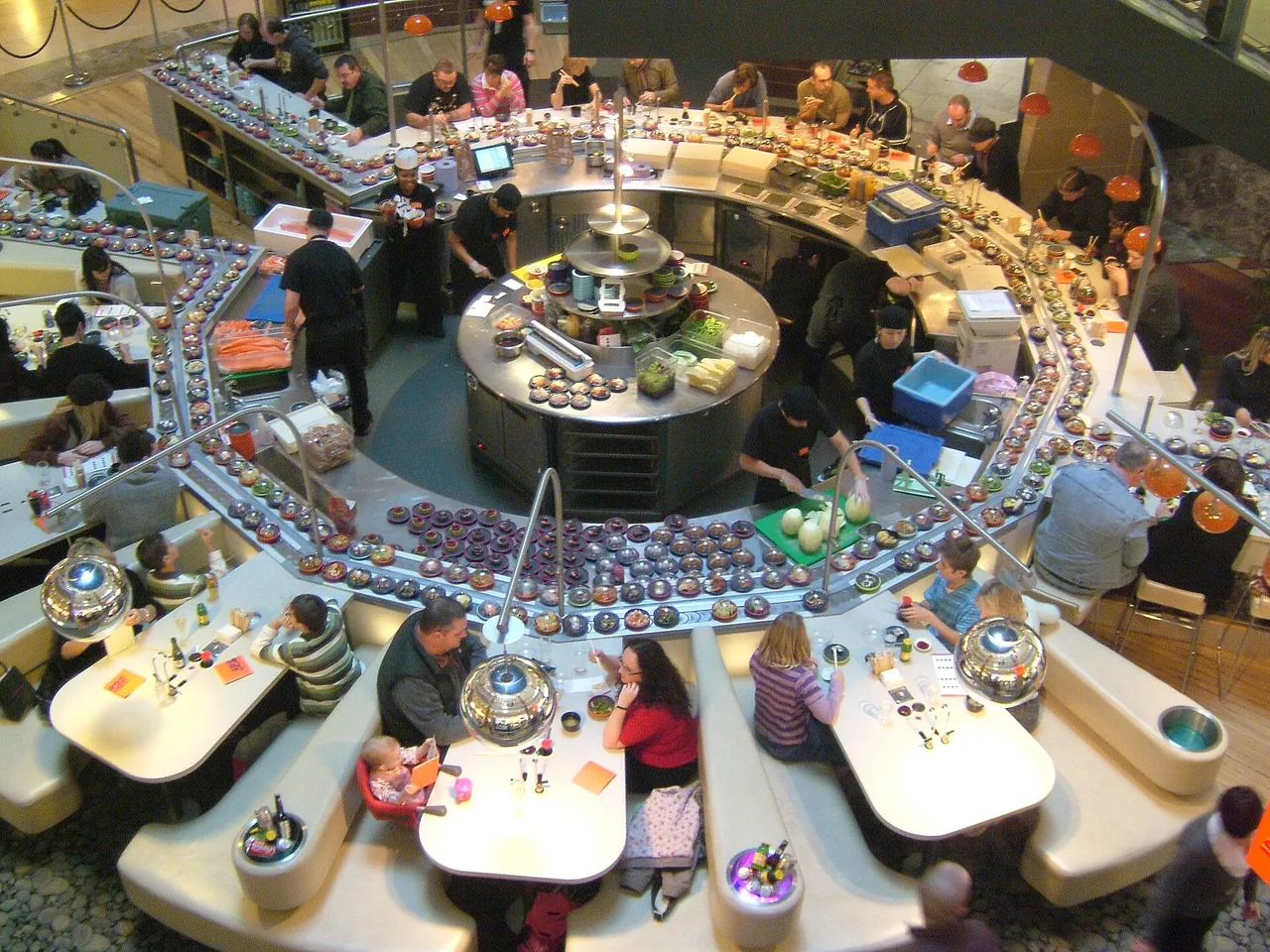
Yoshiaki Shiraishi came up with the idea after watching bottles move along a conveyor belt in a factory. He realized this system could help him run his busy sushi shop with fewer servers, lowering costs.
Photo: Clem Rutter, Rochester Kent, Wikimedia Commons, CC BY-SA 3.0.
Pick one
Inarizushi features seasoned rice packed inside deep-fried tofu pouches called abura-age. The dish is named after the Shinto god Inari, whose fox messengers are said to have a legendary fondness for fried tofu.
Pick one
The method of making nori sheets was adapted from traditional Japanese papermaking techniques in Edo-period Tokyo. The seaweed is shredded, suspended in water, poured onto screens, and then dried into thin, uniform sheets.
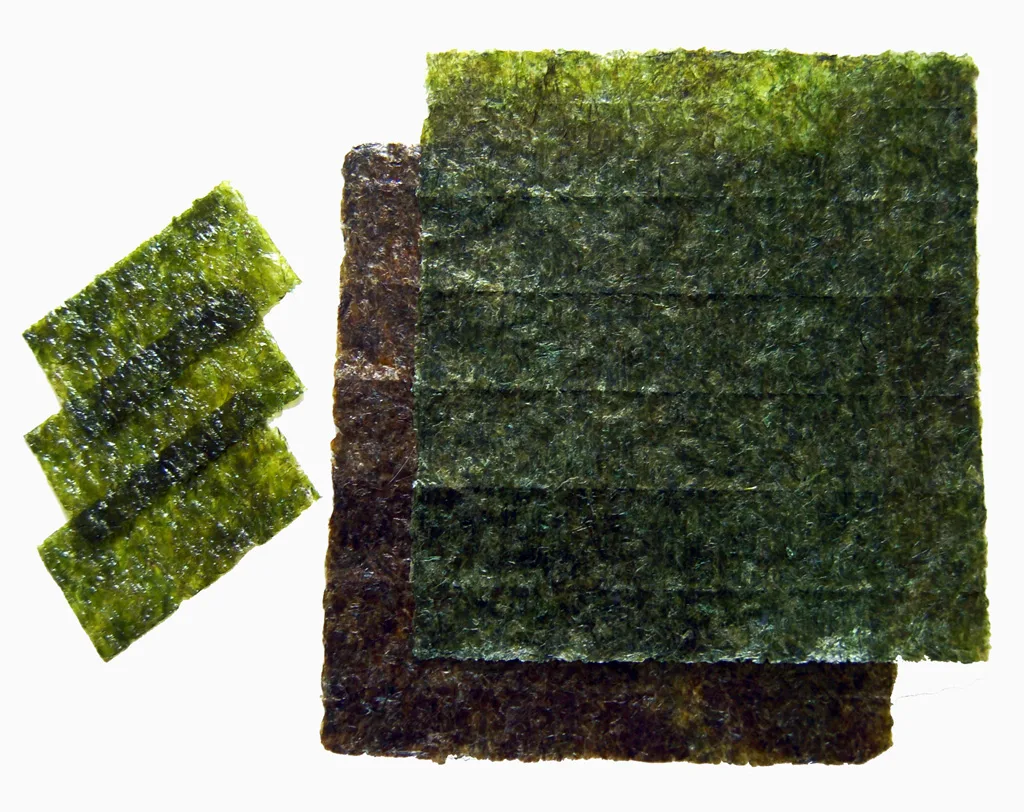
Photo: Alice Wiegand, (Lyzzy), Wikimedia Commons, CC BY-SA 3.0.

Pick one
Hanaya Yohei revolutionized sushi by serving fresh, hand-pressed nigiri from a portable wooden stall in Edo (Tokyo). It was the ultimate fast food of the era, designed to be eaten quickly by busy workers on the go.
Photo: Kawabata Gyokushō, Wikimedia Commons, Public domain.
Pick one
Oshizushi, or pressed sushi, is a specialty of Osaka. Chefs pack vinegared rice and toppings into a wooden mold called an oshibako, press them tightly, and then slice the block into bite-sized rectangles. It is perfect for bento boxes.
Pick one
An "itamae" translates to "in front of the board." Traditional training to become one can take years, starting with basic tasks like washing rice and sweeping before the apprentice is ever allowed to touch the fish.
Pick one
Narezushi is the oldest form of sushi, where fish was packed with salted rice. The rice fermented, creating an acidic environment that kept the fish from spoiling. Originally, people threw away the sour, mushy rice and only ate the fish!
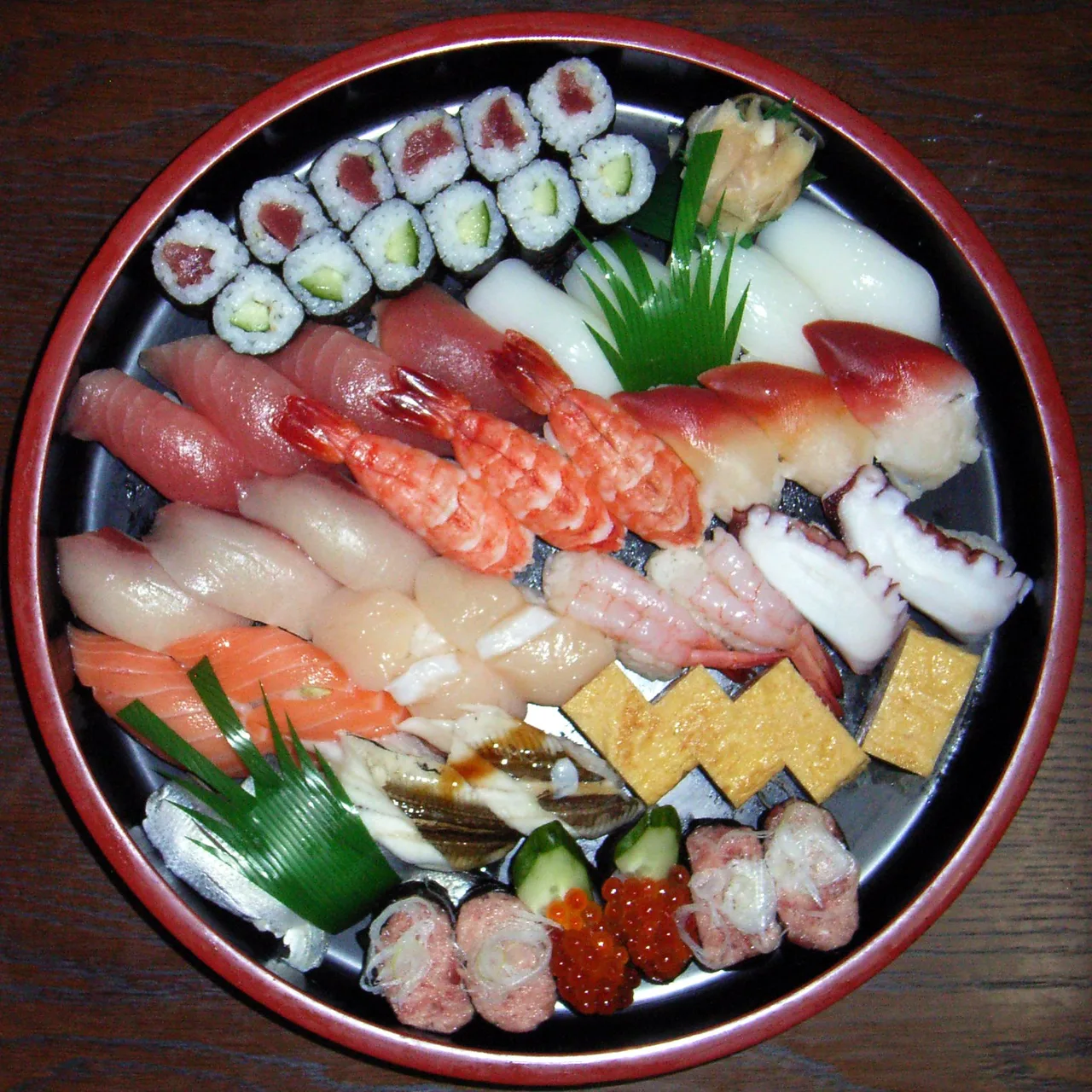
Photo: ウィキ太郎(WikiTaro), Wikimedia Commons, Public domain.
Pick one
The word "sushi" is an ancient grammatical form that translates to "sour-tasting," reflecting its historic, fermented origins. Today, the dish is written with kanji characters that are used for their phonetic values or represent auspicious wishes.


Paste the code into your page. The player fits itself in, and every vote counts in Votur.
On WordPress, Ghost or Squarespace? Just paste the link of this page into your post.
This is how it looks
Also fun


