 Get app
 Photo: Lily15, Wikimedia Commons, CC BY-SA 3.0.
Test your culinary knowledge about Hungary's most famous dish, from its origins on the plains to its worldwide variations.
Paprika Curious 0–4 · Stew Connoisseur 5–8 · Master of the Cauldron 9–10
Pick one

Paprika was introduced to Hungary by the Ottoman Turks in the 16th century, but it wasn't until the late 18th century that it became a staple of peasant cooking. It eventually replaced expensive imported black pepper and saffron to become the national spice, giving goulash its signature red color and deep warmth.
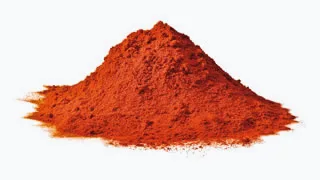
Photo: Marcosgarrido88, Wikimedia Commons, CC BY-SA 3.0.
Pick one
American goulash, also known as American chop suey, is a beloved mid-century comfort food. It differs significantly from the Hungarian original by combining ground beef, tomato sauce, melted cheese, and elbow macaroni in a single pot. Despite the shared name, it lacks the heavy paprika focus of the European classic.
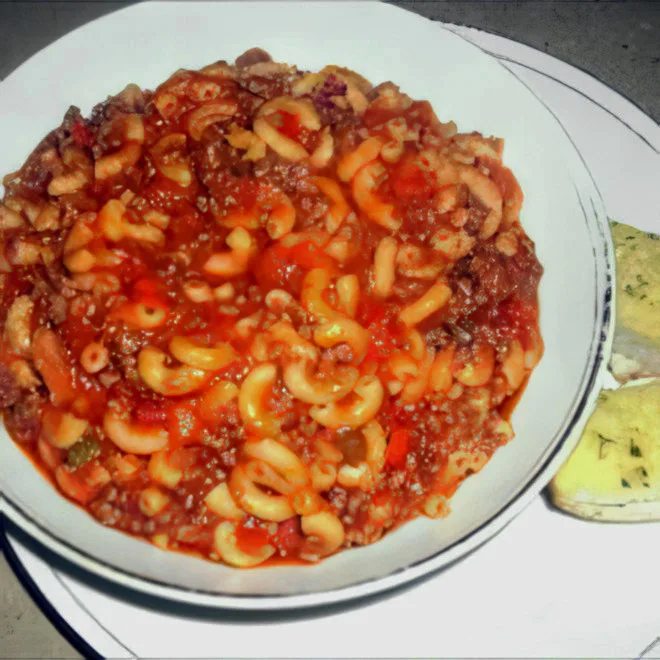
Photo: Alborzagros, edit by Artoria2e5, Wikimedia Commons, CC BY-SA 3.0.
Pick one
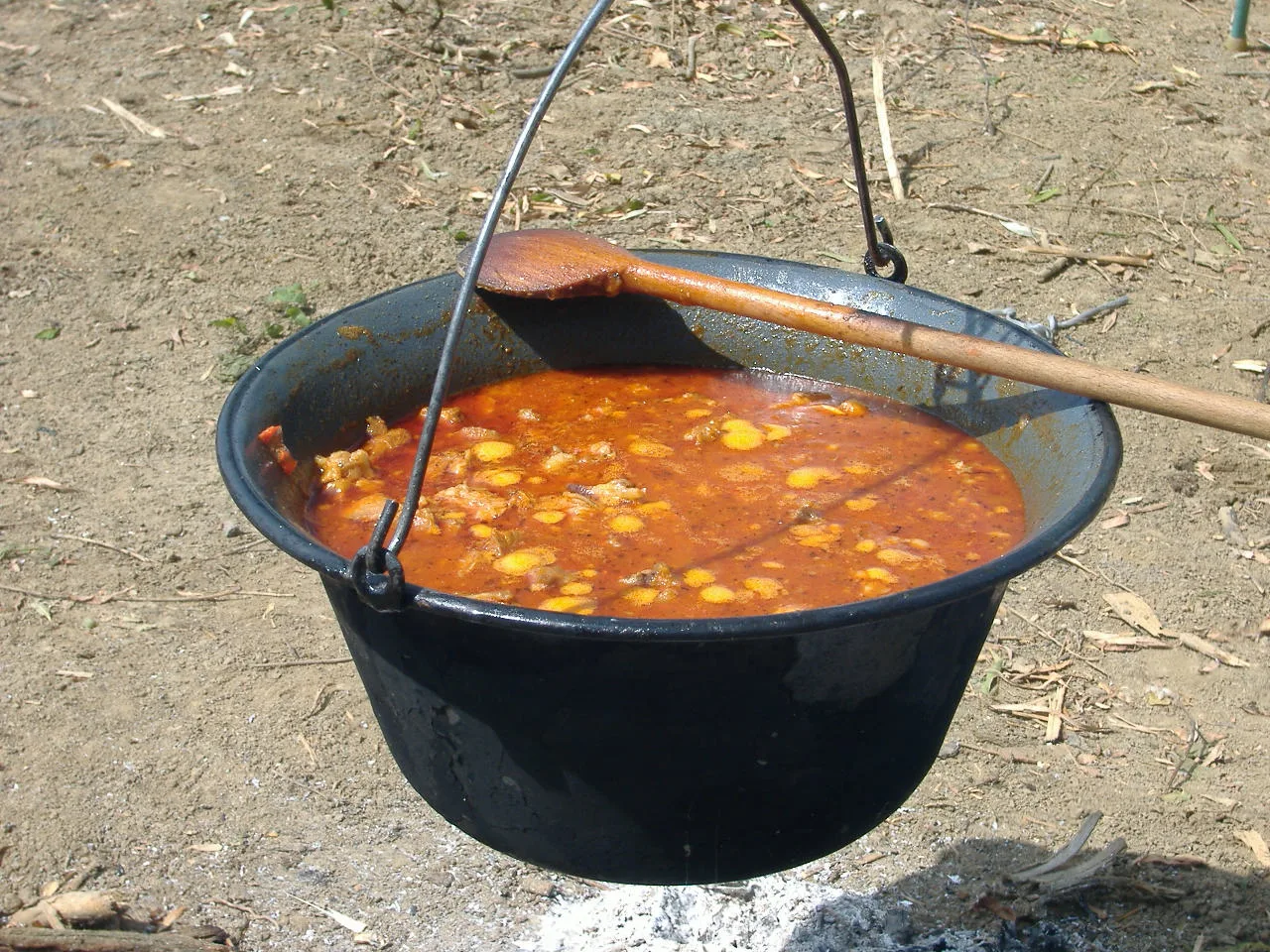
The name goulash comes from the Hungarian word 'gulyás', which translates to cattle herder. These herdsmen drove their livestock across the Great Hungarian Plain and cooked simple, hearty meals in large cauldrons over open campfires. Over time, their signature meat dish adopted the name of the profession itself.
Photo: Lily15, Wikimedia Commons, CC BY-SA 3.0.
Pick one
While Hungarians prefer their goulash as a soup, Czechs and Slovaks adapted the dish into a thick, onion-heavy stew. It is almost universally paired with 'knedlíky', which are sliced, steamed bread dumplings. These soft, pillowy slices are ideal for soaking up every drop of the savory gravy.
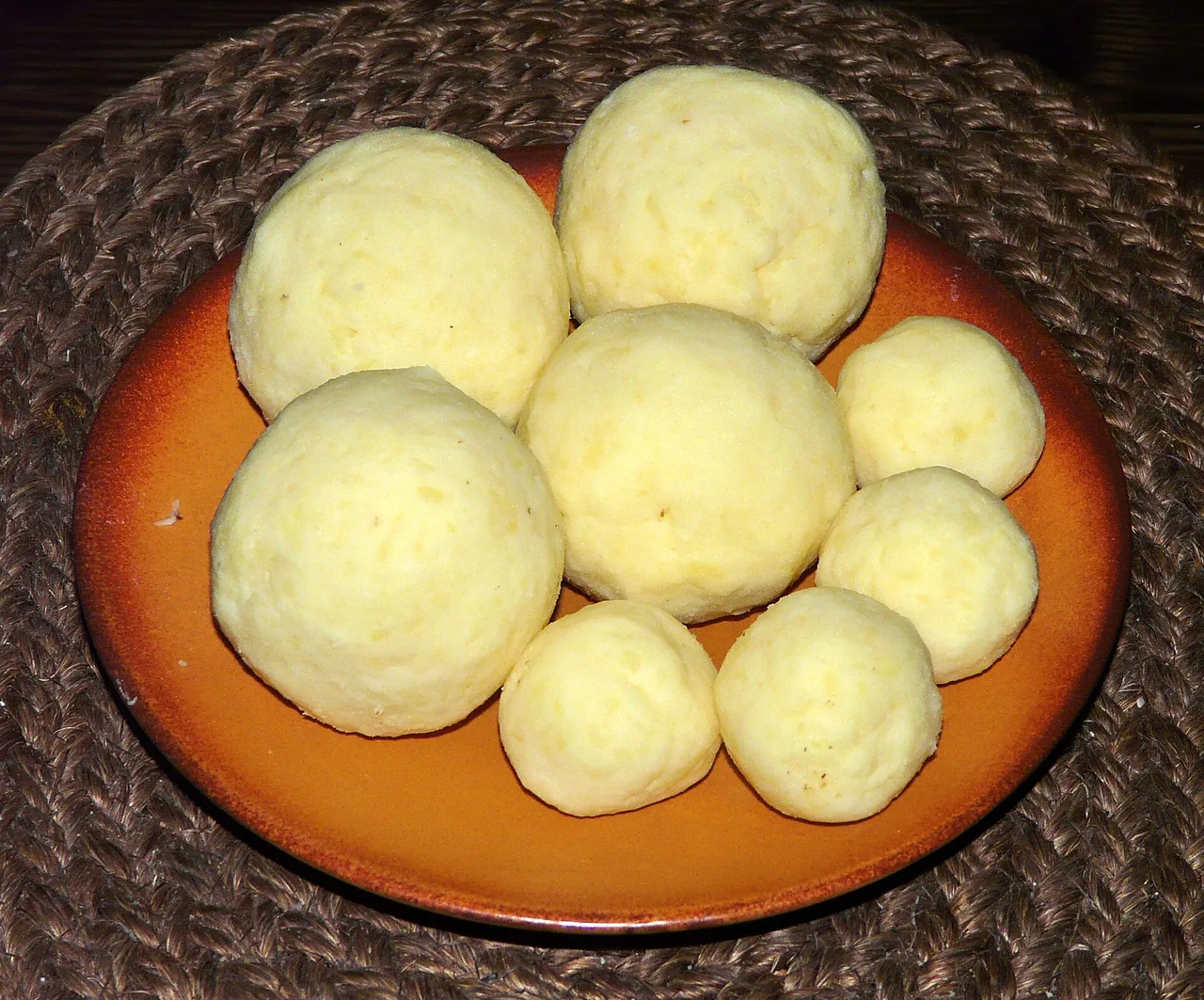
Photo: Schnobby, Wikimedia Commons, CC BY-SA 4.0.
Pick one
A bogrács is a traditional outdoor cooking pot with a rich history dating back to nomadic Eurasian tribes. Purists argue that a true Hungarian gulyás can only be prepared in this cauldron, as the open fire and the shape of the pot allow the steam to circulate and build a unique smoky flavor profile.
Pick one
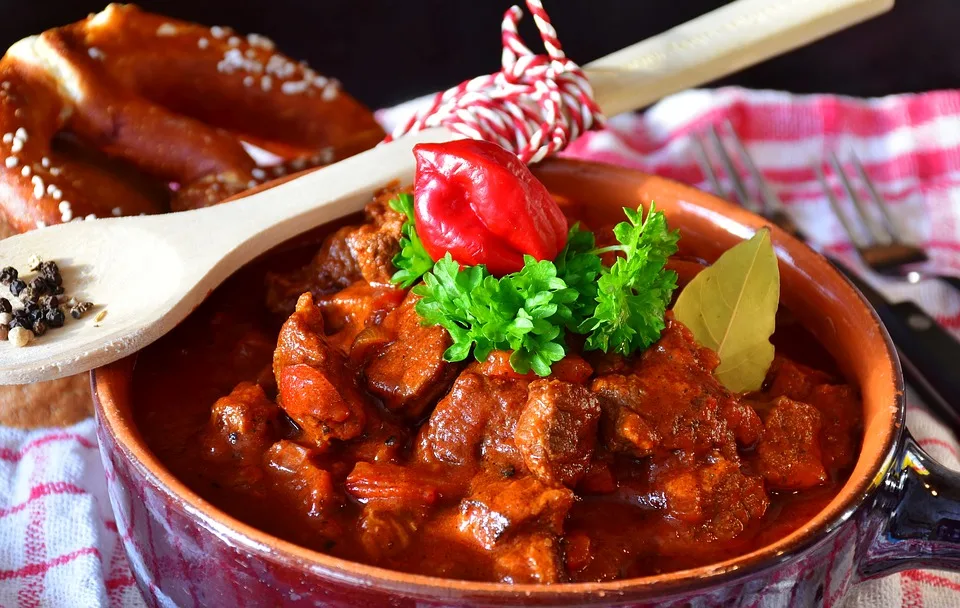
In Hungarian cooking, adding flour to thicken a goulash is considered a major culinary mistake. Instead, the rich, velvety texture of the broth should come entirely from the natural gelatin released by slow-cooked meat cuts and the breakdown of a generous amount of finely chopped onions.
Photo: RitaE, Wikimedia Commons, CC0.
Pick one
Fiakergulasch is named after Vienna's traditional horse-drawn cab drivers, known as Fiakers. This robust version of goulash is served with a fried egg, a fan-cut pickled gherkin, and a frankfurter sausage. It was designed to keep the carriage drivers warm during long, freezing shifts on the city streets.

Photo: Édouard Manet, Wikimedia Commons, Public domain.
Pick one
Tarhonya is an ancient Hungarian pasta made from flour, eggs, and water, which is grated or rubbed into small, pebble-like grains. It was historically dried in the sun so herdsmen could carry it easily. When toasted in lard and simmered, it becomes the perfect companion to soak up rich meat gravies.
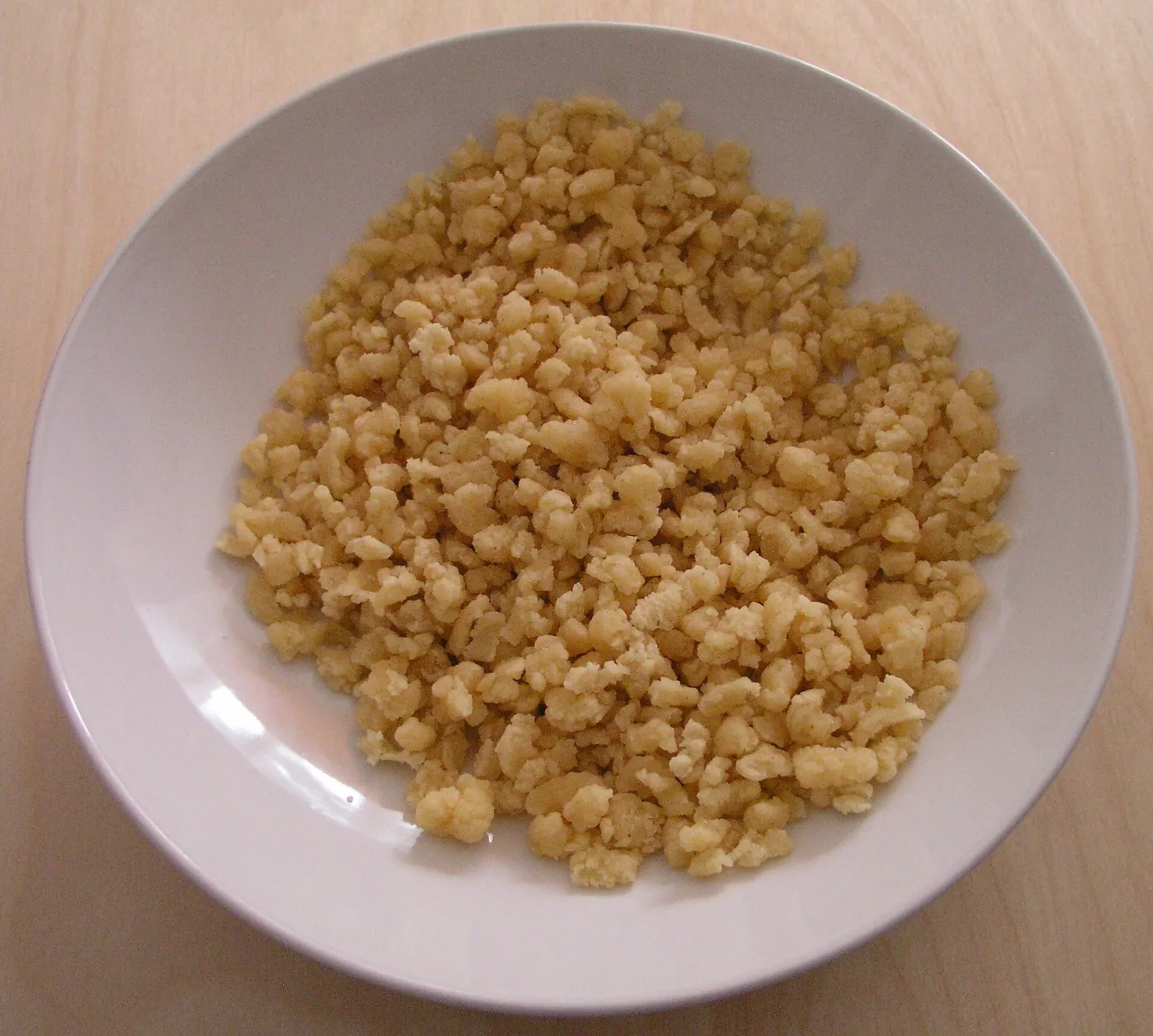
Photo: Nillerdk, Wikimedia Commons, CC BY 3.0.

Pick one
Every September, the city of Szolnok hosts a massive festival dedicated entirely to the heritage of goulash. Hundreds of cooking teams set up open fires along the Tisza River bank, competing to see who can brew the most authentic and delicious version of this national treasure.
Photo: SNRTZ, Wikimedia Commons, CC BY-SA 4.0.
Pick one
To foreigners, goulash is often served as a thick meat stew. However, in Hungary, authentic gulyás is always a rich, vegetable-packed soup eaten with a spoon. If you want the thick, gravy-heavy meat dish that is served over pasta, you should order pörkölt instead.
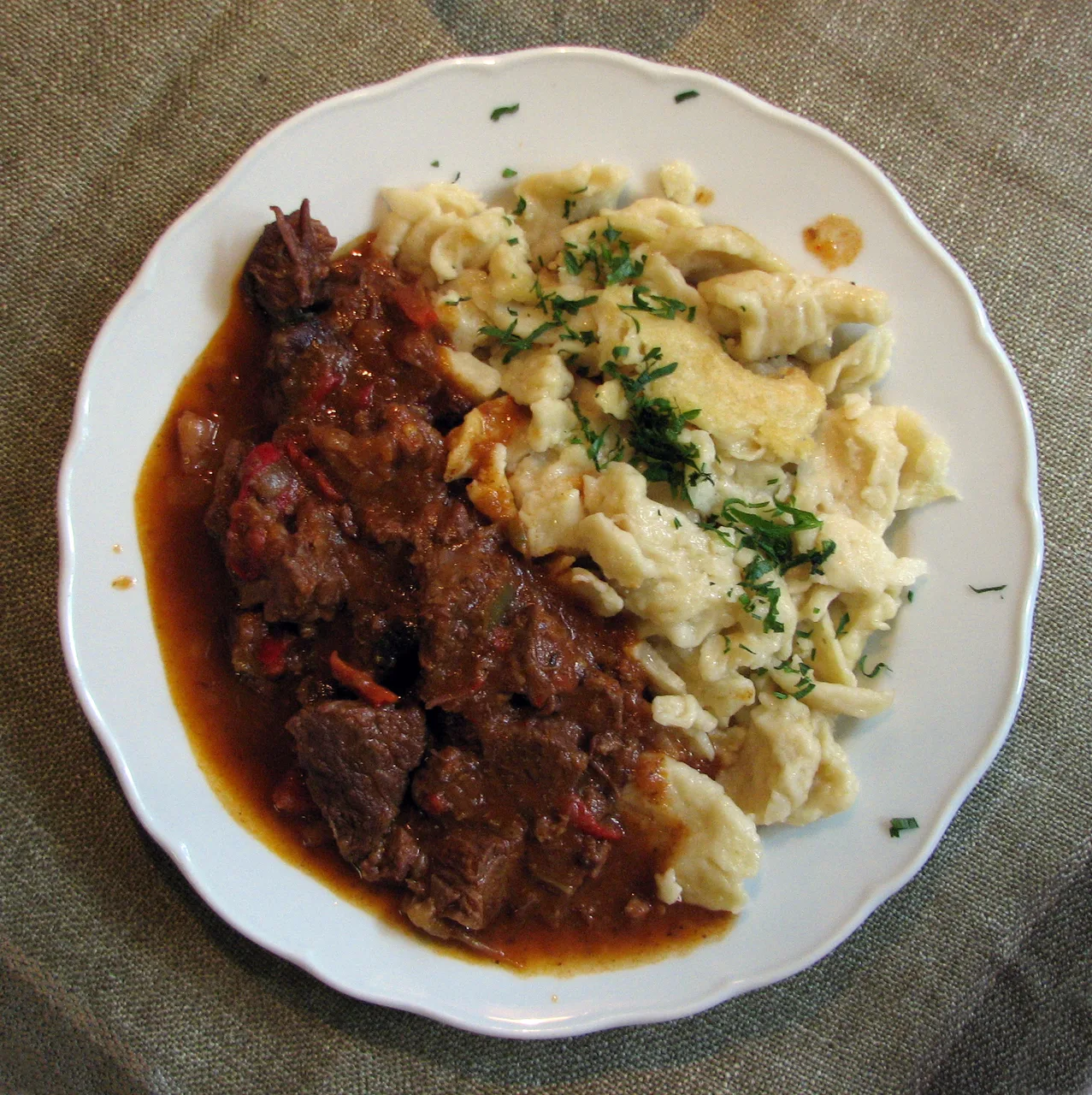
Photo: Ralf Roletschek (talk), Wikimedia Commons, GFDL 1.2.


Paste the code into your page. The player fits itself in, and every vote counts in Votur.
On WordPress, Ghost or Squarespace? Just paste the link of this page into your post.
This is how it looks
Also fun


