 Get app
 Photo: SerraKnightz, Wikimedia Commons, CC BY 4.0.
Test your knowledge of Vietnam's most beloved noodle soup, from its fascinating origins to its global reach.
Broth Curious 0–4 · Noodle Enthusiast 5–8 · Broth Master 9–10
Pick one

'Phở tái' features paper-thin slices of raw beef placed directly on top of the cooked rice noodles. When the boiling hot broth is poured into the bowl, it cooks the meat instantly, keeping it incredibly tender, juicy, and flavorful.
Photo: Matsuoka.A, Wikimedia Commons, CC BY-SA 4.0.
Pick one
Culantro (sawtooth herb) is highly prized in southern Vietnamese cuisine for its intense, earthy aroma that mimics cilantro but survives the heat of the hot broth much better. Dill, on the other hand, is rarely paired with beef and belongs in northern fish dishes.
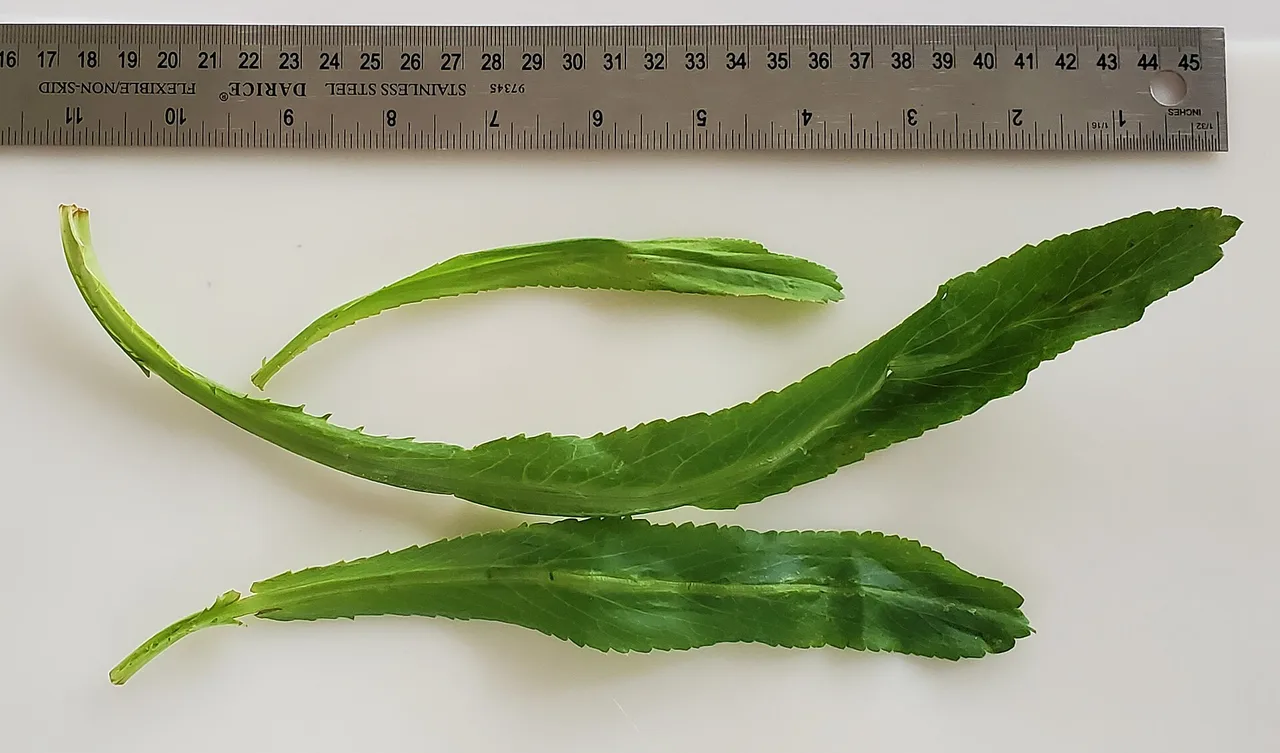
Photo: Wikimedia Commons, Copyrighted free use.
Pick one
The flat, tender rice noodles used in the dish are called 'bánh phở'. They are distinct from the round, thin rice vermicelli ('bún') used in other soups. Traditionally, they are made from aged rice to ensure they hold their shape in the boiling broth.
Pick one
Charring ginger and shallots directly over an open flame is a non-negotiable step in preparing authentic phở broth. This caramelizes the natural sugars and releases deep, smoky essential oils that give the soup its unmistakable, comforting aroma.
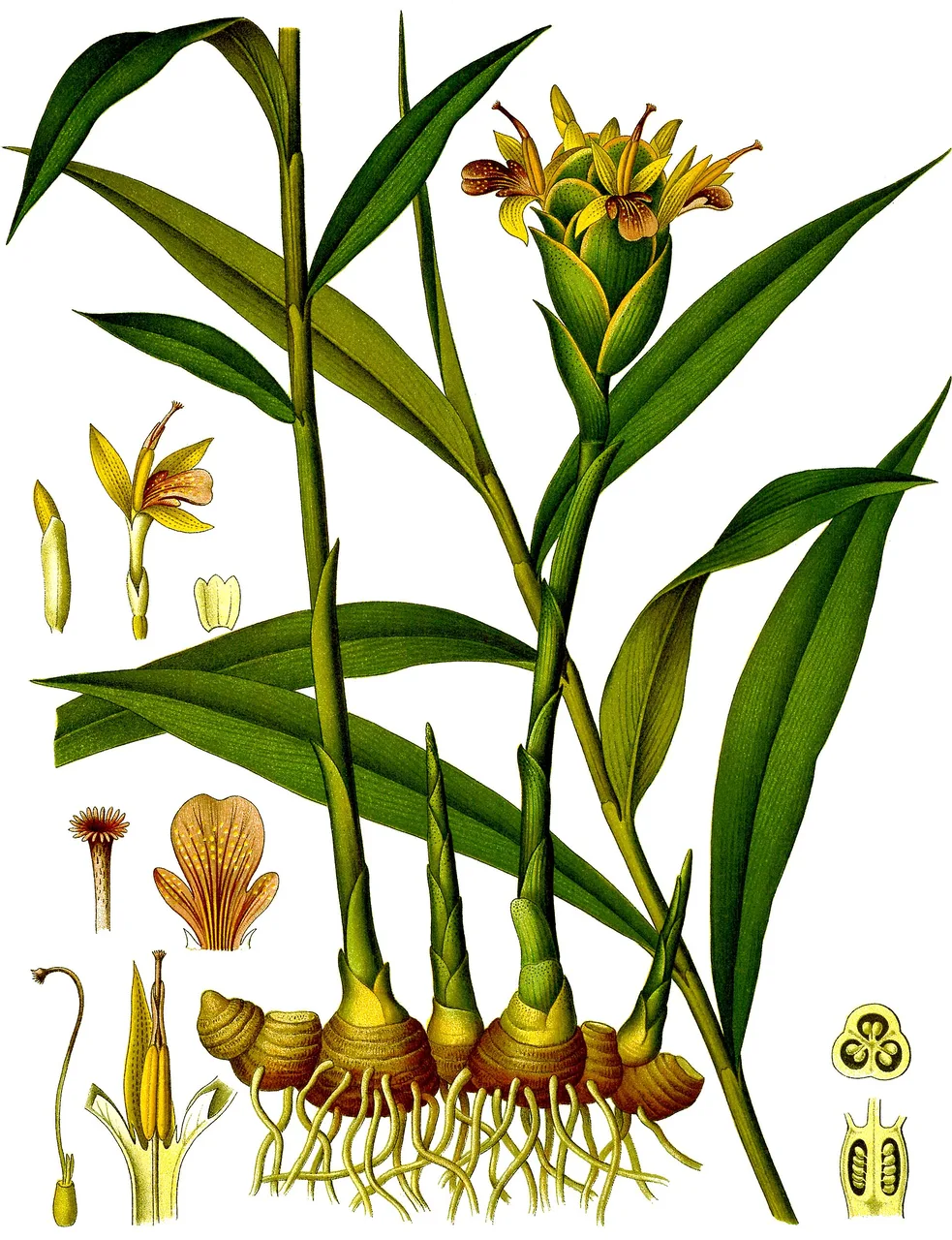
Photo: Franz Eugen Köhler, Köhler's Medizinal-Pflanzen, Wikimedia Commons, Public domain.
Pick one
The Fall of Saigon in 1975 led to a massive diaspora, with millions of Vietnamese refugees settling in North America, Europe, and Australia. To preserve their culture and make a living, these immigrants opened restaurants, introducing phở to the global stage.

Photo: Hubert van Es, Wikimedia Commons, Public domain.
Pick one
Hanoi-style phở (phở Bắc) is famous for its elegant simplicity. It features a clear, savory broth, wider rice noodles, and simple garnishes like green onions. Southern-style phở, by contrast, is much sweeter and is piled high with fresh herbs and bean sprouts.
Photo: Quangnlnhe182394, Wikimedia Commons, CC0.
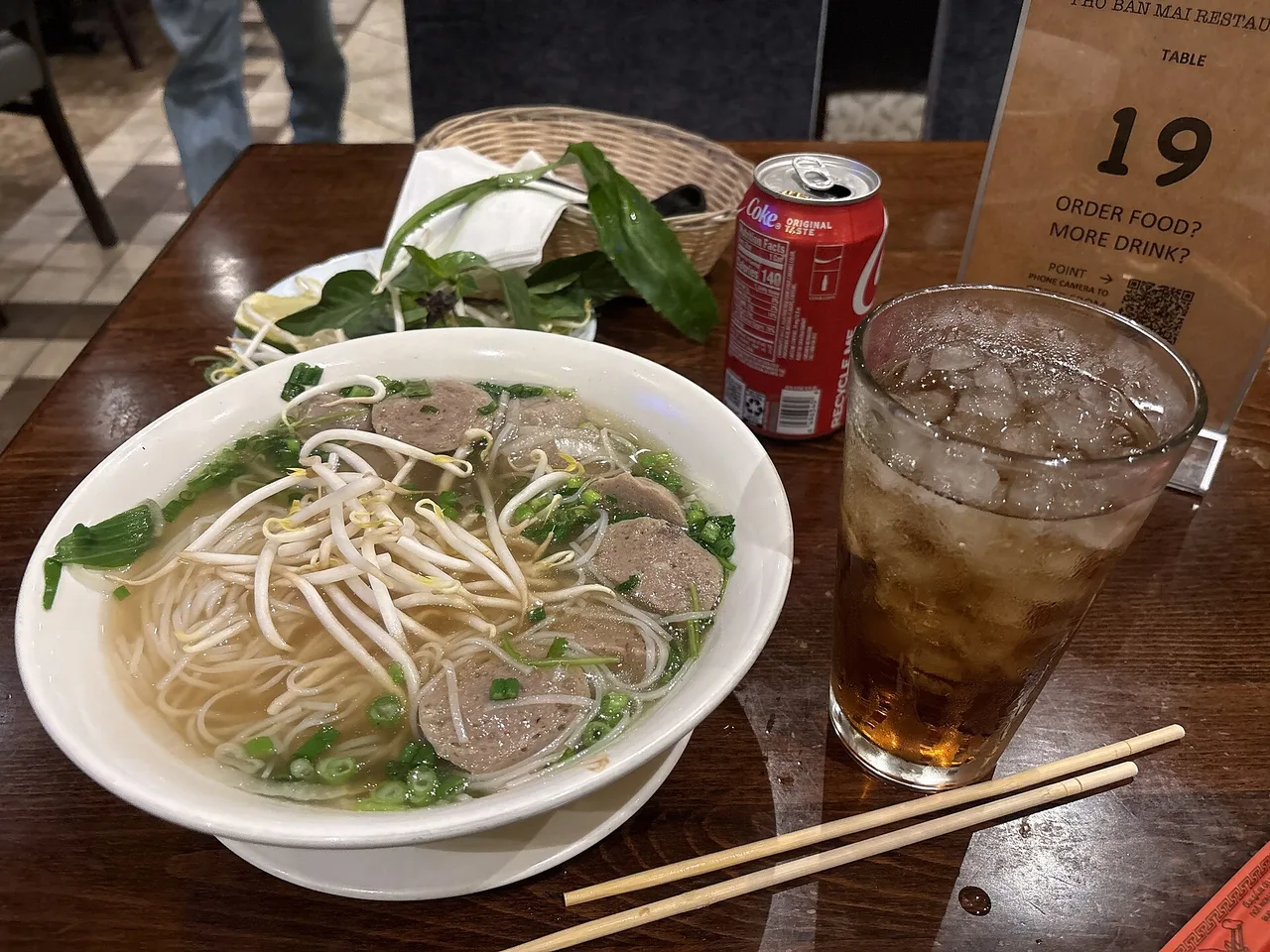
Pick one
Chicken phở made its debut in 1939 due to a colonial government decree that banned the sale of beef on Mondays and Fridays. To keep their businesses running, resourceful street vendors adapted by using chicken, creating a lighter but equally beloved variant.
Photo: SerraKnightz, Wikimedia Commons, CC BY 4.0.

Pick one
Phở is believed to have originated in the late 19th century in Nam Định province, south of Hanoi. The regional abundance of beef, driven by French colonial demand and local textile mills, helped inspire local cooks to create this legendary noodle soup.
Photo: TaiwaneseWaveVN, Wikimedia Commons, CC BY-SA 4.0.

Pick one
The Central Highlands city of Pleiku is famous for 'phở khô' (dry phở), also known as 'two-bowl phở'. Diners get one bowl of chewy noodles tossed in a savory soy-based sauce, and a second bowl of piping hot beef broth to sip between bites.
Photo: Cubuiminhquang, Wikimedia Commons, CC BY-SA 4.0.
Pick one
Many culinary historians believe 'phở' is a Vietnamese adaptation of the French beef stew 'pot-au-feu'. The French introduced beef consumption to Vietnam during colonial rule, and the phonetic similarity of 'feu' (fire) to 'phở' supports this popular theory.
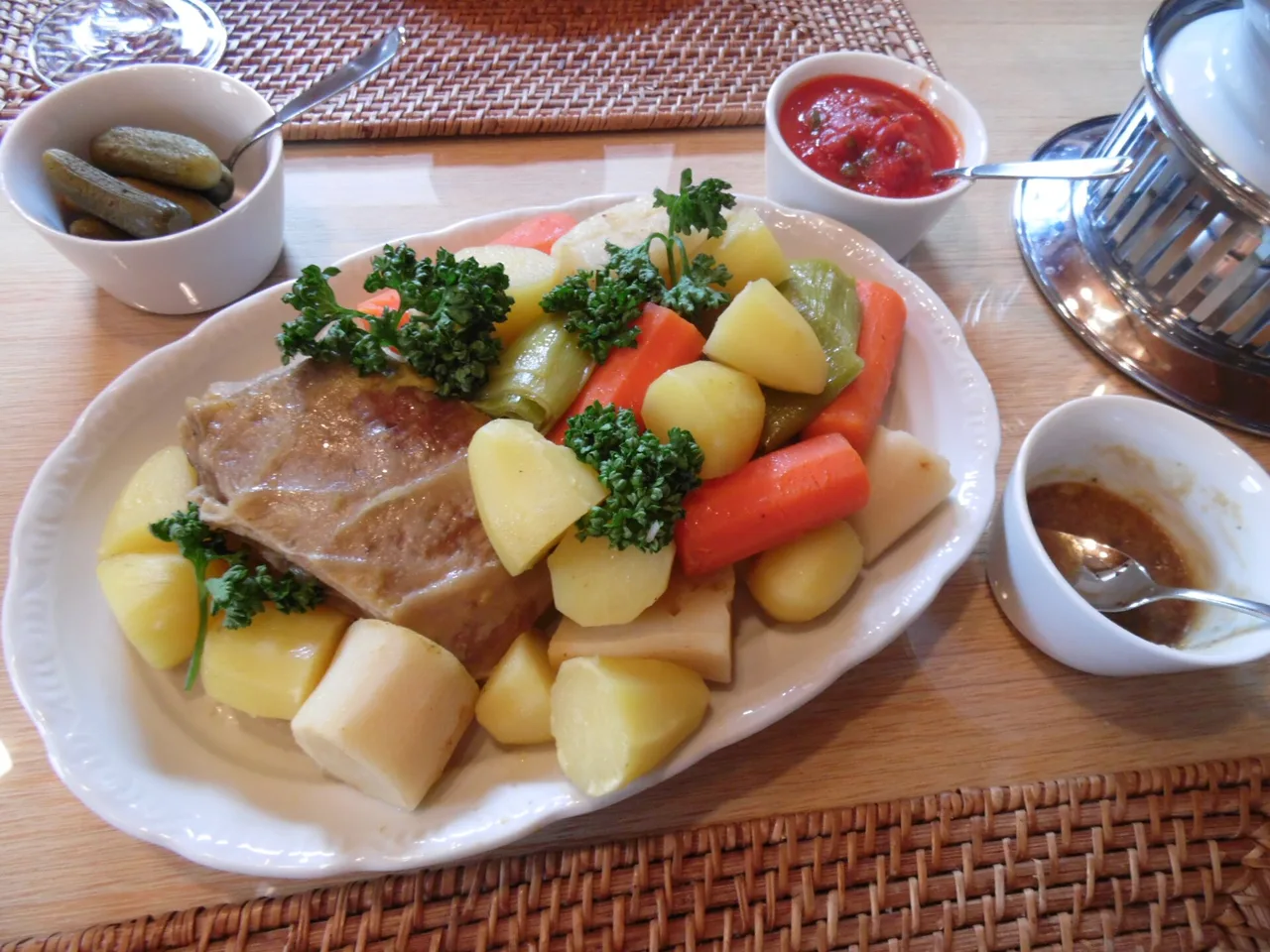
Photo: Muesse, Wikimedia Commons, CC BY-SA 4.0.


Paste the code into your page. The player fits itself in, and every vote counts in Votur.
On WordPress, Ghost or Squarespace? Just paste the link of this page into your post.
This is how it looks
Also fun


