Get app
 Photo: Amoat7, Wikimedia Commons, CC BY-SA 4.0.
How well do you know Ghana's vibrant coastal capital? Test your knowledge on Accra's rich history, colorful culture, delicious food, and iconic landmarks!
First-time visitor 0–4 · Neighborhood regular 5–8 · Accra street smart 9–10
Pick one

Black Star Square, also known as Independence Square, was commissioned by Kwame Nkrumah to host national celebrations. Completed in 1961, it is one of the largest city squares in the world. Interestingly, it stands right by the ocean, offering striking coastal views during major parades.
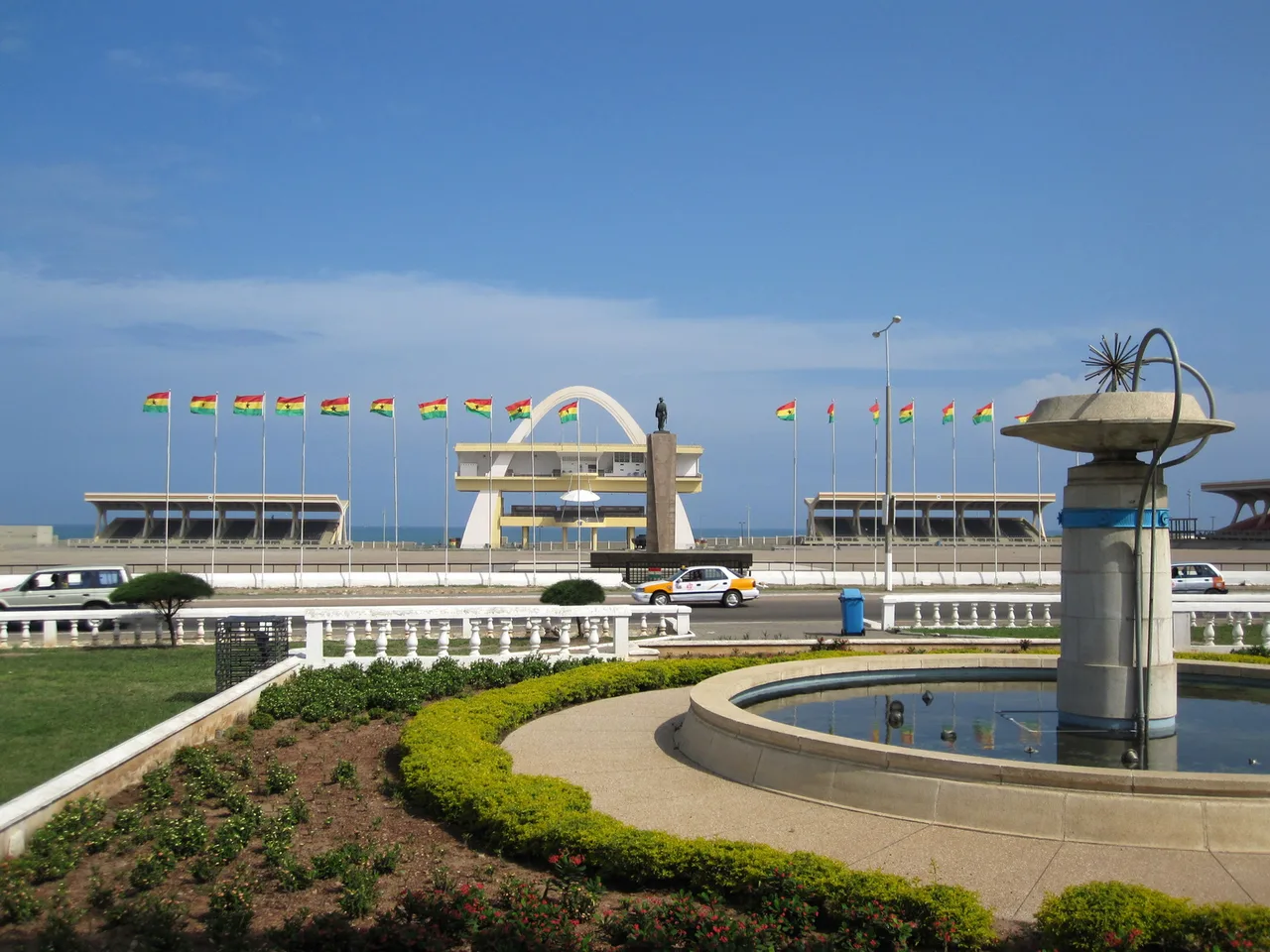
Photo: Rjruiziii, Wikimedia Commons, CC BY-SA 3.0.
Pick one
Makola Market, founded in 1924, is the vibrant commercial heart of Accra. It is dominated by powerful female traders, known as 'market queens,' who manage the distribution of fresh produce, textiles, and household goods. The market is a sensory experience of colors, sounds, and aromas.
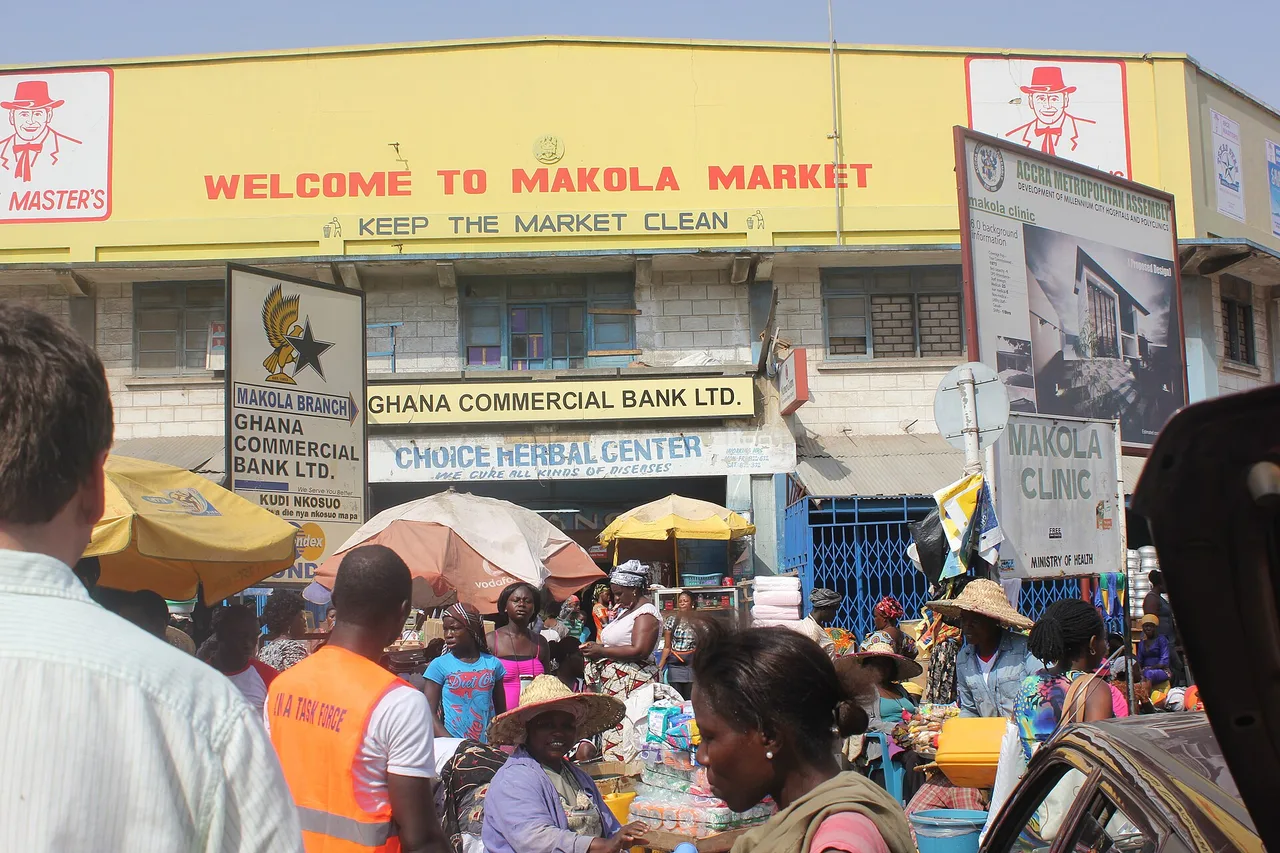
Photo: Benggriff, Wikimedia Commons, CC BY-SA 3.0.
Pick one
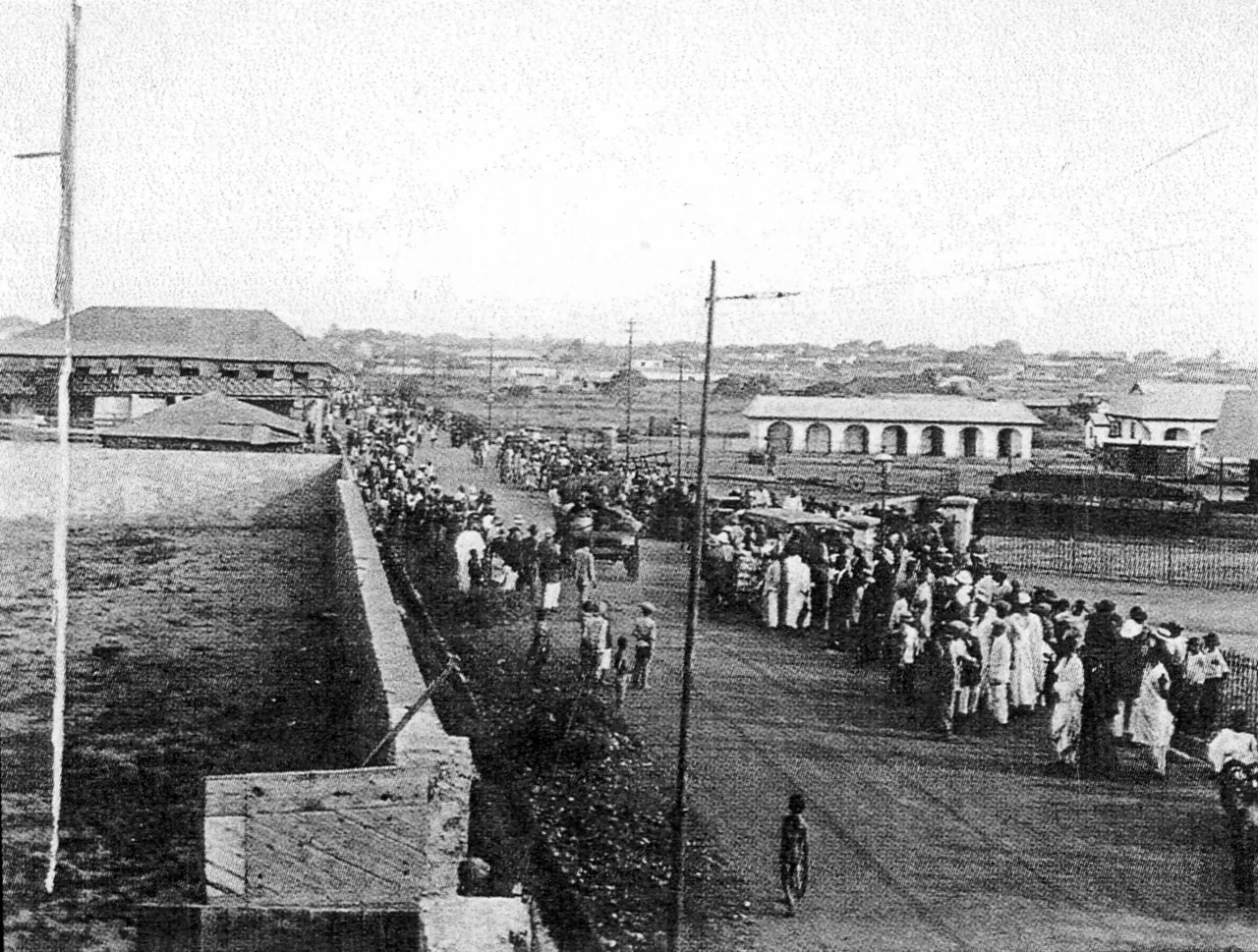
The Ga people are the original inhabitants of Accra, having settled the coastal plains centuries ago. Every year, they celebrate the Homowo festival, which commemorates their victory over a historic famine with music, dance, and a special festive food called kpokpoi.
Pick one
Homowo literally translates to 'hooting at hunger' in the Ga language. It commemorates a severe famine that occurred during the Ga people's early history before they settled in Accra. The festival features the sprinkling of 'kpokpoi,' a special festive dish made from steamed corn meal and palm oil.
Photo: Wikimedia Commons, Public domain.
Pick one
Kenkey, specifically Ga kenkey, is a beloved staple made from fermented ground corn. It is traditionally wrapped in dry corn husks before being boiled and is typically served with fried fish and hot pepper sauce. Banku is similar but wrapped differently and often uses cassava.
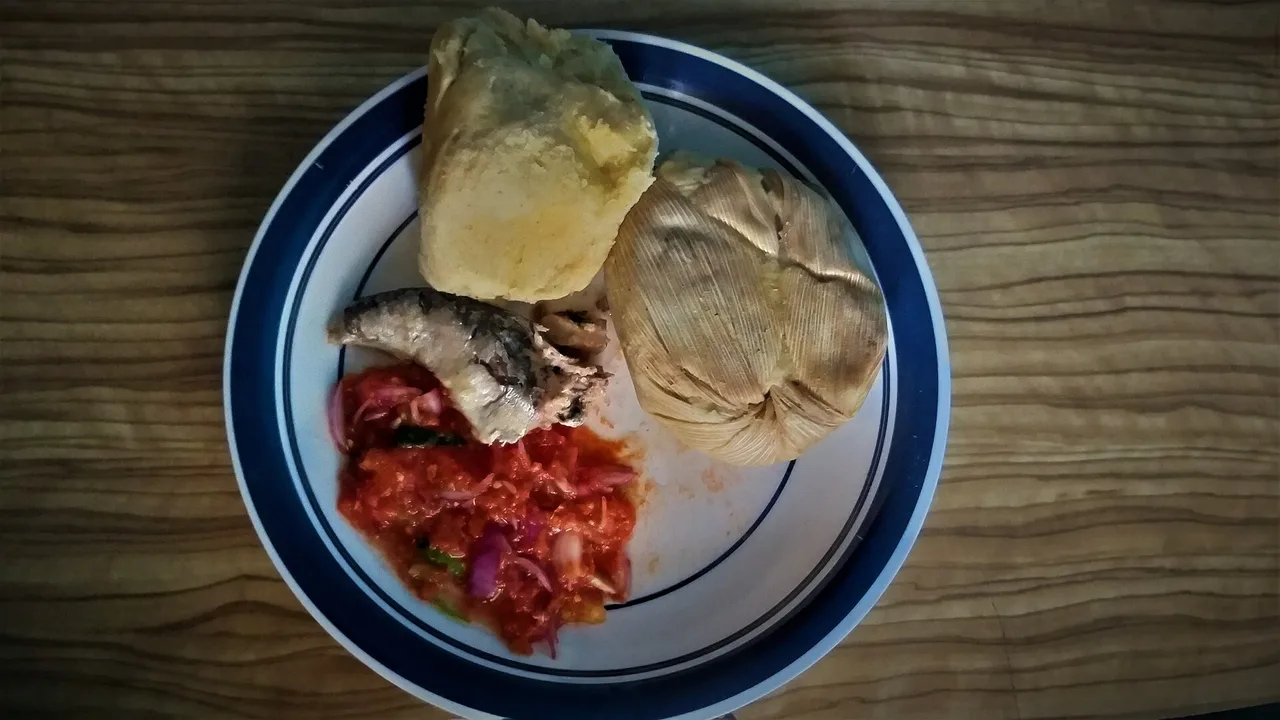
Photo: Mwintirew, Wikimedia Commons, CC BY-SA 4.0.
Pick one
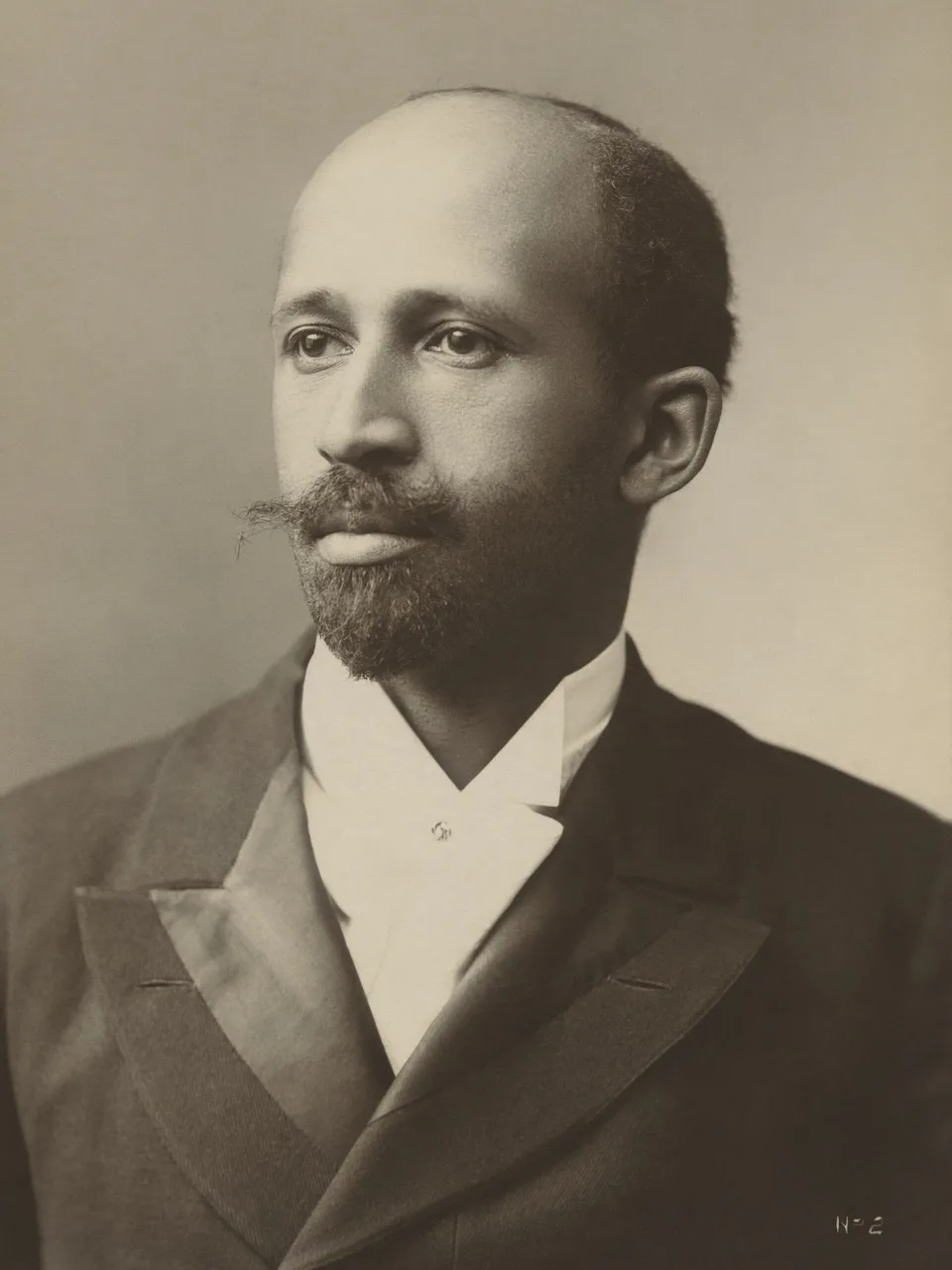
W. E. B. Du Bois moved to Ghana in 1961 at the invitation of President Kwame Nkrumah to work on the Encyclopedia Africana. He became a Ghanaian citizen before his death in 1963. Today, his former home in Accra is a museum and research center dedicated to his legacy.
Photo: James E. Purdy / Adam Cuerden, Wikimedia Commons, Public domain.
Pick one
Teshie is the heart of Ghana's fantasy coffin industry, popularized by pioneer Seth Kane Kwei. These functional coffins are sculpted to resemble cars, fish, vegetables, or tools, celebrating the deceased's profession or passion. They are now considered major works of contemporary African art.
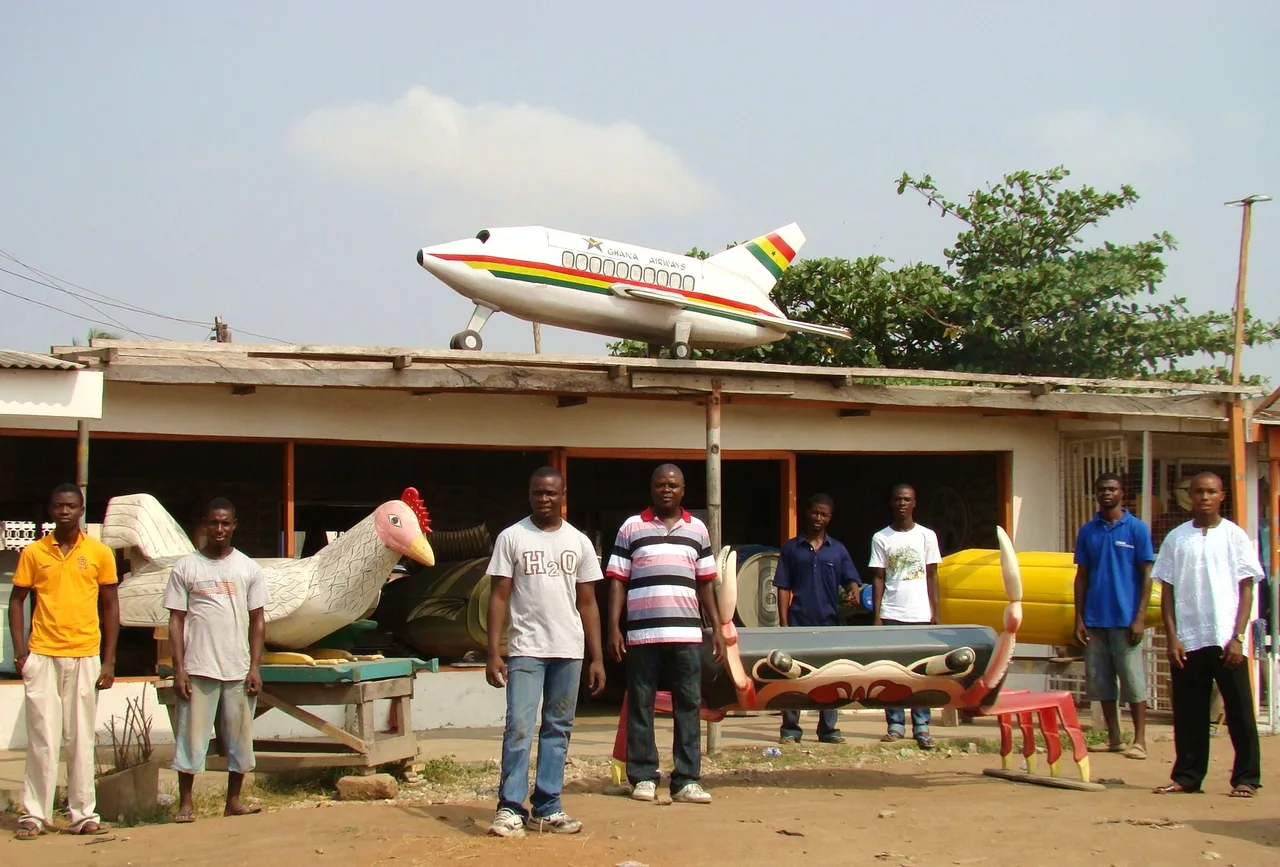
Photo: Jean-Michel Rousset, Wikimedia Commons, CC BY-SA 3.0.
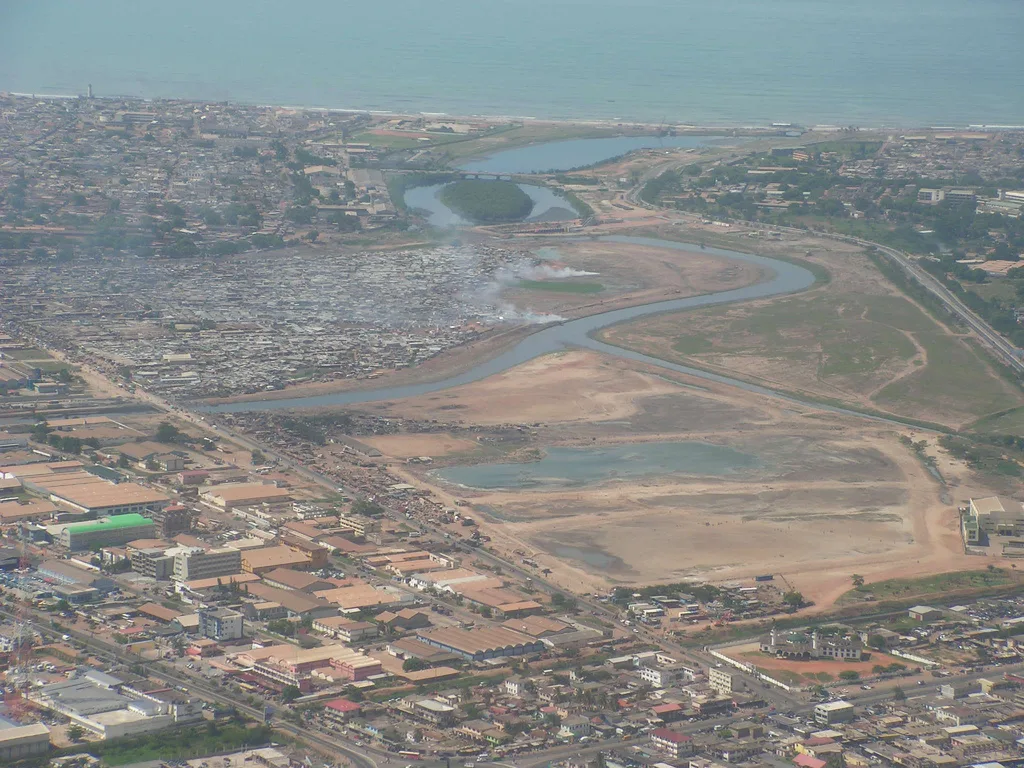
Pick one
Jamestown is bordered on the west by the Korle Lagoon, which plays a major role in the city's traditional ecology and spiritual life. Historically, the Ga people regarded the lagoon as sacred. Today, efforts are underway to restore its ecological health after decades of urban pollution.
Photo: finnish eye, Wikimedia Commons, CC BY-SA 2.0.
Pick one
The British built the first lighthouse in Jamestown in 1871 to assist vessels navigating the Gulf of Guinea. The current 28-meter tower was completed in the 1930s. Interestingly, Jamestown is one of the oldest districts in Accra, heavily influenced by British colonial architecture, and it hosts the vibrant Chale Wote Street Art Festival every year.
Pick one
Kwame Nkrumah, Ghana's first president, ordered the construction of Independence Square to honor the nation's independence in 1957. This huge parade ground can hold around 30,000 people. The site features the famous Independence Arch and the Black Star Gate, symbolizing African freedom.


Paste the code into your page. The player fits itself in, and every vote counts in Votur.
On WordPress, Ghost or Squarespace? Just paste the link of this page into your post.
This is how it looks
Also fun