Get app
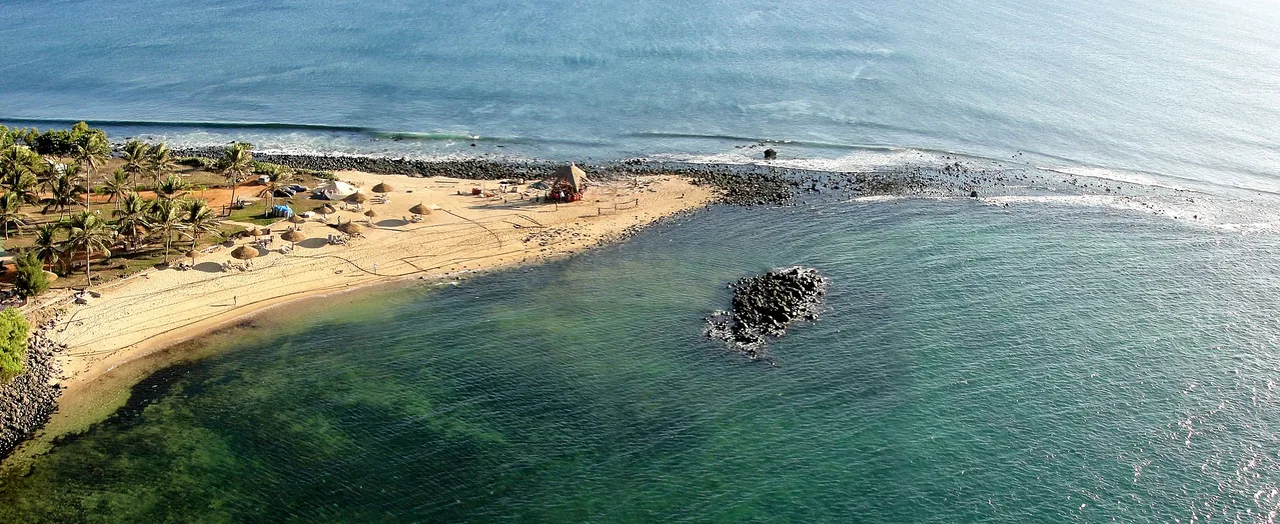
 Photo: 毛貓大少爺, Wikimedia Commons, CC BY-SA 2.0.
How well do you know Taipei? Test your knowledge on the vibrant capital of Taiwan, from its towering skyscrapers and historic markets to its volcanic peaks and rich culinary traditions.
Night Market Rookie 0–4 · Metro Navigator 5–8 · Honorary Taipei Local 9–10
Pick one

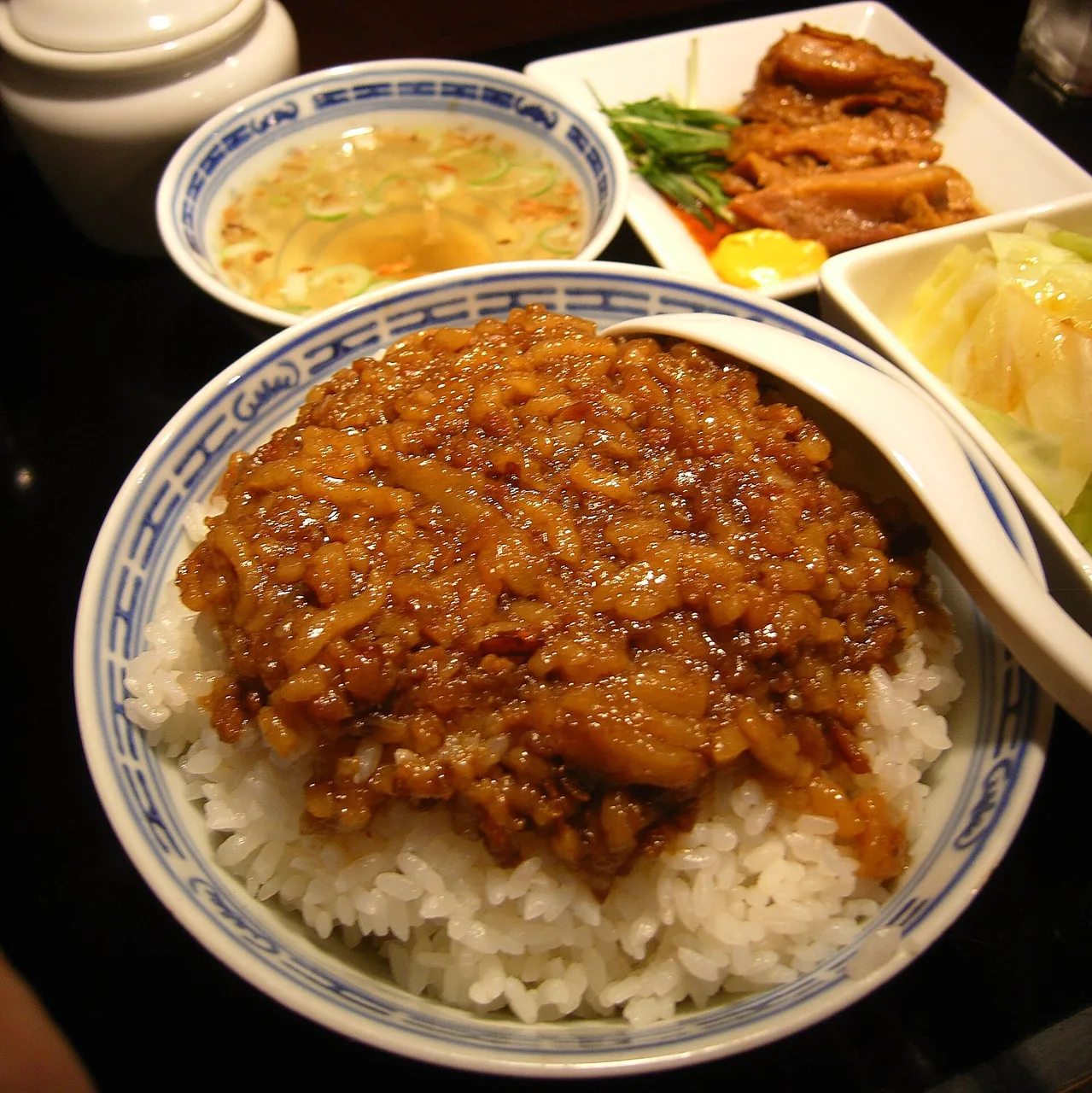
Lu Rou Fan is fatty pork belly, chopped small and slowly braised in soy sauce with spices, spooned over a bowl of warm rice. Its name simply means 'braised meat rice', and the rich, dark sauce is so loved in Taiwan that it also goes on noodles, vegetables and soup.
Photo: Jzest, Wikimedia Commons, CC BY-SA 2.5.
Pick one
Launched in 2002, the EasyCard changed daily life in Taipei. It started out on the metro and buses, but today you can also pay with it in supermarkets, on YouBike rental bikes and at vending machines. The Octopus Card is the one people use in Hong Kong.
Pick one
Gua bao is a beloved Taiwanese street food consisting of a steamed, clam-shaped flat bun stuffed with tender, slow-braised pork belly. It is traditionally garnished with pickled mustard greens, fresh cilantro, and a sweet dusting of powdered peanuts. Because the folded bun resembles a tiger's mouth biting a piece of meat, locals also call this delicious snack 'tiger bites pig'.
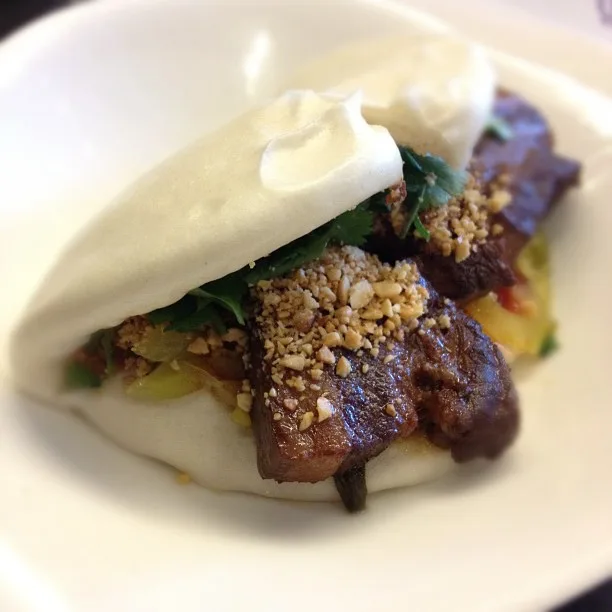
Photo: LeoAlmighty, Wikimedia Commons, CC BY 2.0.
Pick one
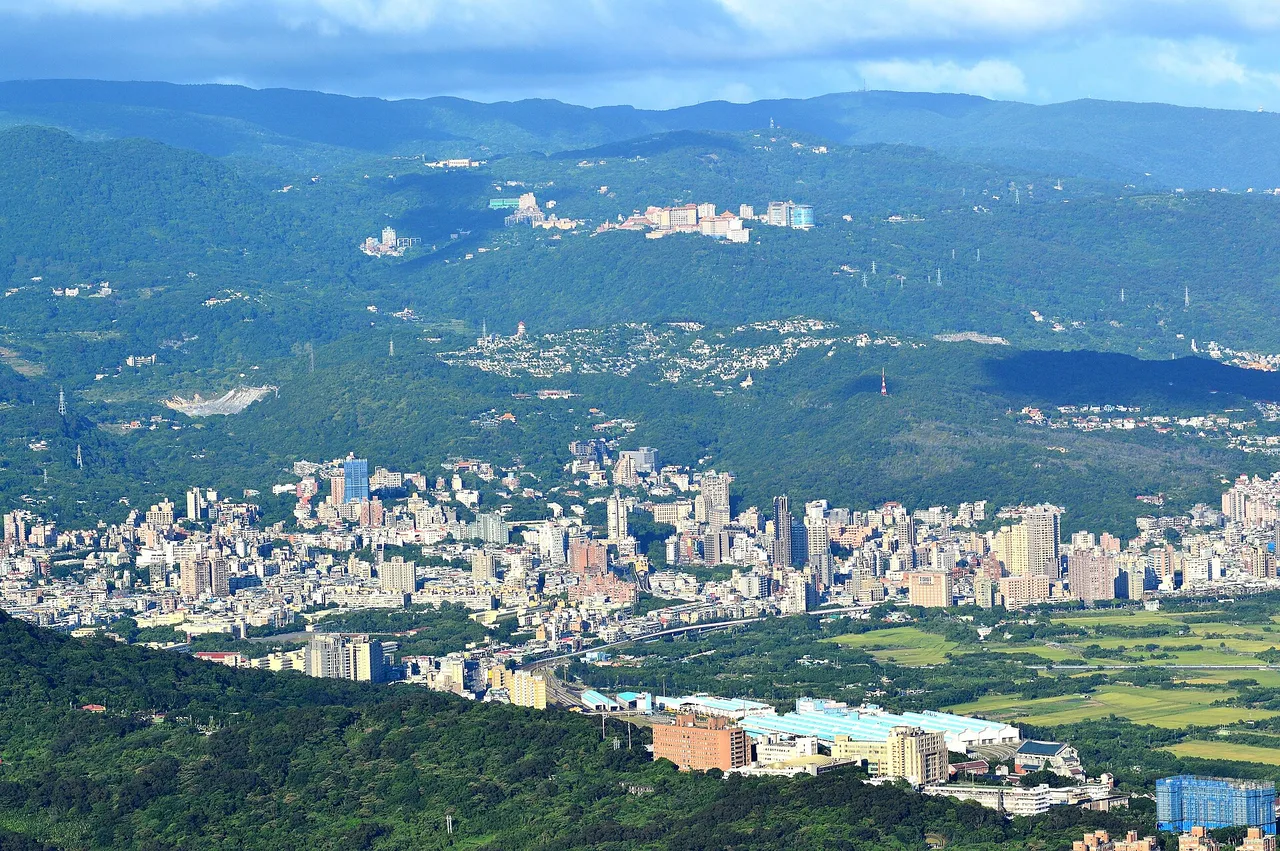
During the Japanese colonial period in the late 19th and early 20th centuries, Beitou was developed into a spa destination. The Japanese built the first public bathhouses here, introducing a bathing culture that remains a deeply ingrained part of Taipei life today.
Photo: Taiwankengo, Wikimedia Commons, CC BY-SA 3.0.
Pick one
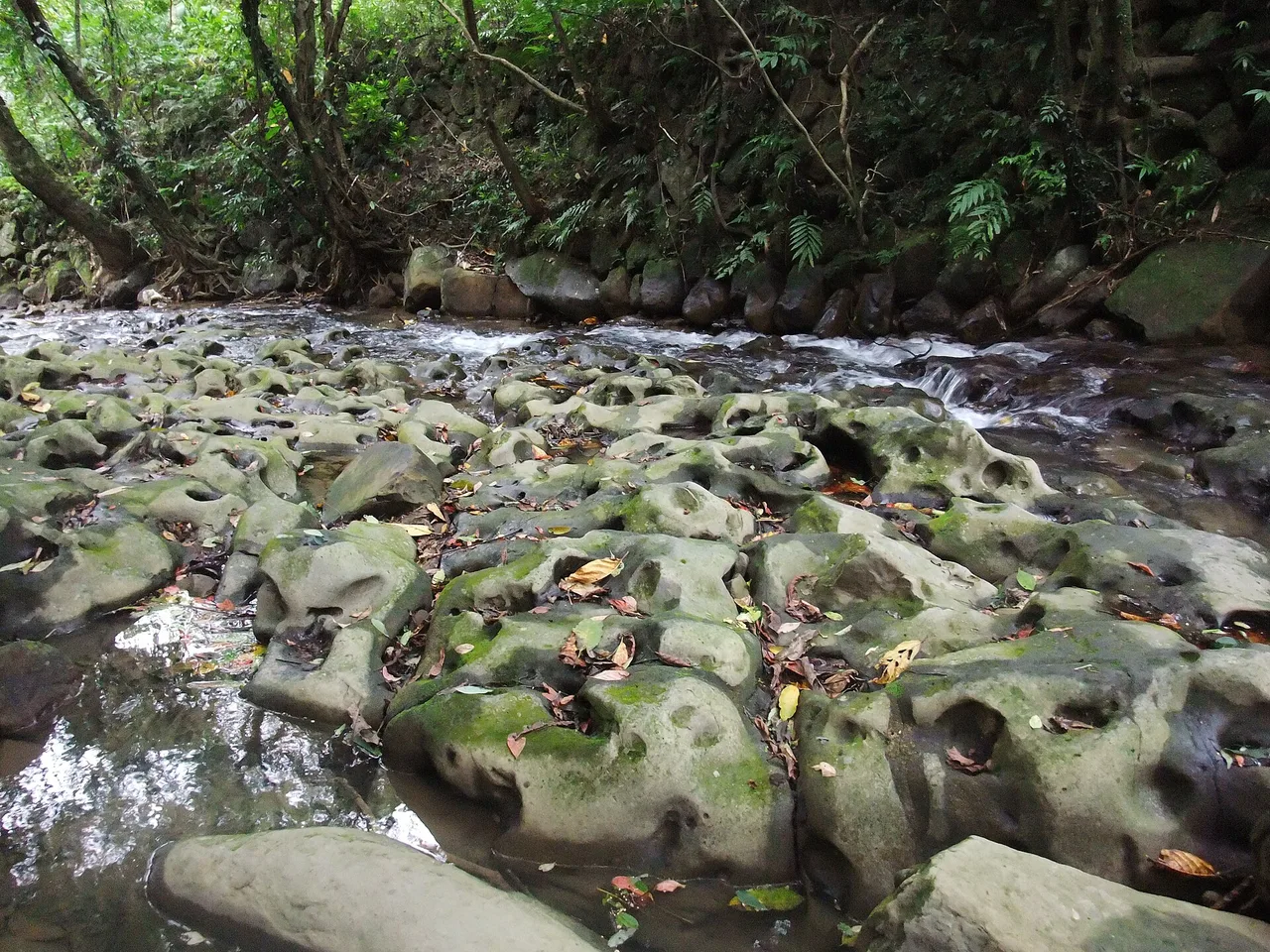
Maokong is a peaceful sanctuary famous for its terraced tea plantations, particularly known for robust Tieguanyin (Iron Goddess) tea. The area is packed with traditional teahouses that stay open late, offering stunning nighttime views of the Taipei skyline below.
Photo: Outlookxp, Wikimedia Commons, CC BY-SA 3.0.
Pick one
The museum holds over 690,000 pieces of ancient Chinese imperial art and artifacts. These treasures were evacuated from the Forbidden City during the Chinese Civil War to protect them from conflict, eventually finding a permanent and highly secure home in Taipei.
Pick one
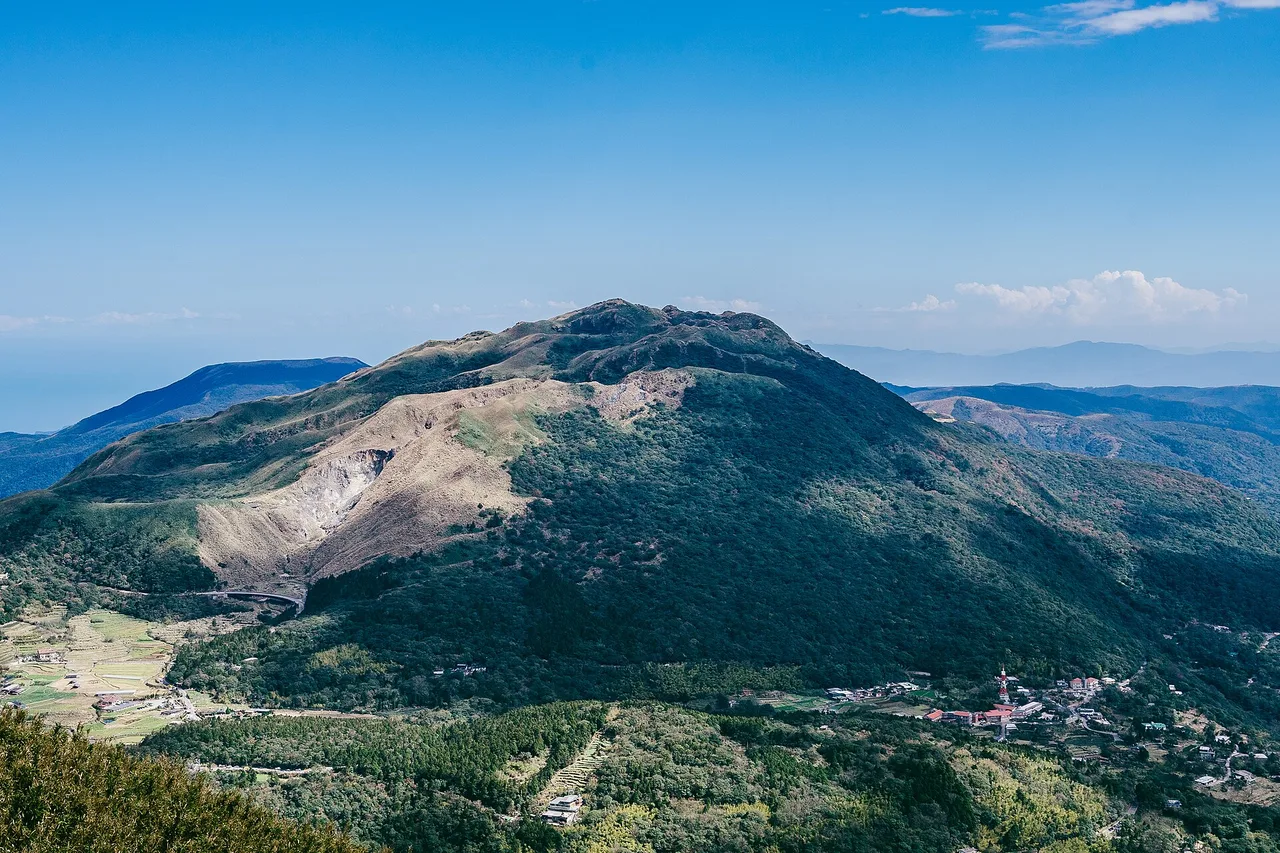
Yangmingshan sits on a dormant volcanic group, making it a hotspot for geothermal activity. Visitors can witness steam venting directly from the earth at Xiaoyoukeng and enjoy numerous natural thermal baths scattered throughout the lush mountain valleys.
Photo: Wei-Te Wong, Wikimedia Commons, CC BY-SA 2.0.
Pick one
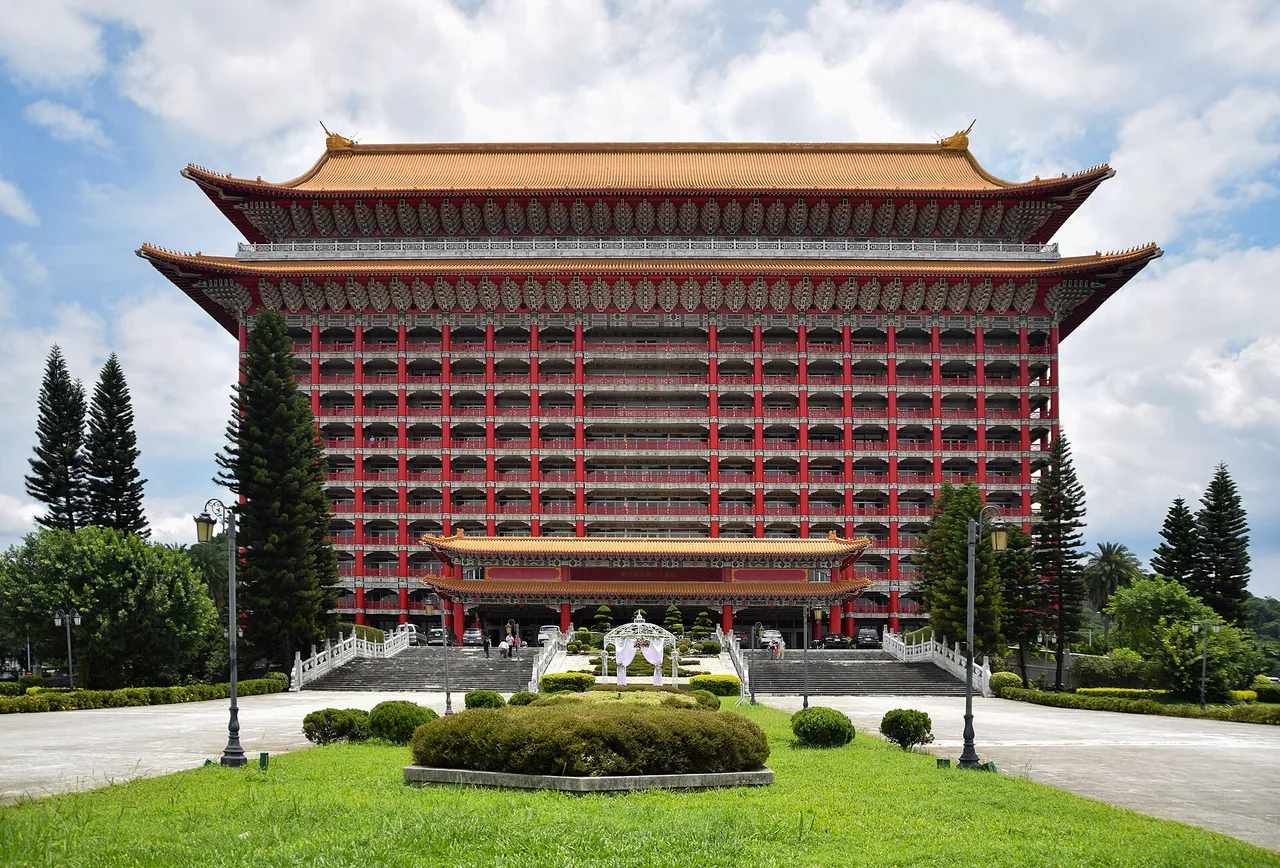
Built in the 1970s, these secret tunnels were designed as escape routes for President Chiang Kai-shek and foreign dignitaries. The western tunnel famously features a 20-meter-long spiral slide, allowing for a rapid, fun, and safe descent to the park below.
Photo: Photographer: Mosbatho, Wikimedia Commons, CC BY 4.0.
Pick one
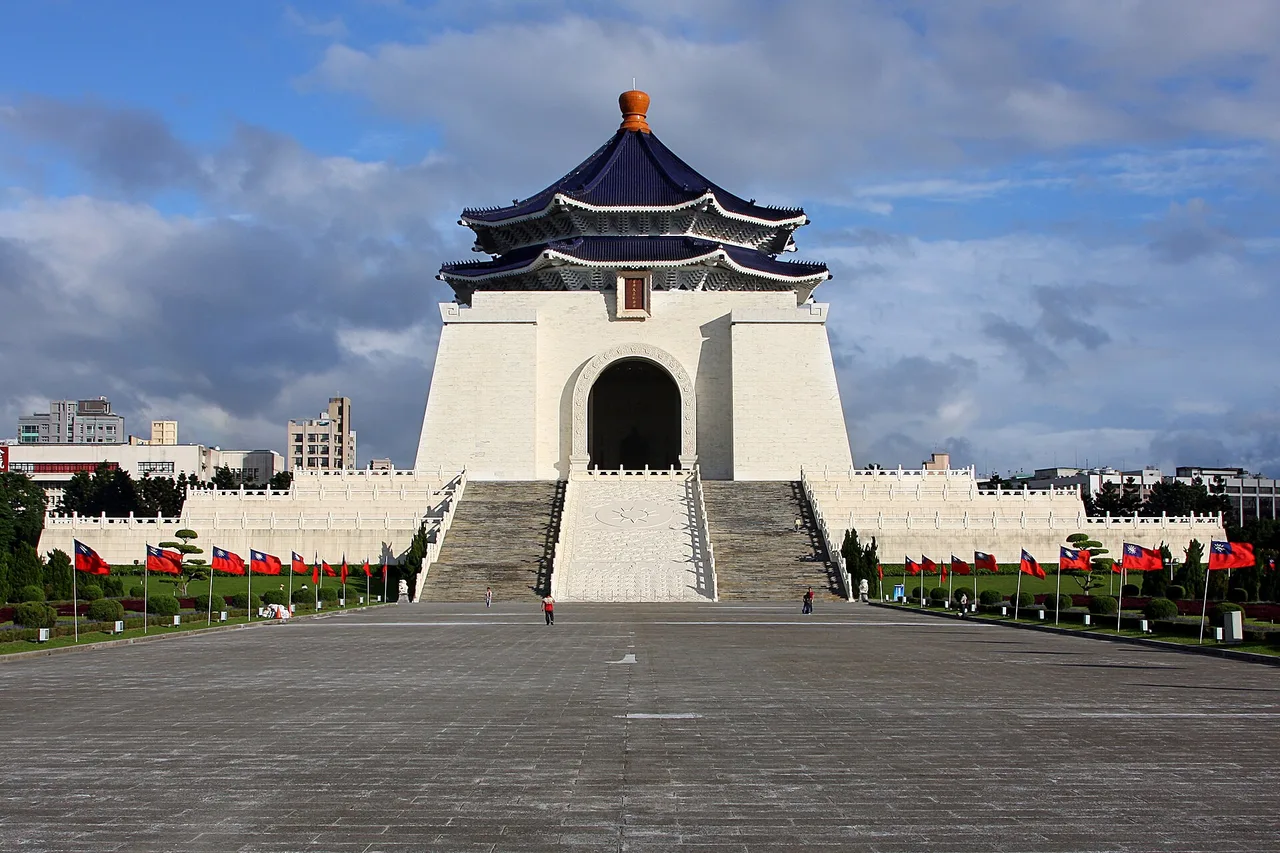
The 89 steps represent the age of Chiang Kai-shek, the former president of the Republic of China, at the time of his death in 1975. The grand monument is framed by a massive plaza that has historically been the focal point of Taiwan's democratic transition and public gatherings.
Photo: AngMoKio, Wikimedia Commons, CC BY-SA 3.0.
Pick one
Xiangshan means Elephant Mountain, a name said to come from the shape of the hill. It is one of Taipei's 'Four Beasts' hills, together with Tiger, Leopard and Lion Mountain, and its short, steep trail leads to big boulders with one of the best views of Taipei 101.


Paste the code into your page. The player fits itself in, and every vote counts in Votur.
On WordPress, Ghost or Squarespace? Just paste the link of this page into your post.
This is how it looks
Also fun