Get app
Embark on a colorful journey across South America. Test your knowledge of its dramatic landscapes, rich cultural traditions, and historic wonders from every corner of the continent.
Compass Seeker 0–4 · Seasoned Explorer 5–8 · Master Navigator 9–10
Pick one

The ancient Nazca Lines include massive geoglyphs of plants and animals, with the hummingbird being one of the most recognizable. These designs were made by removing reddish pebbles to reveal the light-colored clay underneath. Amazingly, the dry, windless desert climate has kept them intact for over 1,500 years.
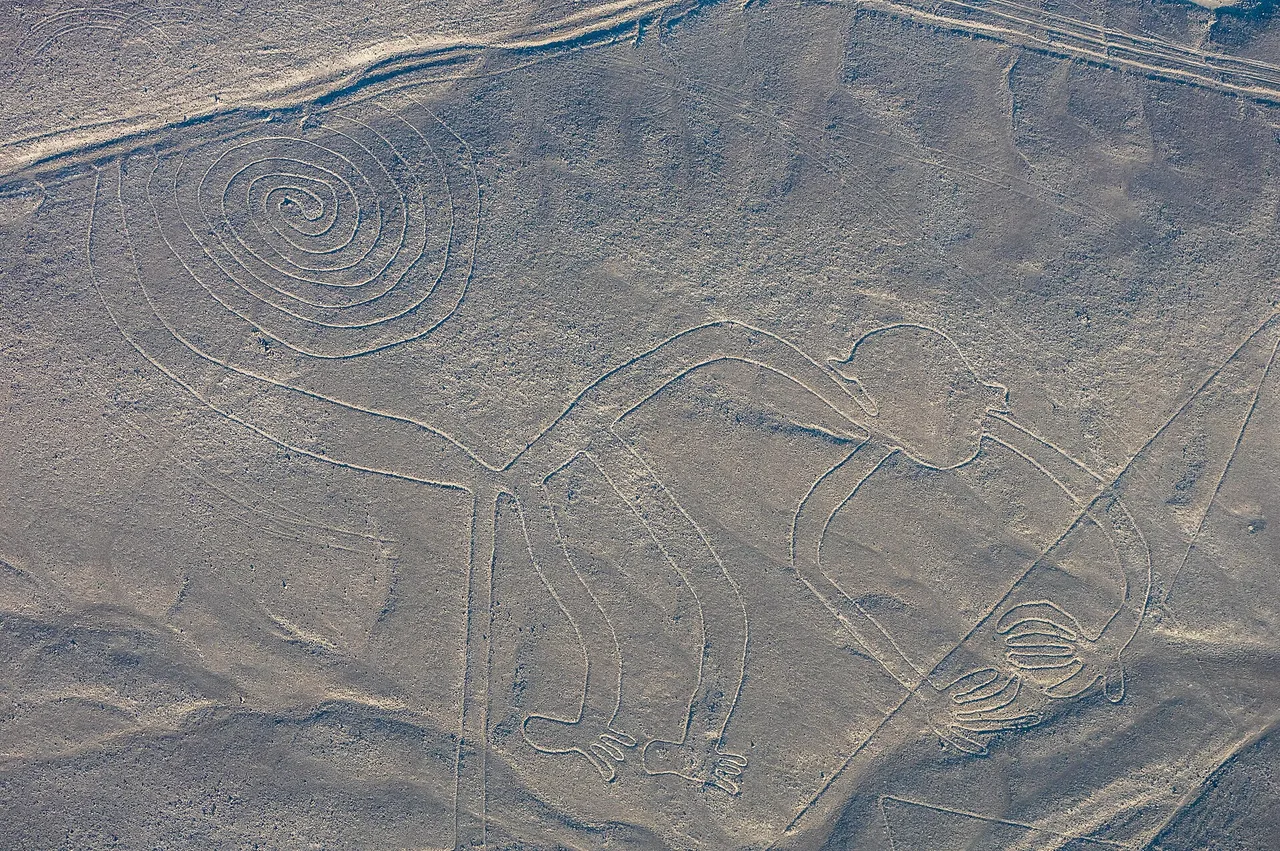
Photo: Sevenveils (Jed Holtzman), Wikimedia Commons, CC BY-SA 3.0.
Pick one
Cotopaxi is one of the highest active volcanoes on Earth, rising majestically in the Andes. Its symmetrical snow-capped cone makes it a famous landscape icon. Interestingly, Cotopaxi has erupted more than fifty times since the 18th century, occasionally producing fast-moving mudflows called lahars.
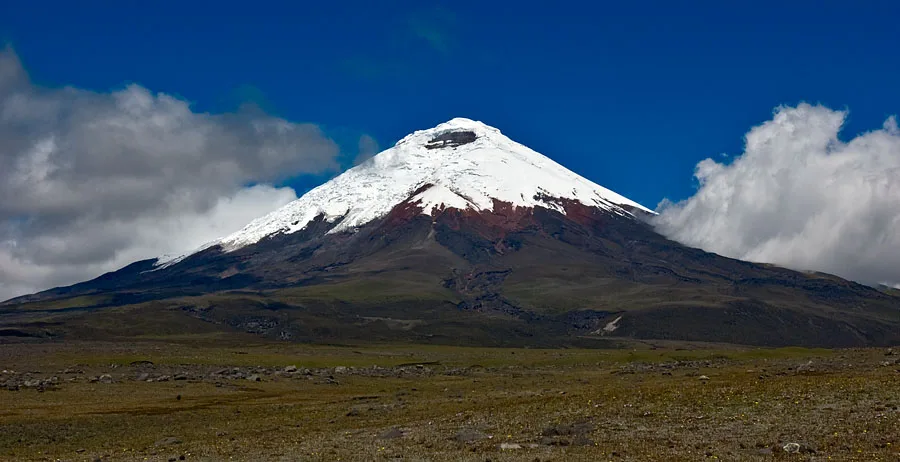
Photo: Gerard Prins, Wikimedia Commons, CC BY-SA 3.0.
Pick one
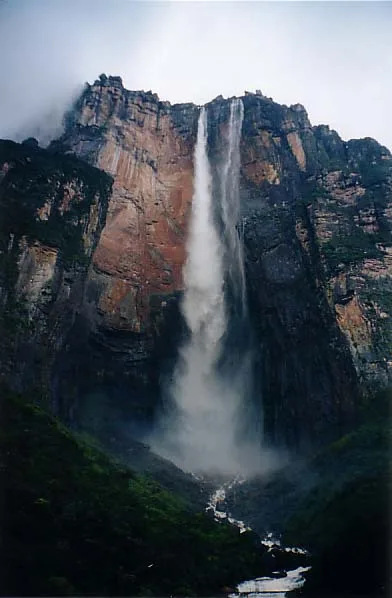
Angel Falls drops a staggering 979 meters from the Auyán-tepui plateau in Venezuela. It is named after Jimmie Angel, an American aviator who was the first person to fly a plane over the falls in 1933.
Photo: Rich Childs, Wikimedia Commons, CC BY 2.0.
Pick one
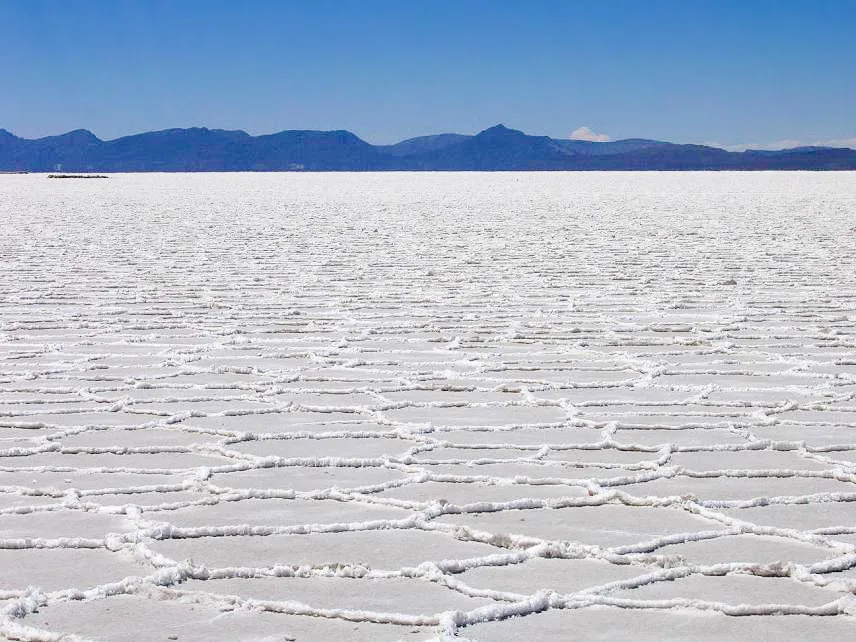
The stunning Salar de Uyuni is the world's largest salt flat, and beneath its white crust lies one of the largest lithium deposits on Earth. When a thin layer of water gathers on the surface during the wet season, the entire flat transforms into a giant, flawless mirror reflecting the sky.
Photo: Anouchka Unel, Wikimedia Commons, FAL.
Pick one
Capoeira was created by enslaved Africans in Brazil during the 16th century as a way to practice self-defense disguised as a dance. It is accompanied by traditional instruments like the berimbau. In 2014, UNESCO granted Capoeira special protected status as part of humanity's intangible cultural heritage.
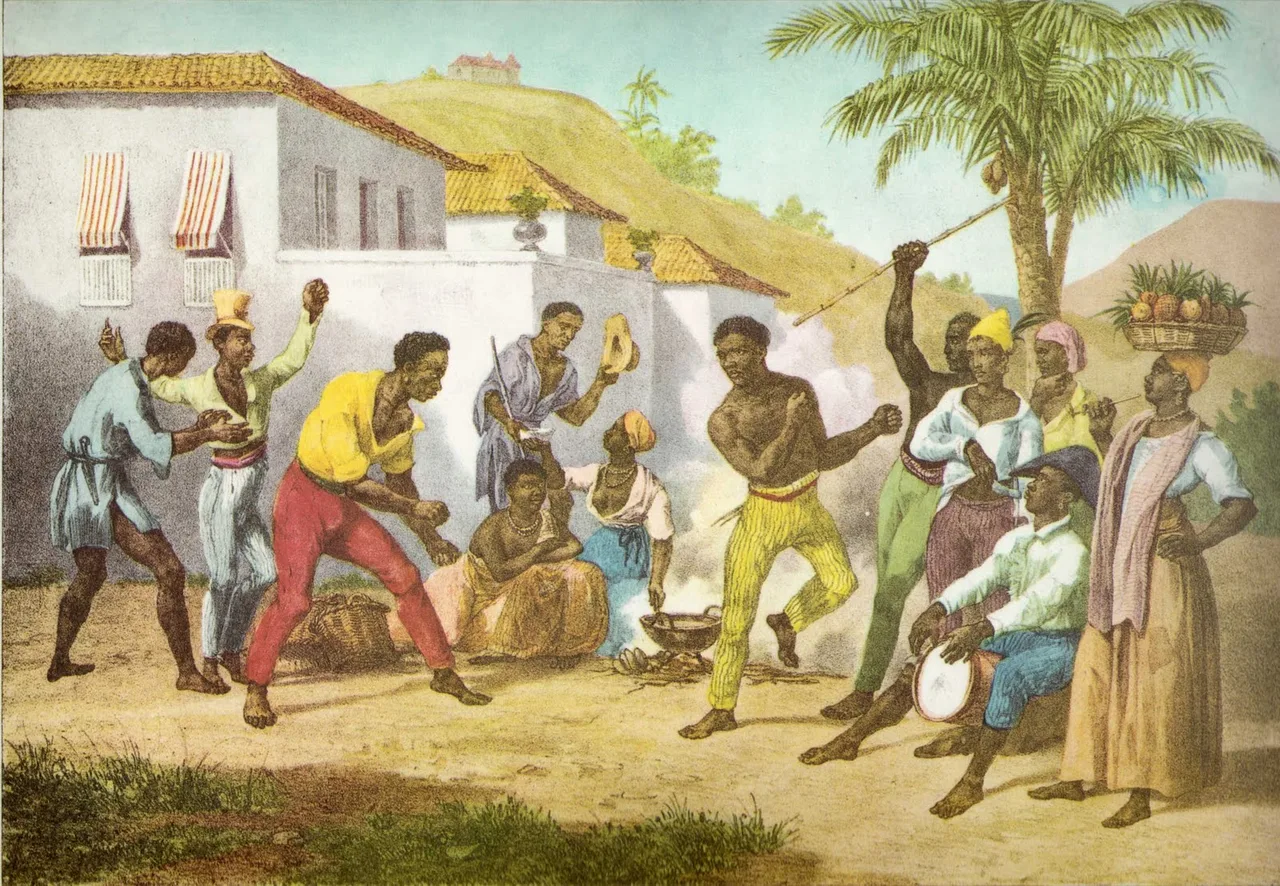
Photo: Johann Moritz Rugendas, Wikimedia Commons, Public domain.
Pick one
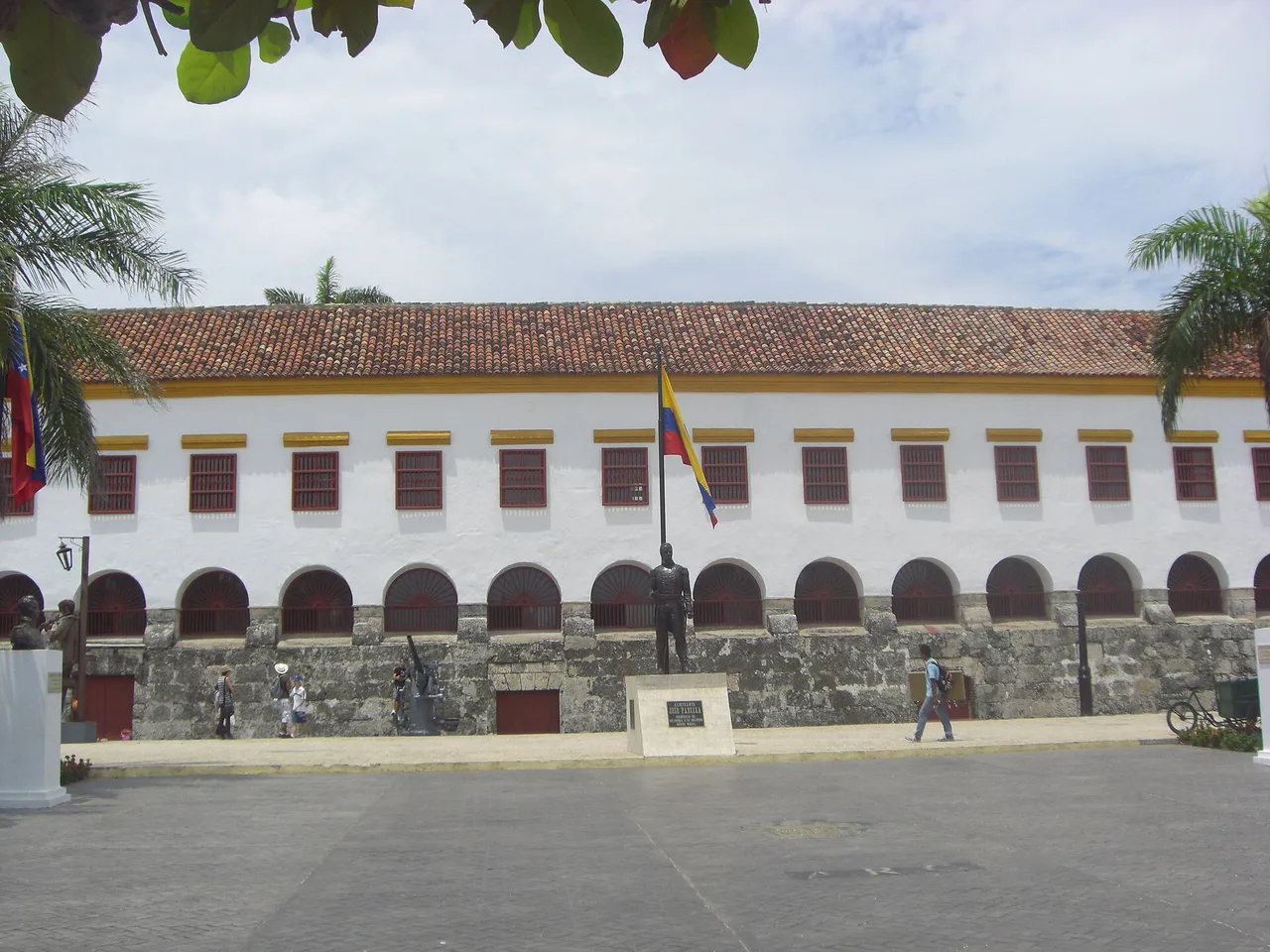
Cartagena's historic port and fortress complex are UNESCO World Heritage sites. The massive stone walls, built to protect against pirate attacks, took over two centuries to fully complete and still stand today.
Photo: Sgonzalezb, Wikimedia Commons, CC BY-SA 3.0.
Pick one
Often called the Liquid Rainbow, this river gets its brilliant red coloration from a unique aquatic plant called Macarenia clavigera. During the brief transition between wet and dry seasons, this plant clings to the rocks and blooms in vibrant shades of pink and crimson, creating a surreal underwater garden.
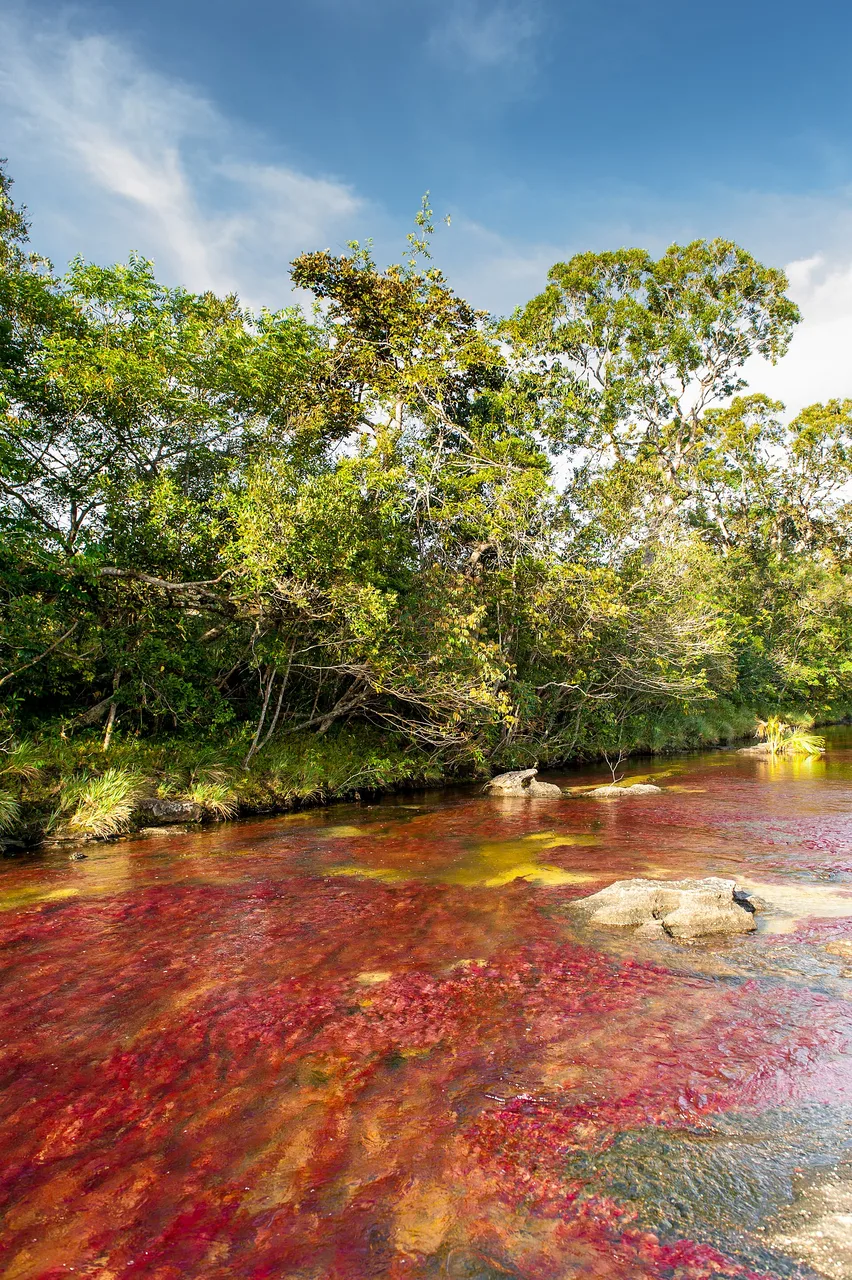
Photo: Astromario, Wikimedia Commons, CC BY-SA 3.0.
Pick one
This extraordinary atmospheric show happens over the Catatumbo River where it meets Lake Maracaibo. For up to 160 nights a year, silent, brilliant lightning flashes continuously for hours. Curiously, this natural light show is so regular and bright that historical sailors used it as a natural lighthouse for navigation.
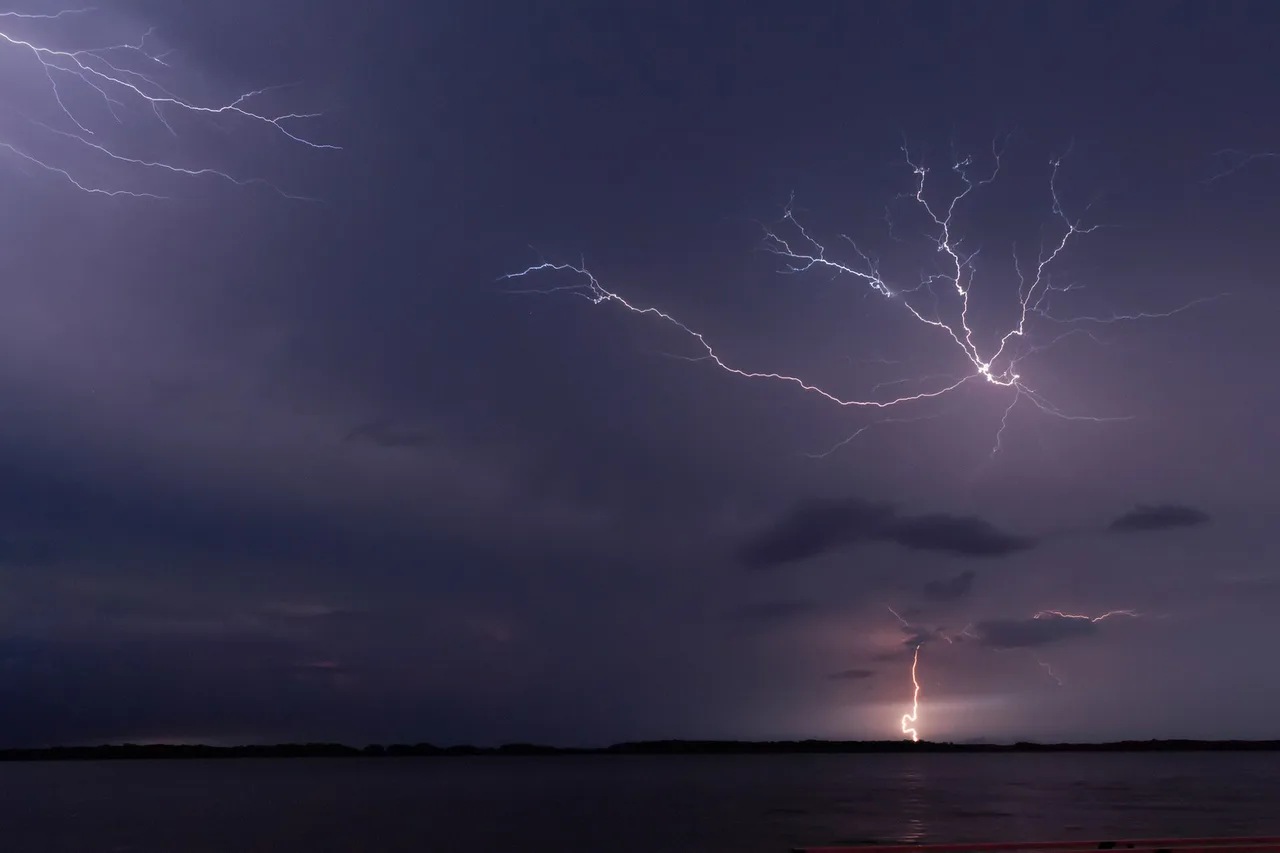
Photo: Fernando Flores, Wikimedia Commons, CC BY-SA 3.0.

Pick one
Candombe is a vibrant drum-based music and dance style brought to Uruguay by enslaved Africans in the 18th century. It is played using three distinct hand-carved wooden drums called chico, repique, and piano. Every weekend, neighborhood groups gather in Montevideo for lively street rehearsals.
Photo: Pedro Figari (1861-1938), Wikimedia Commons, Public domain.
Pick one
The song was inspired by Helô Pinheiro, a teenager who walked past the Veloso bar near Ipanema Beach daily. This classic tune became a global sensation, second only to the Beatles' Yesterday in recorded covers.
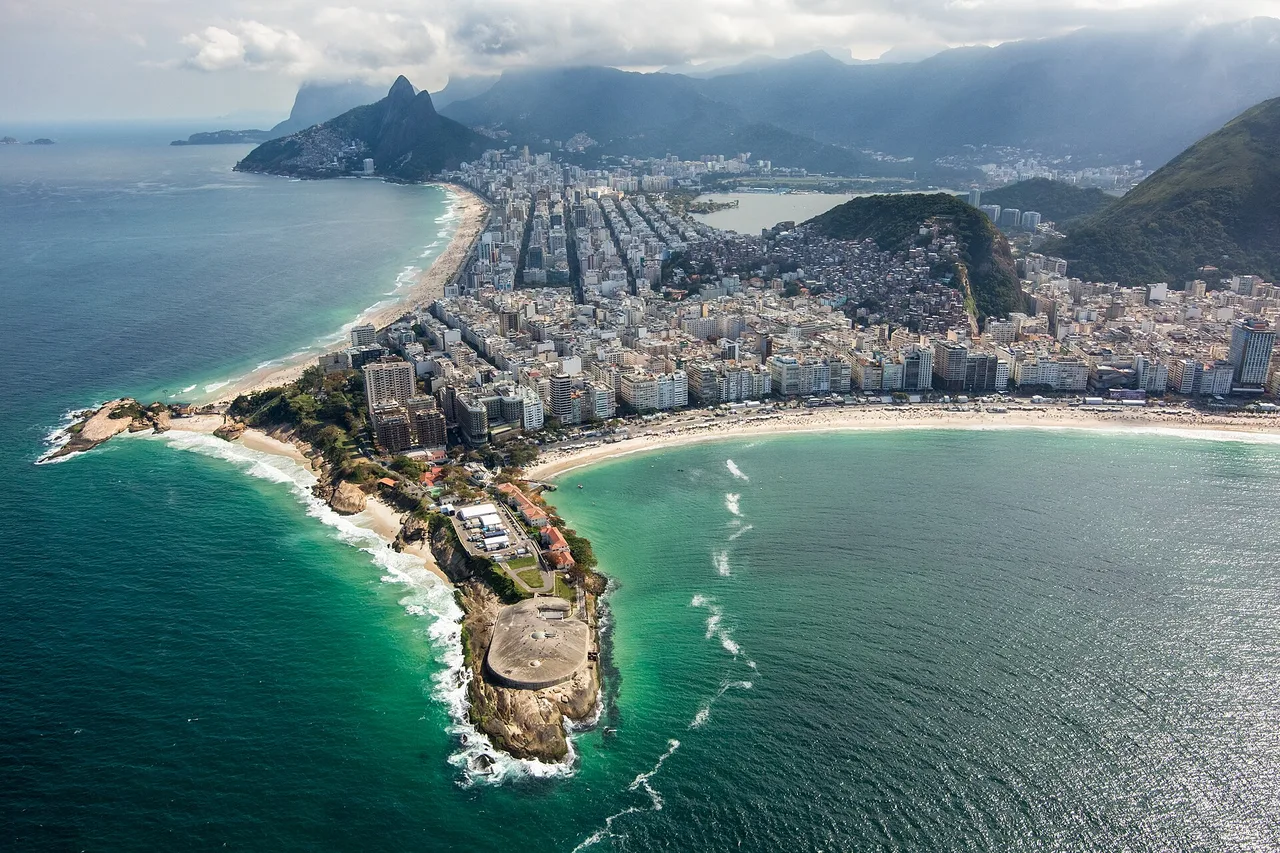
Photo: Mteixeira62, Wikimedia Commons, CC BY-SA 3.0.


Paste the code into your page. The player fits itself in, and every vote counts in Votur.
On WordPress, Ghost or Squarespace? Just paste the link of this page into your post.
This is how it looks
Also fun