Get app
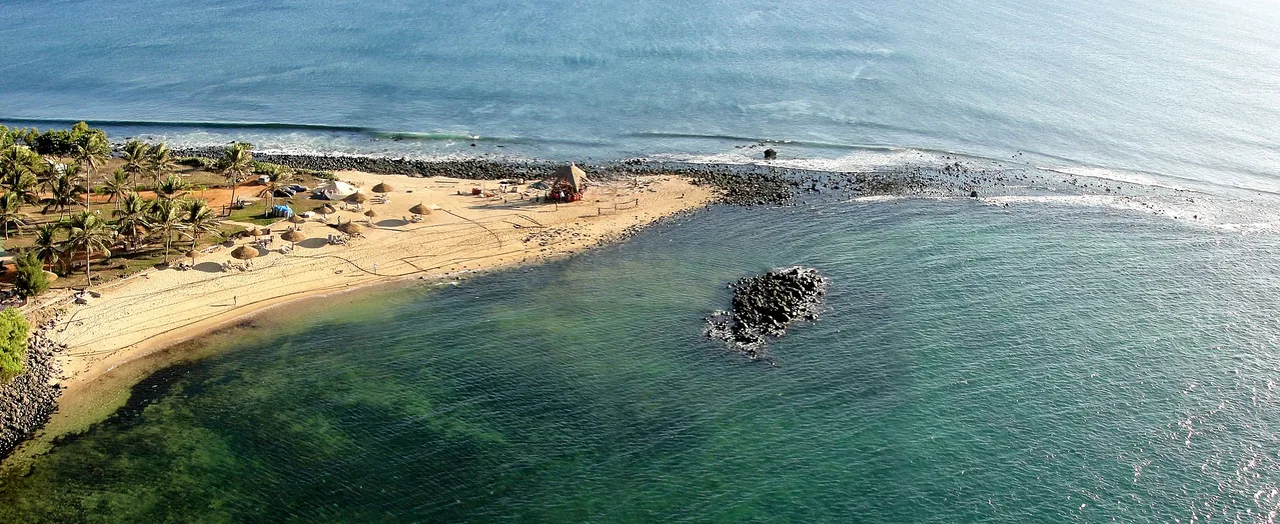
 Photo: Wikimedia Commons, Public domain.
How well do you know the 'Helen of the West Indies'? Test your knowledge on the stunning geography, rich history, and vibrant culture of this beautiful Caribbean island nation!
Island Dreamer 0–4 · Piton Explorer 5–8 · True Saint Lucian 9–10
Pick one

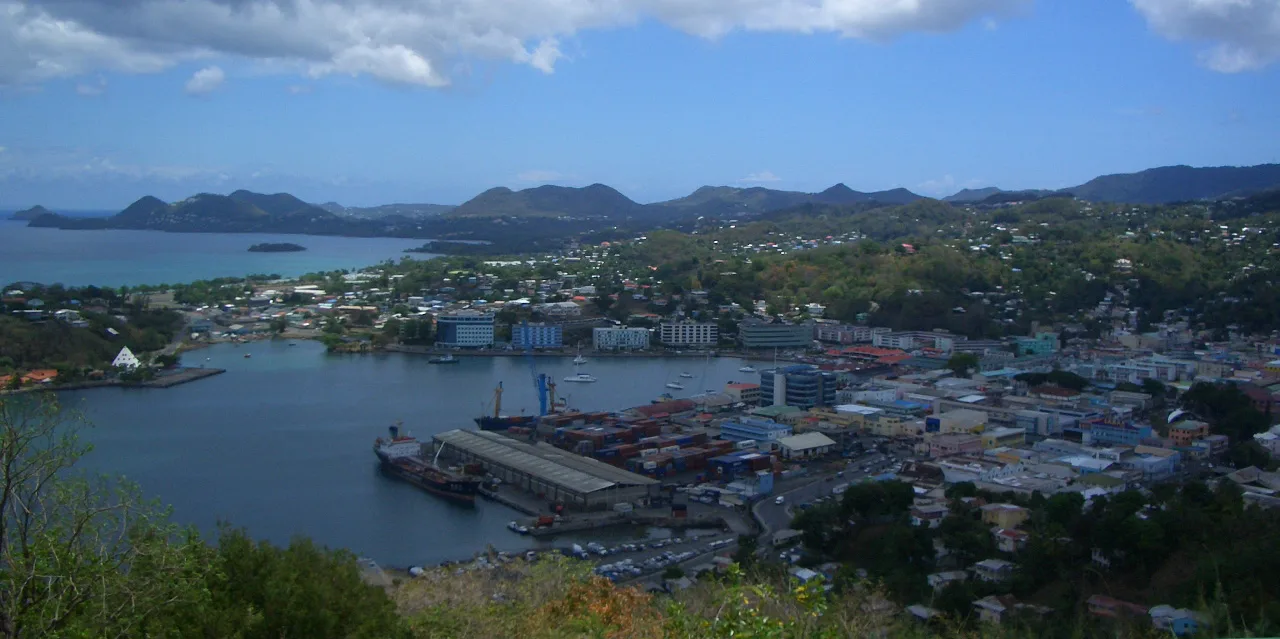
Castries is the capital city, founded by the French in 1650 as Carénage and renamed in 1756 after Charles Eugène de La Croix, Marquis de Castries. The city has suffered several devastating fires throughout its history, which led to modern rebuilding. Today, its deep-water harbor is a bustling hub for cruise ships and international trade.
Photo: Wikimedia Commons, CC BY-SA 3.0.
Pick one
In Saint Lucia, 'green figs' is actually the local term for unripe green bananas. The national dish features these boiled bananas paired with seasoned, salted codfish, boiled vegetables, and local spices. Bananas have historically been one of the island's most vital agricultural exports, shaping its economy for decades.
Pick one
Sulphur Springs near Soufrière is famous as the world's only 'drive-in' volcano, where visitors can drive right up to the edge of the active geothermal area. While you can no longer walk directly on the steaming vents, you can bathe in the warm, mineral-rich mud baths just downstream, which are highly praised for their skin-healing properties.
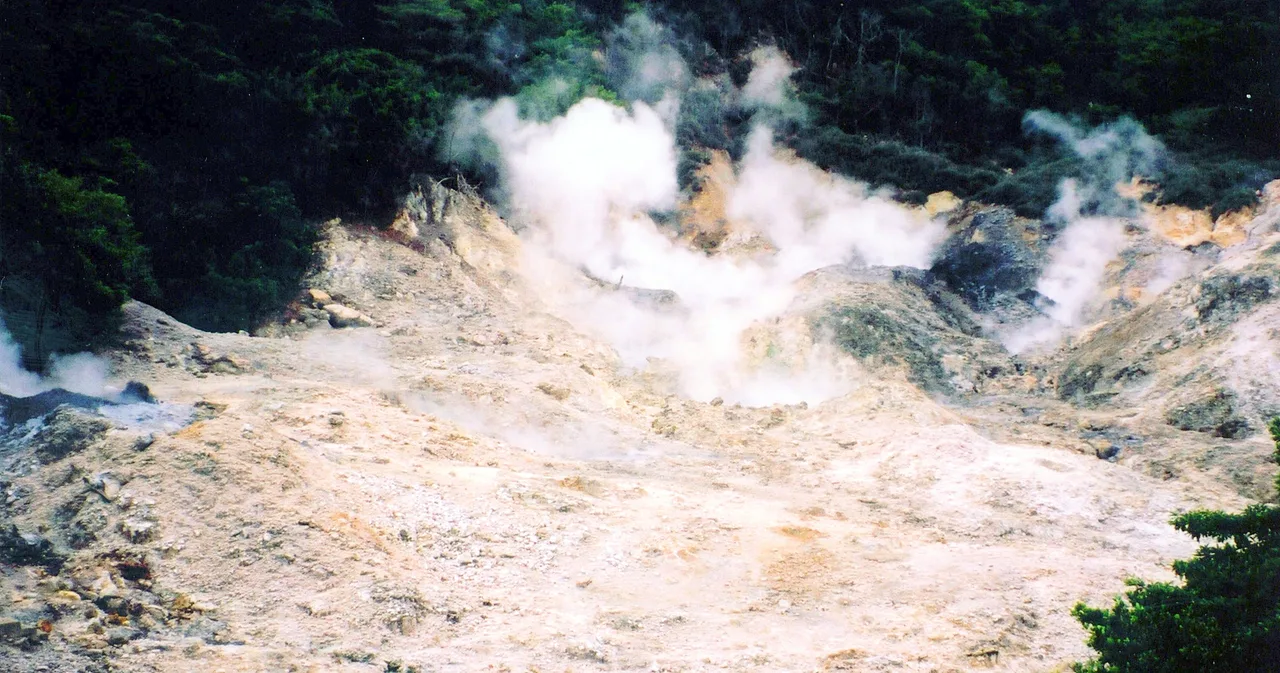
Photo: Mjr74, Wikimedia Commons, Public domain.
Pick one
Gros Piton is the taller peak, rising 798 metres above the sea, while its sibling Petit Piton reaches 743 metres. Both are part of a UNESCO World Heritage Site. Fun twist: although Petit Piton is lower, it is much steeper and harder to climb.
Pick one
Locally known as the Jacquot, this vibrant bird is a species of parrot endemic only to the lush rainforests of Saint Lucia. Once critically endangered due to habitat loss, intense conservation efforts and protective laws successfully rescued the species from the brink of extinction, making it a proud symbol of national preservation.
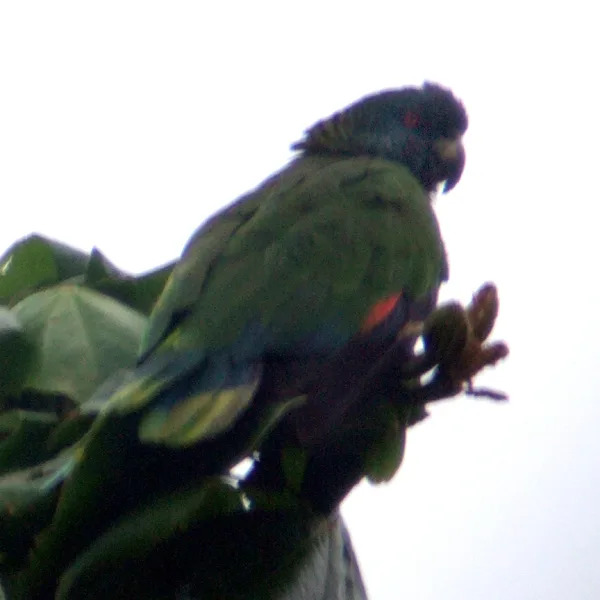
Photo: Brennan Mulrooney, Wikimedia Commons, CC BY 2.0.
Pick one
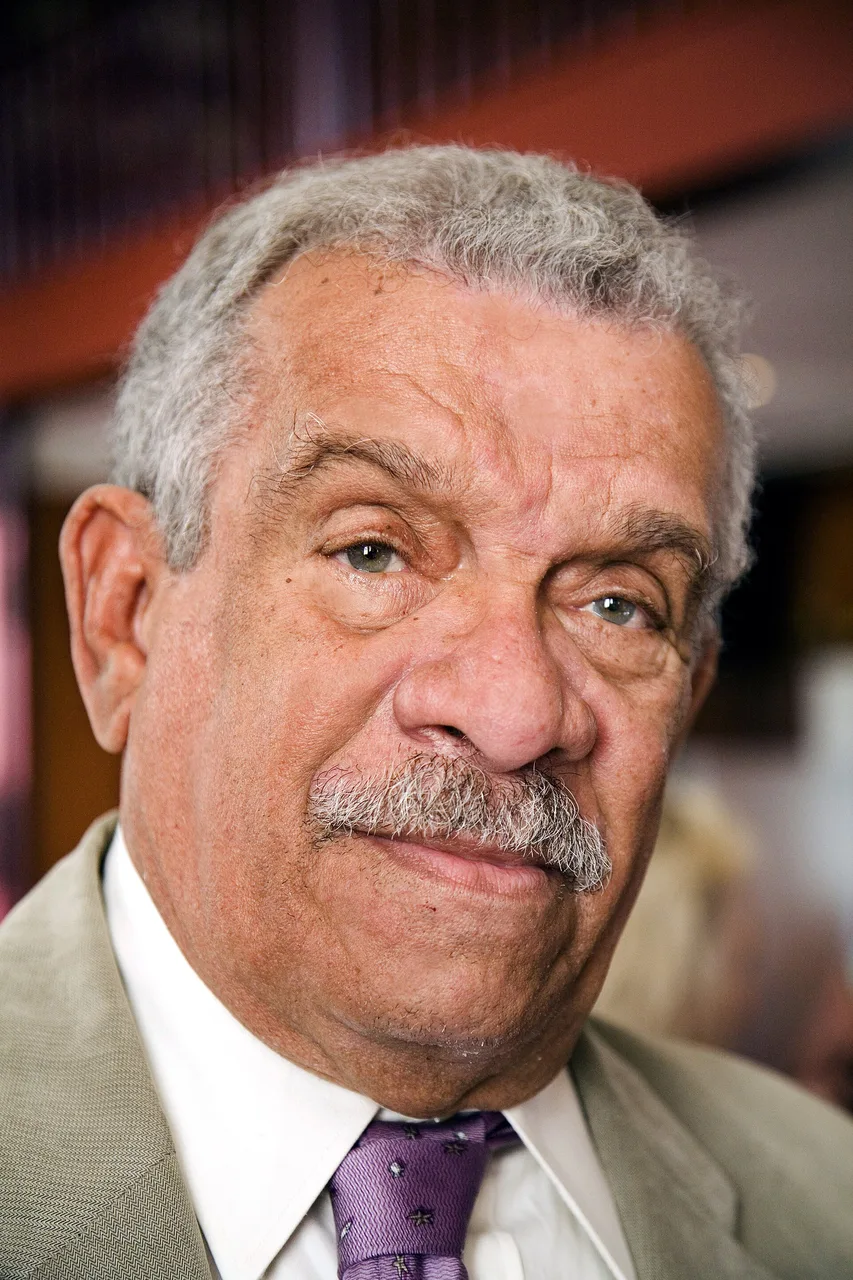
Derek Walcott received the Nobel Prize in Literature in 1992, celebrated for poems such as the epic 'Omeros'. Saint Lucia has one of the highest numbers of Nobel laureates per person in the world: economist Sir Arthur Lewis won in 1979. Amazingly, he and Walcott were born on the same day of the year, 23 January!
Photo: Bert Nienhuis, Wikimedia Commons, CC BY-SA 3.0.
Pick one
Sir Arthur Lewis won the Nobel Memorial Prize in Economic Sciences in 1979 for his groundbreaking work on economic development, particularly concerning developing nations. He was the first Black person to win a Nobel Prize in a category other than Peace. The community college in Saint Lucia is named in his honor.
Pick one
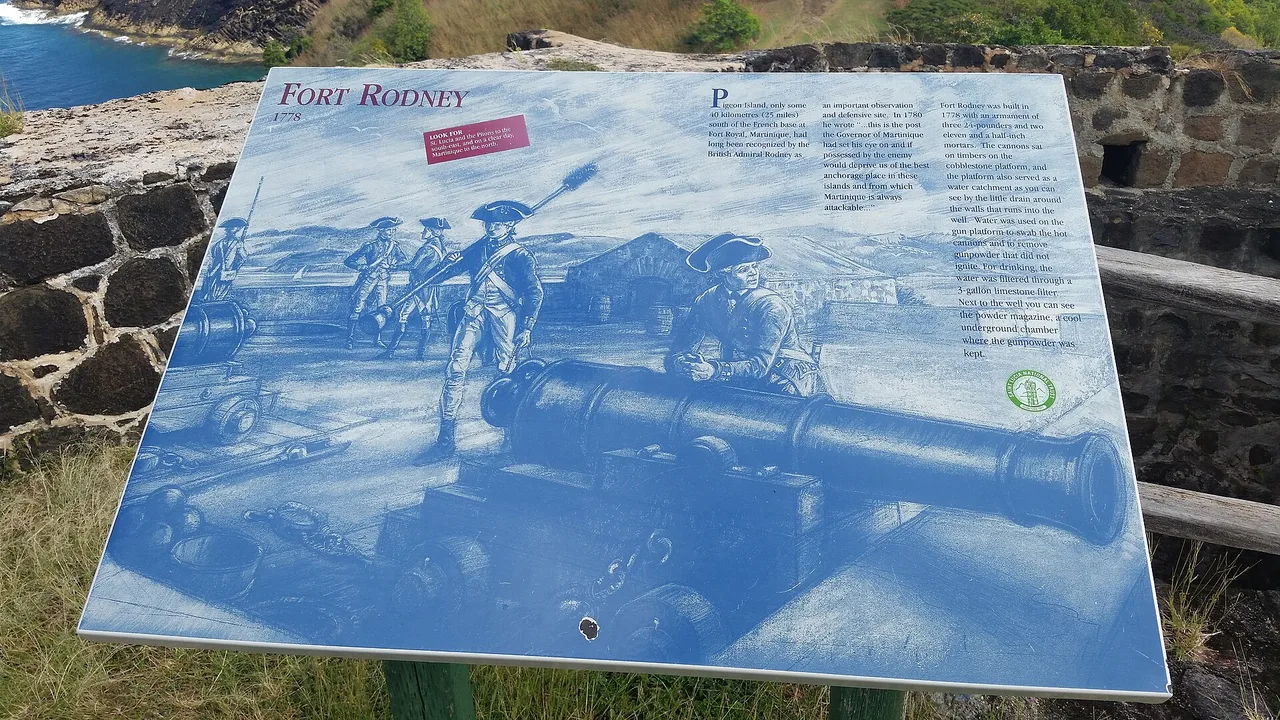
Pigeon Island was a strategic military lookout during the 18th-century struggles between Britain and France. Admiral George Rodney built Fort Rodney there to monitor the French fleet in neighboring Martinique. In 1972, a man-made causeway was built to connect the island to the mainland, turning it into a beautiful national park.
Photo: Pi3.124, Wikimedia Commons, CC BY-SA 4.0.
Pick one
The two historic floral societies of Saint Lucia are La Rose (the Rose) and La Marguerite (the Marguerite daisy). Each society hosts its own grand annual festival with elaborate costumes, singing, and dancing, representing a friendly cultural rivalry that dates back to the colonial era.
Pick one
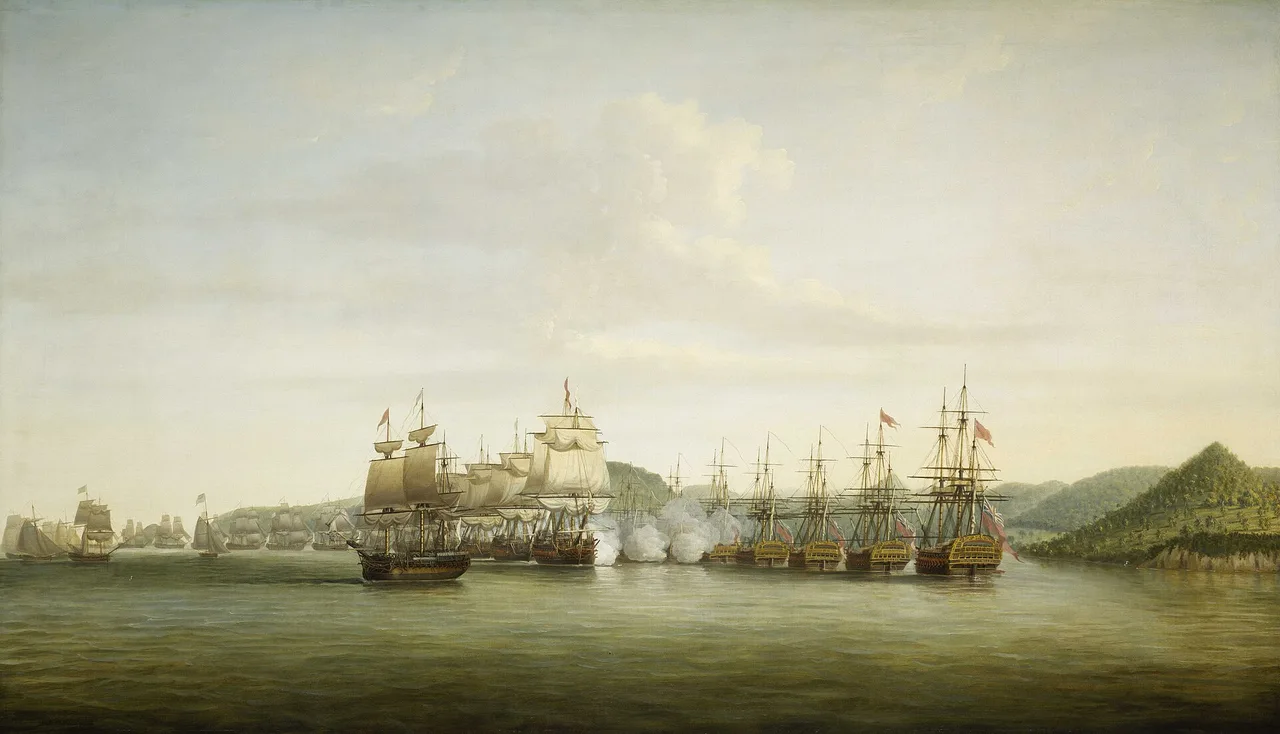
The island changed hands between the British and the French a staggering 14 times before finally securing its independence. This constant tug-of-war reminded historians of Helen of Troy, the mythological figure fought over by powerful forces. Today, Saint Lucian culture retains deep influences from both European heritages.
Photo: Dominic Serres, Wikimedia Commons, Public domain.


Paste the code into your page. The player fits itself in, and every vote counts in Votur.
On WordPress, Ghost or Squarespace? Just paste the link of this page into your post.
This is how it looks
Also fun