 L'appli
Remontez le temps au pays des philosophes, des guerriers féroces et des dieux légendaires. Testez vos connaissances sur la façon dont la Grèce antique a façonné notre monde moderne !
Voyageur curieux 0–4 · Érudit passionné 5–8 · Oracle d'Athènes 9–10

Touche la bonne réponse
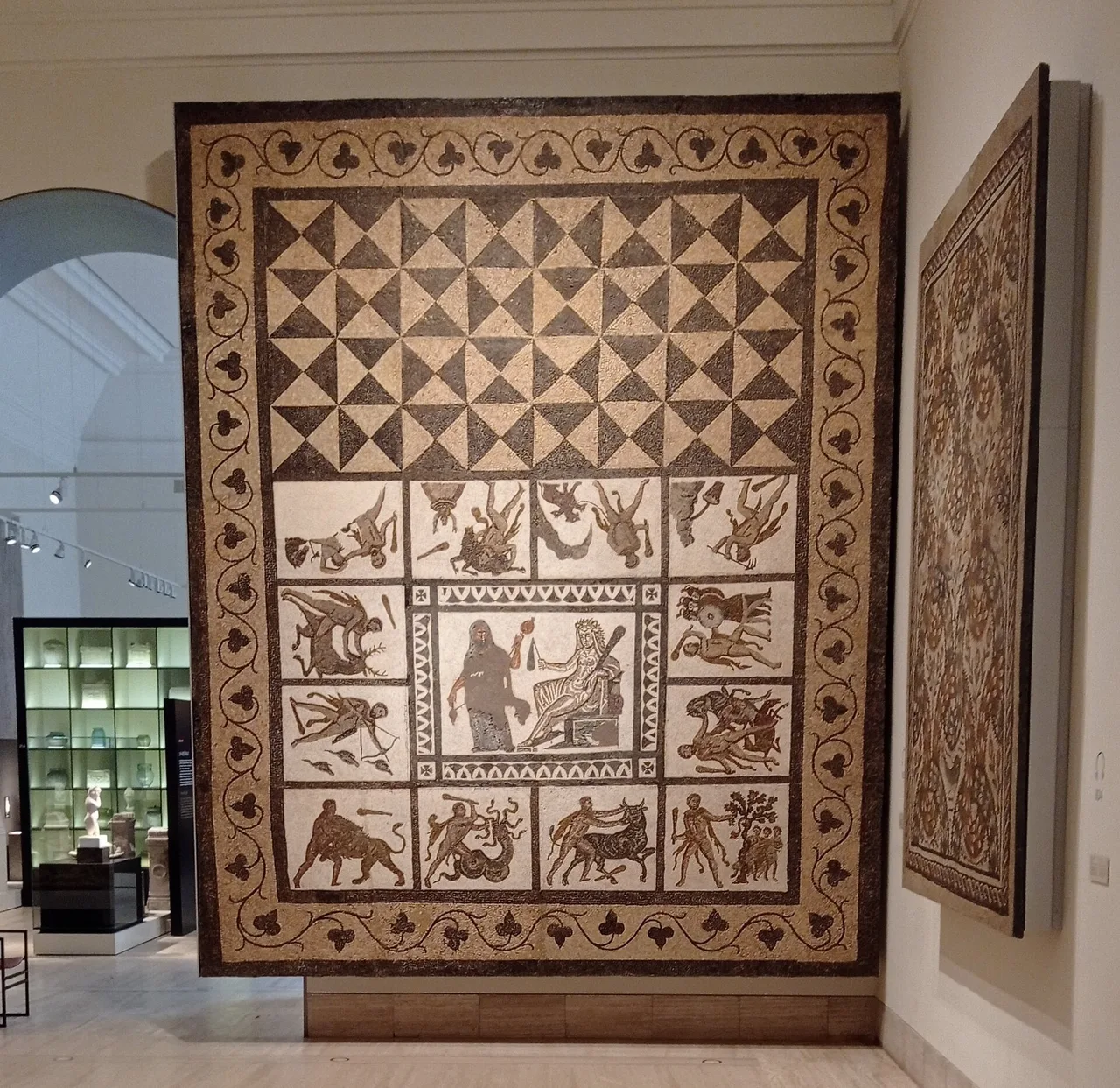
Heracles, known as Hercules in Roman myth, performed his famous twelve labors as penance for a madness sent by the goddess Hera. His feats included slaying the Nemean Lion and capturing the multi-headed Hydra. These stories became some of the most popular subjects in ancient Greek art and pottery.
Photo: Jcremolina, Wikimedia Commons, CC BY-SA 4.0.
Touche la bonne réponse
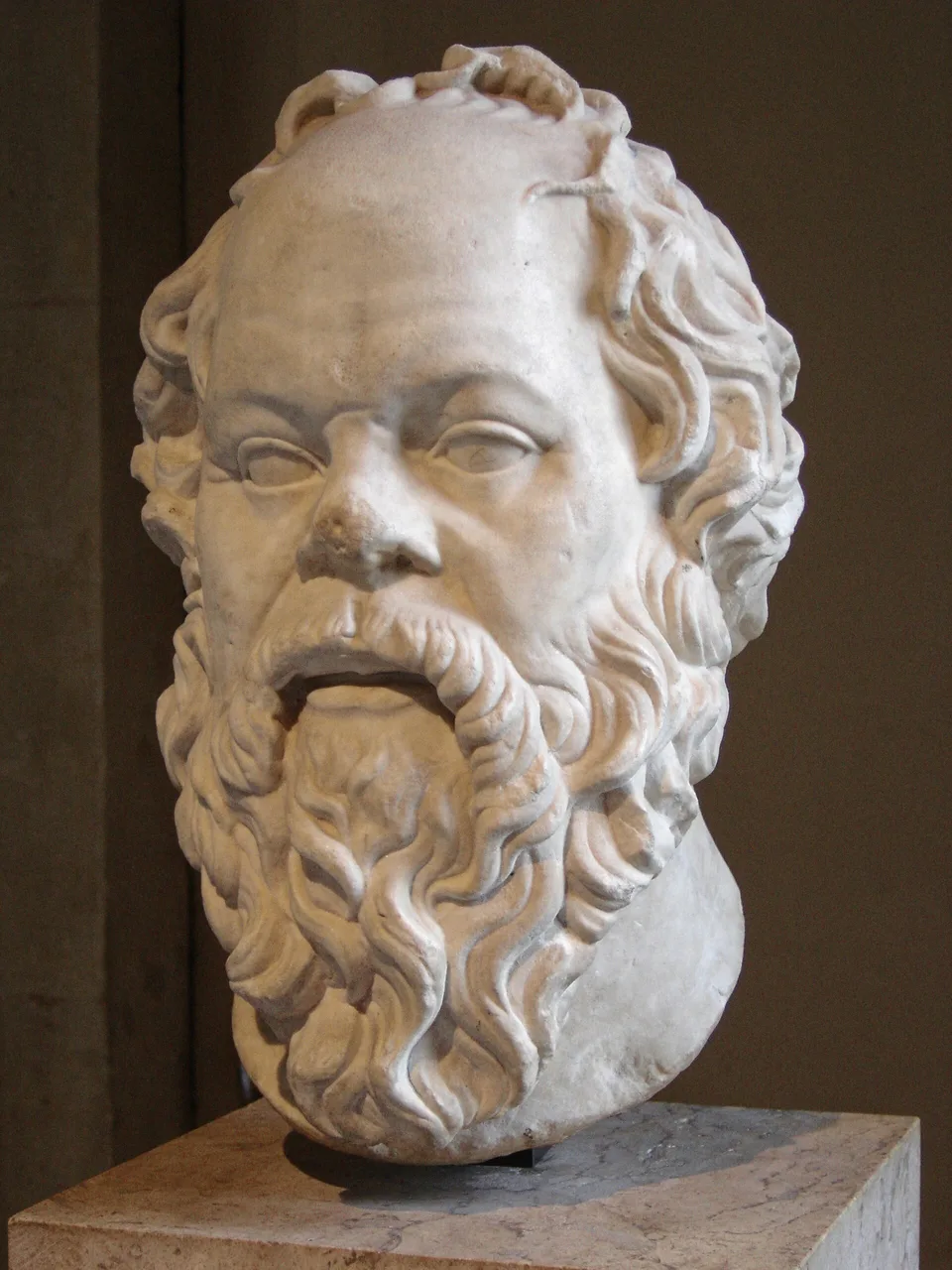
Socrates was convicted of impiety and corrupting the minds of Athenian youth in 399 BC. Instead of fleeing into exile, which he could have easily done, he chose to accept his sentence and drank the poison hemlock. He left no writings of his own, so we know him mostly through Plato's dialogues.
Photo: Copy of Lysippos (?), Wikimedia Commons, Public domain.
Touche la bonne réponse
Sparta was the dominant force behind the Peloponnesian League, which was formed in the 6th century BC to counter Athenian influence. This rivalry eventually escalated into the devastating Peloponnesian War. Unlike democratic Athens, Sparta was ruled by an oligarchy with two kings.
Touche la bonne réponse
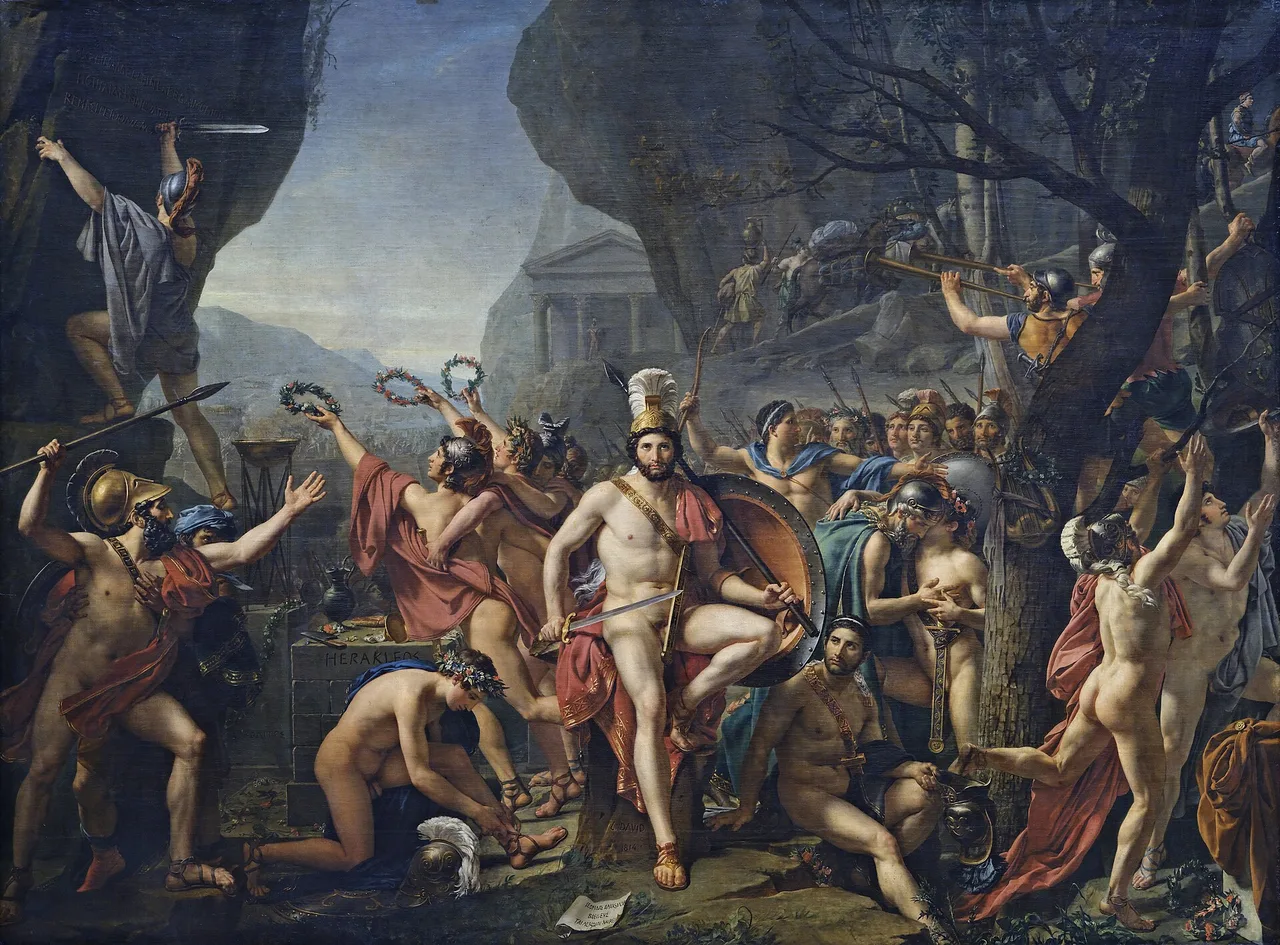
King Xerxes I led the massive Persian invasion force in 480 BC. King Leonidas and his famous 300 Spartans, along with several thousand Greek allies, held the narrow pass of Thermopylae for three days. Although they were ultimately defeated, their heroic stand bought crucial time for the Greek navy to organize.
Photo: Jacques-Louis David, Wikimedia Commons, Public domain.
Touche la bonne réponse
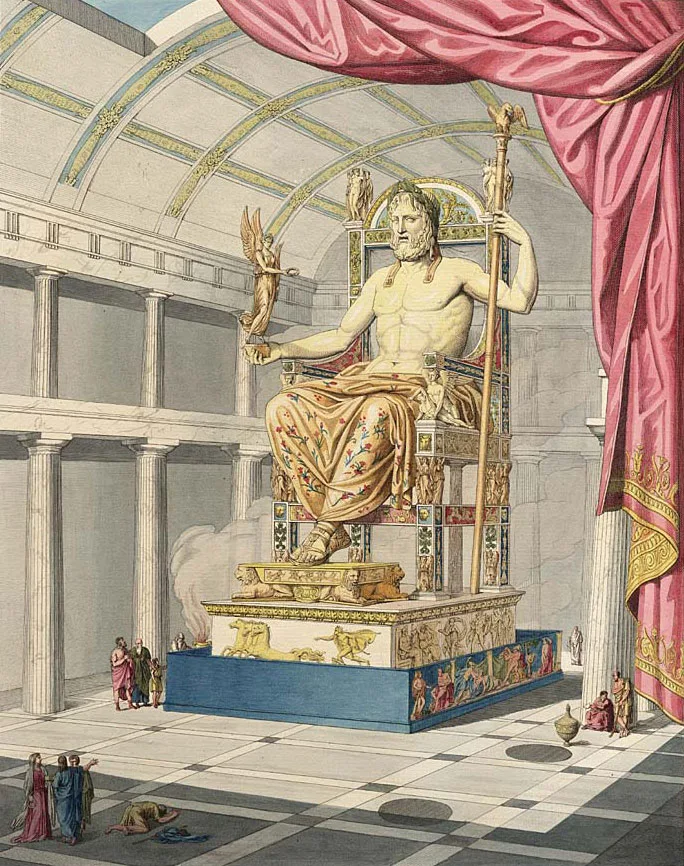
Created by the legendary sculptor Phidias around 435 BC, the giant gold-and-ivory Statue of Zeus was housed inside the Temple of Zeus in Olympia. It stood about 40 feet tall and depicted the king of gods seated on a magnificent throne. Sadly, it was eventually destroyed, likely in a fire during the 5th century AD.
Photo: Quatremère de Quincy, Wikimedia Commons, Public domain.
Touche la bonne réponse
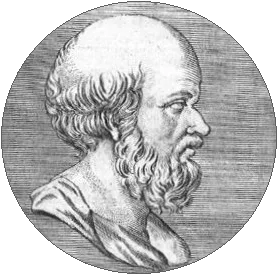
Around 240 BC, Eratosthenes calculated the Earth's circumference with remarkable accuracy by comparing the angles of shadows cast by the sun in two different Egyptian cities at noon. He was also the head of the famous Library of Alexandria and invented the system of latitude and longitude.
Photo: Wikimedia Commons, Public domain.
Touche la bonne réponse
In ancient Greece, a symposium was a structured, male-only drinking party where guests enjoyed wine, music, and intellectual conversation. It was a key social institution for reinforcing elite bonds. Interestingly, the wine was almost always diluted with water, as drinking it pure was considered barbaric.
Touche la bonne réponse
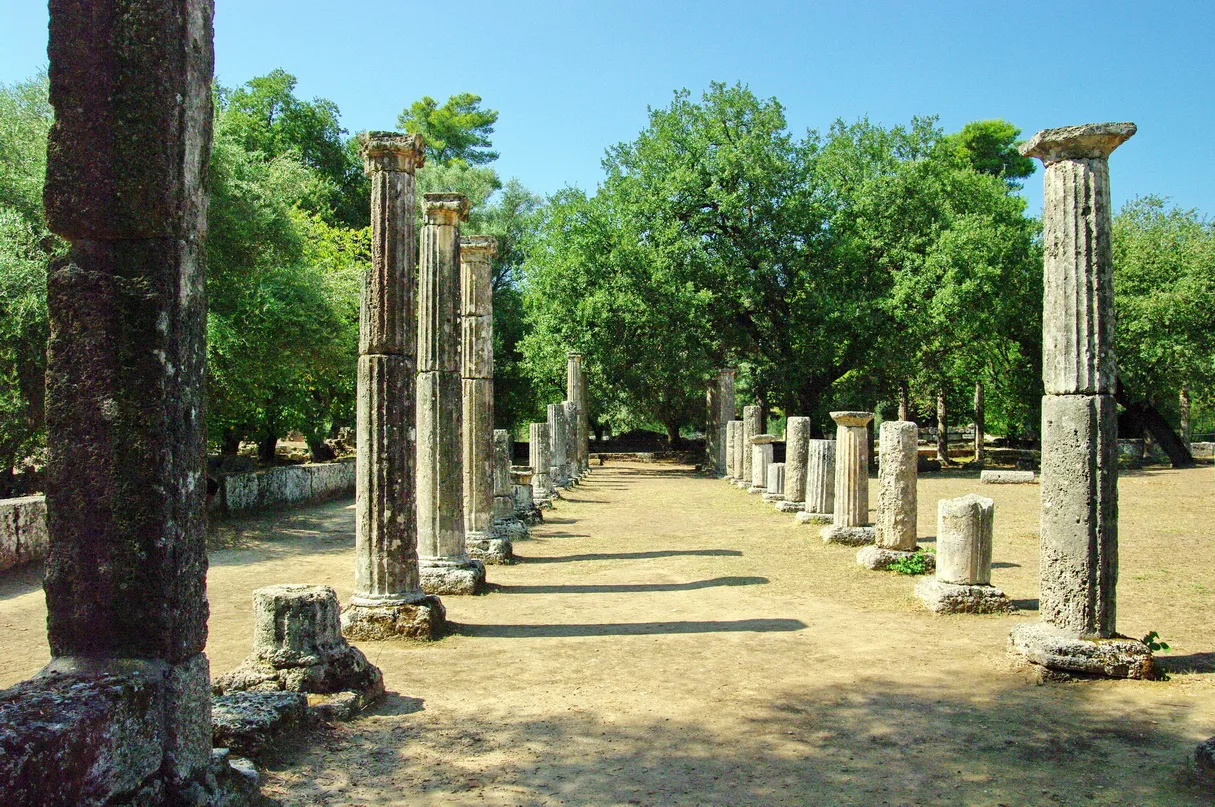
For the first thirteen Olympic festivals, the stadion—a footrace of about 192 meters—was the only event. The winner, a cook named Coroebus of Elis, became the very first recorded Olympic champion. Later games expanded to include chariot racing, boxing, and the pentathlon.
Photo: Bgabel, Wikimedia Commons, CC BY-SA 3.0.
Touche la bonne réponse
The skene was a wooden or stone structure at the back of the stage. It served as a dressing room for actors and a backdrop for the play's setting, often painted to look like a palace or temple. This ancient structure is where we get our modern word "scene."
Touche la bonne réponse
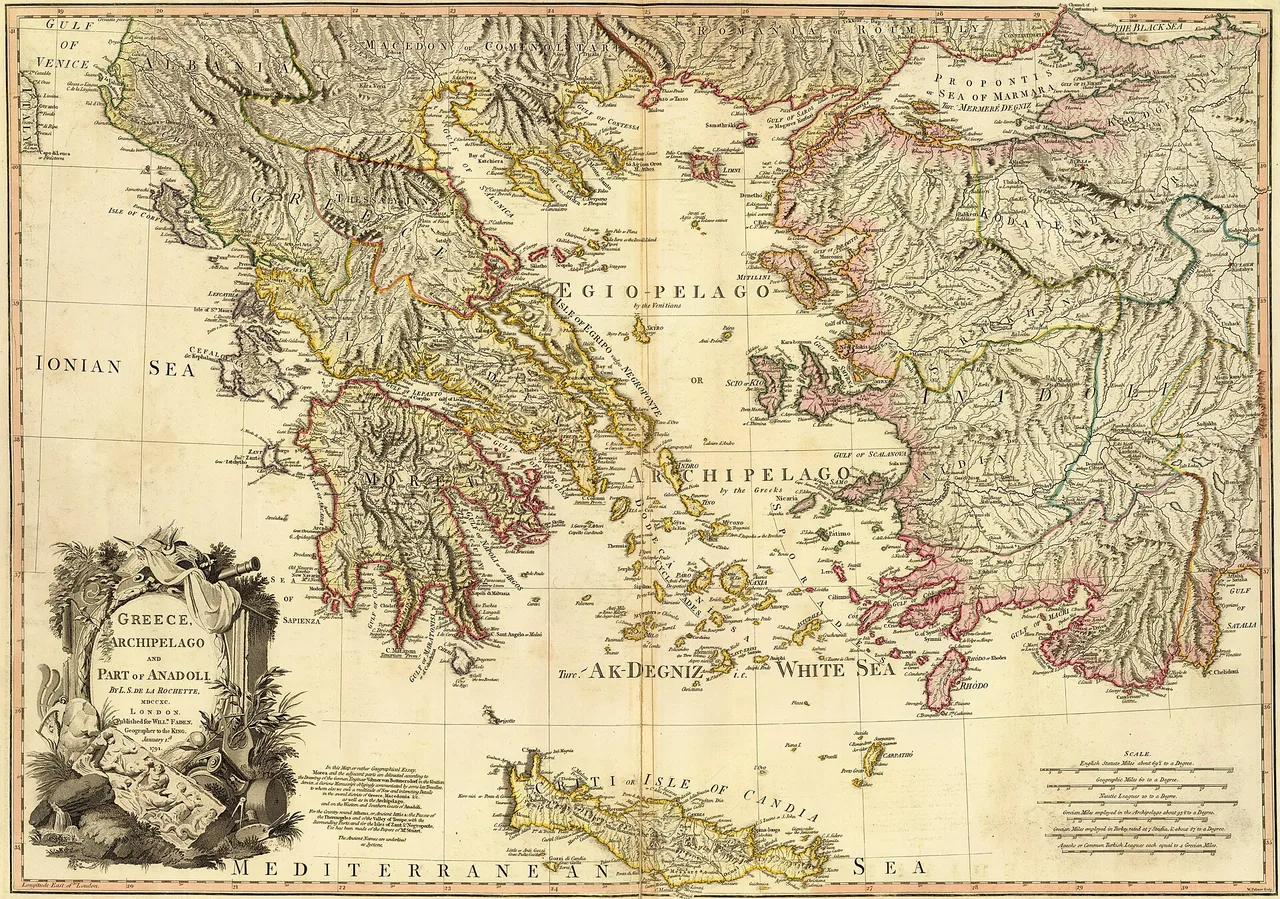
Ostracism allowed Athenian citizens to banish a prominent politician for ten years to protect their democracy from tyranny. At least 6,000 citizens had to cast ballots, which were written on broken pottery pieces called ostraka. Interestingly, the exiled person kept their property and could return peacefully after the decade ended.
Photo: Louis Stanislas d'Arcy Delarochette, Wikimedia Commons, Public domain.


Envie de créer un quiz comme celui-ci ? Fais-le sur Votur, c'est gratuit.
Colle le code dans ta page. Le lecteur s'adapte tout seul et chaque vote compte dans Votur.
Sur WordPress, Ghost ou Squarespace ? Colle simplement le lien de cette page dans ton article.
Voilà à quoi ça ressemble
Aussi sympa