Get app
 Photo: Carol M. Highsmith, Wikimedia Commons, Public domain.
How well do you know Indiana? Test your knowledge on the Hoosier State's rich history, iconic landmarks, unique culinary treats, and famous residents!
Hoosier Hopeful 0–4 · Crossroads Explorer 5–8 · True Hoosier 9–10
Pick one

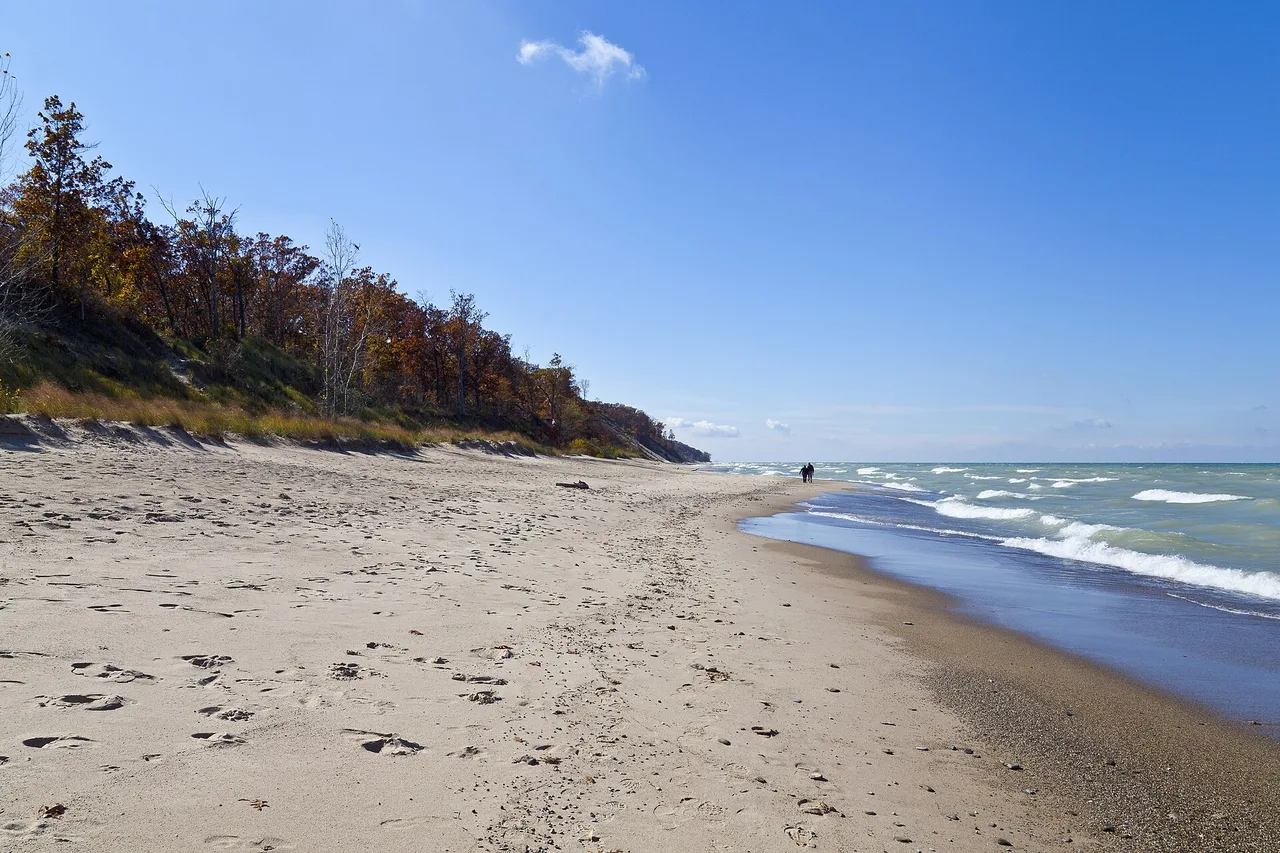
Indiana Dunes National Park offers a stunning landscape of towering sand dunes, quiet wetlands, and diverse hiking trails right along the edge of Lake Michigan. It is one of the most biologically diverse national parks in the country, home to rare plants and hundreds of bird species. Visitors can easily see the distant skyline of Chicago across the water on a clear day.
Photo: Diego Delso, Wikimedia Commons, CC BY-SA 3.0.
Pick one
The Indianapolis Motor Speedway is famously nicknamed "The Brickyard" because it was paved with 3.2 million clay bricks in 1909 to improve safety over the original gravel-and-tar surface. While the track has since been covered in asphalt, a symbolic three-foot strip of the original bricks remains exposed at the start-finish line. Winning drivers traditionally kiss these bricks after a race.
Pick one
The breaded pork tenderloin sandwich is a culinary staple across Indiana. Originating at Nick's Kitchen in Huntington in the early 20th century, the meat is pounded incredibly thin, coated in breadcrumbs, fried to a golden crisp, and served on a standard hamburger bun that it dwarfs. Purists argue that the ideal tenderloin should be at least twice the size of the bread.
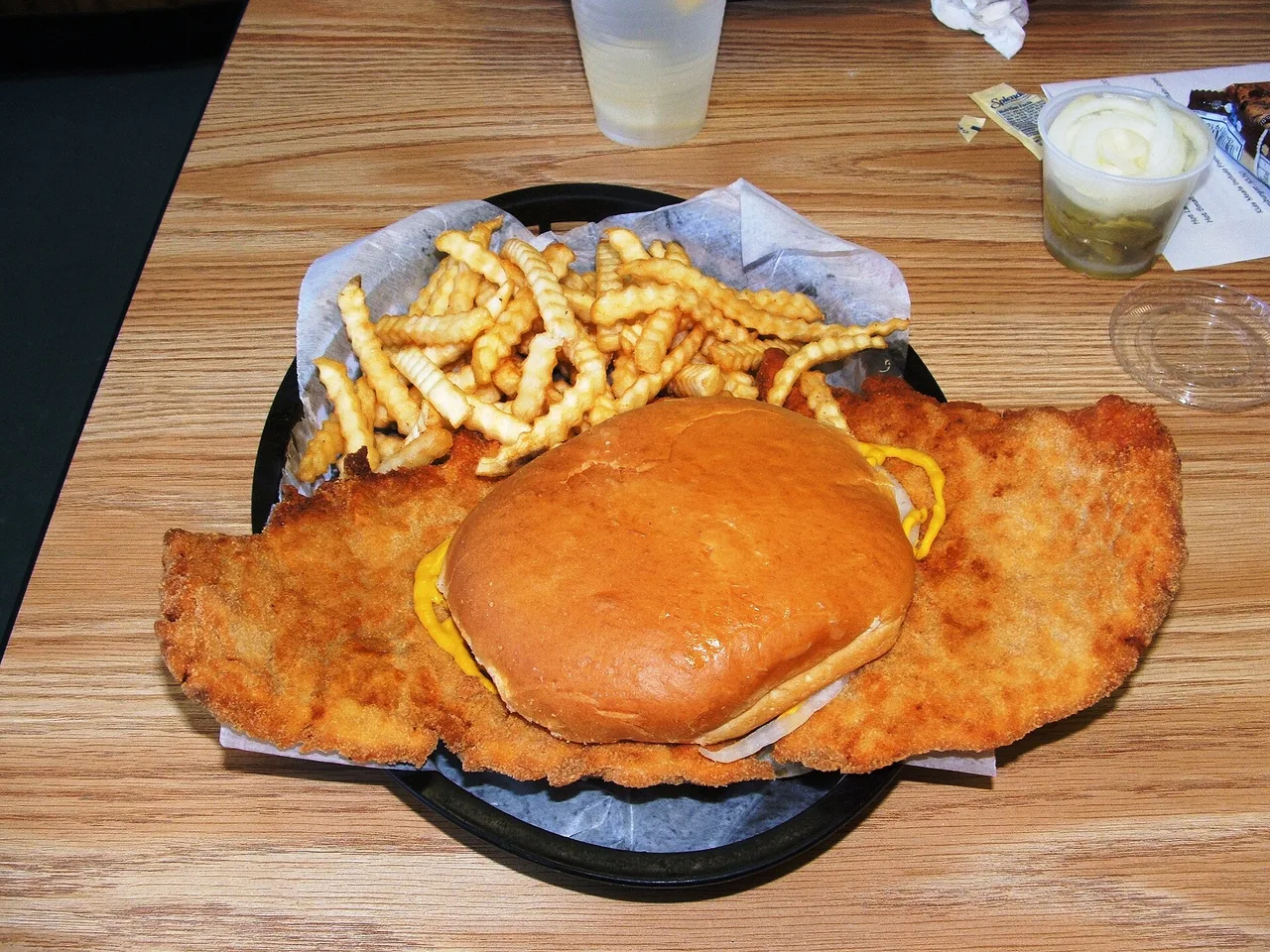
Photo: Glane23, Wikimedia Commons, CC BY-SA 3.0.
Pick one
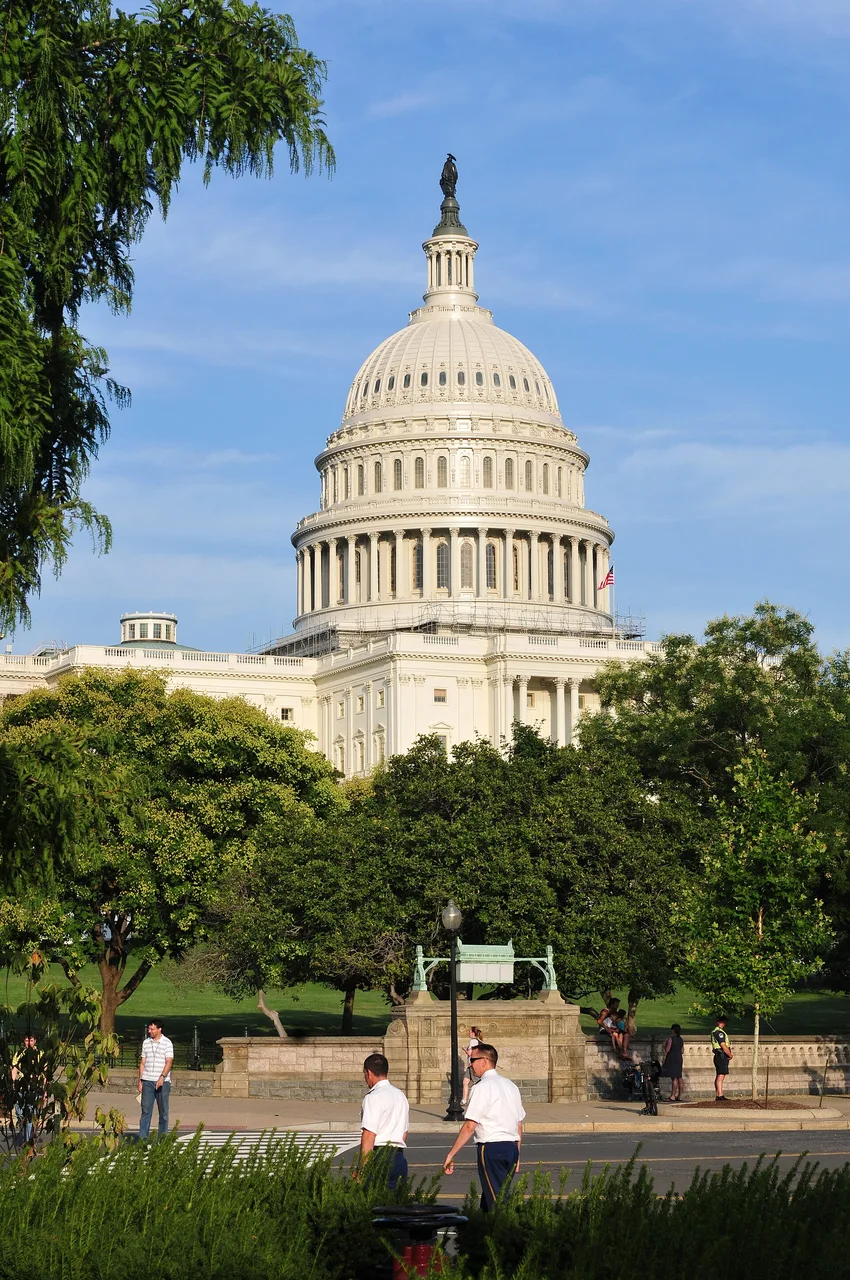
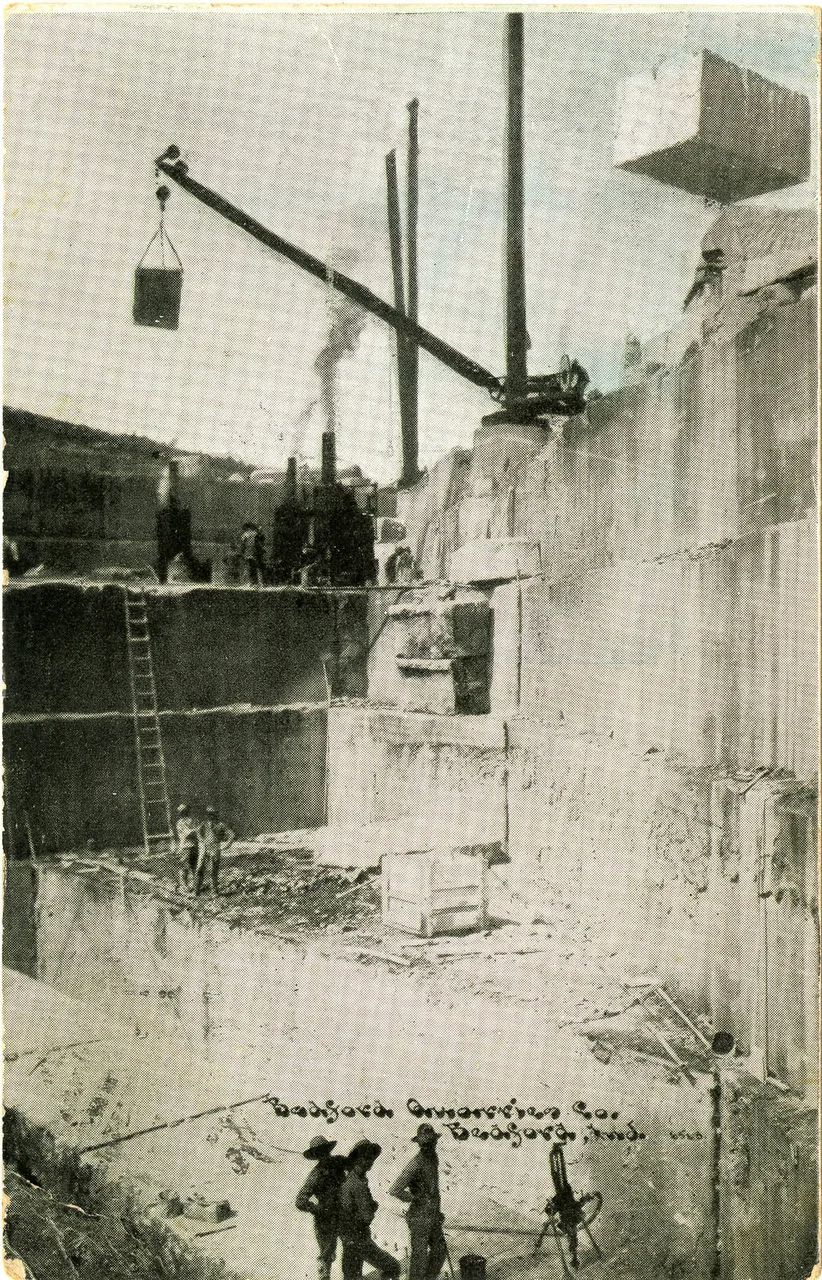
Indiana limestone, specifically quarried from the Salem Formation in south-central Indiana, is legendary for its high quality and durability. It was used to build the Empire State Building, the Pentagon, and many of the neoclassical government buildings in Washington, D.C. This beautiful, fine-grained rock was formed hundreds of millions of years ago when a shallow sea covered the region.
Photo: Unknown authorUnknown author, Wikimedia Commons, Public domain.
Pick one
Kurt Vonnegut, the acclaimed author of classics like "Slaughterhouse-Five" and "Cat's Cradle," was born in Indianapolis in 1922. He frequently referenced his hometown in his novels and essays, often expressing a deep affection for his Midwestern roots despite his cynical literary themes. Today, the city honors his legacy with a dedicated museum and library.
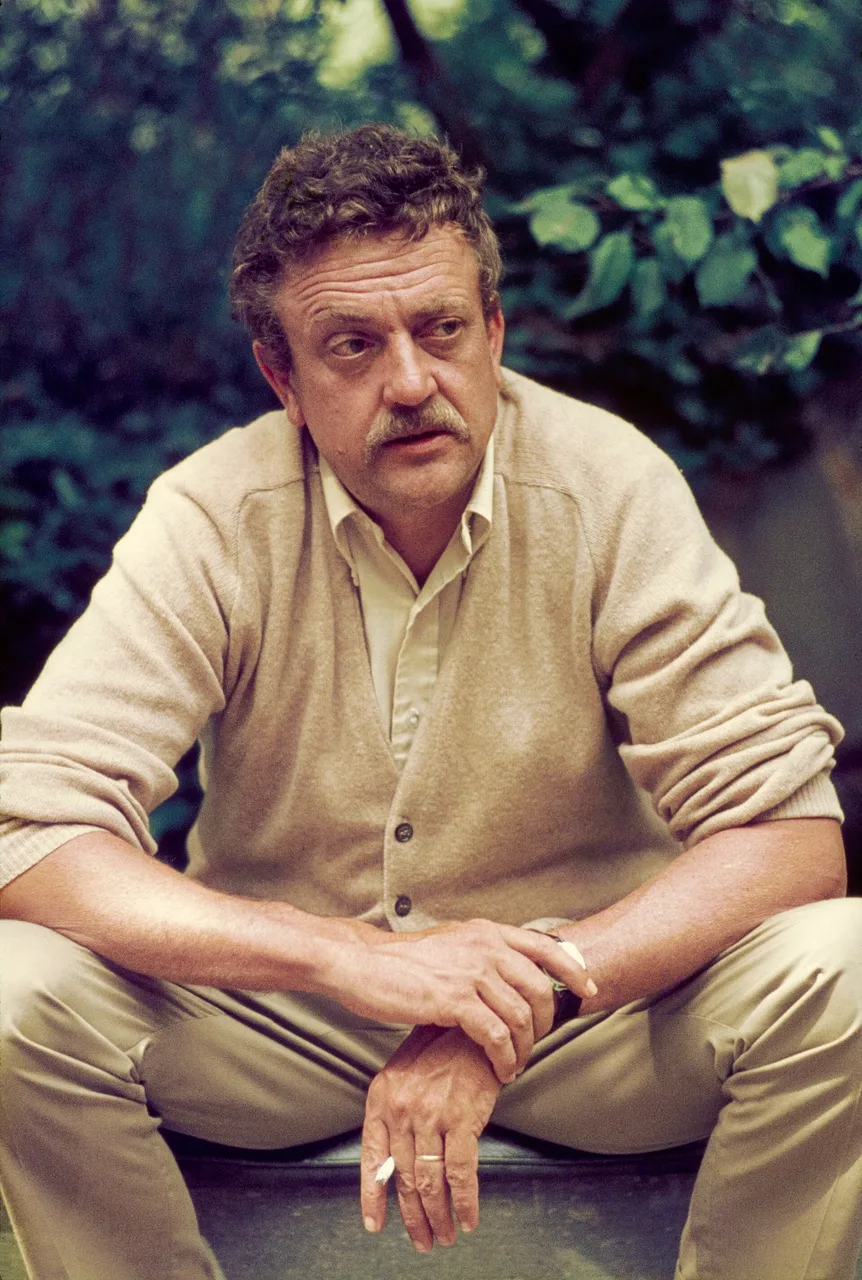
Photo: Bernard Gotfryd / Adam Cuerden, Wikimedia Commons, Public domain.
Pick one
Corydon was the site where Indiana's first constitution was drafted beneath the shade of a massive elm tree, known as the "Constitution Elm." It served as the capital until 1825, when the seat of government was moved north to the more centrally located Indianapolis. Vincennes, while older, served as the capital of the Indiana Territory before statehood.
Pick one
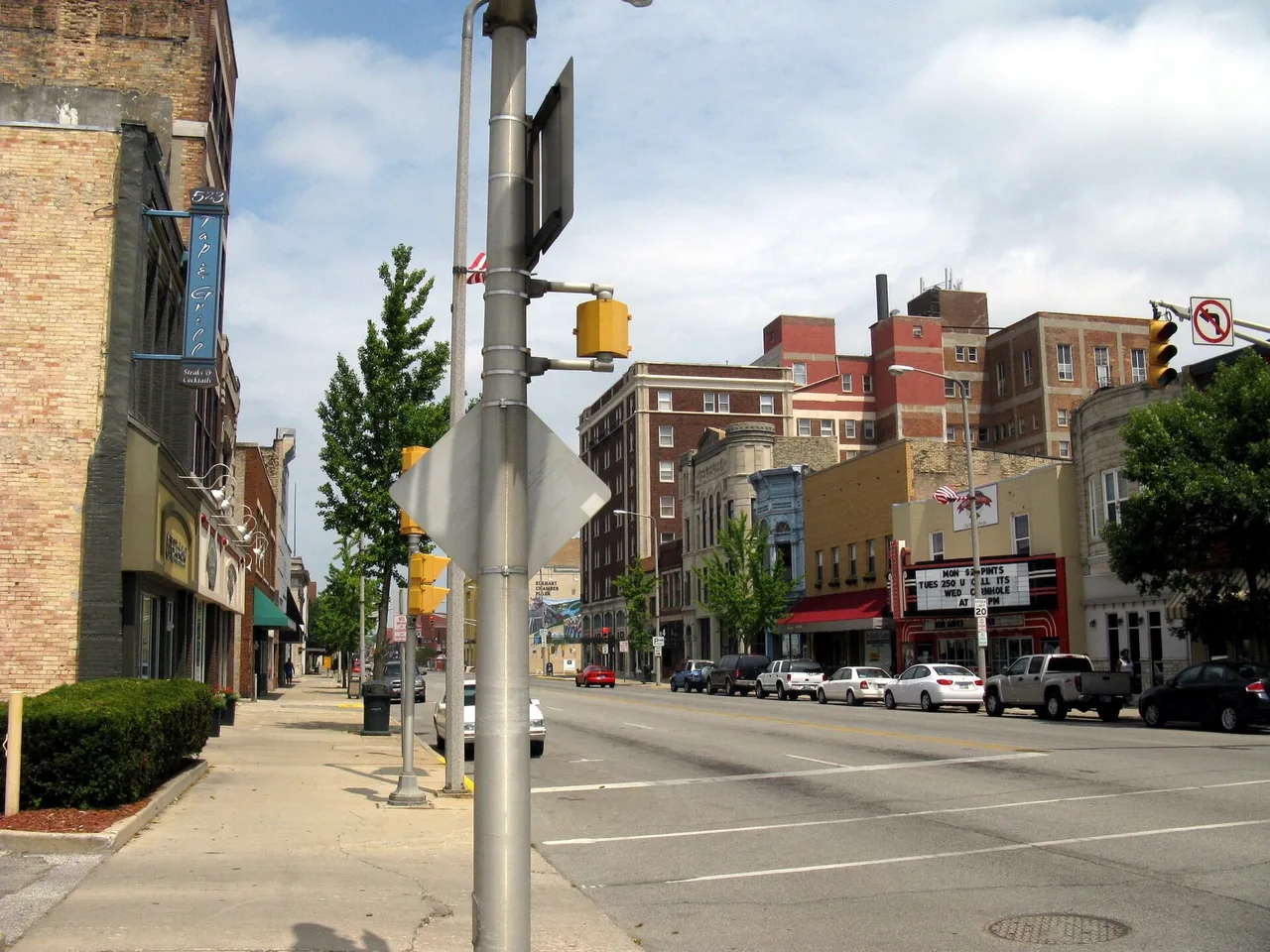
Elkhart, Indiana, produces over 80 percent of the recreational vehicles sold across the United States. The industry began growing here in the 1930s, drawing on a skilled local workforce already experienced in building mobile homes and trailers. Interestingly, Elkhart is also historically famous as a major manufacturing hub for musical band instruments, particularly flutes and saxophones.
Photo: Publichall, Wikimedia Commons, CC BY-SA 3.0.
Pick one
When Alexander Ralston helped design Indianapolis in 1821, he drew heavily on his previous experience. He had worked as an assistant to Pierre L'Enfant, the architect who laid out Washington, D.C. Consequently, Indianapolis features a central circular plaza with radiating diagonal avenues. Today, this unique layout makes the city's downtown exceptionally easy to navigate and highly distinct from typical grid-based midwestern cities.
Pick one
"The Hoosier's Nest" was published in the Indianapolis Journal on New Year's Day in 1833. It was the first time the word appeared in print in a literary work, helping to cement it as a proud badge of honor for Indiana residents. While the exact linguistic origins of "Hoosier" remain a mystery to this day, Finley's poem painted a vivid, friendly picture of rustic life in the young state.
Pick one
The Ohio River serves as the natural southern boundary of Indiana, flowing west to meet the Mississippi River. Interestingly, the actual border line is not in the middle of the river; due to historical deeds, Kentucky owns the river itself up to the low-water mark on the northern bank. The Wabash River, meanwhile, forms part of Indiana's western border with Illinois.
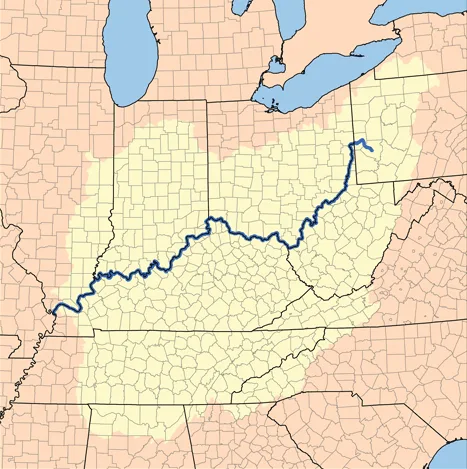
Photo: No machine-readable author provided. Kmusser assumed (based on copyright claims), Wikimedia Commons, CC BY-SA 2.5.


Paste the code into your page. The player fits itself in, and every vote counts in Votur.
On WordPress, Ghost or Squarespace? Just paste the link of this page into your post.
This is how it looks
Also fun