 Baixar app
Volte no tempo para a era dos impérios, grandes batalhas e reformas revolucionárias! Teste seus conhecimentos sobre o brilhante estrategista militar e imperador dos franceses.
Cadete curioso 0–4 · Ajudante imperial 5–8 · Mestre estratega 9–10

Toque na resposta certa
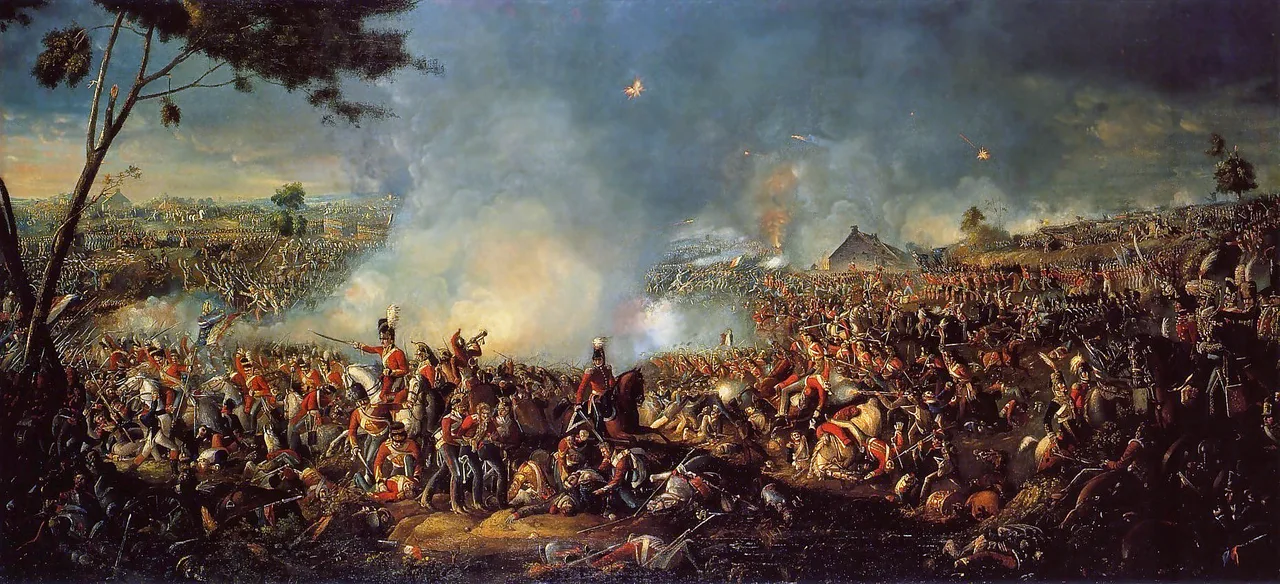
Arthur Wellesley, the Duke of Wellington, commanded the allied army that defeated Napoleon at Waterloo, alongside Prussian forces led by Gebhard Leberecht von Blücher. This decisive battle ended Napoleon's rule as Emperor of the French and marked the end of his hundred-day return from exile.
Photo: William Sadler, Wikimedia Commons, Public domain.
Toque na resposta certa
After his final abdication, Napoleon was sent to Saint Helena, a remote volcanic island located thousands of miles from any continent. He spent his remaining years there under strict British supervision, writing his memoirs and gardening, before passing away in 1821 at the age of 51.
Toque na resposta certa
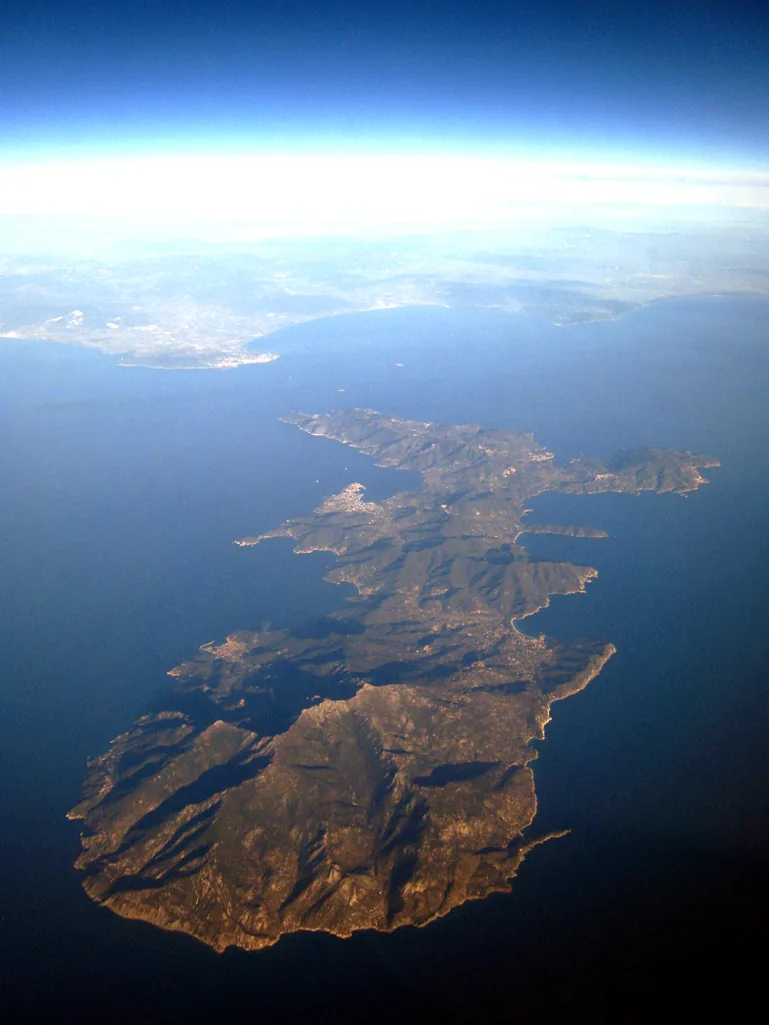
After the Treaty of Fontainebleau, Napoleon was sent to Elba, where he was allowed to rule as emperor of the small island. He escaped less than a year later, landing back in France to reclaim his throne.
Photo: Mjobling, Wikimedia Commons, CC BY 3.0.
Toque na resposta certa
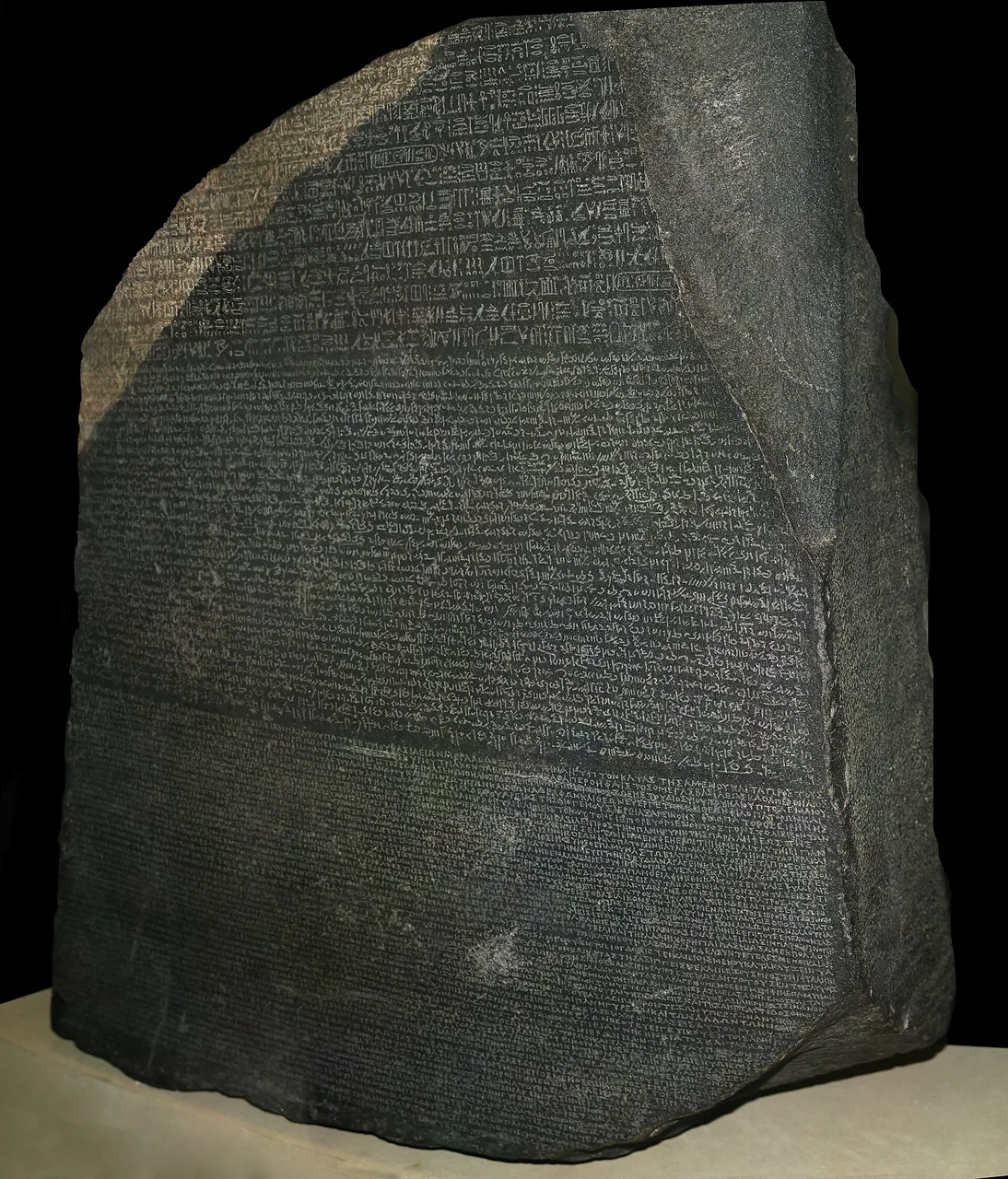
The Rosetta Stone was found by French soldiers under the command of Pierre-François Bouchard during the construction of a fort near the town of Rashid. This ancient slab, inscribed with three different scripts, became the key to deciphering Egyptian hieroglyphs, though it was later seized by British forces after the French defeat in Egypt.
Photo: Hans Hillewaert, Wikimedia Commons, CC BY-SA 4.0.
Toque na resposta certa
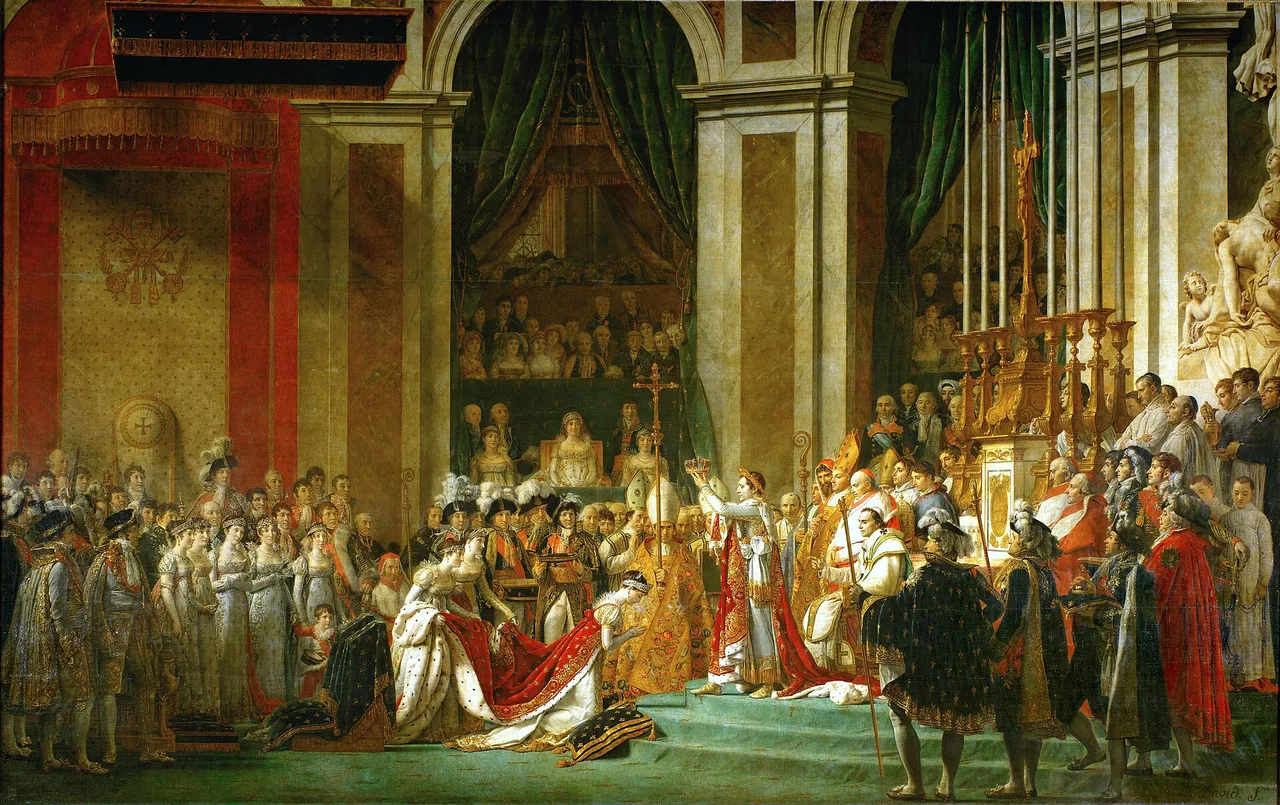
In a dramatic break with traditional royal protocol, Napoleon took the crown from the hands of Pope Pius VII and placed it on his own head. This act was highly symbolic, demonstrating that his authority did not depend on the Church or divine right, but on his own achievements and the will of the French people.
Photo: Jacques-Louis David / Georges Rouget, Wikimedia Commons, Public domain.
Toque na resposta certa
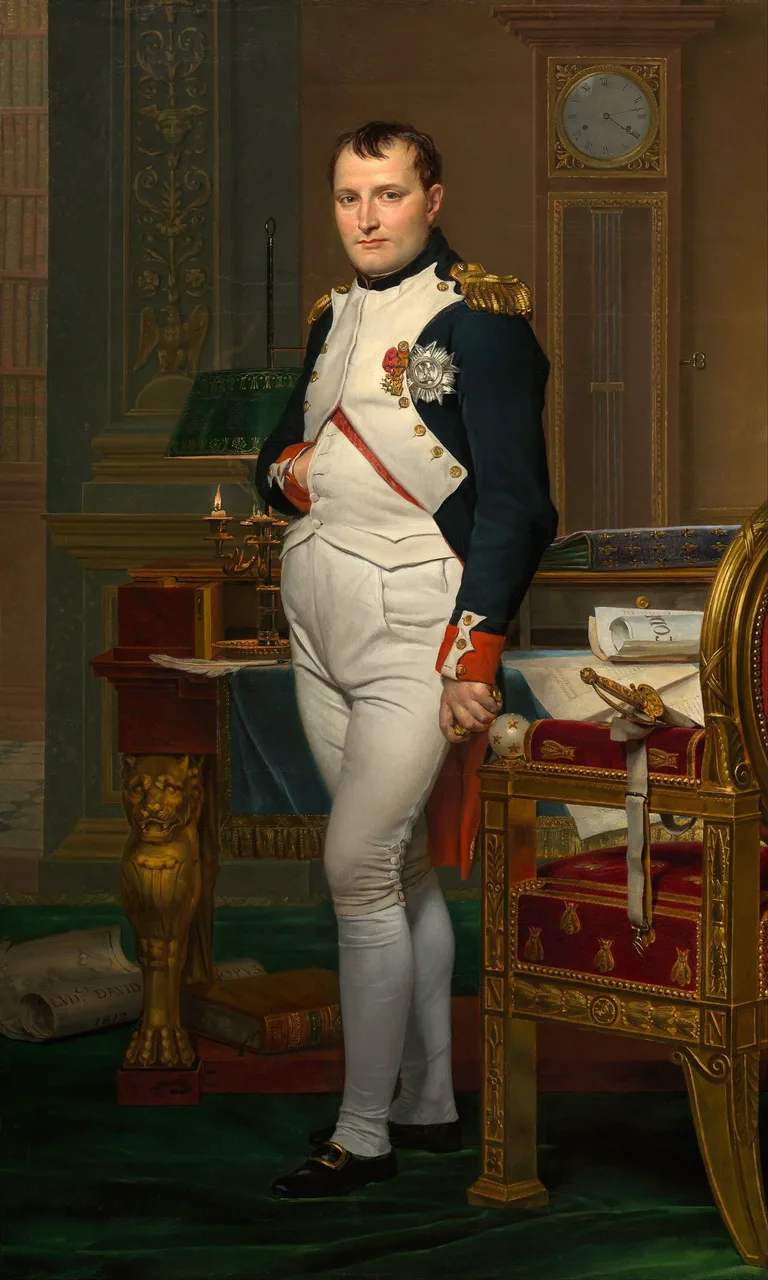
Napoleon was actually about 5 feet 6 inches (1.68 meters) tall, which was average or even slightly above average for a French man at the time. The myth of his extreme shortness arose from a confusion between French inches and British inches, as well as British wartime propaganda caricatures that depicted him as tiny.
Photo: Jacques-Louis David, Wikimedia Commons, Public domain.
Toque na resposta certa
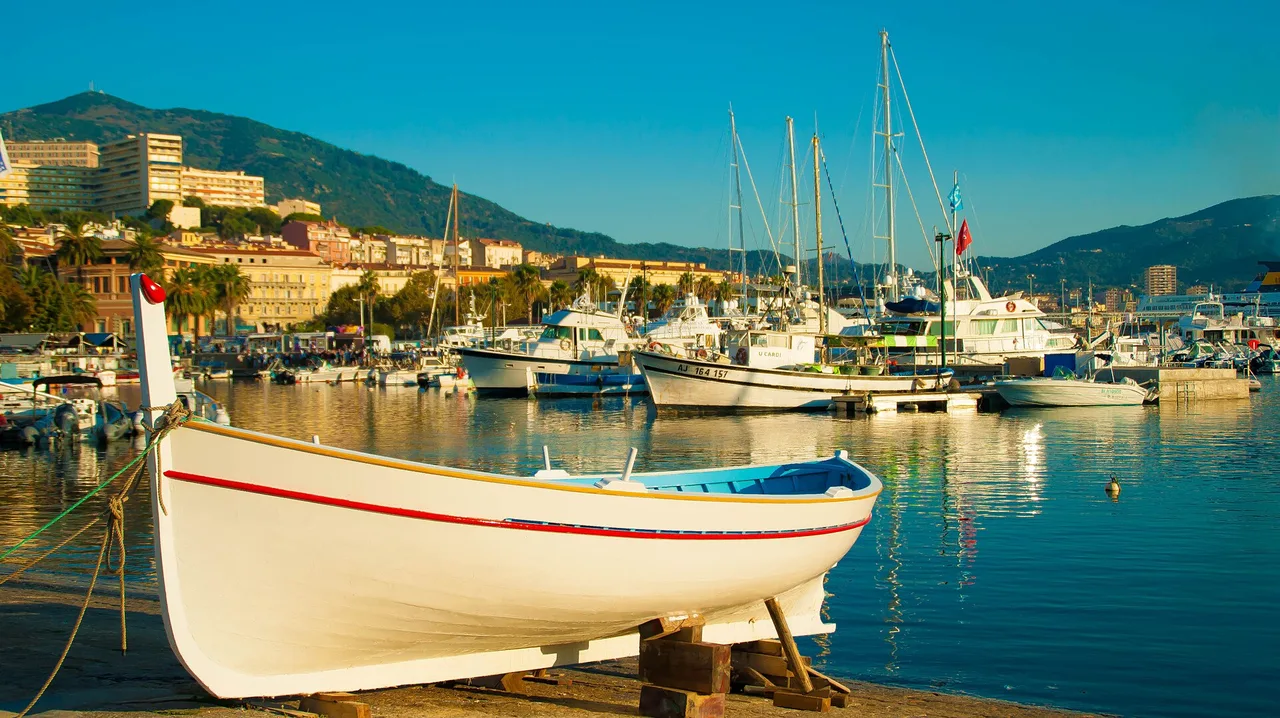
Napoleon was born in Ajaccio, the capital of Corsica. The island had been transferred from the Republic of Genoa to France only a year prior to his birth. Interestingly, Napoleon grew up speaking Corsican and Italian, and he only started learning French when he was around nine years old.
Photo: JeanbaptisteM from France, Wikimedia Commons, CC BY 2.0.
Toque na resposta certa
Jacques-Louis David, the official painter of the Emperor, completed this colossal piece in 1807. Interestingly, the painting shows Napoleon crowning his wife Josephine, rather than the famous moment he crowned himself.
Toque na resposta certa
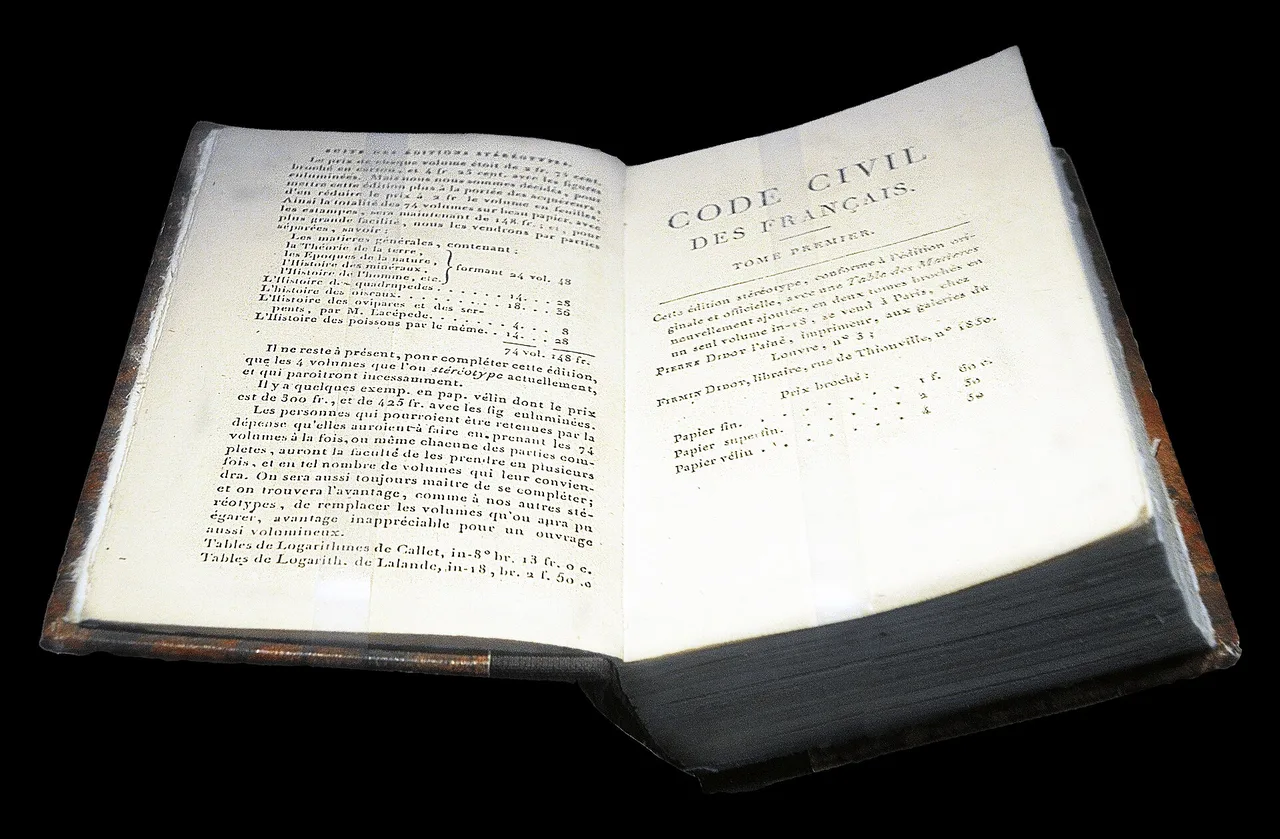
The Code Civil des Français, commonly known as the Napoleonic Code, replaced a chaotic mix of feudal laws. It established the equality of citizens before the law and influenced civil law systems worldwide.
Photo: DerHexer, Wikimedia Commons, CC BY-SA 4.0.
Toque na resposta certa
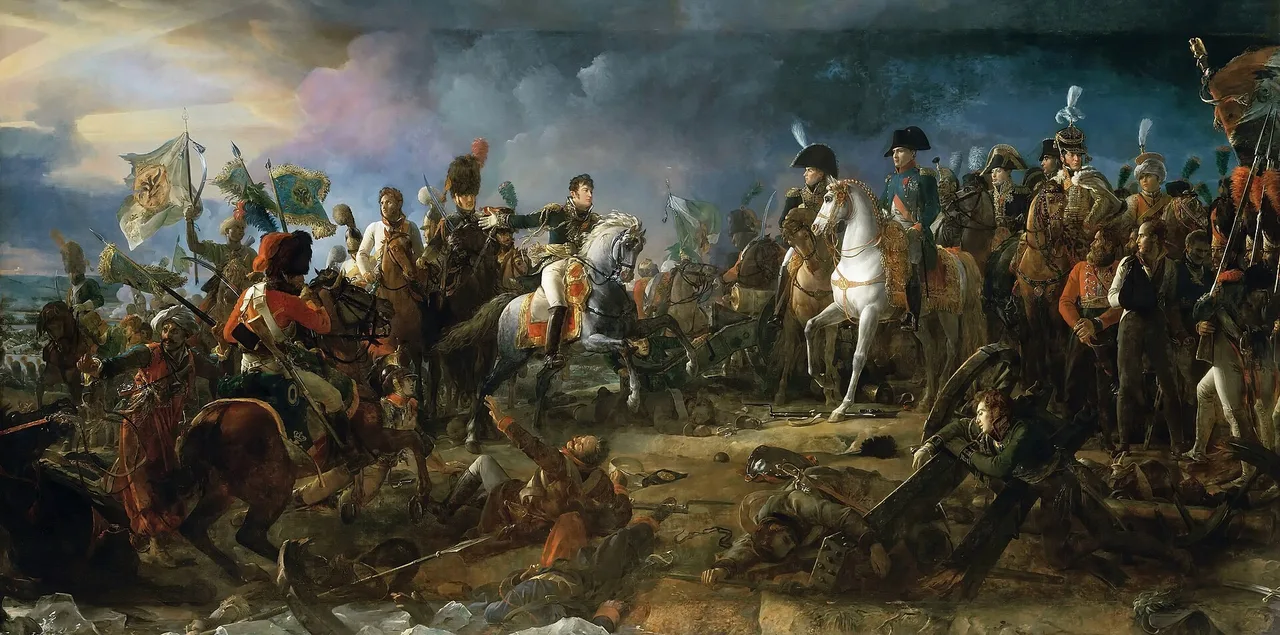
At Austerlitz, Napoleon used brilliant tactics to lure the combined Russian and Austrian armies into a trap. By feigning weakness and abandoning key high ground, he achieved a decisive victory.
Photo: François Gérard, Wikimedia Commons, Public domain.


Cole o código na sua página. O player se ajusta sozinho e cada voto conta no Votur.
No WordPress, Ghost ou Squarespace? Basta colar o link desta página no seu post.
É assim que fica
Também legal