Get app
 Photo: Louis le Grand, Wikimedia Commons, Public domain.
Step back into the ancient Mediterranean and test your knowledge of Cleopatra VII. Separate the historical facts from the Hollywood myths surrounding Egypt's legendary last queen.
Papyrus Novice 0–4 · Palace Scholar 5–8 · Nile Sovereign 9–10
Pick one

Elizabeth Taylor starred in the 1963 epic, which became famous for its incredible budget that nearly bankrupted 20th Century Fox. Her lavish costumes and off-screen romance with co-star Richard Burton made global headlines.
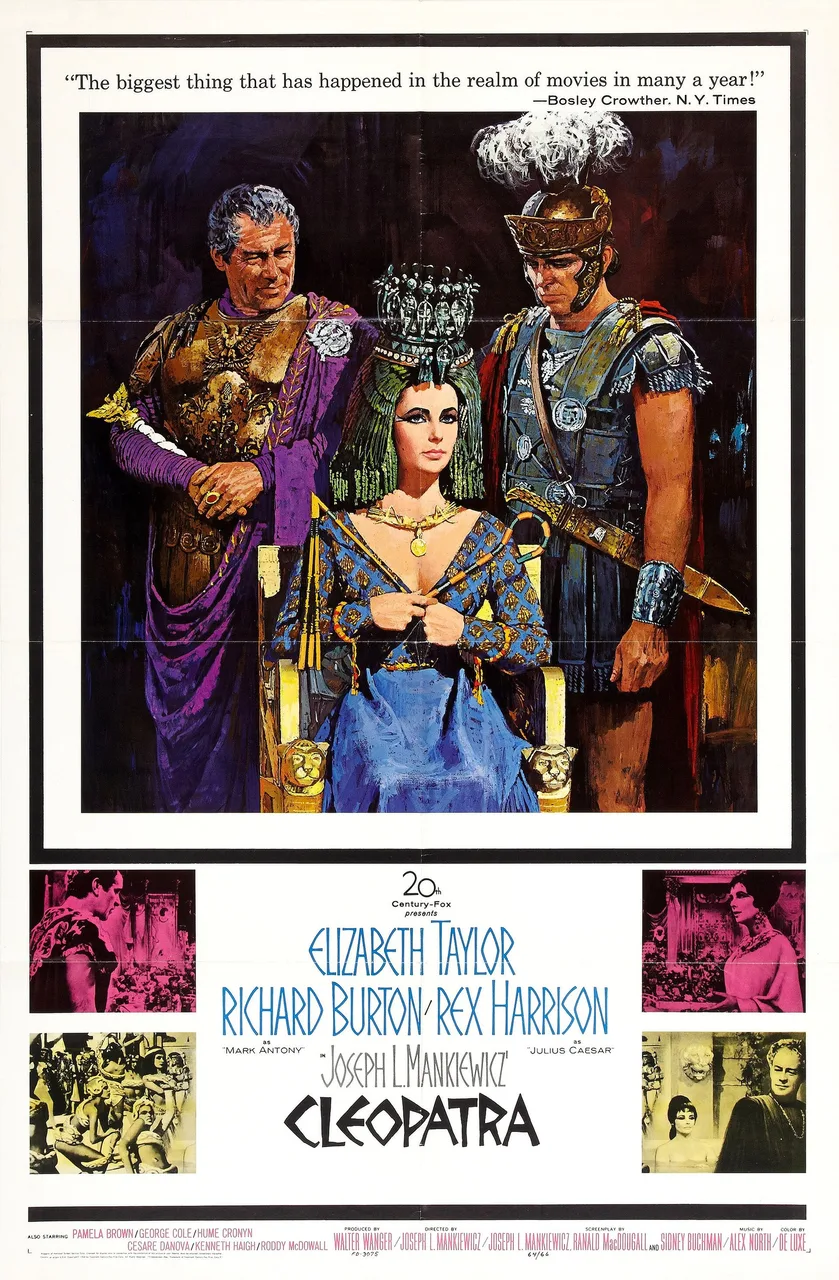
Photo: After Howard Terpning, Wikimedia Commons, Public domain.
Pick one
Cleopatra spent her life in the glittering capital of Alexandria, founded by Alexander the Great. Today, much of her royal palace complex lies submerged underwater in the city's eastern harbor due to ancient earthquakes and tsunamis.

Photo: TheEgyptian, Wikimedia Commons, CC BY-SA 3.0.
Pick one
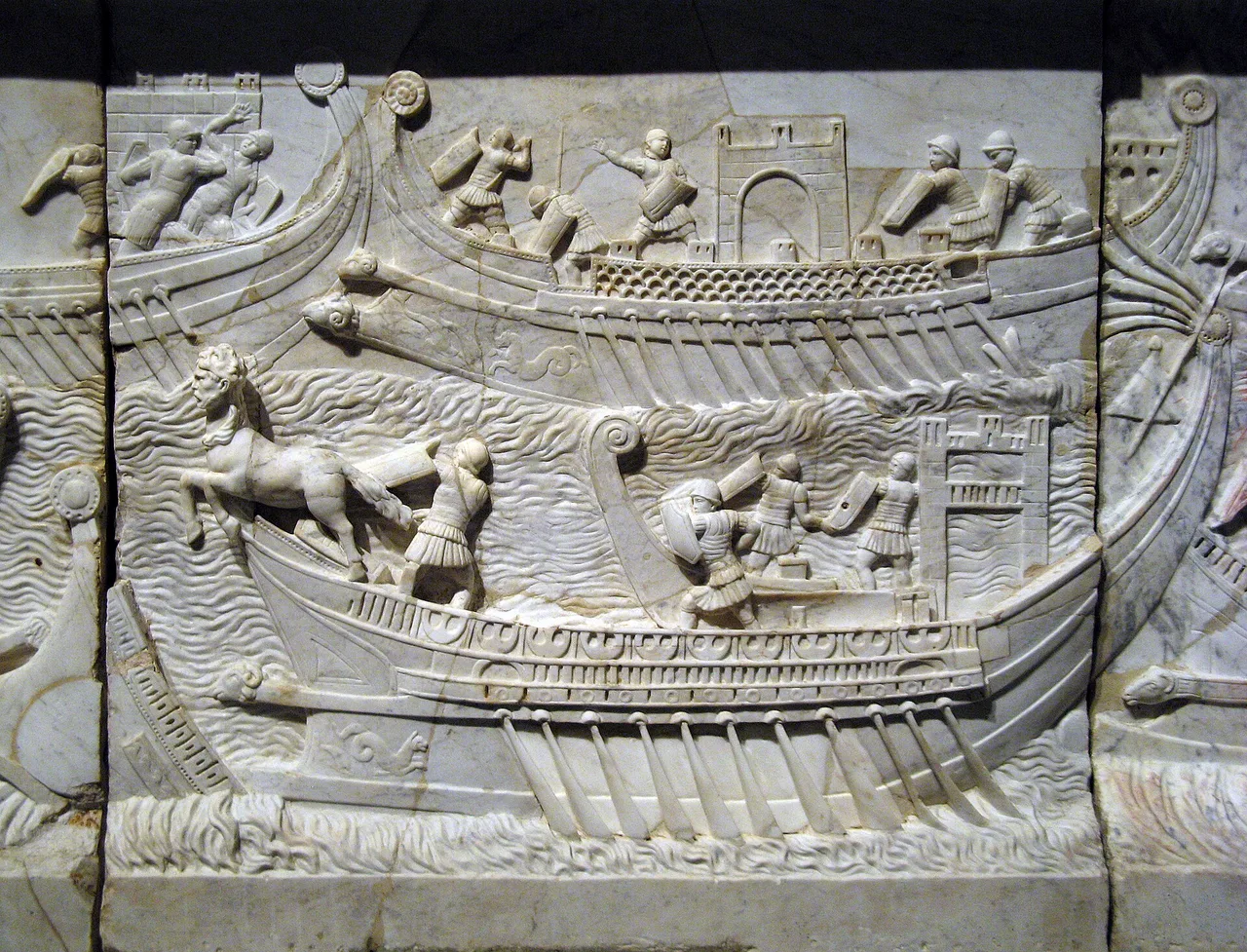
The Battle of Actium was the critical engagement where Octavian's forces crushed the joint fleet of Cleopatra and Antony. This defeat marked the end of the Ptolemaic Kingdom and initiated the rise of the Roman Empire.
Photo: Mark Landon, Wikimedia Commons, CC BY 4.0.
Pick one
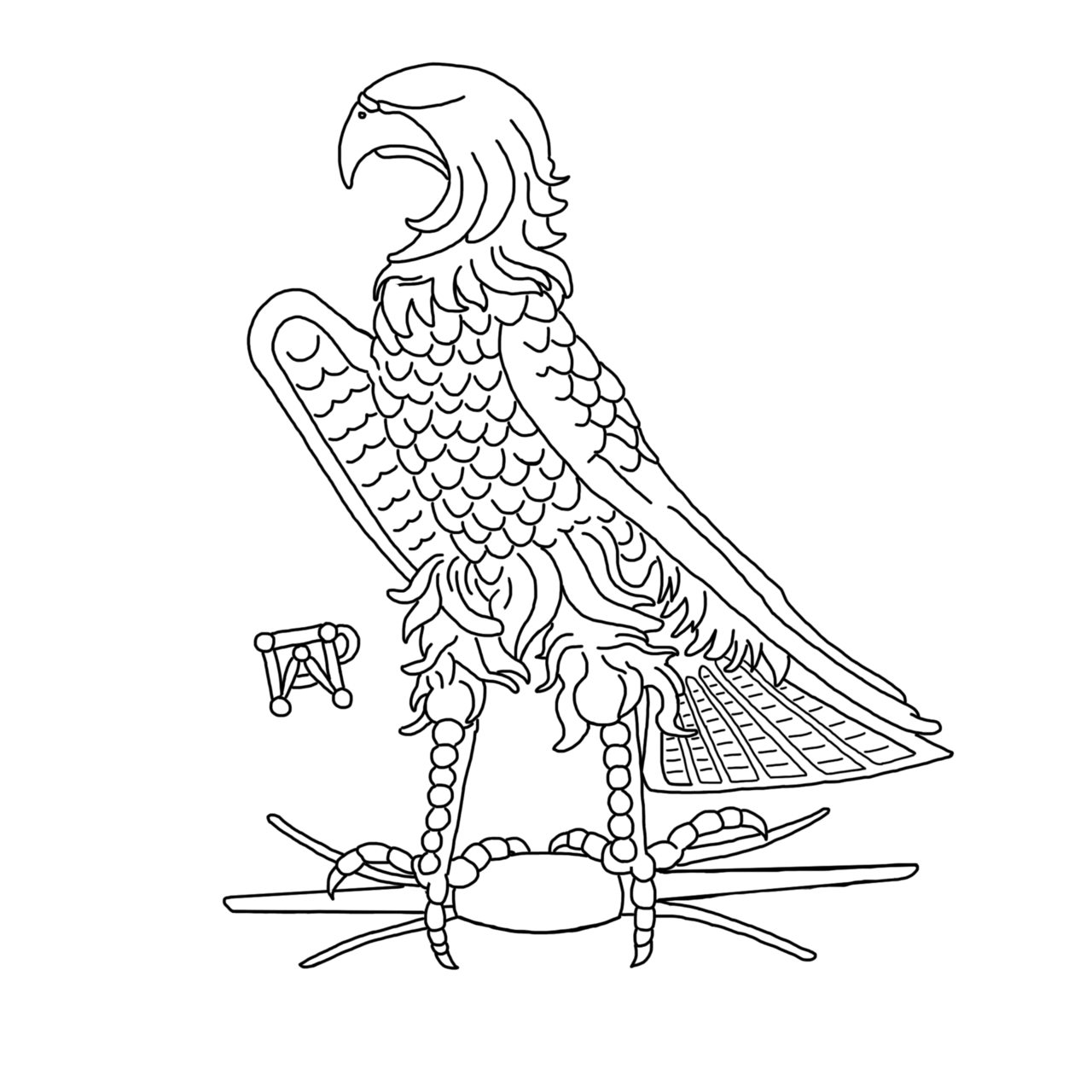
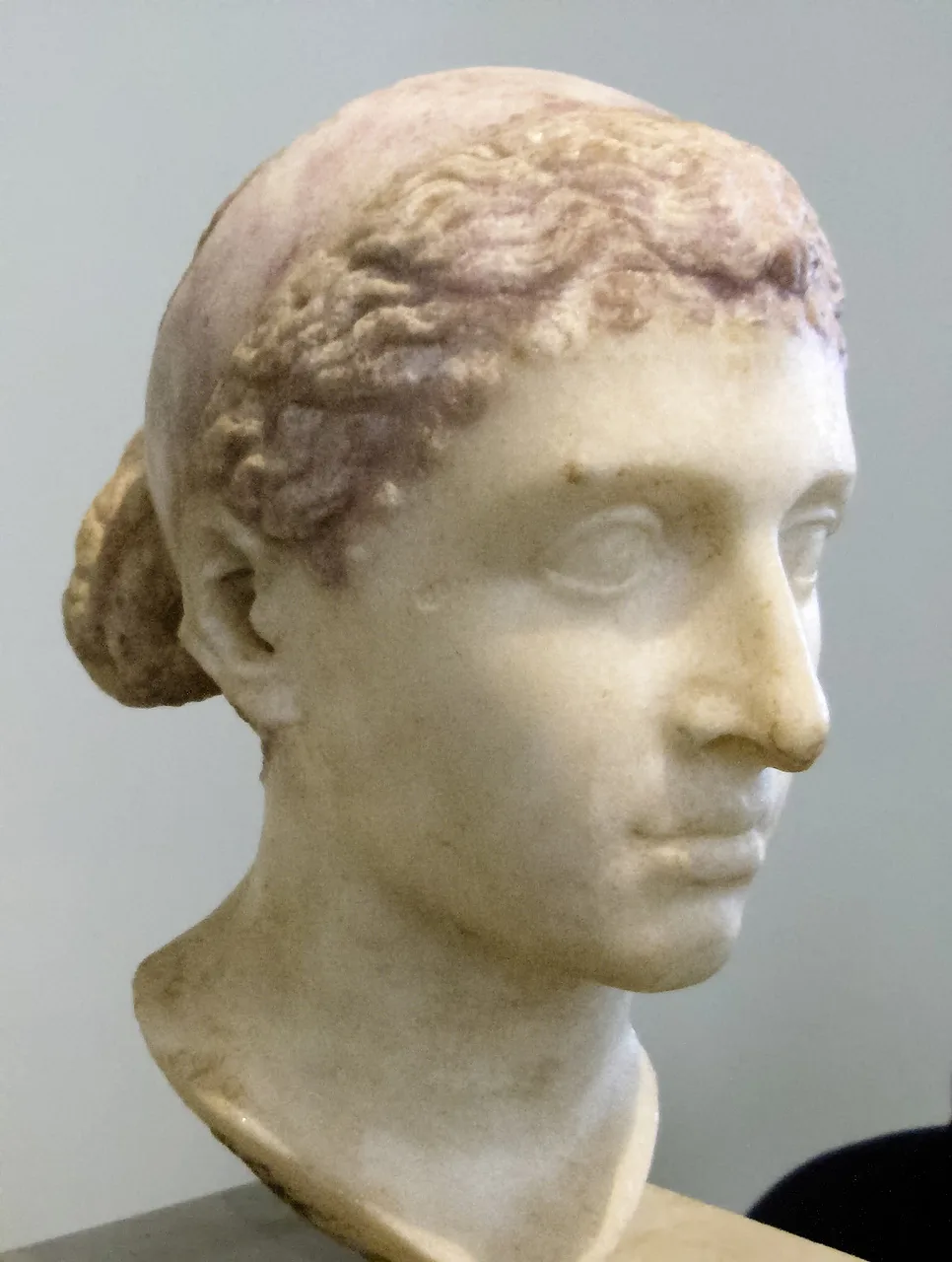
Cleopatra belonged to the Ptolemaic dynasty, founded by Ptolemy I Soter, a Macedonian Greek general of Alexander the Great. Interestingly, she was the first member of her dynasty who actually bothered to learn the Egyptian language, whereas her ancestors spoke only Greek.
Photo: Unknown, Wikimedia Commons, CC BY-SA 4.0.
Pick one
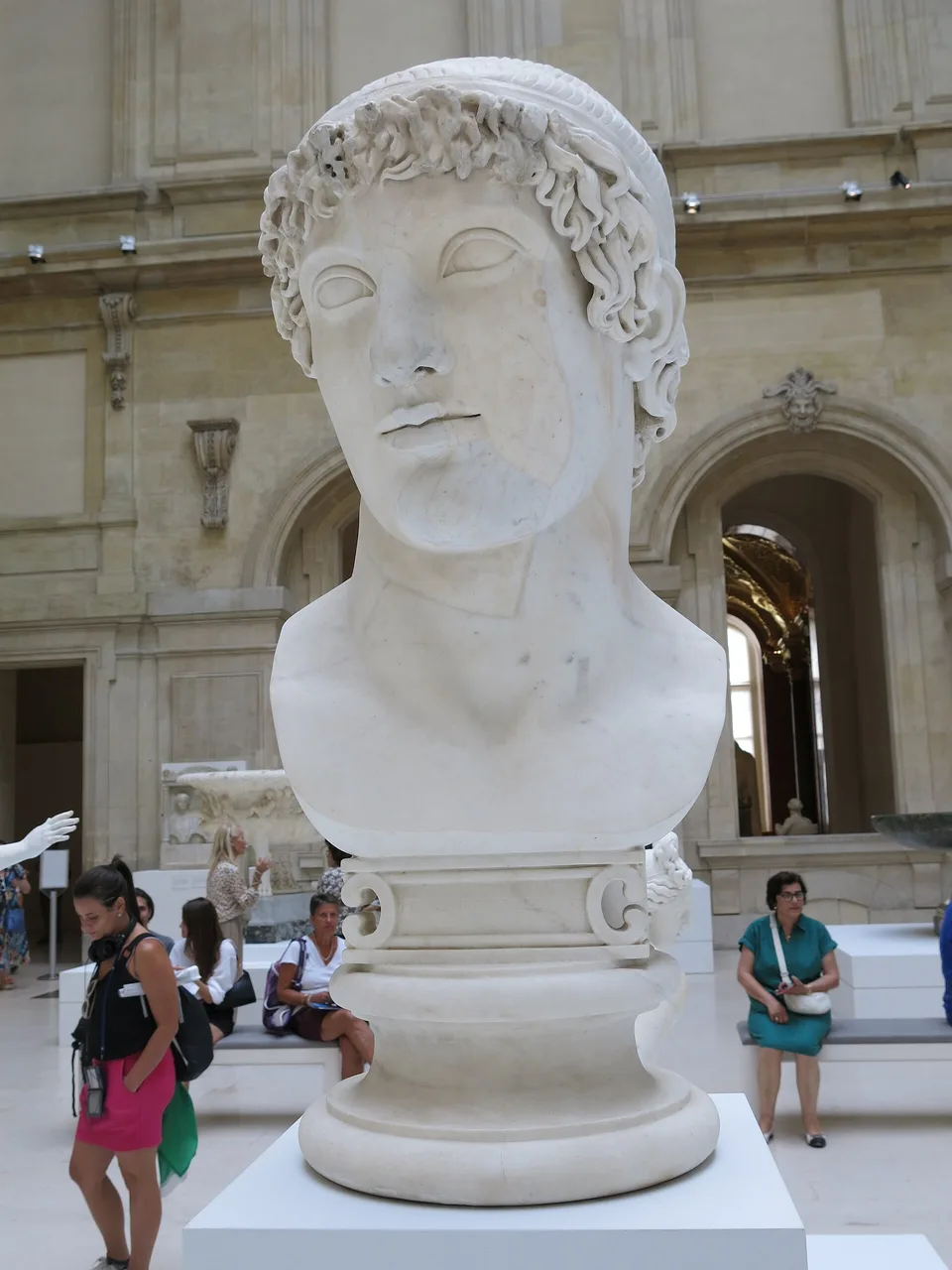
Caesarion means 'little Caesar'. His official name was Ptolemy XV Caesar, and while still a boy he ruled Egypt together with his mother as co-pharaoh. Alexander Helios was one of Cleopatra's children with Mark Antony.
Photo: Wikimedia Commons, CC BY-SA 2.0.
Pick one
Following royal tradition, Cleopatra married her younger brother, Ptolemy XIII, and the two were meant to rule Egypt together. Their partnership soon turned into a bitter quarrel and a civil war, which Cleopatra won with the help of Julius Caesar.
Photo: Tangopaso, Wikimedia Commons, Public domain.
Pick one
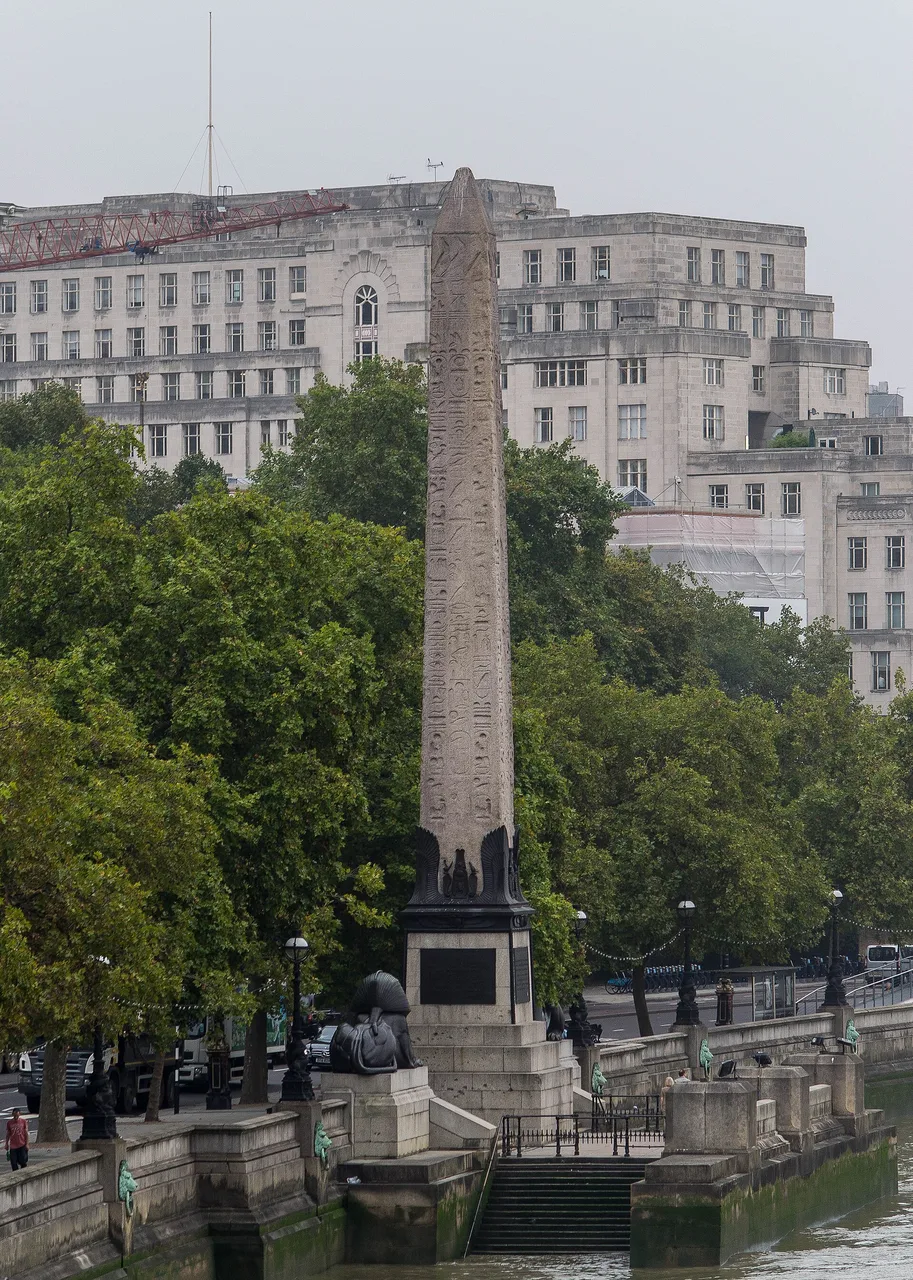
Despite their popular name, these red granite obelisks were carved around 1450 BC for Pharaoh Thutmose III, more than 1,300 years before Cleopatra was born. The Romans later moved them to Alexandria. In the 19th century one was shipped to London's Victoria Embankment, and the other went to New York, where it stands in Central Park.
Photo: MrsEllacott, Wikimedia Commons, CC BY-SA 3.0.
Pick one
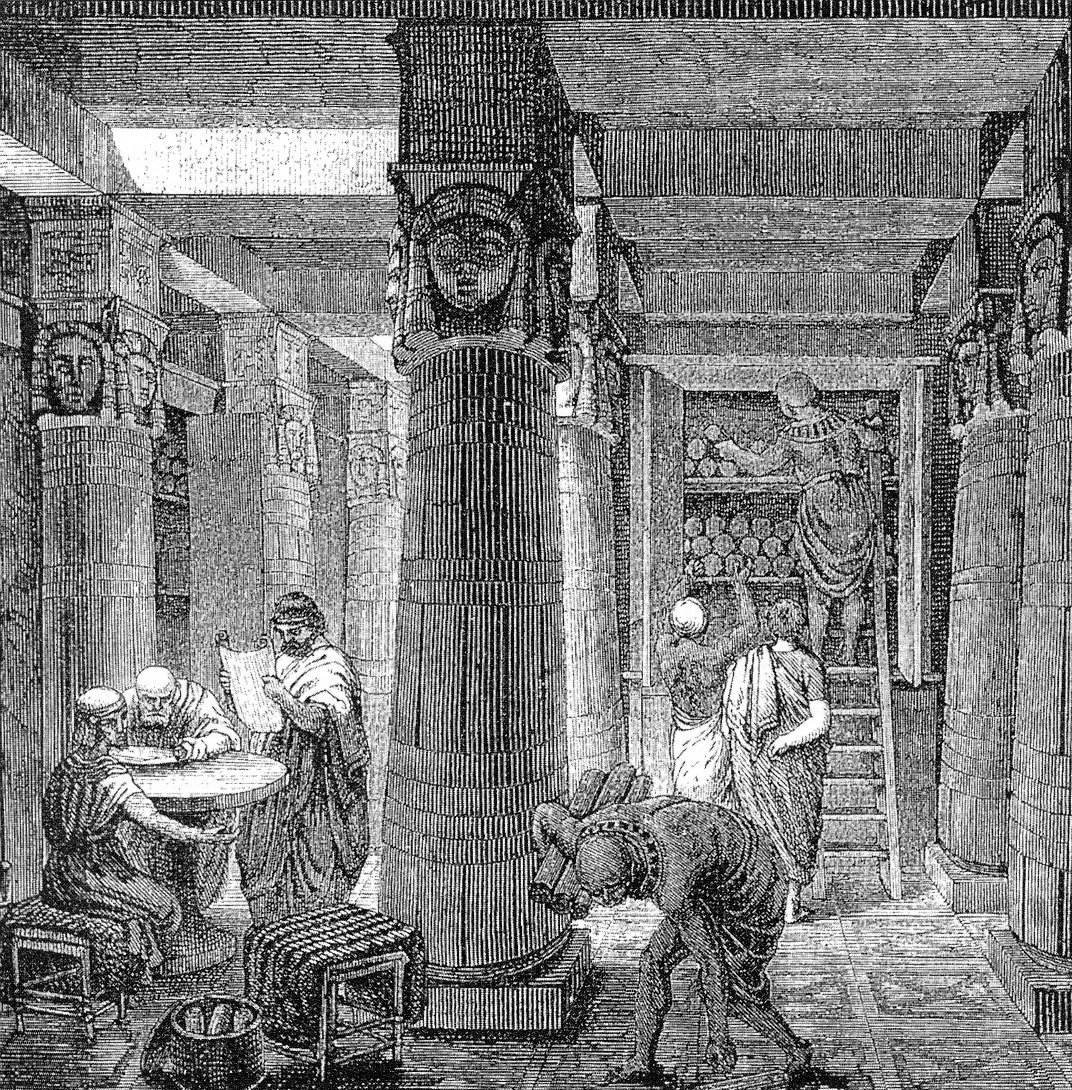
Plutarch reports a claim that Mark Antony gave Cleopatra 200,000 scrolls from the Library of Pergamum, the great rival of Alexandria's collection. Plutarch himself doubted the story, and historians still debate whether it really happened. The Library of Celsus in Ephesus was only built more than a century after Cleopatra's death.
Photo: O. Von Corven, Wikimedia Commons, Public domain.
Pick one
The Uraeus is the upright, rearing Egyptian cobra worn on the brow of pharaohs as a symbol of sovereignty and divine protection. Cleopatra was often shown with a triple uraeus. The cobra, or asp, is also the snake traditionally believed to have caused her death.
Pick one
The Great Pyramid was built around 2600 BC, about 2,500 years before Cleopatra was born in 69 BC. The first Moon landing in 1969 came about 2,000 years after her time. The Colosseum is much closer to her: it opened little more than a century after her reign.
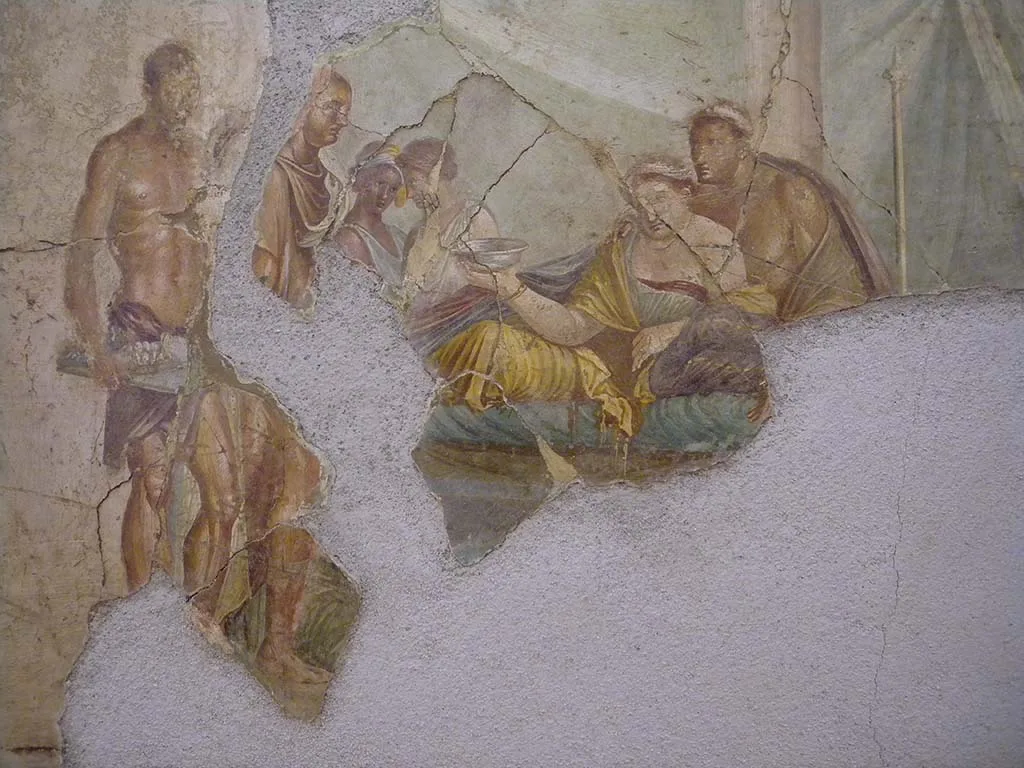
Photo: Douwe C. van der Zee, Wikimedia Commons, CC BY-SA 4.0.


Paste the code into your page. The player fits itself in, and every vote counts in Votur.
On WordPress, Ghost or Squarespace? Just paste the link of this page into your post.
This is how it looks
Also fun