 Get app
Hop on your saddle and test your knowledge of the world's most famous bicycle race! Discover the quirky history, legendary riders, and strange rules of the Tour de France.
Waterboy 0–4 · Peloton Regular 5–8 · Yellow Jersey Wearer 9–10

Tap the right answer
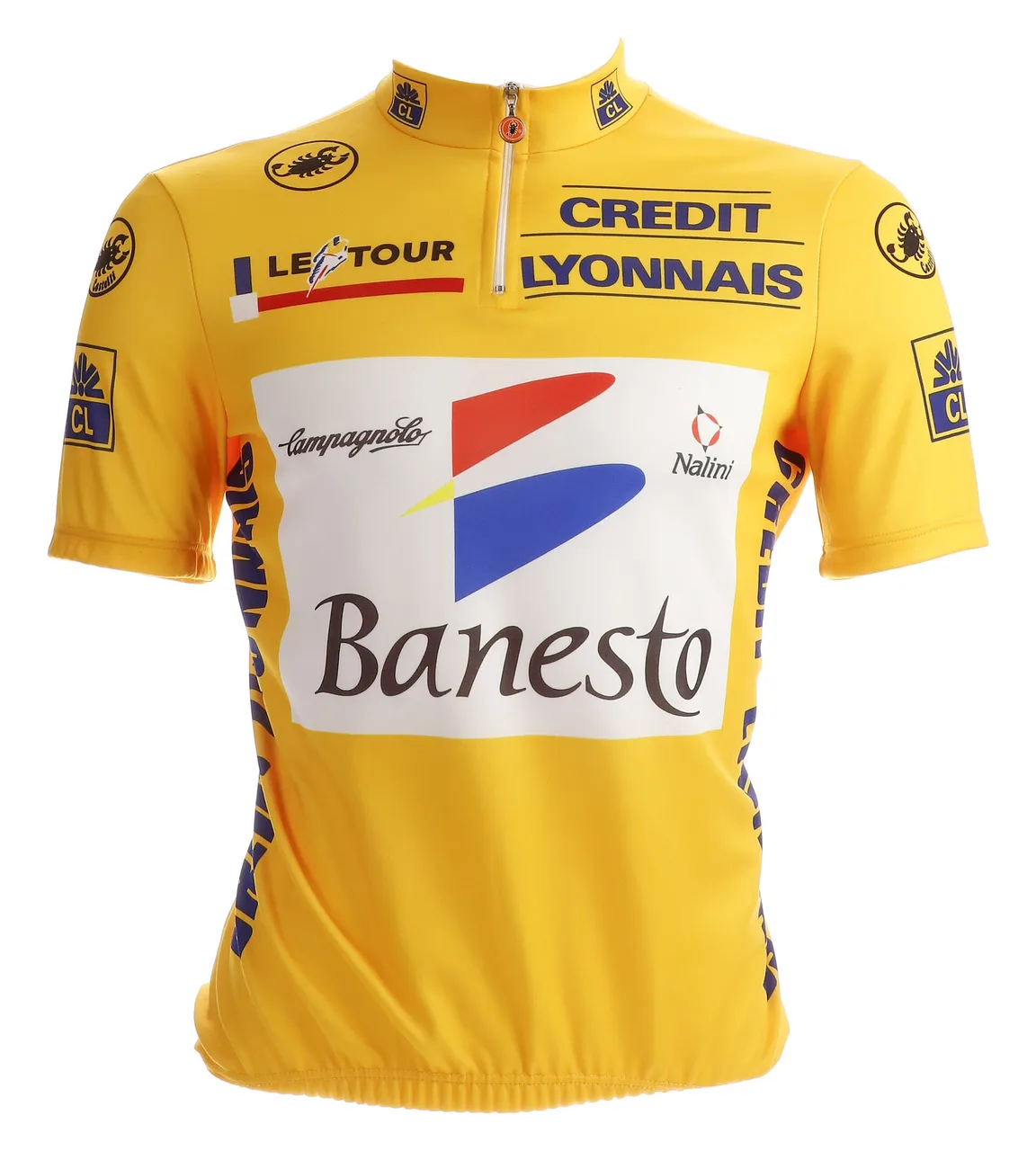
The leader of the general classification wears the iconic yellow jersey, or 'maillot jaune'. This color was originally chosen in 1919 because the sponsoring sports newspaper, L'Auto, was printed on distinctive yellow paper. The green jersey is also prestigious, but it is awarded to the leader of the points classification for sprinters.
Photo: Castelli Cycling, Wikimedia Commons, CC BY-SA 4.0.
Tap the right answer
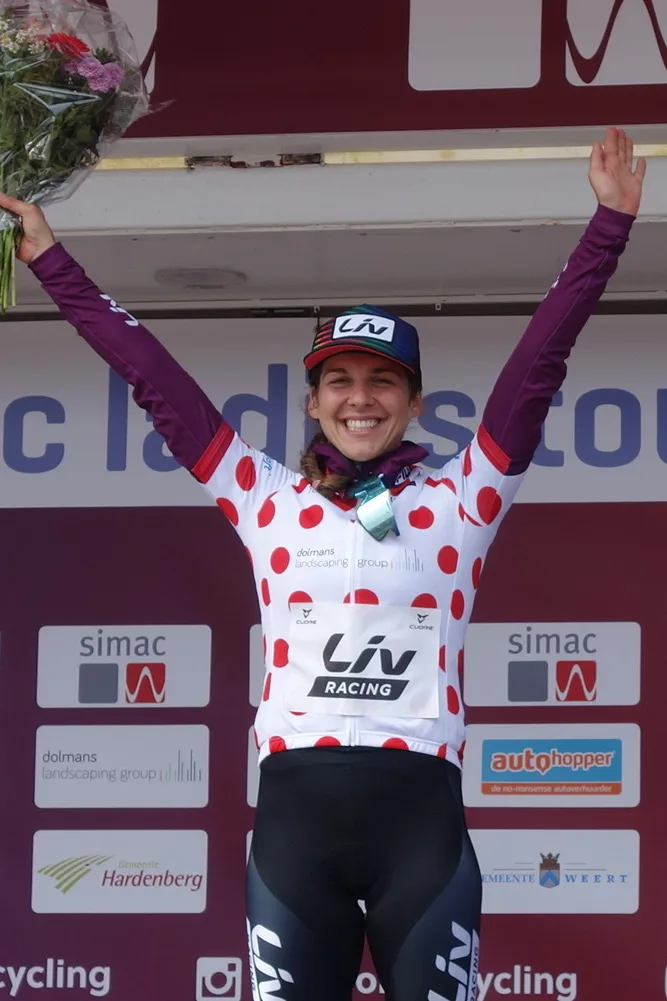
The best climber in the Tour de France wears a white jersey covered in red polka dots. This eye-catching design was introduced in 1975. The pattern was inspired by the wrapper of a popular chocolate bar made by the jersey's original sponsor, Chocolat Poulain.
Photo: Hoebele, Wikimedia Commons, CC BY-SA 4.0.
Tap the right answer
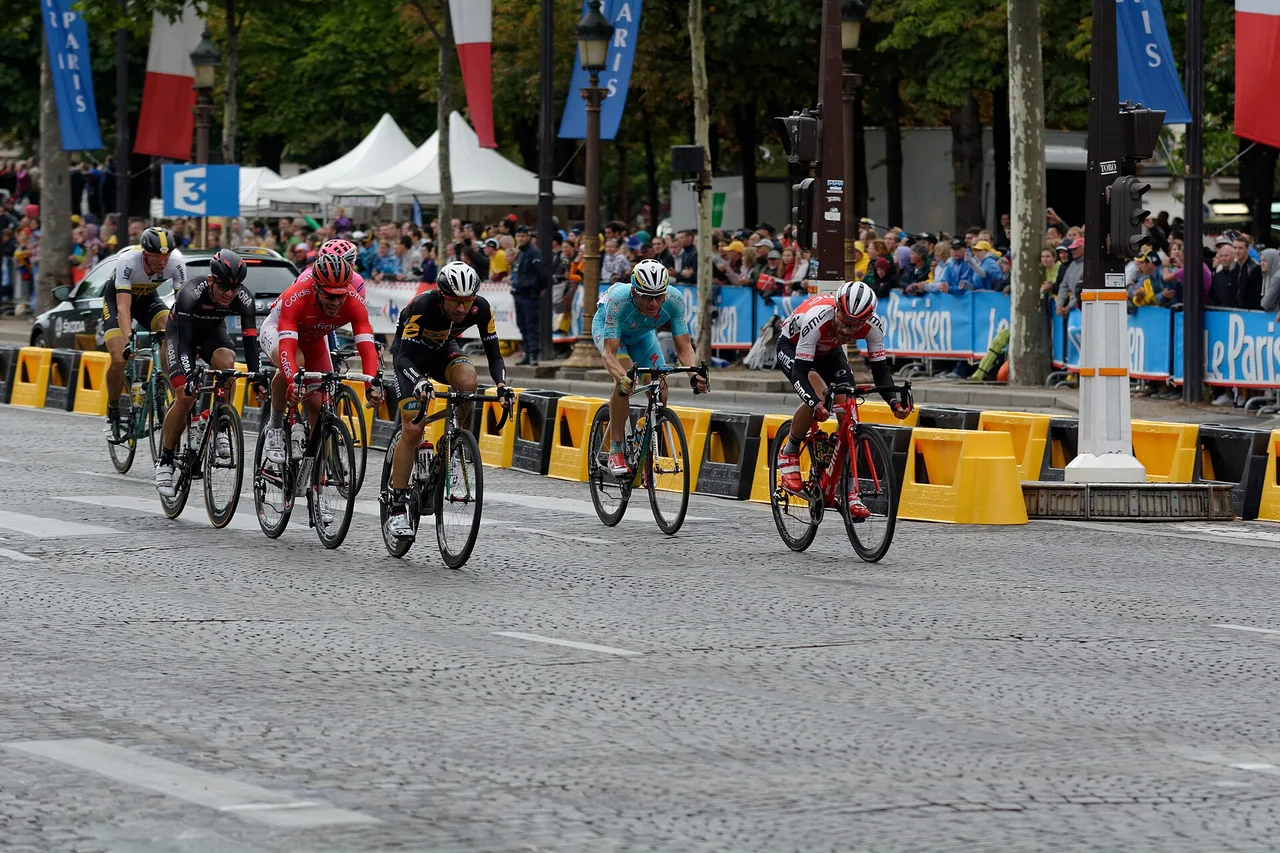
Since 1975, the Tour de France has concluded with a spectacular sprint on the cobblestones of the Champs-Élysées in Paris. It is one of the most prestigious stage wins a sprinter can achieve. While the race usually finishes here, the 2024 edition made history by finishing in Nice due to the Paris Olympic Games.
Photo: youkeys, Wikimedia Commons, CC BY 2.0.
Tap the right answer
The publicity caravan is a massive parade of highly decorated sponsor vehicles that drives along the route about two hours before the cyclists arrive. It is a beloved tradition where millions of promotional items, from keyrings to snacks, are tossed to the waiting crowds. It generates a festive, party-like atmosphere along the roads.
Tap the right answer
The 'lanterne rouge' is the rider who finishes in very last place in the overall standings. The name comes from the red lantern once hung on the back of railway trains to show they were clear. Far from being a disgrace, finishing last is celebrated by fans, and riders have historically competed to get this spot for the media attention.
Tap the right answer
Dutch riders won eight of the first fourteen Tour stages that finished on Alpe d'Huez. Ever since, tens of thousands of Dutch fans gather at bend seven, the 'Dutch corner', dressed in orange. Each of the 21 hairpin bends carries a sign with the names of past stage winners.
Tap the right answer
In the early years of the Tour, cyclists were strictly forbidden from receiving any outside help. If their bike broke down, they had to fix it themselves, often leading to desperate scenes of riders using local blacksmith shops. Carrying spare tires draped over their shoulders was the only way to ensure they wouldn't get stranded.
Tap the right answer
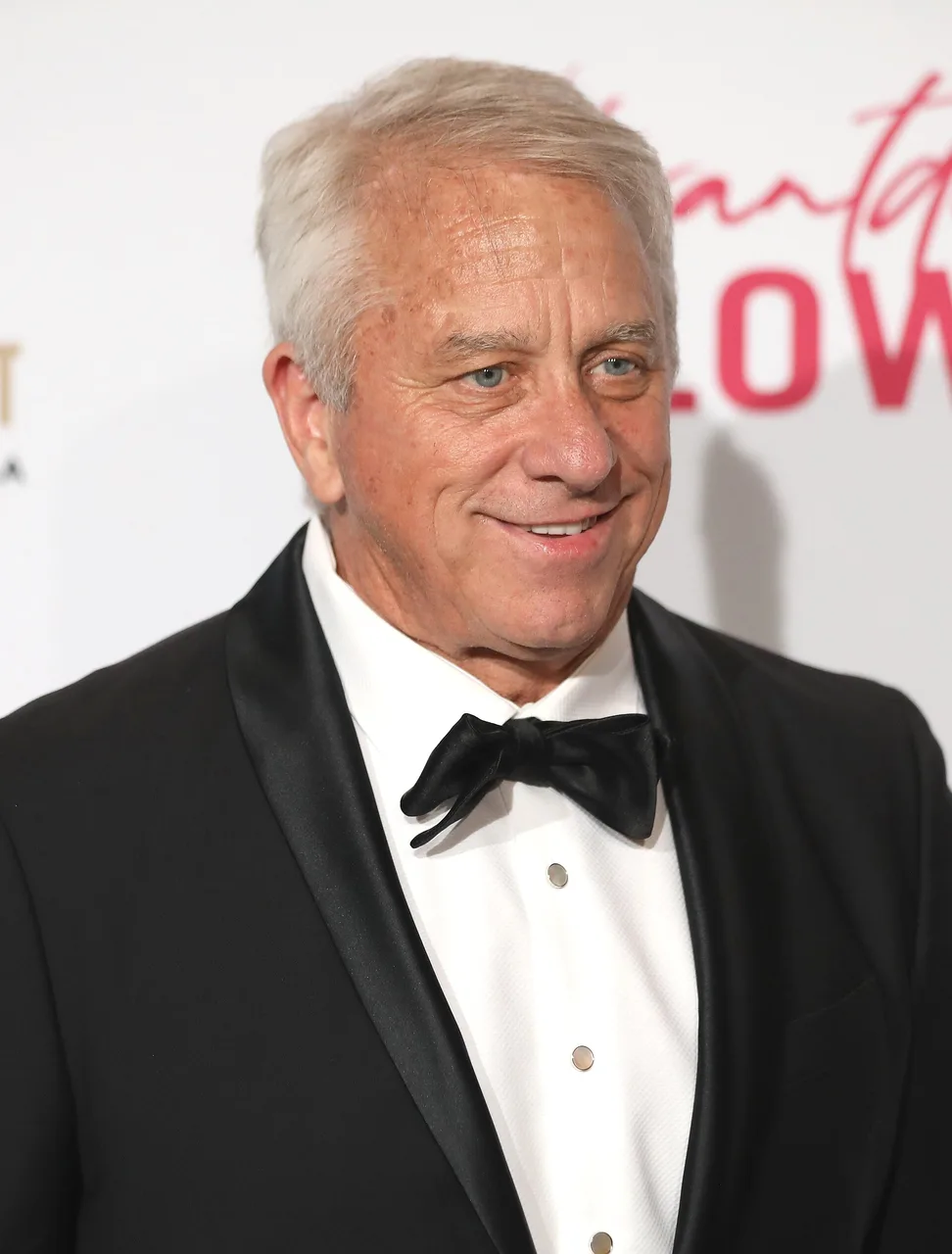
Greg LeMond became the first non-European to win the Tour de France in 1986. He went on to win the race three times in total, including a legendary 1989 victory by a mere eight seconds over Laurent Fignon. Colombia has a rich cycling history and produced great climbers, but did not see its first Tour winner until Egan Bernal in 2019.
Photo: Gage Skidmore, Wikimedia Commons, CC BY-SA 3.0.
Tap the right answer
The peloton is the big pack of riders that moves together. Riding in the middle saves up to a third of the energy, because the riders in front block the wind. Breakaway riders try to escape it, but the peloton often catches them in the final kilometers.
Tap the right answer
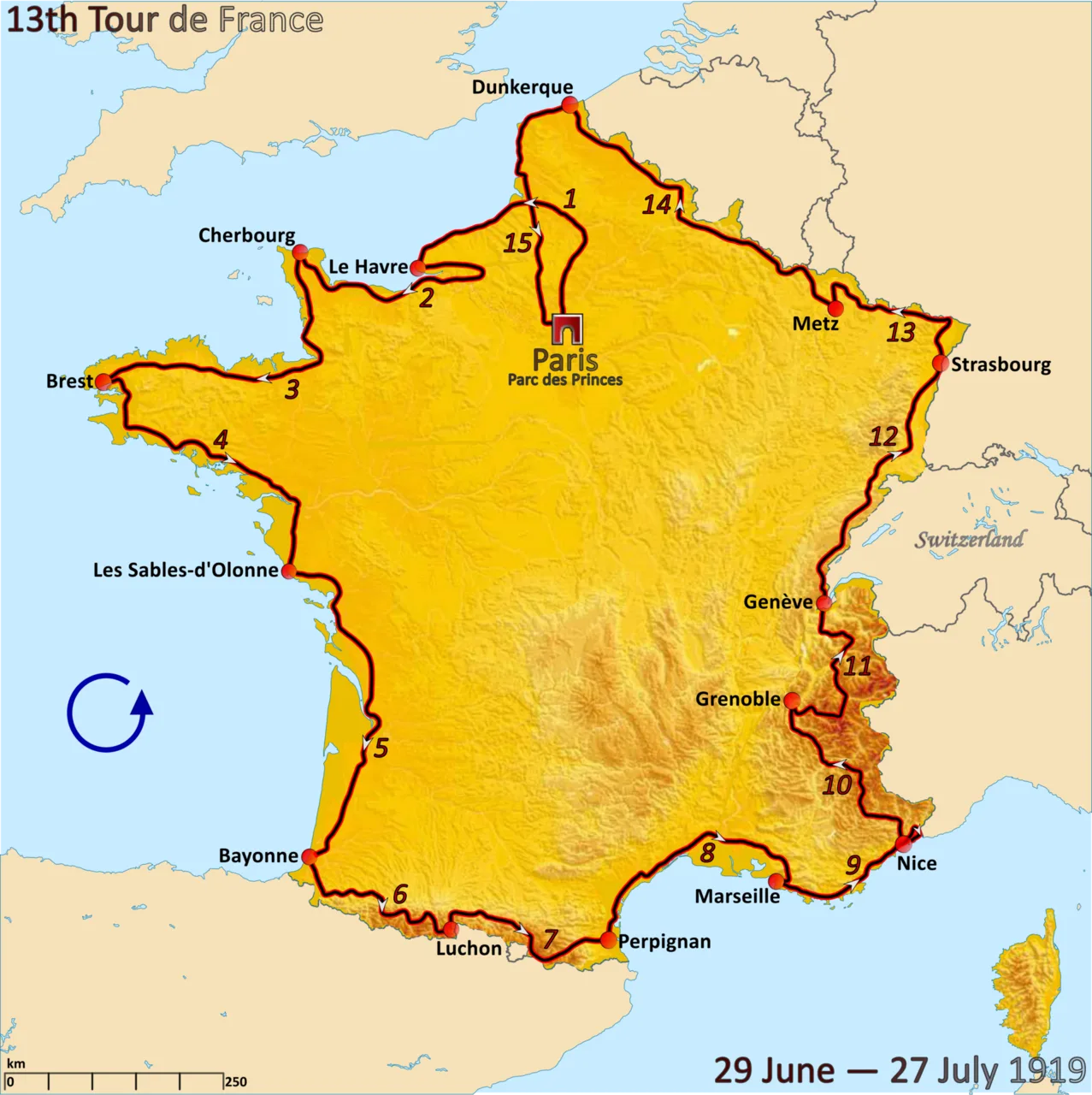
The 1919 Tour de France was notoriously difficult, taking place on roads ruined by World War I. Out of 67 starters, only 11 riders finished the race. The winner, Firmin Lambot, spent over 231 hours in the saddle to complete the 5,560-kilometer course, almost three times as long as modern riders take.
Photo: Andrei loas, Wikimedia Commons, CC BY 4.0.


Want to make a quiz like this yourself? Do it on Votur, it's free.
Paste the code into your page. The player fits itself in, and every vote counts in Votur.
On WordPress, Ghost or Squarespace? Just paste the link of this page into your post.
This is how it looks
Also fun