 Get app
A city of canals, gondolas, masks and glass. Ten questions about the floating city in the north of Italy.
Lost in the alleys 0–4 · Gondola regular 5–8 · Honorary Venetian 9–10

Tap the right answer
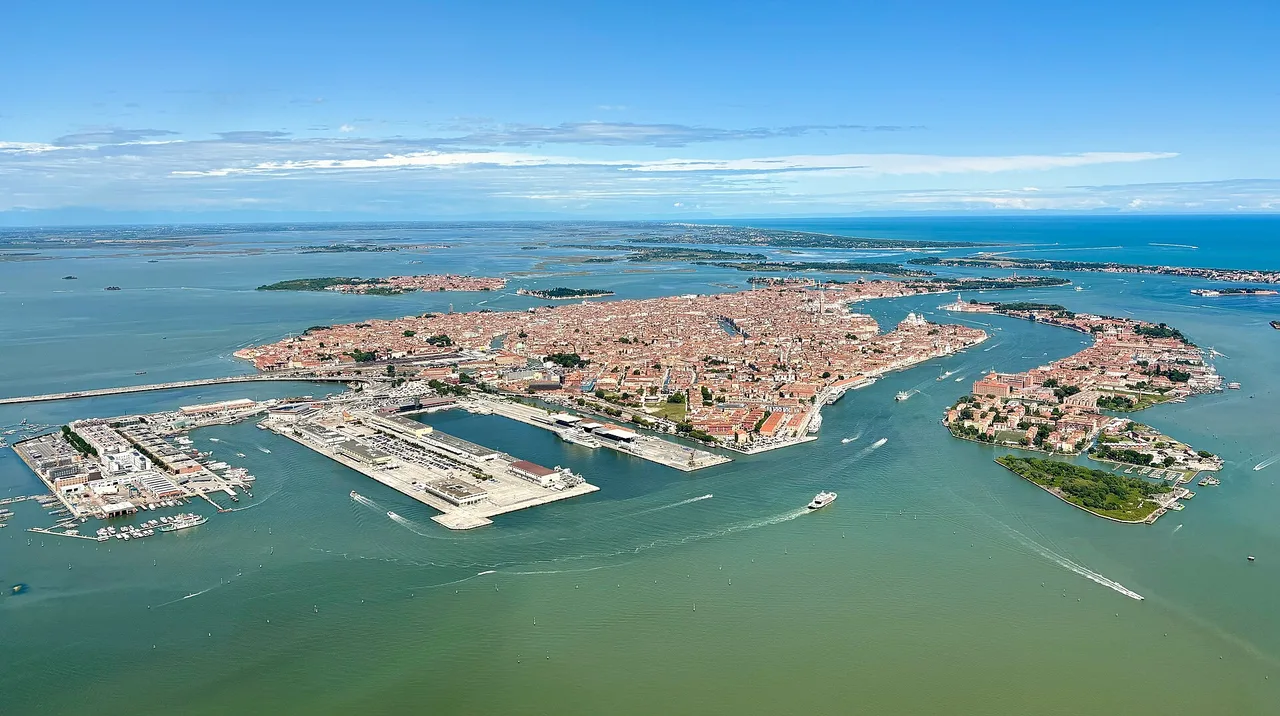
Venice lies in the north-east of Italy, on the Adriatic Sea. Croatia is just across the water.
Photo: kallerna, Wikimedia Commons, CC BY-SA 4.0.
Tap the right answer
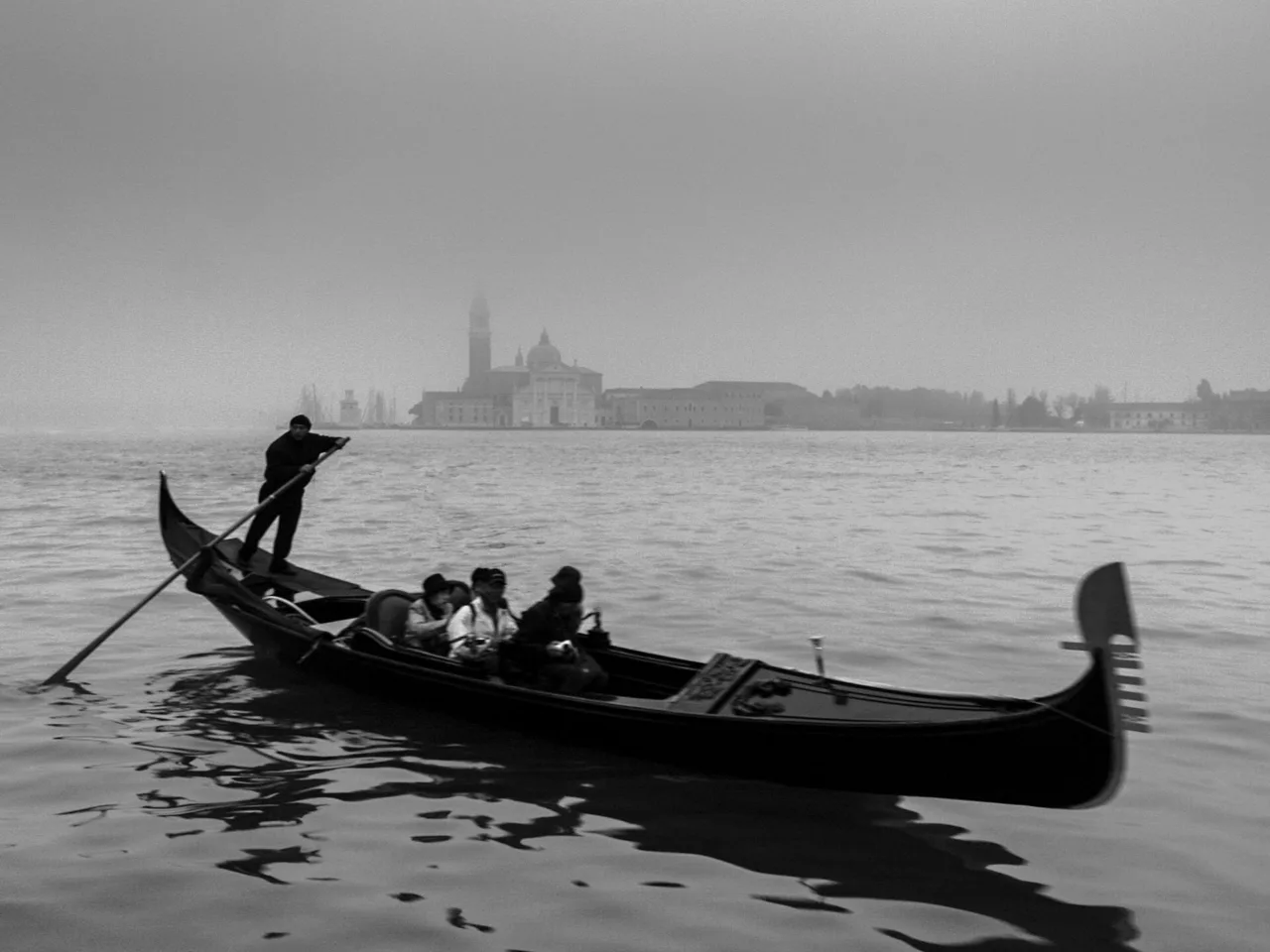
A gondolier stands at the back and rows with a single oar. Feluccas are real boats too, with a sail, but you find them on the Nile in Egypt.
Photo: Njsmith3, Wikimedia Commons, CC BY-SA 4.0.
Tap the right answer
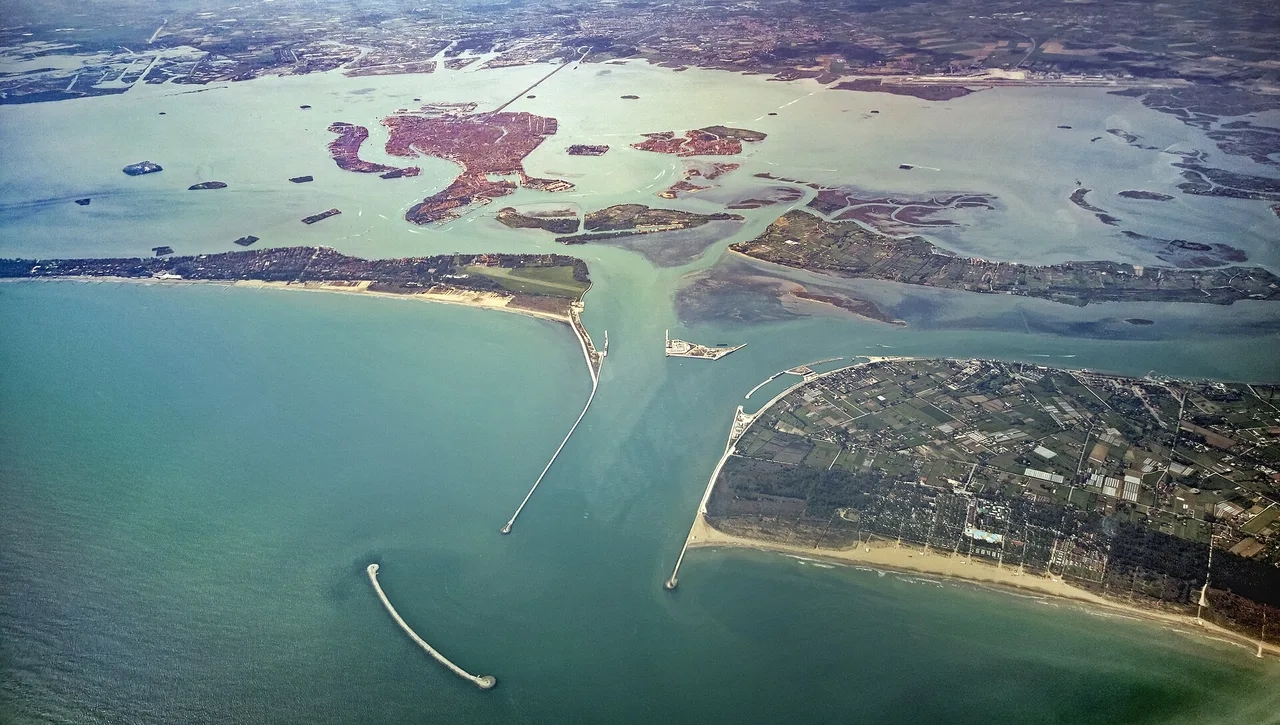
The city is spread over about 118 small islands in a lagoon, linked by more than 400 bridges.
Photo: Didier Descouens, Wikimedia Commons, CC BY-SA 4.0.
Tap the right answer
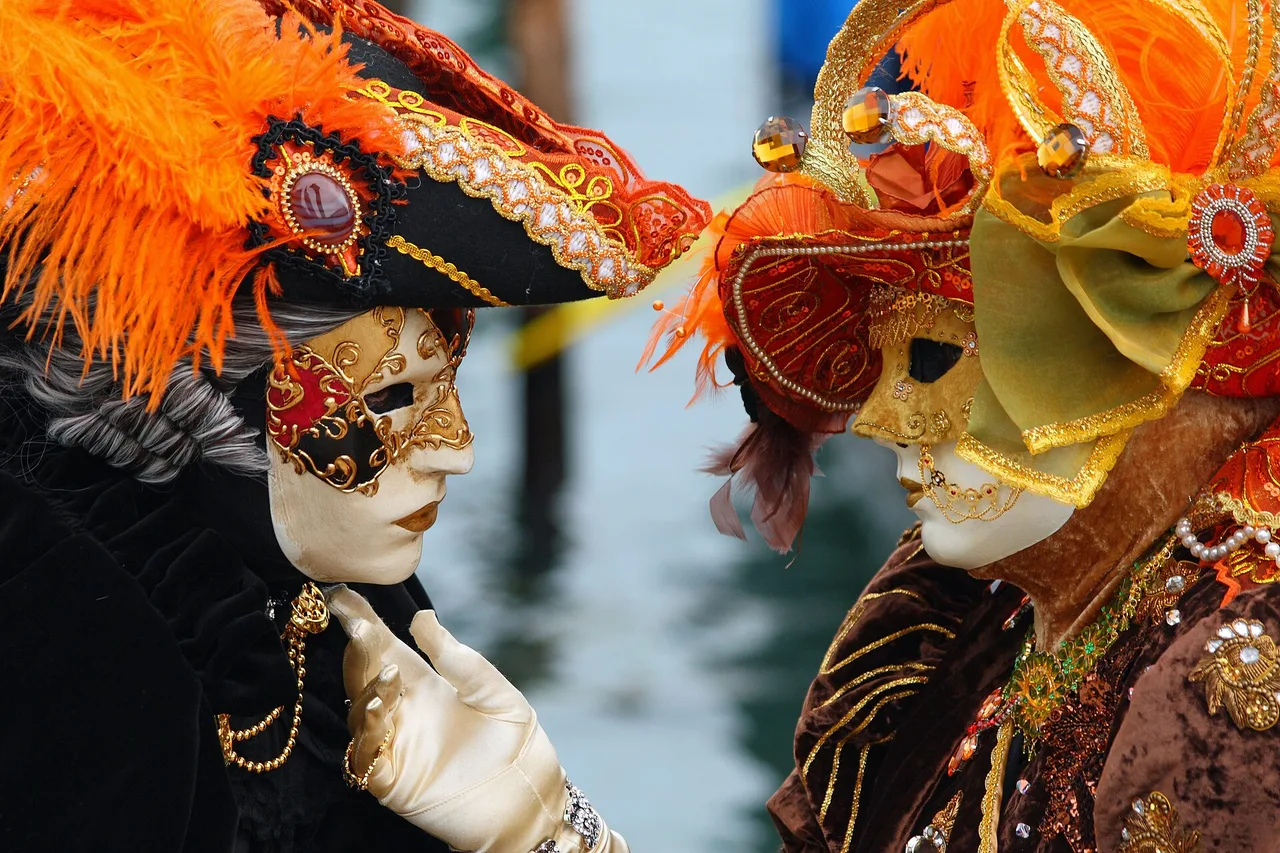
During the Carnival of Venice, in the weeks before Lent, the streets fill with masks and costumes. The Palio is a famous horse race, but it is held in Siena.
Photo: Frank Kovalchek from Anchorage, Alaska, USA, Wikimedia Commons, CC BY 2.0.
Tap the right answer
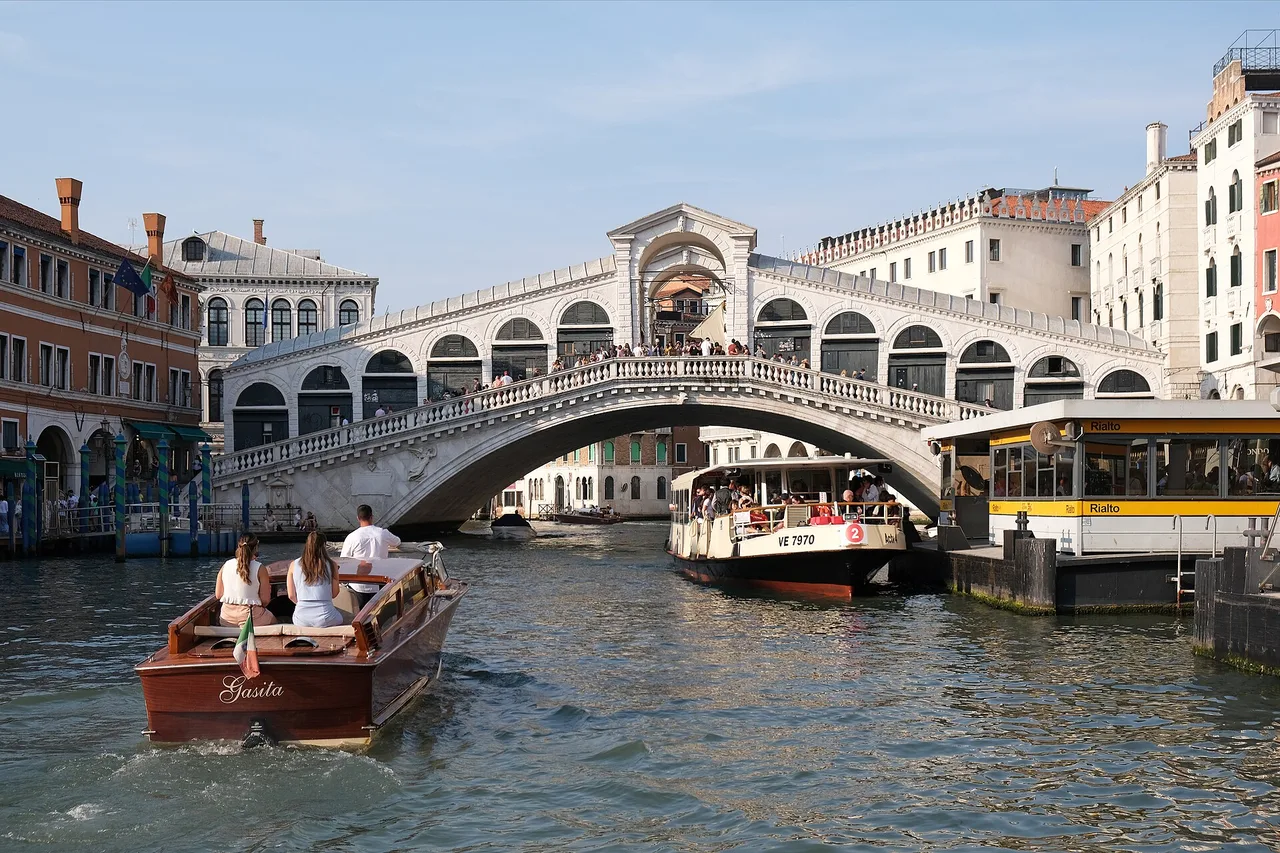
The stone Rialto Bridge was finished in 1591 and has shops on both sides. The Bridge of Sighs is a small covered bridge that once led to the prison.
Photo: kallerna, Wikimedia Commons, CC BY-SA 4.0.
Tap the right answer
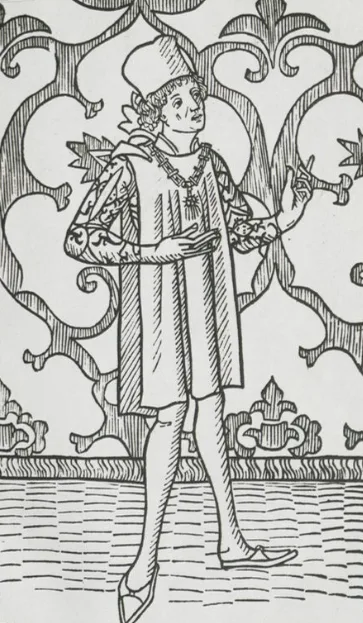
Marco Polo spent years in Asia, and the book about his travels made Europeans dream of China. Columbus came from Genoa, another Italian port city.
Photo: Wikimedia Commons, Public domain.
Tap the right answer
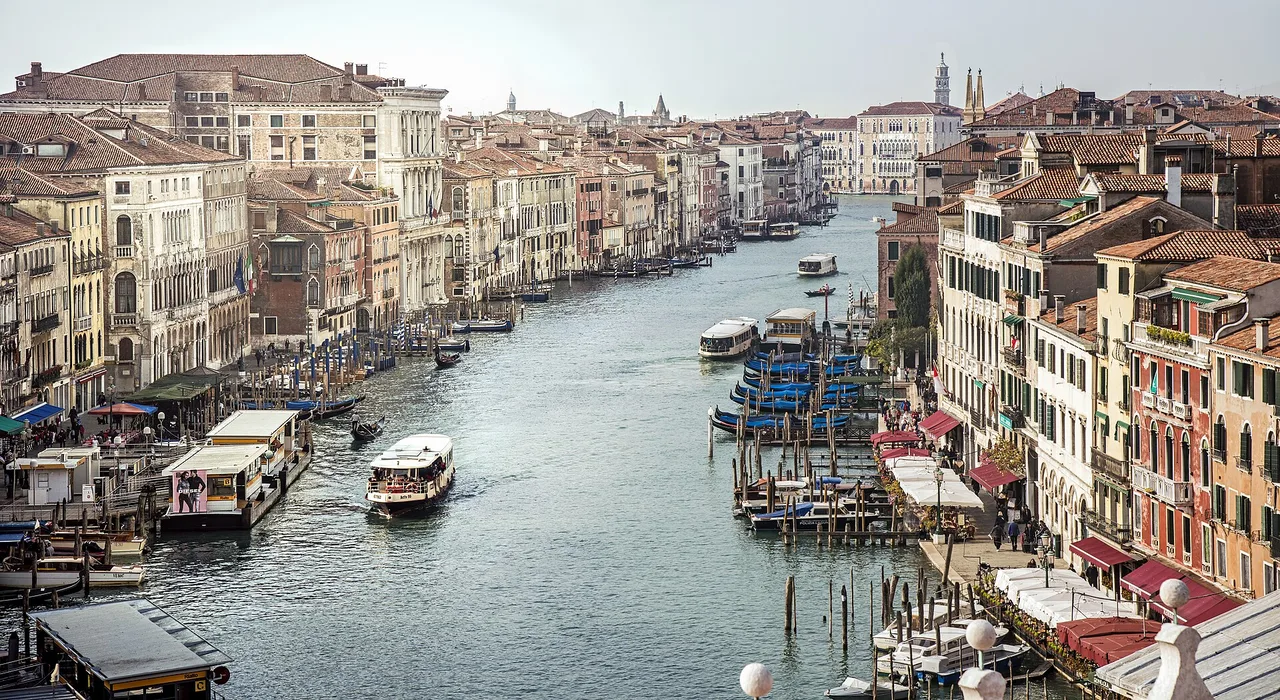
The Grand Canal curves through the city in a big S-shape, lined with old palaces. Water buses, taxis and gondolas use it like a main street.
Photo: Didier Descouens, Wikimedia Commons, CC BY-SA 4.0.
Tap the right answer
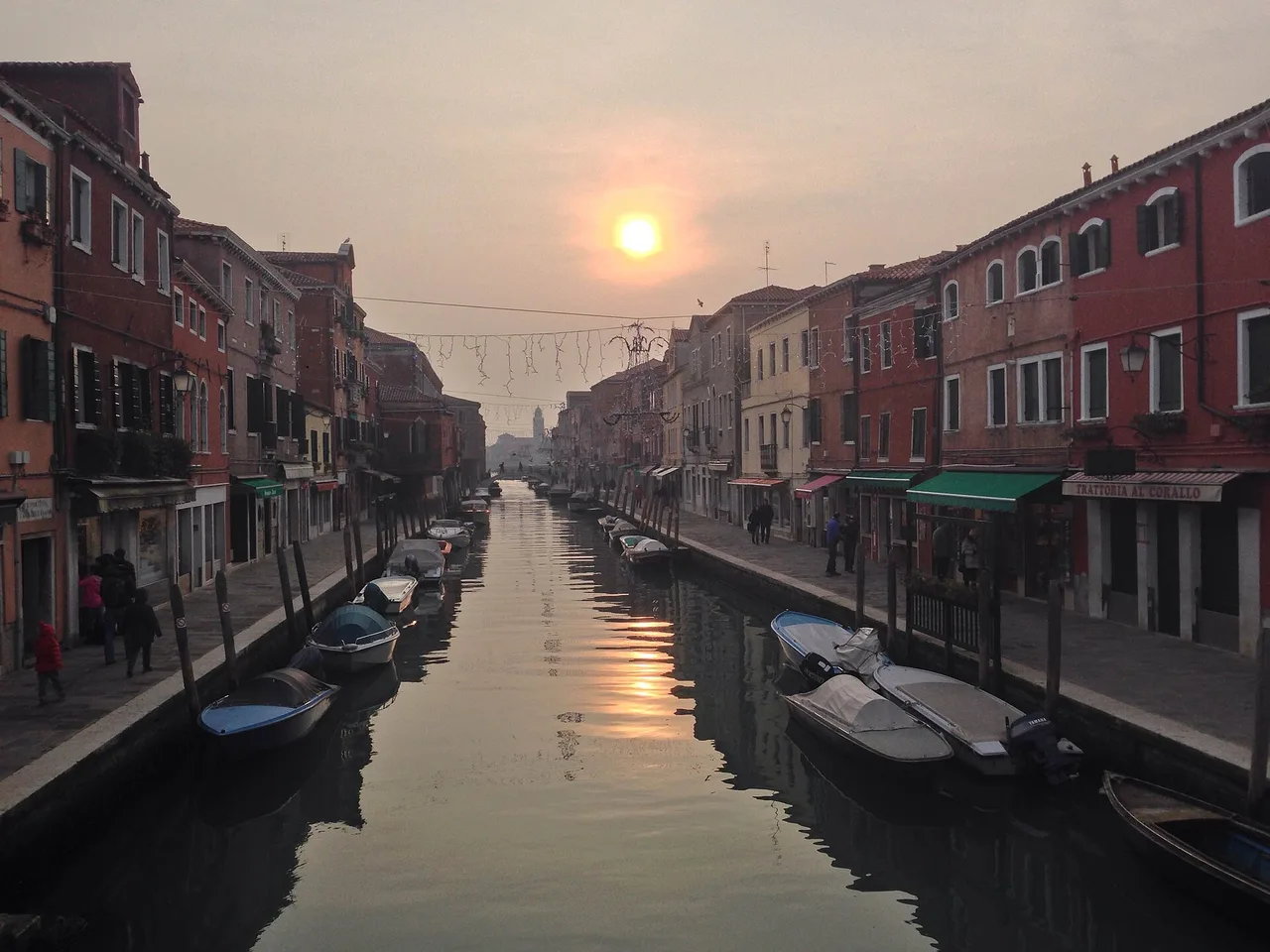
Glassmakers have worked on Murano for more than 700 years. Lace is the speciality of Burano, the island with the brightly painted houses.
Photo: Wittylama, Wikimedia Commons, CC BY-SA 4.0.
Tap the right answer
Acqua alta means high water. Especially in autumn and winter, the tide can rise so high that St Mark's Square floods, and people walk on raised wooden walkways.
Photo: No machine-readable author provided. EVenise assumed (based on copyright claims), Wikimedia Commons, CC BY-SA 3.0.
Tap the right answer
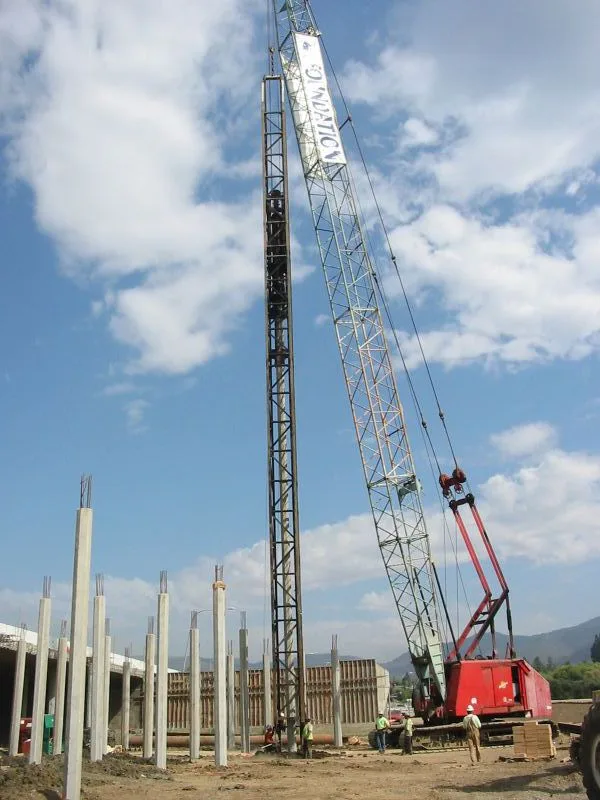
Builders hammered wooden poles into the mud of the lagoon. Under water and without air, the wood hardly rots, so many of those poles have held up the city for centuries.
Photo: Argyriou, Wikimedia Commons, CC BY 2.5.


Want to make a quiz like this yourself? Do it on Votur, it's free.
Paste the code into your page. The player fits itself in, and every vote counts in Votur.
On WordPress, Ghost or Squarespace? Just paste the link of this page into your post.
This is how it looks
Also fun