Get app
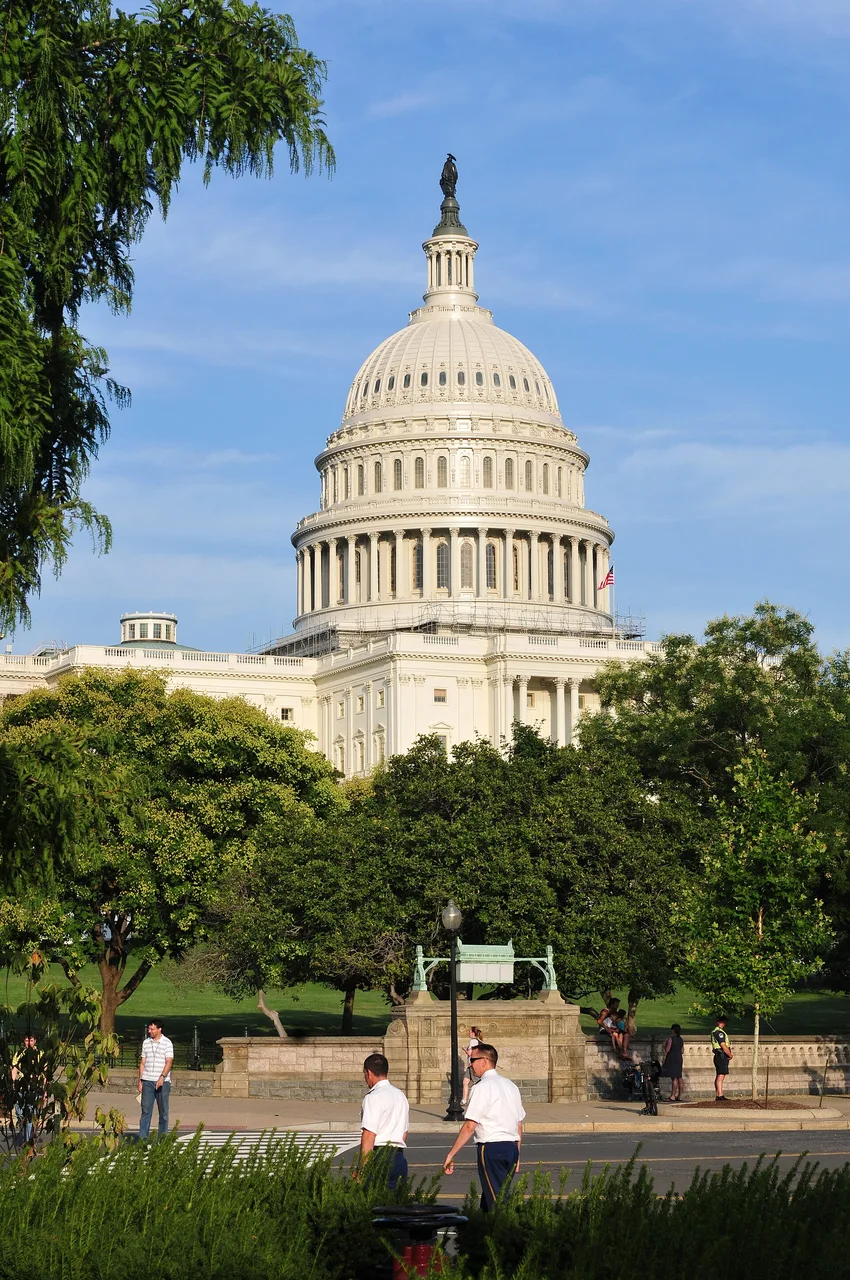
 Photo: Teemu008 from Palatine, Illinois, Wikimedia Commons, CC BY-SA 2.0.
From the bustling streets of Chicago to the fertile prairies and historic riverbanks, how well do you know the Prairie State? Test your knowledge on Illinois history, culture, and landmarks!
Prairie Explorer 0–4 · Midwest Regular 5–8 · True Illinoisan 9–10
Pick one

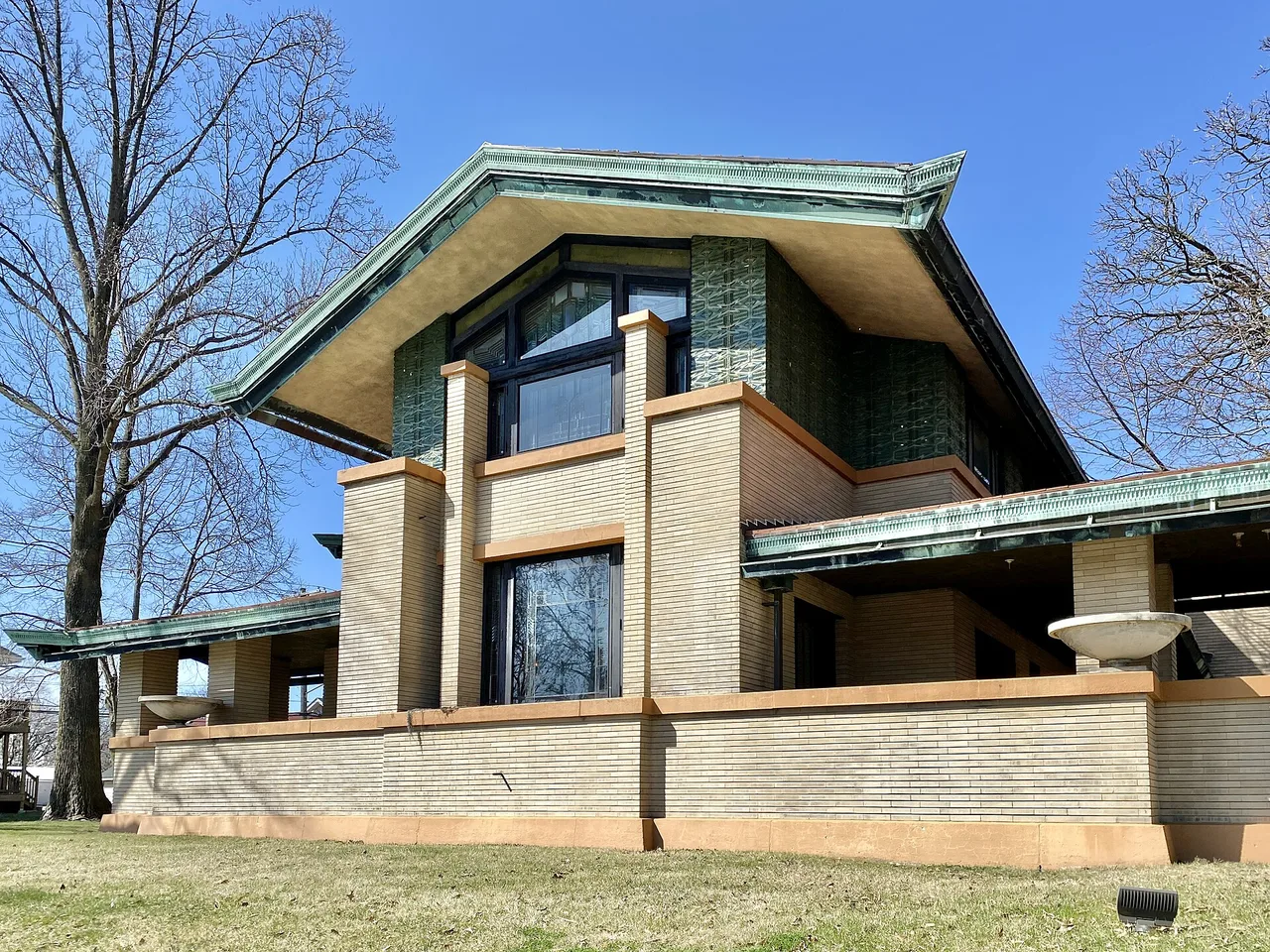
Springfield became the third capital of Illinois in 1839, largely due to the lobbying efforts of a young lawyer named Abraham Lincoln and his colleagues. Before Springfield, the capital was located in Kaskaskia and then Vandalia. Today, visitors can tour the historic Old State Capitol where Lincoln delivered his famous 'House Divided' speech.
Photo: w_lemay, Wikimedia Commons, CC BY-SA 2.0.
Pick one
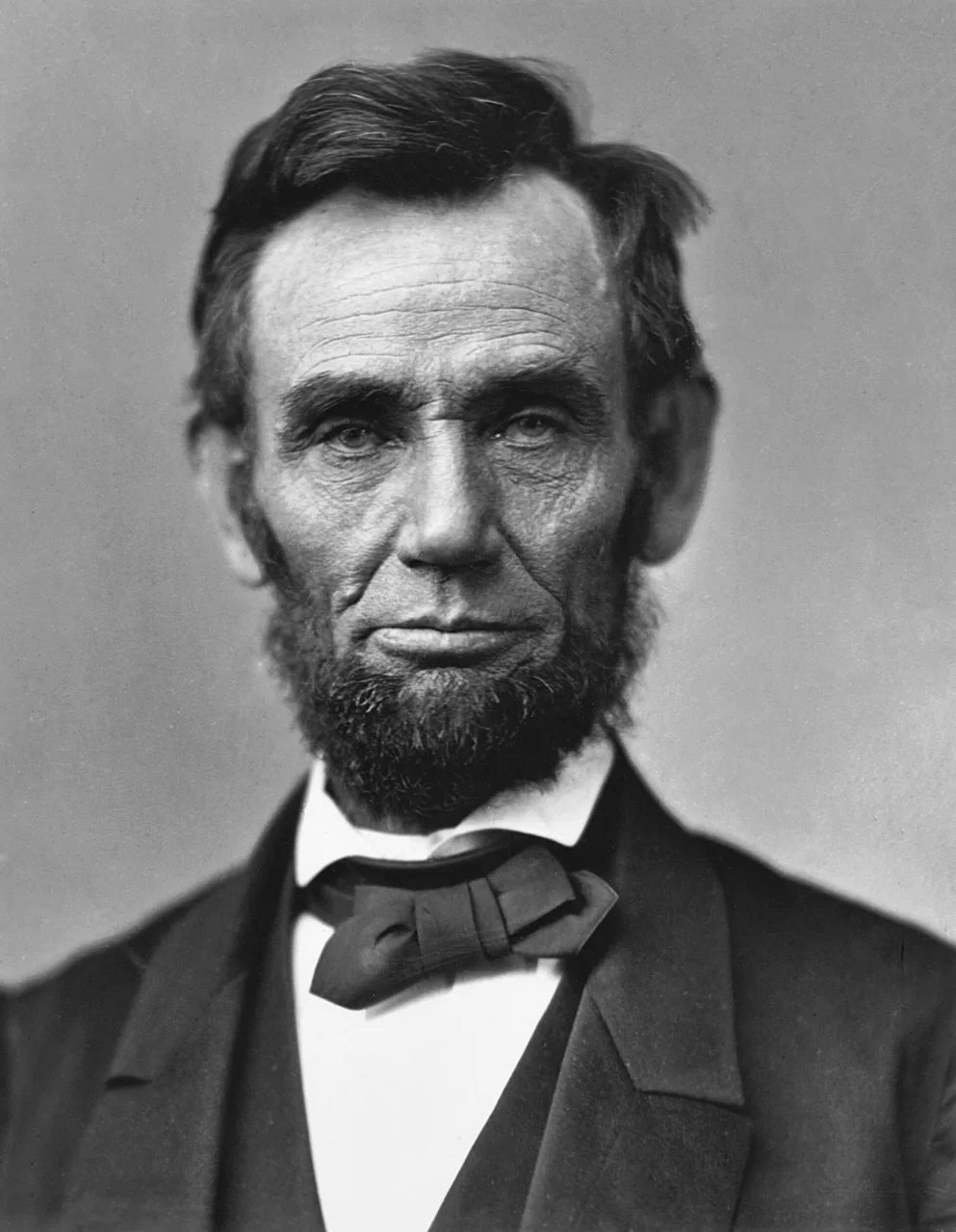
Abraham Lincoln was born in a log cabin in Kentucky in 1809, moved to Indiana at age seven, and finally arrived in Illinois as a young man of 21. Illinois embraced him so deeply that it adopted 'Land of Lincoln' as its state slogan, and his final resting place is a grand tomb located in Springfield.
Photo: Alexander Gardner, Wikimedia Commons, Public domain.
Pick one
Completed in 1973 as the Sears Tower, this 110-story giant held the title of the world's tallest building for nearly 25 years. On a clear day, visitors standing on its famous glass-bottomed Skydeck can see across four different states: Illinois, Indiana, Michigan, and Wisconsin.
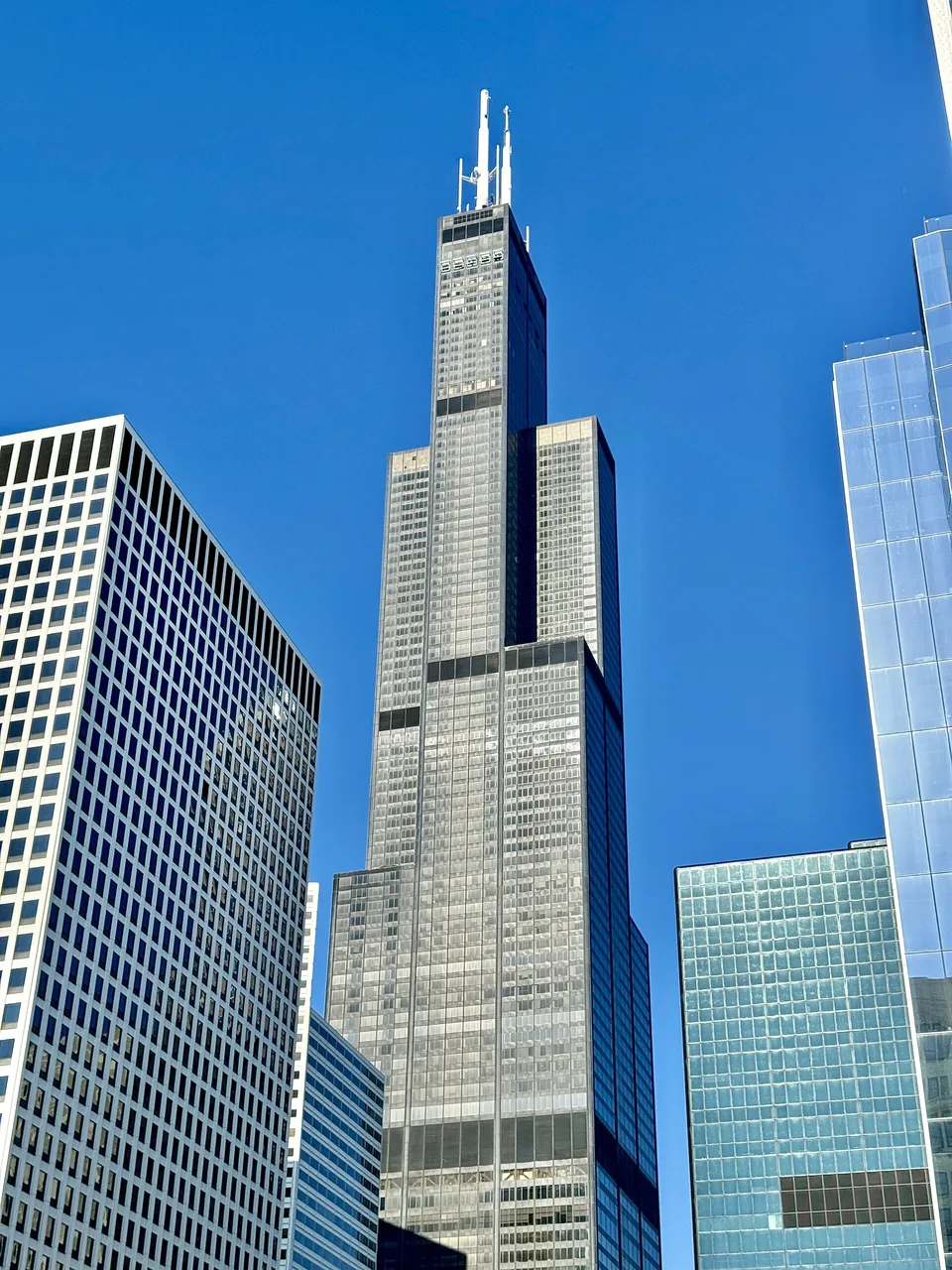
Photo: w_lemay, Wikimedia Commons, CC BY-SA 2.0.
Pick one
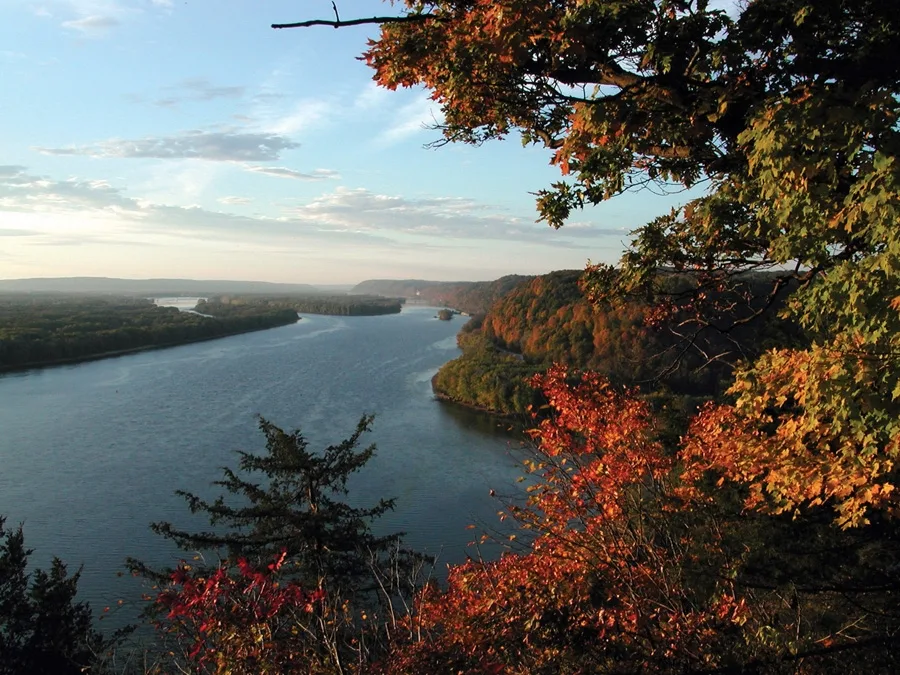
The mighty Mississippi River defines the entire western boundary of Illinois, separating it from Iowa and Missouri. This waterway was crucial for early trade, steamboat travel, and the development of historic river towns like Quincy and Alton.
Photo: NPS photo, Wikimedia Commons, Public domain.
Pick one
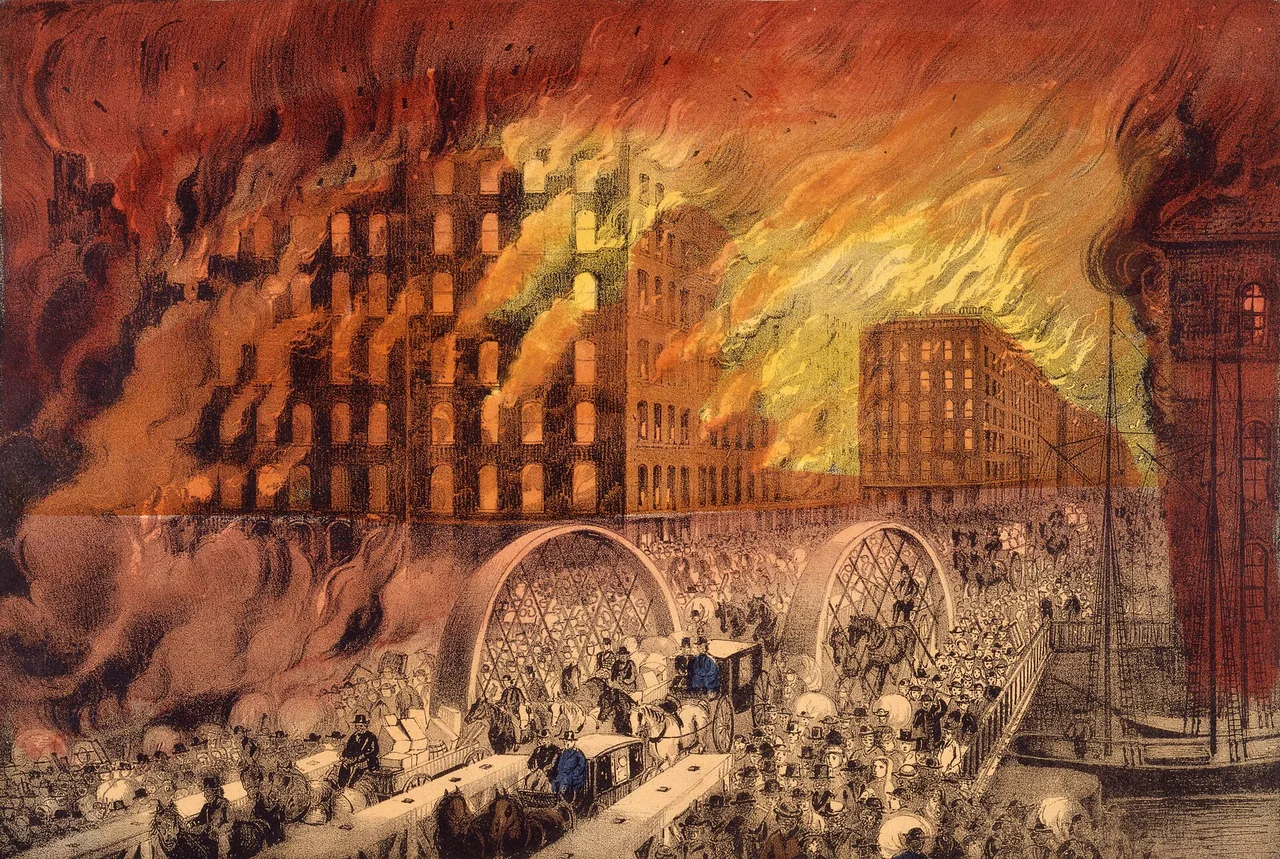
The Great Chicago Fire raged from October 8 to October 10, 1871, killing hundreds of people and leaving over 100,000 residents homeless. The disaster sparked a massive rebuilding boom that pioneered modern skyscraper design. Remarkably, the Chicago Water Tower was one of the very few public structures to survive the flames.
Photo: Currier and Ives, Wikimedia Commons, Public domain.
Pick one
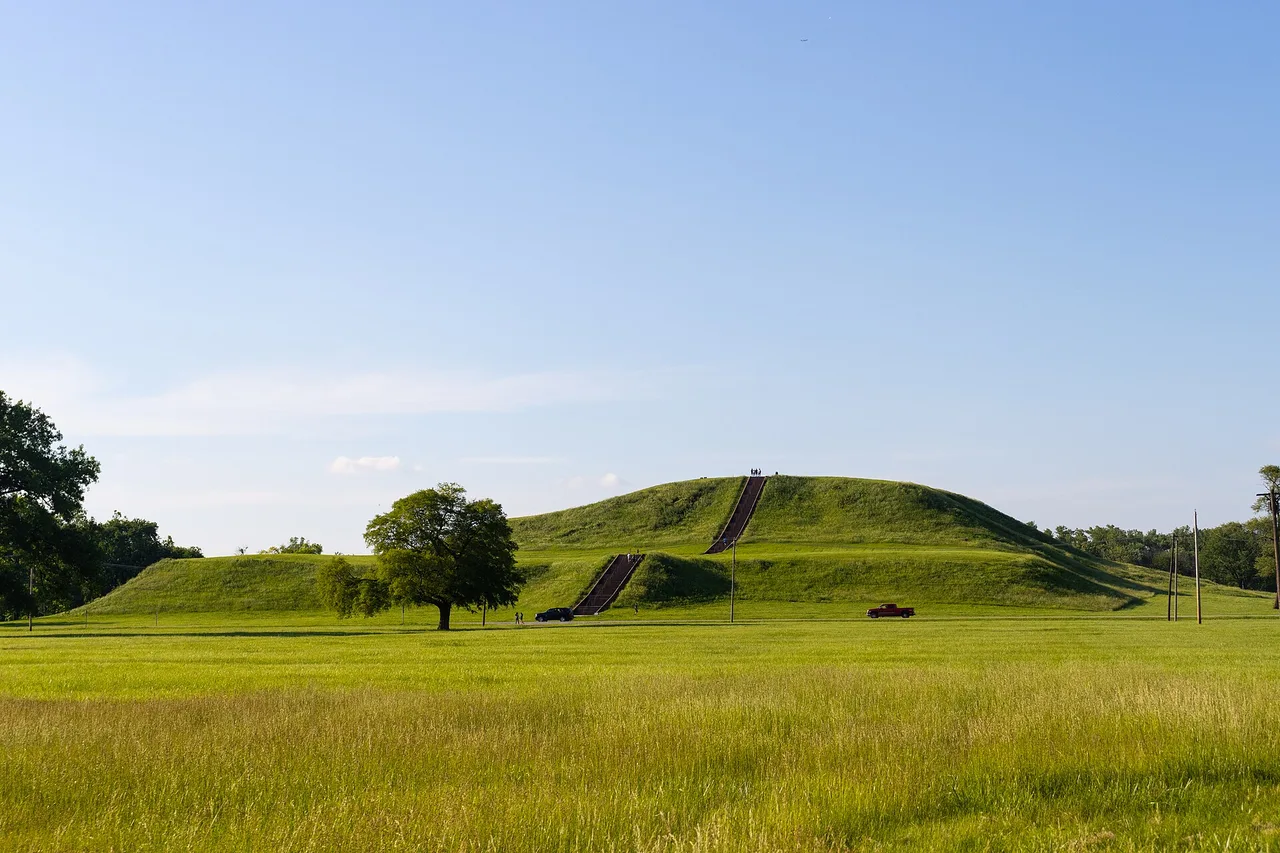
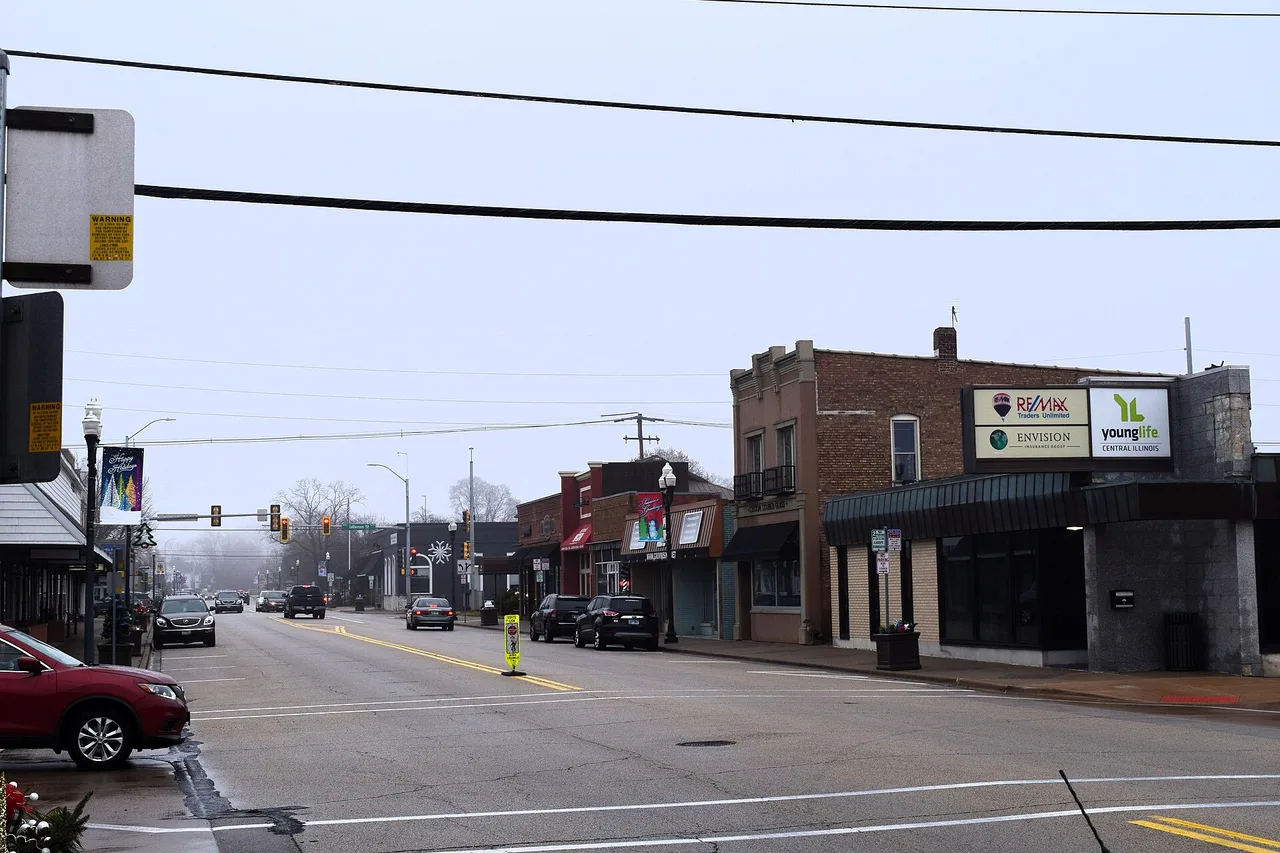
Cahokia Mounds marks the peak of the Mississippian culture, which thrived from about 1050 to 1350 CE. At its height, the city may have been as big as or even bigger than London at the time, with more than 120 earthen mounds. The largest, Monks Mound, rises about 30 metres and was built by carrying baskets of soil by hand.
Photo: Skubasteve834, Wikimedia Commons, CC BY 4.0.
Pick one
Illinois produces about 85% of the canned pumpkin consumed in the United States. The town of Morton, Illinois, hosts a massive annual festival and is home to a major processing plant that packs the vast majority of the nation's pumpkin filling.
Photo: TheCatalyst31, Wikimedia Commons, CC0.
Pick one
Muddy Waters, born McKinley Morganfield, revolutionized the blues by plugging in an electric guitar to be heard over noisy Chicago crowds. His signature sound laid the groundwork for rock and roll, and the British band The Rolling Stones even named themselves after one of his famous songs.
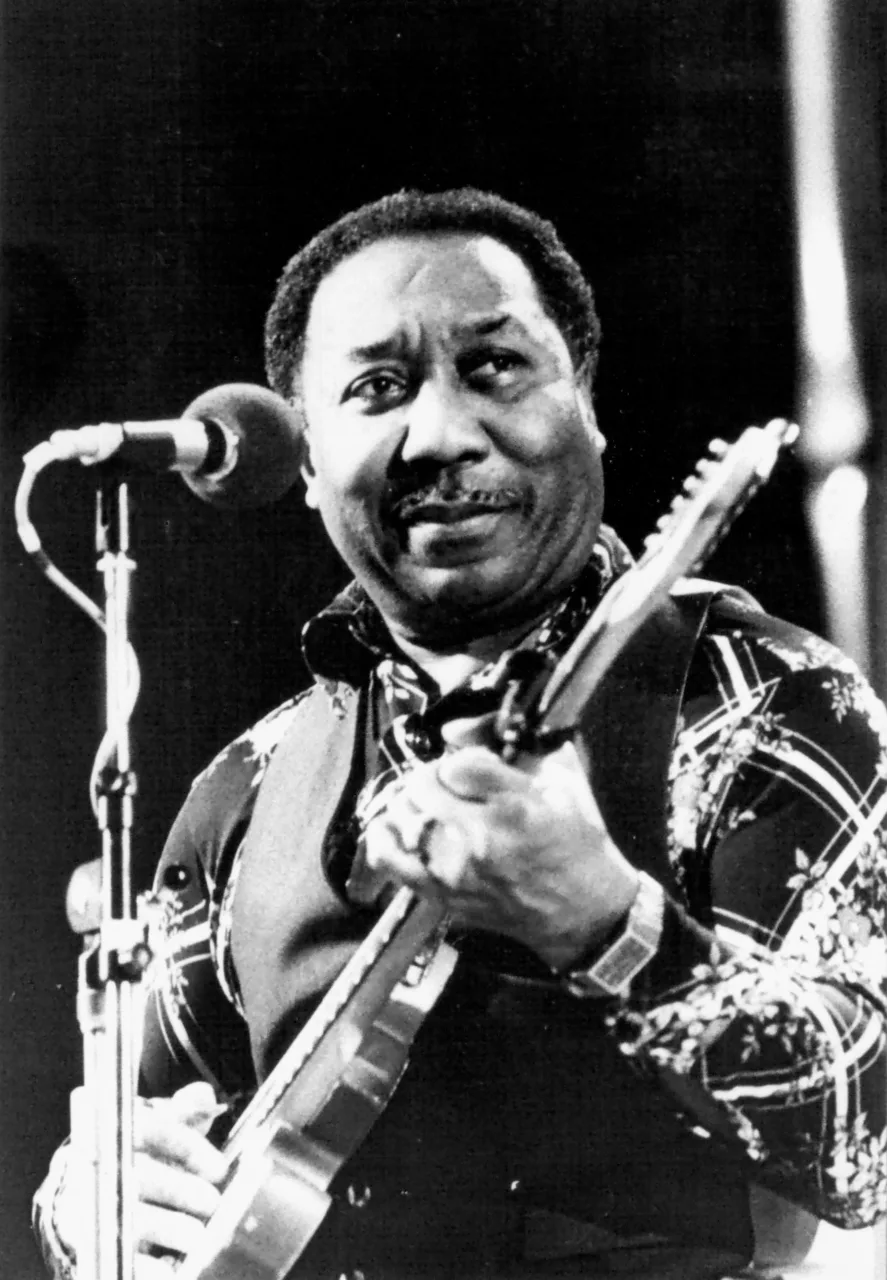
Photo: Lionel Decoster, Wikimedia Commons, CC BY-SA 4.0.
Pick one
The Tully monster (Tullimonstrum gregarium) was a soft-bodied marine animal that lived about 300 million years ago. Its bizarre anatomy, featuring eyes on stalks and a long snout with a claw, has puzzled paleontologists for decades. It is so unique that its fossils have only been found in the Mazon Creek fossil beds of Illinois.
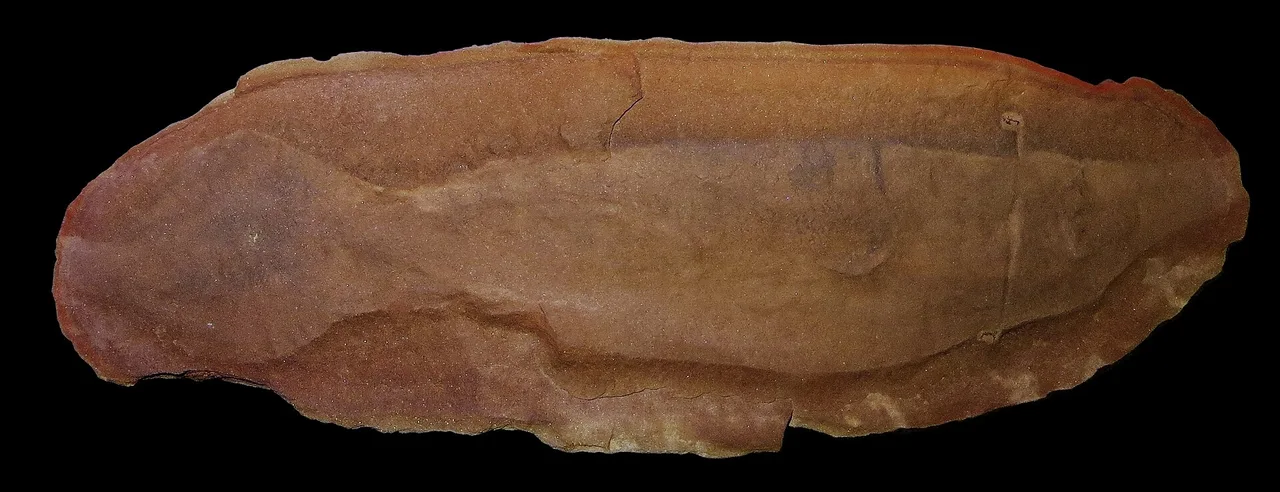
Photo: Ghedoghedo, Wikimedia Commons, CC BY-SA 3.0.
Pick one
Route 66 was officially established in 1926, starting right in downtown Chicago near Grant Park. Known as the 'Mother Road,' it offered a direct path for migrants and tourists heading west. Today, a historic sign on Adams Street marks the official starting point of this legendary highway.


Paste the code into your page. The player fits itself in, and every vote counts in Votur.
On WordPress, Ghost or Squarespace? Just paste the link of this page into your post.
This is how it looks
Also fun