 Get app
 Photo: Myrabella, Wikimedia Commons, CC BY-SA 3.0.
A quiz about your knowledge of the animals in the Pyrenees
Beginner 0–4 · Expert 5–8 · Master 9–10
Pick one

3 votes so far
Brown bears were reintroduced to boost the local population after hunting nearly wiped them out in the region. These solitary mammals spend the entire winter resting in sheltered dens carved into the rocky mountain slopes.
Pick one
The Pyrenean desman looks like a bizarre cross between a mouse and a tiny mole, featuring a flexible snout that acts as a sensory radar to find prey underwater. It relies entirely on touch because its tiny eyes can barely detect any light.
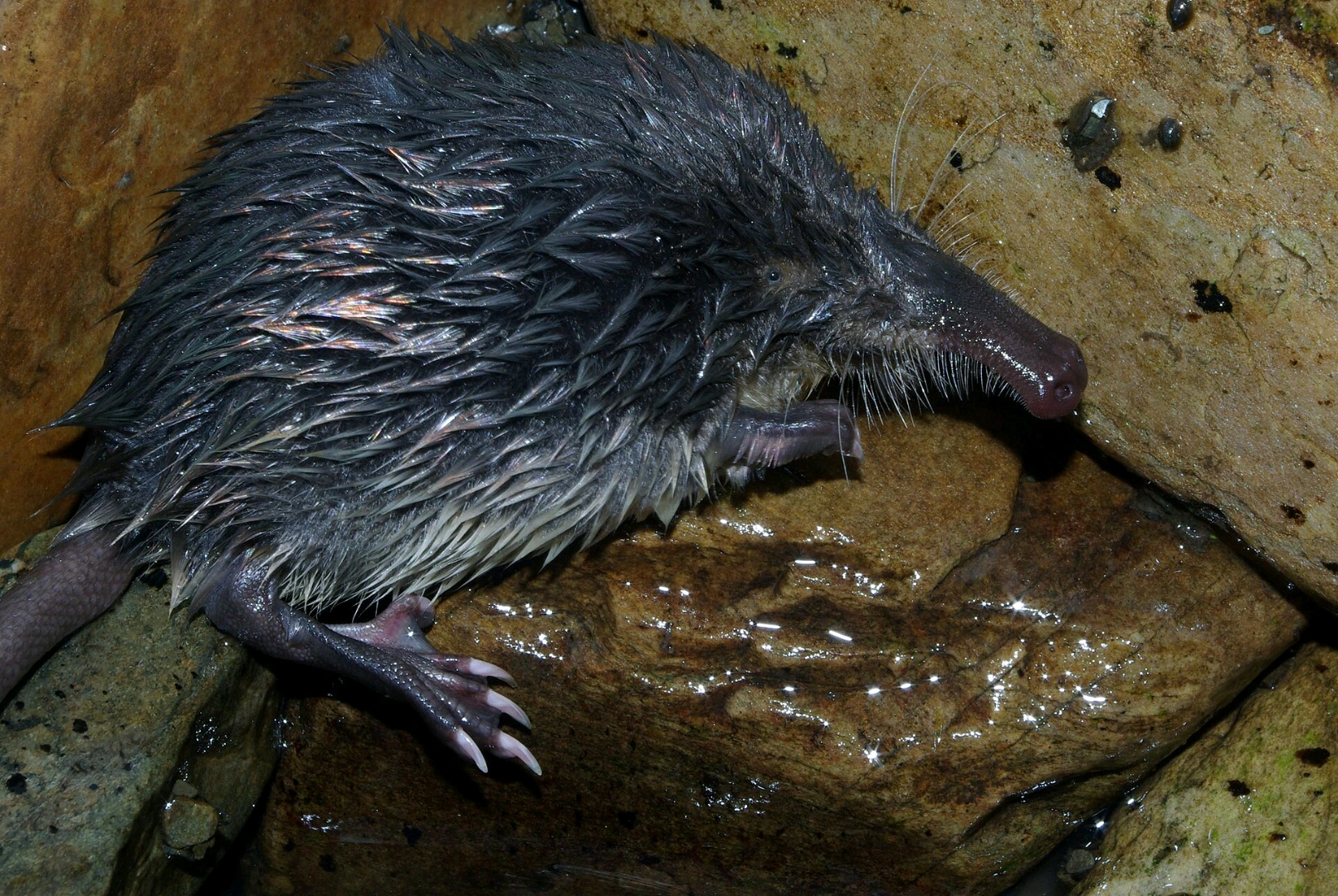
Photo: David Perez, Wikimedia Commons, CC BY 3.0.
Pick one
3 votes so far
The bearded vulture drops large bones from great heights onto flat rocks to smash them into swallowable pieces. Its stomach acid is remarkably strong, allowing it to digest solid bone marrow that other scavengers cannot touch.
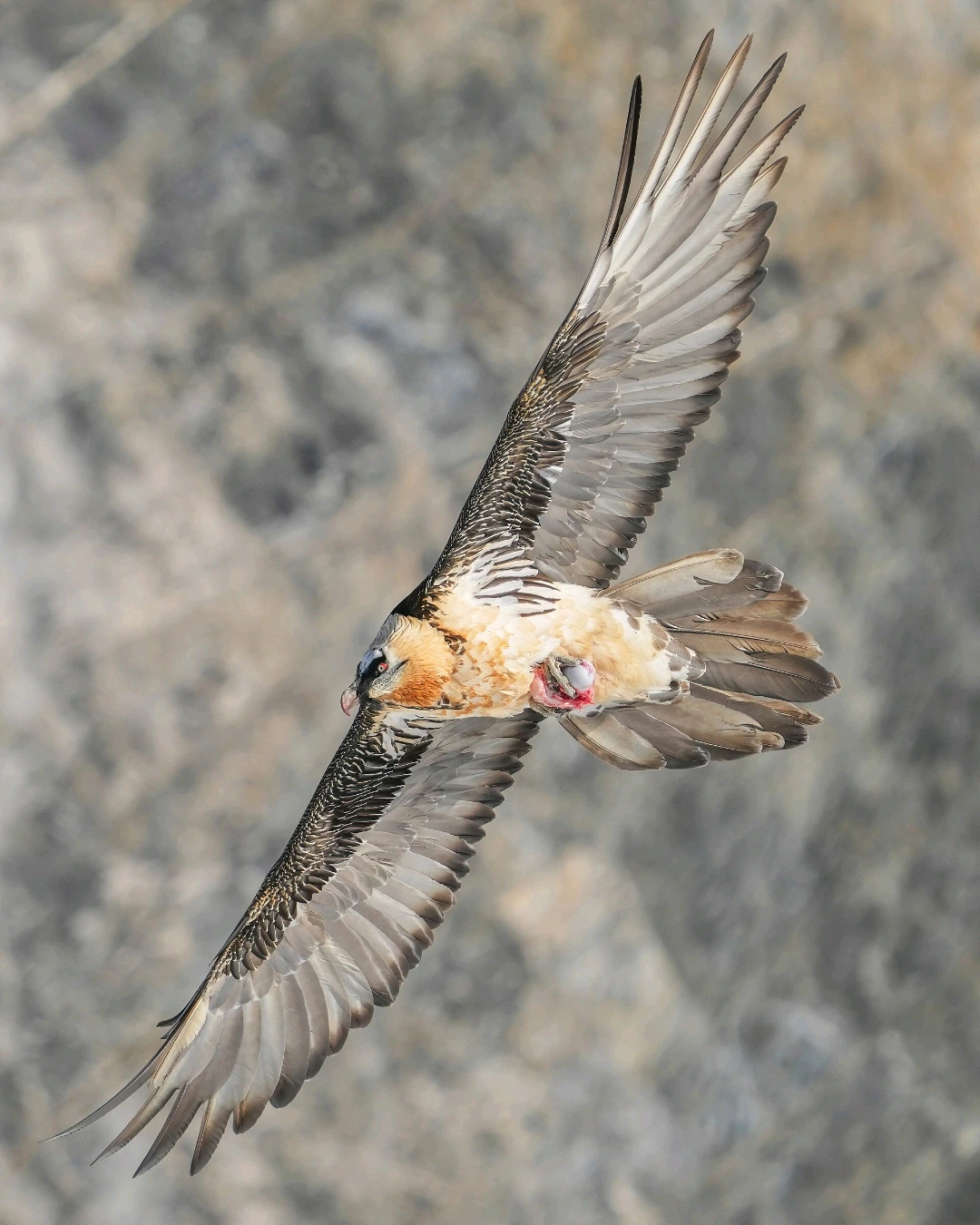
Photo: Giles Laurent, Wikimedia Commons, CC BY-SA 4.0.
Pick one
This mountain amphibian produces a sticky, poisonous mucus that deters hungry predators in fast-flowing streams. It spends most of its life fully submerged in icy cold water, absorbing oxygen directly through its delicate skin.
Pick one
The rock ptarmigan changes outfit three times a year: mottled brown in summer, grey in autumn and snow-white in winter, so it always matches the ground it sits on. Its feet grow a thick layer of feathers that work like tiny snowshoes, and on the coldest nights it digs itself a hole in the snow to sleep in. In the Pyrenees it lives high above the tree line. The alpine chough, by contrast, stays glossy black all year round. That is the bird that comes begging for crumbs at mountain-top picnics.
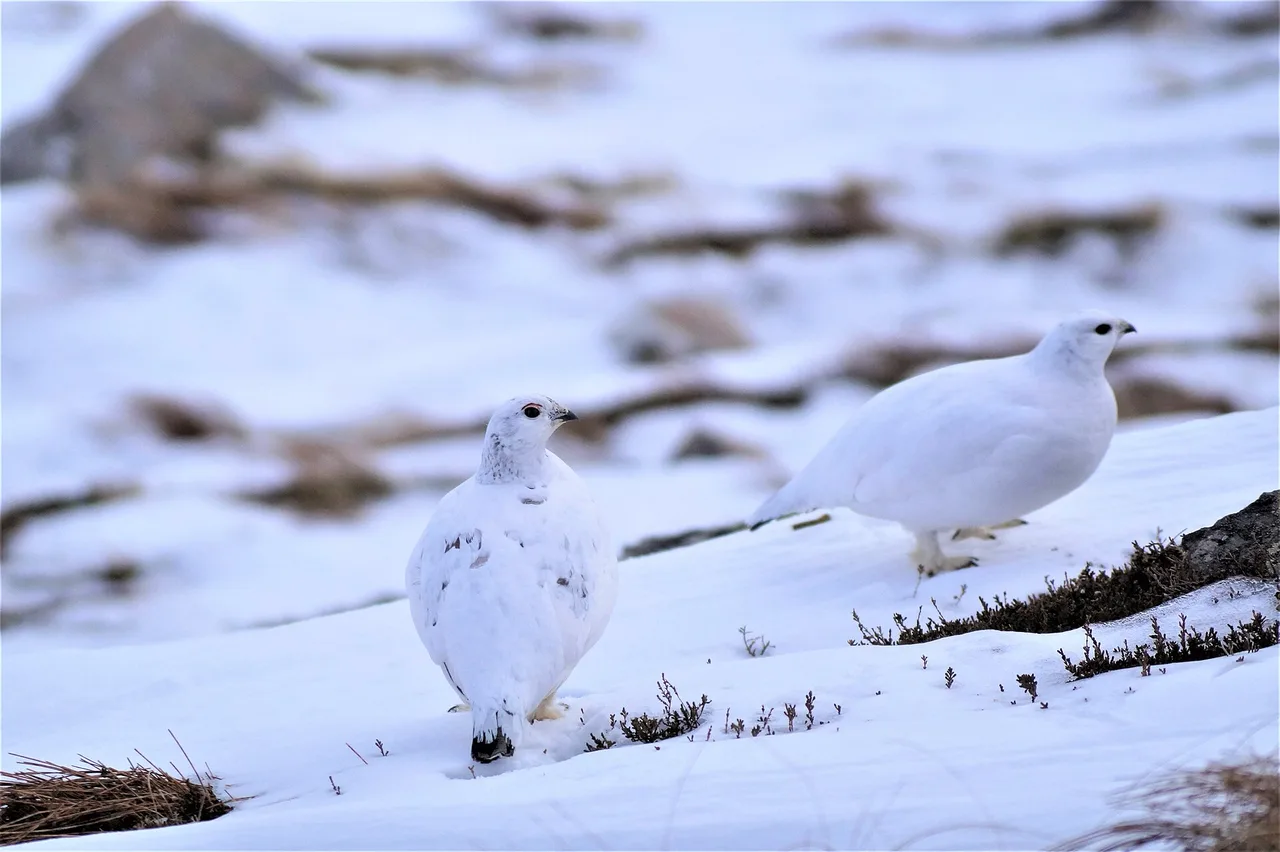
Photo: A S Begbie, Wikimedia Commons, CC BY-SA 4.0.
Pick one
The Spanish ibex is an agile climber equipped with specialized hooves that grip narrow cliff ledges effortlessly. The males boast massive, ridged horns that curve backward in a dramatic sweep.
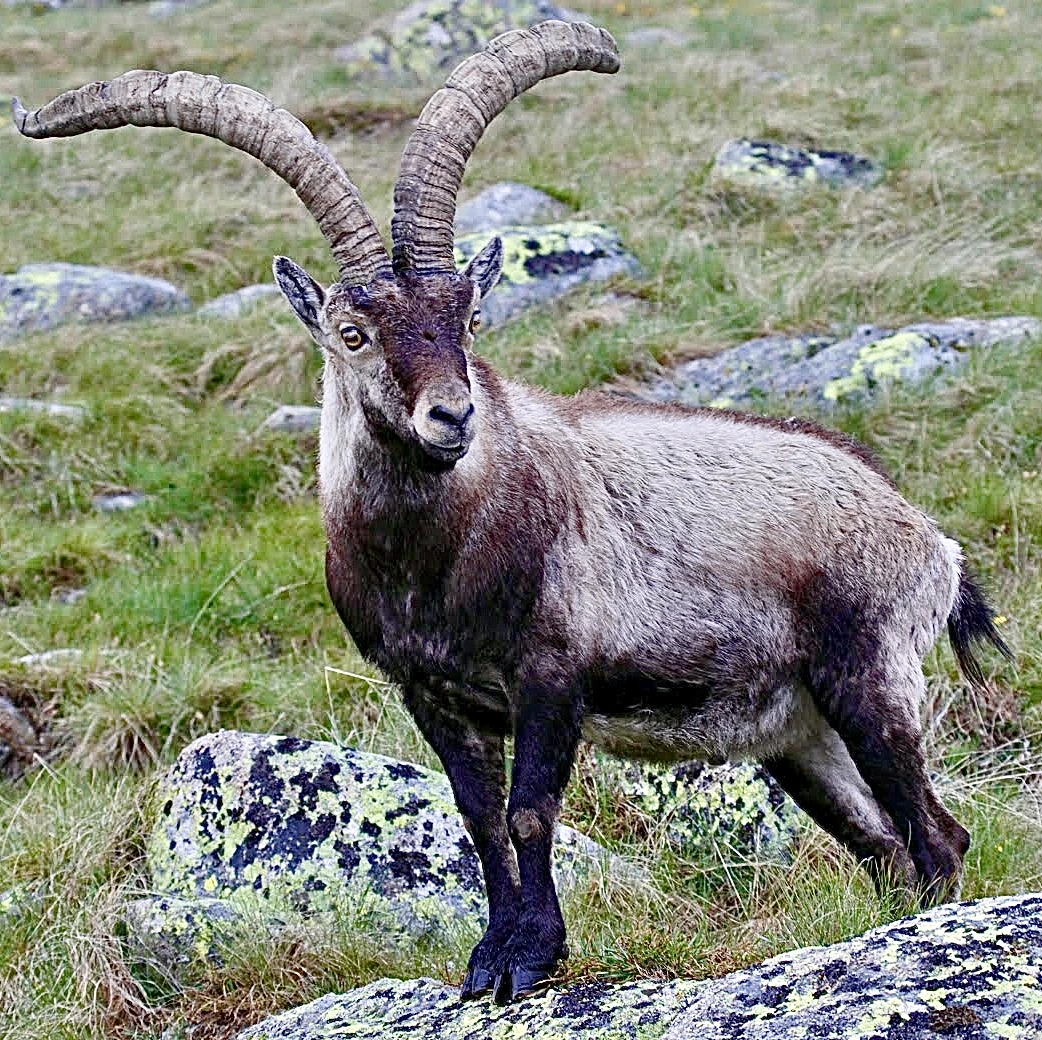
Photo: Juan Lacruz, Wikimedia Commons, CC BY-SA 3.0.
Pick one
Badgers share vast family burrows called setts that are passed down through generations for decades. They are strictly nocturnal, spending daylight hours sleeping on bedding made of fresh dry grass and leaves.
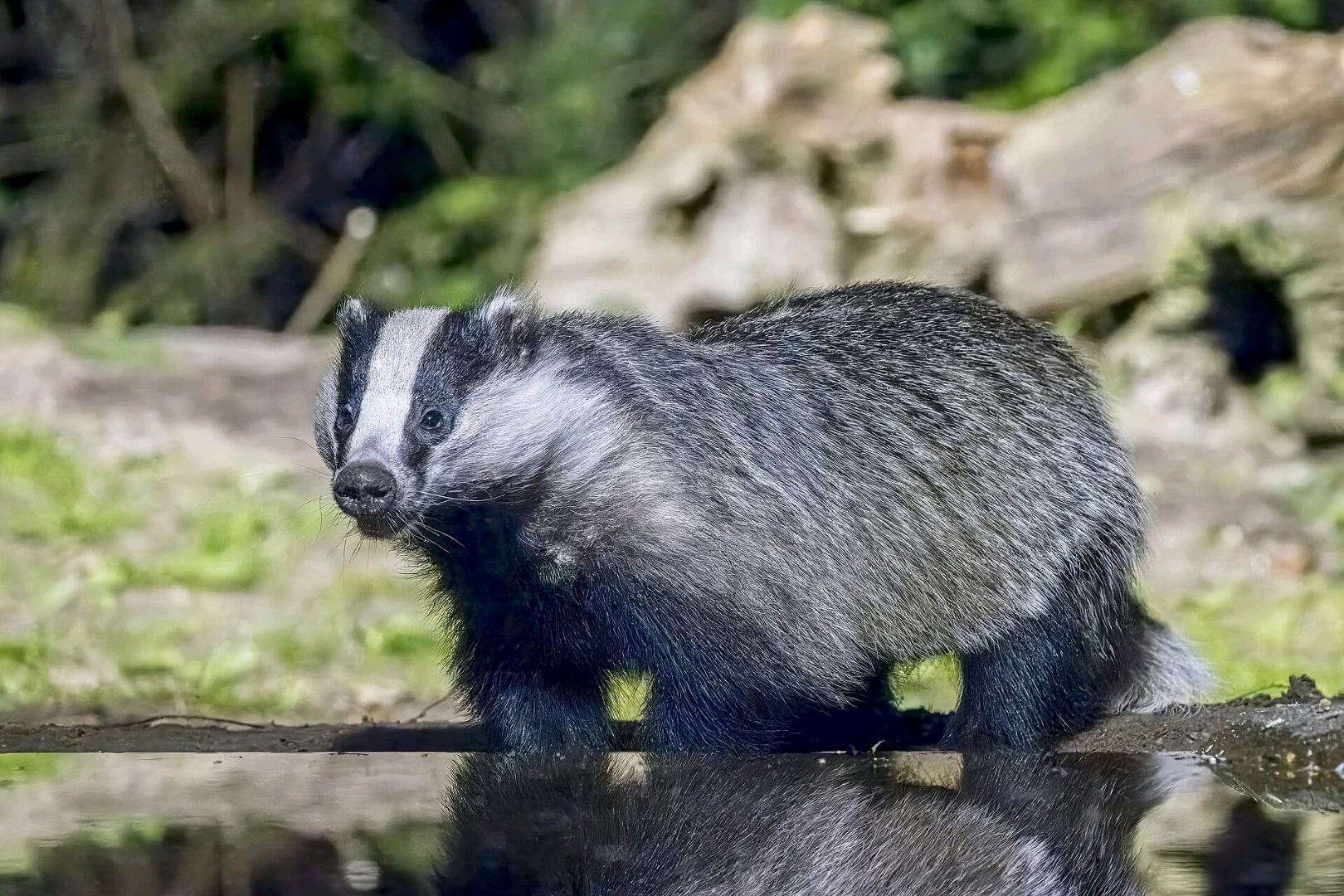
Photo: Charles J. Sharp, Wikimedia Commons, CC BY-SA 4.0.
Pick one
Marmots spend up to eight months sleeping away the cold season inside sealed underground burrows. Entire family groups cuddle tightly together to share body heat and lower their heart rates to a bare minimum.
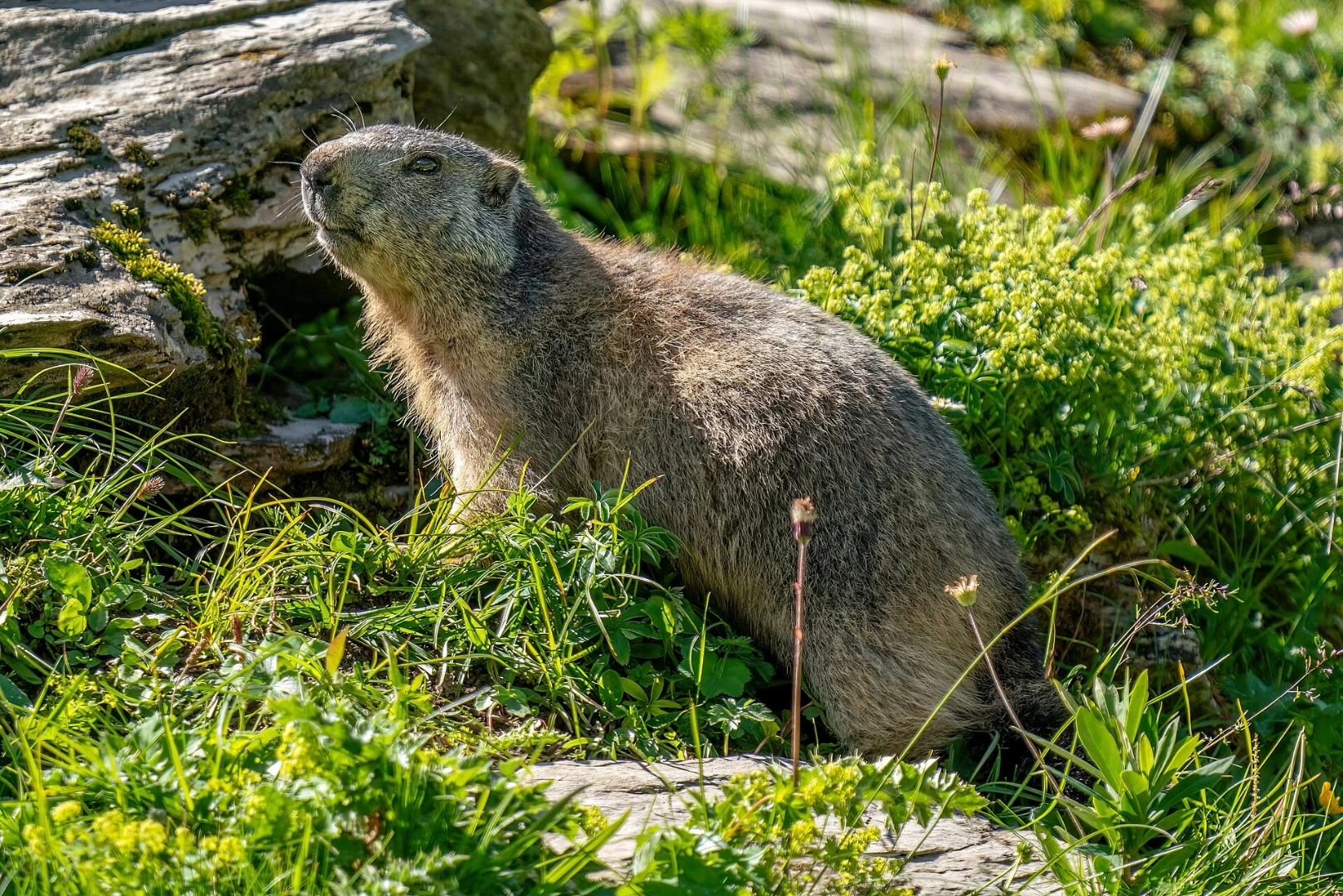
Photo: Giles Laurent, Wikimedia Commons, CC BY-SA 4.0.
Pick one
The Apollo butterfly glides gracefully over high alpine meadows on white wings marked with distinct red spots. Its caterpillar feeds exclusively on stonecrop plants, absorbing compounds that make it taste bitter to birds.
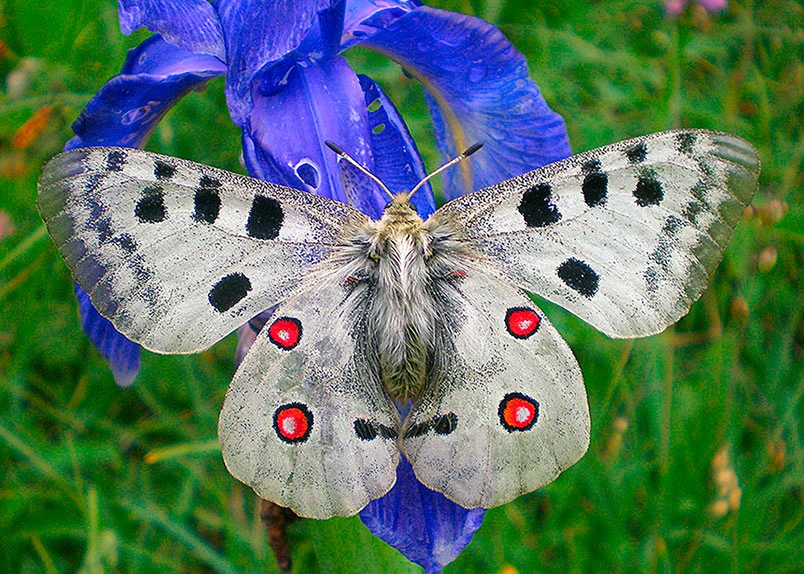
Photo: Hinox, Wikimedia Commons, CC BY-SA 3.0.
Pick one
The chamois has hooves with hard outer rims and soft, flexible central pads that act like natural climbing shoes. This smart adaptation prevents slipping when jumping across steep, snow-covered mountain ridges.
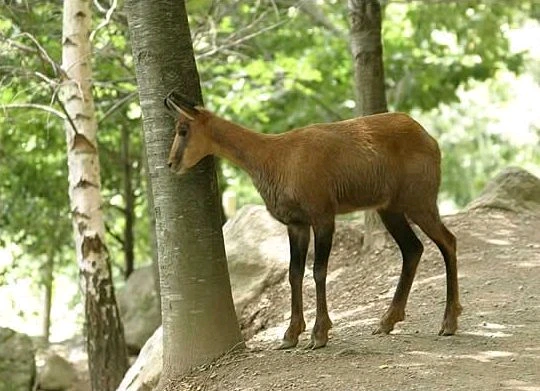
Photo: Bernard-Boehne, Wikimedia Commons, CC BY-SA 3.0.


Paste the code into your page. The player fits itself in, and every vote counts in Votur.
On WordPress, Ghost or Squarespace? Just paste the link of this page into your post.
This is how it looks
Also fun


