 下载 App
穿越回皇帝、角斗士和工程奇迹的时代。测试你对塑造了现代世界的古代超级大国的了解。
兵临城下的蛮族 0–4 · 经验丰富的百夫长 5–8 · 罗马公民 9–10

点击正确答案
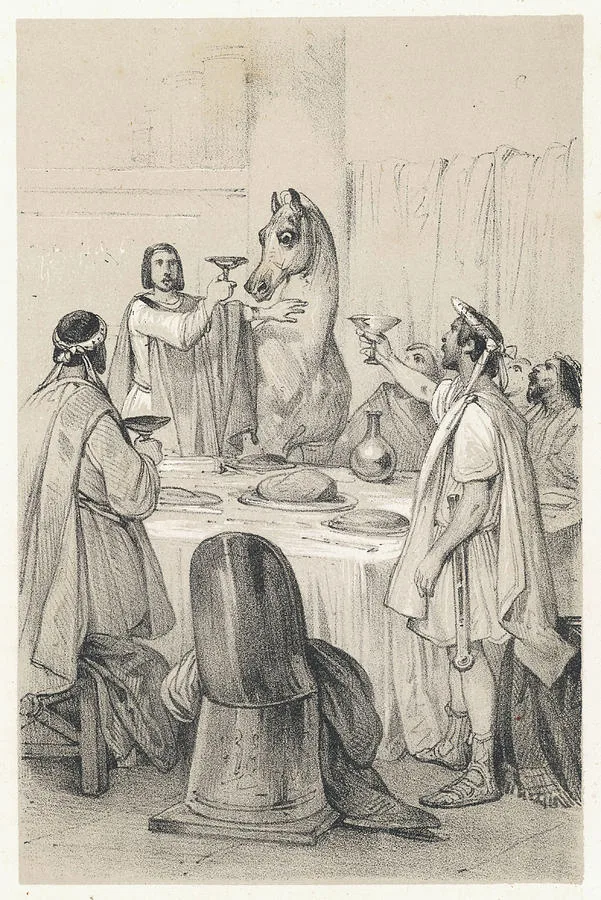
Caligula reportedly treated his horse, Incitatus, with absolute luxury, giving him a marble stable, an ivory manger, and purple blankets. Historians suggest that Caligula's threat to appoint the animal to the high office of consul was a calculated political insult to mock the senate, rather than a sign of madness.
Photo: Victor Adam, Wikimedia Commons, Public domain.
点击正确答案
Built under the direction of Emperor Hadrian starting in 122 AD, this 73-mile-long stone wall stretched across northern Britain. It served as a heavily guarded military frontier to control trade, collect taxes, and defend Roman territory from the tribes of modern-day Scotland.
点击正确答案
Augustus, the first official Roman Emperor, established the Pax Romana after surviving the bloody civil wars that destroyed the Roman Republic. During this golden age, the empire expanded secure borders, built thousands of miles of roads, and experienced a massive boom in arts and trade.
点击正确答案
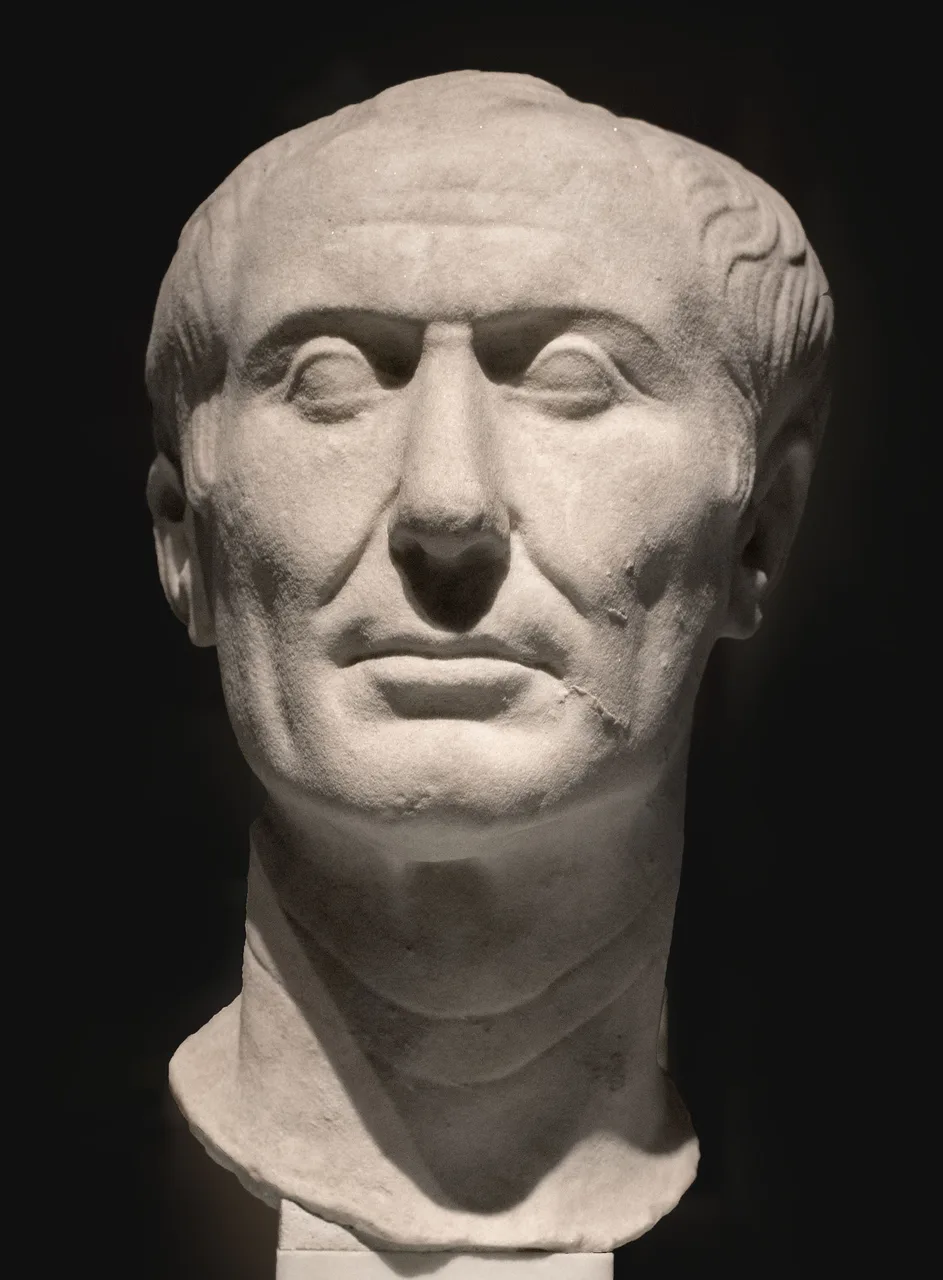
Julius Caesar introduced the Julian calendar in 46 BC to replace the highly inaccurate Roman lunar calendar. It introduced a 365-day year with a leap year every four years, remaining the dominant calendar in the Western world for more than 1,600 years until the Gregorian reform.
Photo: Ángel M. Felicísimo from Mérida, España, Wikimedia Commons, Public domain.
点击正确答案
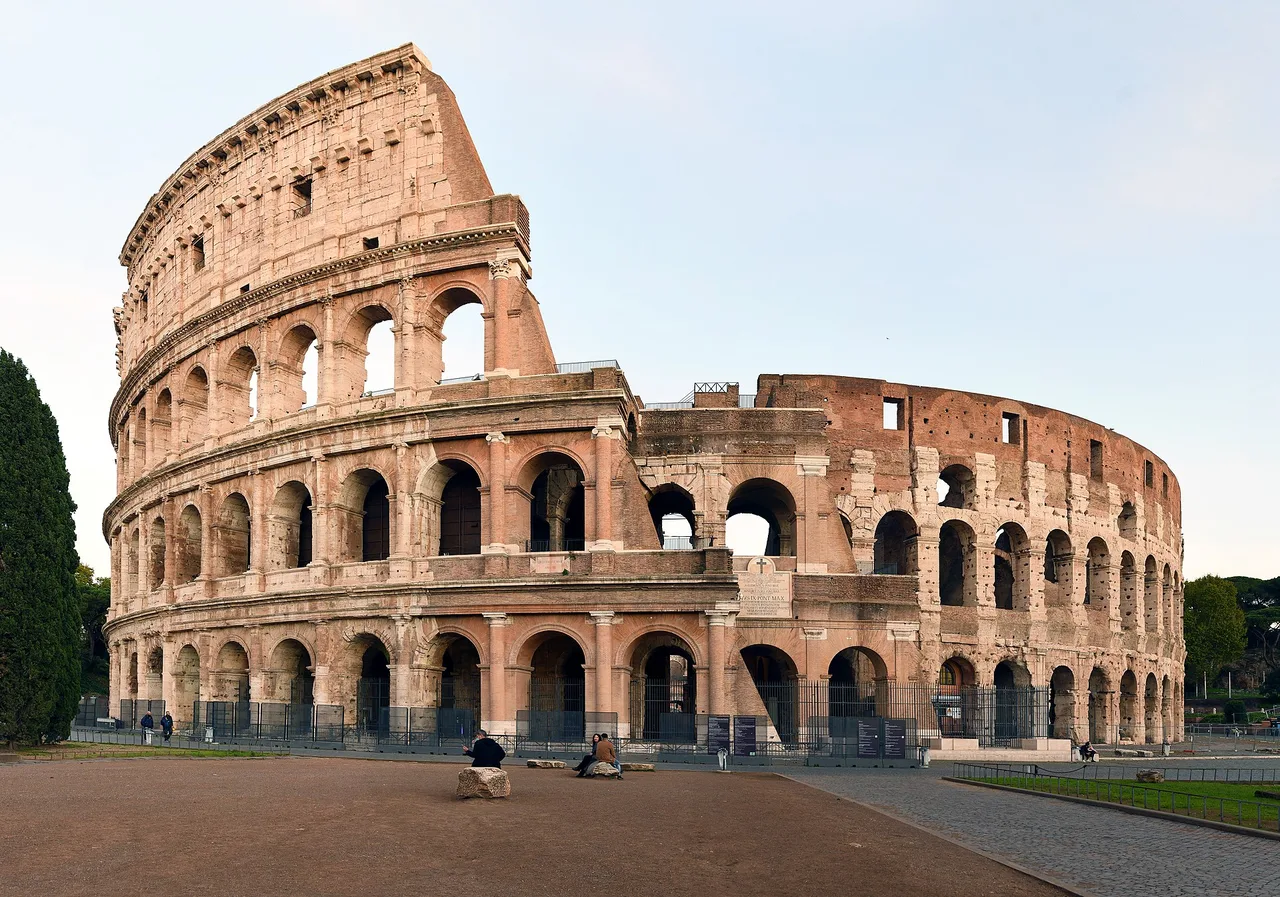
The Colosseum was originally called the Flavian Amphitheatre, named after the Flavian dynasty of emperors who funded and built it. The name Colosseum only became popular centuries later, inspired by a colossal bronze statue of Emperor Nero that stood nearby.
Photo: FeaturedPics, Wikimedia Commons, CC BY-SA 4.0.
点击正确答案
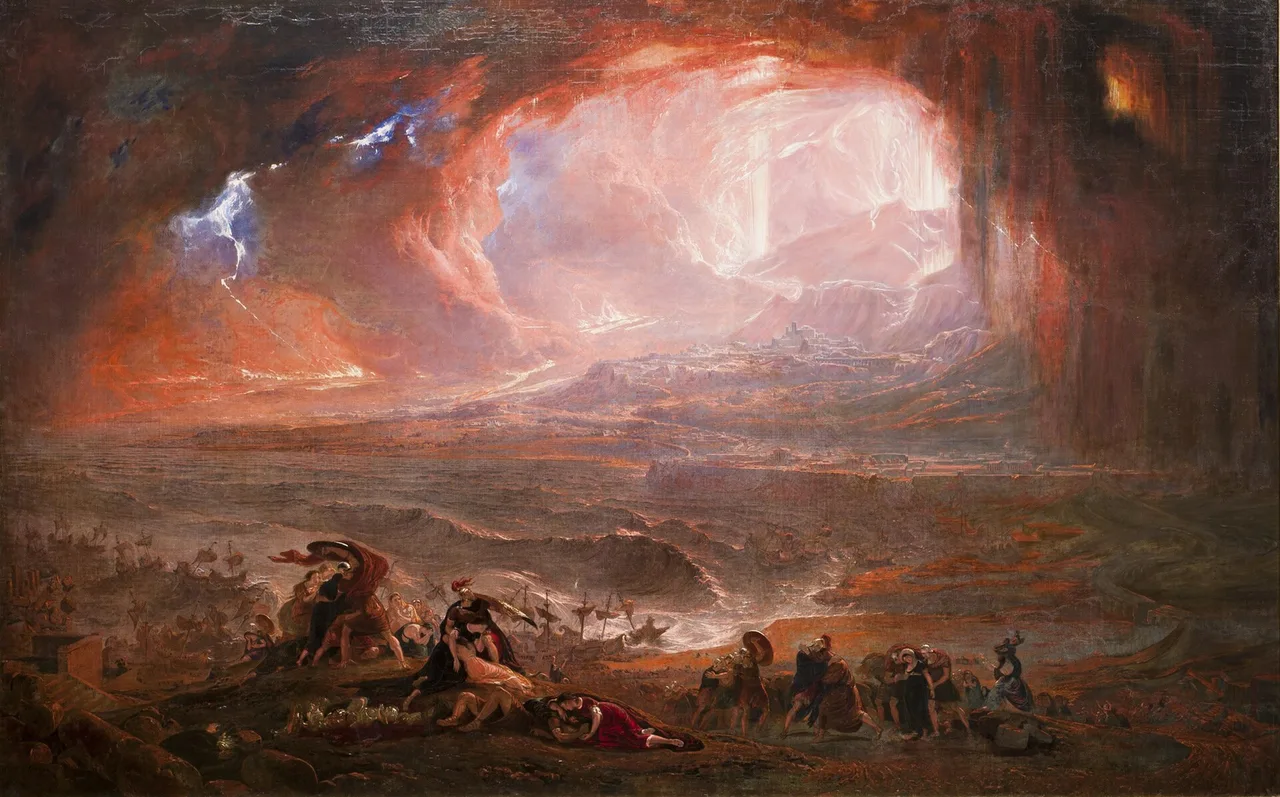
Mount Vesuvius erupted in 79 AD, burying the cities of Pompeii and Herculaneum under meters of volcanic ash and pumice. This tragic disaster perfectly preserved the buildings, objects, and even the positions of the victims, offering modern archaeologists an unparalleled look at daily Roman life.
Photo: John Martin, Wikimedia Commons, Public domain.
点击正确答案
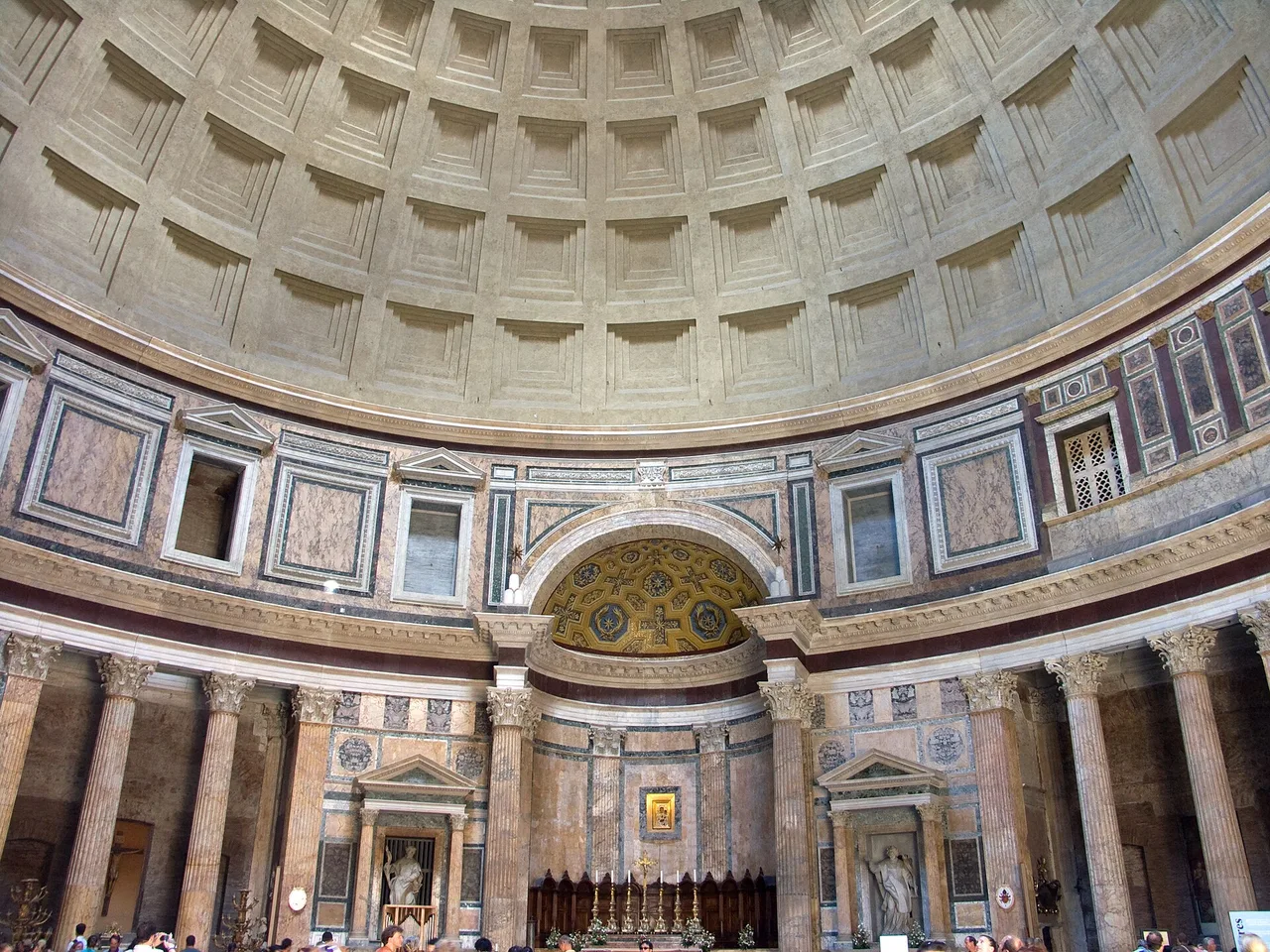
Roman concrete utilized volcanic ash, specifically pozzo rosso or pozzolana, which triggered a chemical reaction with saltwater that actually strengthened the material over time. This unique self-healing property is why many Roman harbors and structures still stand intact today, while modern concrete often degrades in water within decades.
Photo: Jean-Christophe BENOIST, Wikimedia Commons, CC BY 2.5.
点击正确答案
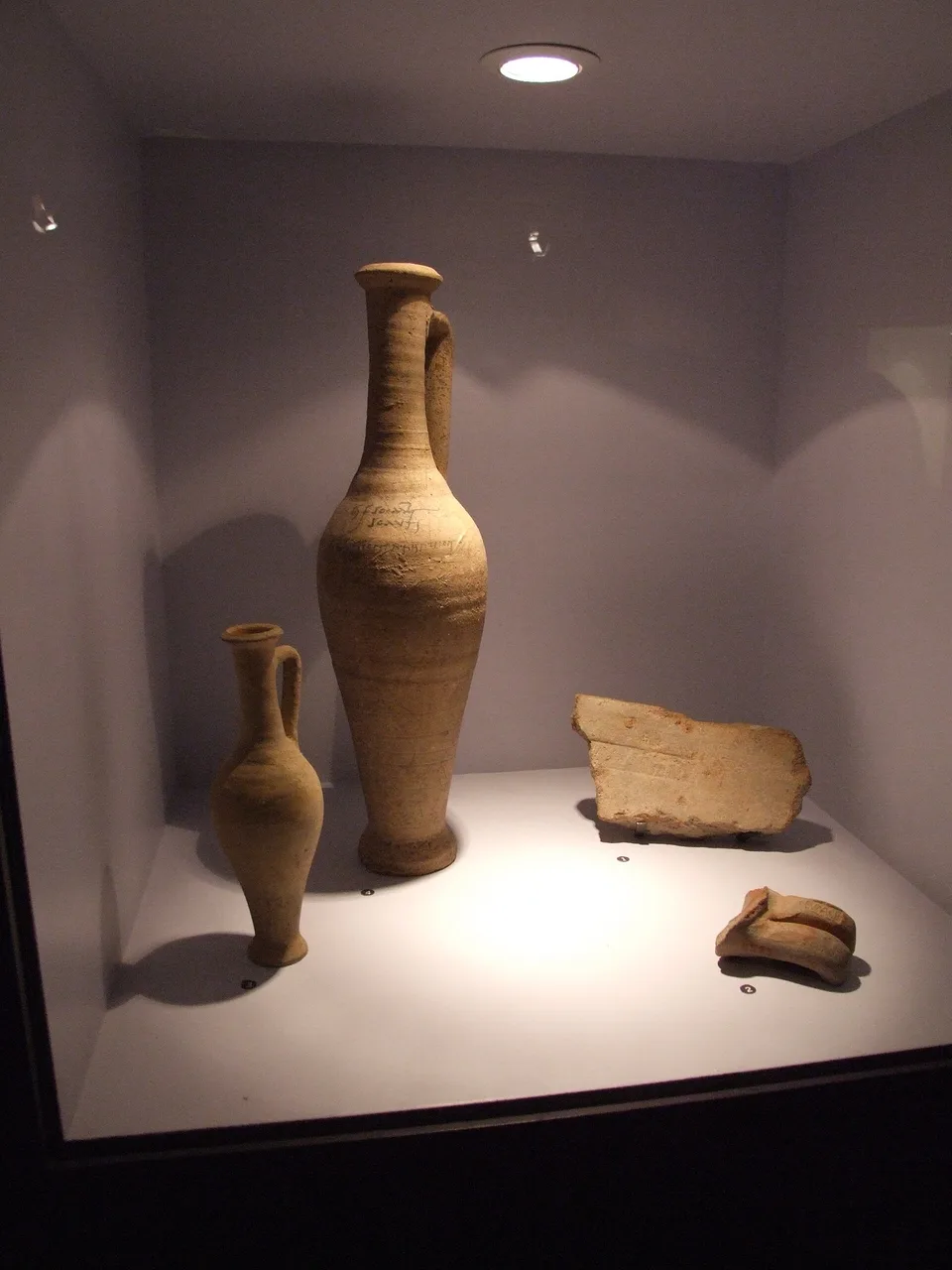
Garum was a ubiquitous Roman condiment made by fermenting fish intestines in salt water. It was produced in large coastal factories and shipped all over the empire in amphorae, used much like modern soy sauce to add a rich, savory umami flavor to almost every meal.
Photo: Claus Ableiter, Wikimedia Commons, CC BY-SA 3.0.
点击正确答案
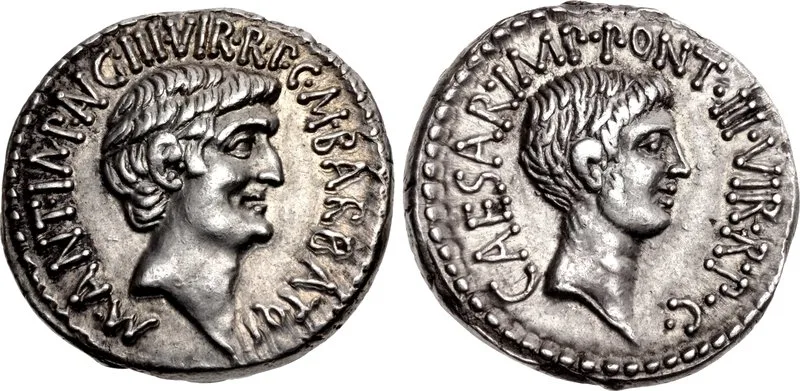
The denarius was the standard silver coin of ancient Rome, first minted during the Second Punic War. It served as the daily wage for a common laborer or Roman soldier, and its gradual debasement with cheaper metals over the centuries mirrored the economic decline of the empire.
Photo: Byzantium565, Wikimedia Commons, CC BY-SA 4.0.
点击正确答案
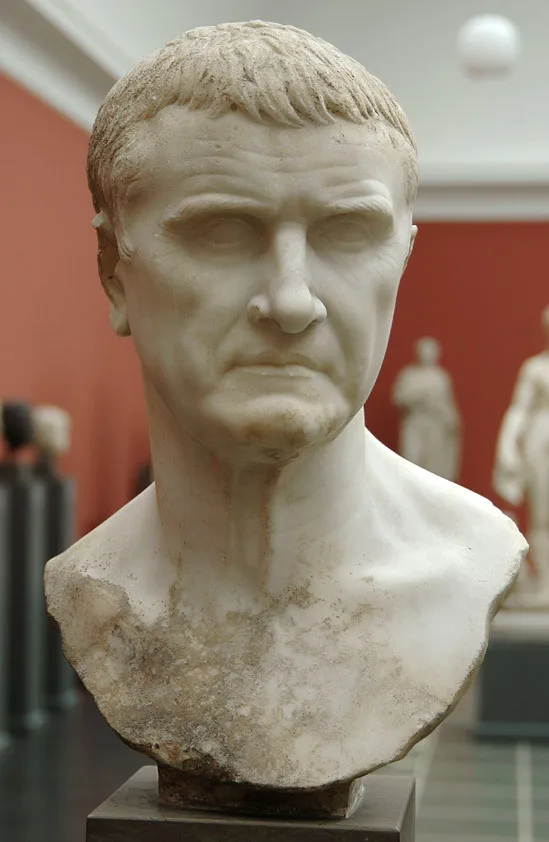
Marcus Licinius Crassus, one of the wealthiest men in Roman history, operated a private firefighting force of 500 slaves. Upon arriving at a fire, he would refuse to put it out until the desperate owner agreed to sell the burning building and surrounding property to him for a tiny fraction of its worth.
Photo: Sergey Sosnovskiy, Wikimedia Commons, CC BY-SA 4.0.


把代码粘贴到你的页面里。播放器会自动适应,每一票都会计入 Votur。
用 WordPress、Ghost 或 Squarespace?直接把本页链接粘贴到文章里即可。
效果预览