Get app
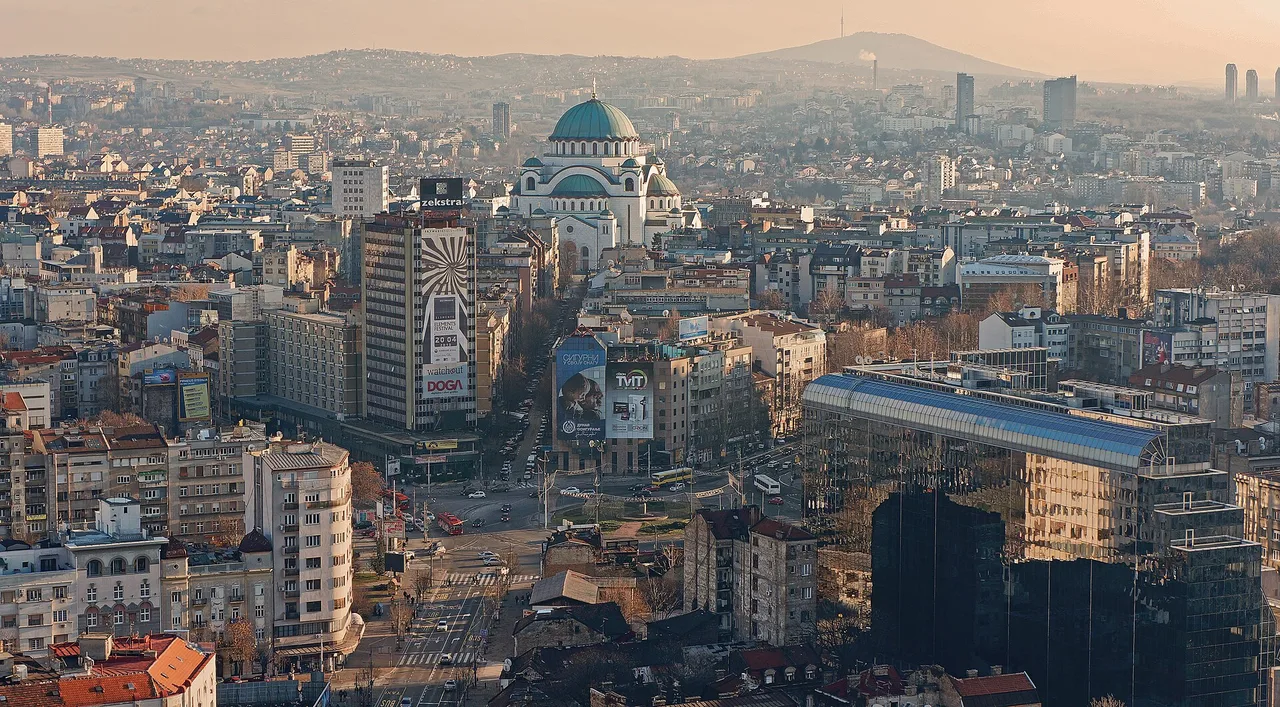
 Photo: ZlatanJovanovic, Wikimedia Commons, CC BY 3.0.
Explore the rich history, stunning landmarks, and unique culture of Belgrade, where ancient history meets modern life. Test your knowledge of this dynamic city, from its famous rivers to its iconic figures.
Belgrade Explorer 0–4 · Belgrade Regular 5–8 · Beograd Whisperer 9–10
Pick one

The confluence of the Sava and Danube rivers is a defining geographical feature of Belgrade, offering spectacular views, especially from the Kalemegdan Fortress. The Danube is Europe's second-longest river, while the Sava is its largest tributary by discharge. This strategic meeting point has shaped Belgrade's history and development for centuries, making it a key hub for trade and defense.
Photo: ZlatanJovanovic, Wikimedia Commons, CC BY 3.0.

Pick one
Knez Mihailova Street is Belgrade's vibrant main pedestrian thoroughfare and a bustling shopping zone. Lined with beautiful 19th-century buildings, it's a protected cultural monument and one of the city's most elegant streets. This promenade is a popular gathering spot, featuring numerous shops, cafes, art galleries, and cultural institutions.
Photo: Peiragmeno paidi, Wikimedia Commons, CC BY-SA 3.0.

Pick one
The Nikola Tesla Museum in Belgrade is dedicated to the incredible life and groundbreaking work of the Serbian-American inventor and electrical engineer. It houses his personal belongings, original documents, and working models of his inventions. Uniquely, the museum also serves as the final resting place for Tesla, with his ashes preserved in a spherical urn.
Photo: Dungodung, Wikimedia Commons, CC BY-SA 3.0.
Pick one
Ada Ciganlija, affectionately known as Belgrade's 'Sea,' is a former river island on the Sava that was artificially transformed into a peninsula with a large artificial lake. It's Belgrade's premier recreational zone, offering beaches for swimming, numerous sports facilities, and a vibrant array of cafes and restaurants, making it a popular escape from the city heat.

Photo: Andrija12345678, Wikimedia Commons, CC BY-SA 4.0.

Pick one
Skadarlija is Belgrade's charming bohemian quarter, a cobblestone street famous for its traditional restaurants known as kafanas, vibrant art galleries, and lively atmosphere. Often compared to Paris's Montmartre, it has been a gathering place for poets, artists, and musicians since the late 19th century, retaining its unique spirit today.
Photo: Erwan Martin, Wikimedia Commons, CC BY 2.0.
Pick one
The Ada Bridge is a striking cable-stayed bridge that crosses the Sava River, connecting the municipalities of Čukarica and New Belgrade. Opened in 2012, it quickly became an iconic landmark due to its distinctive single pylon and modern design. It significantly improved traffic flow in the city.
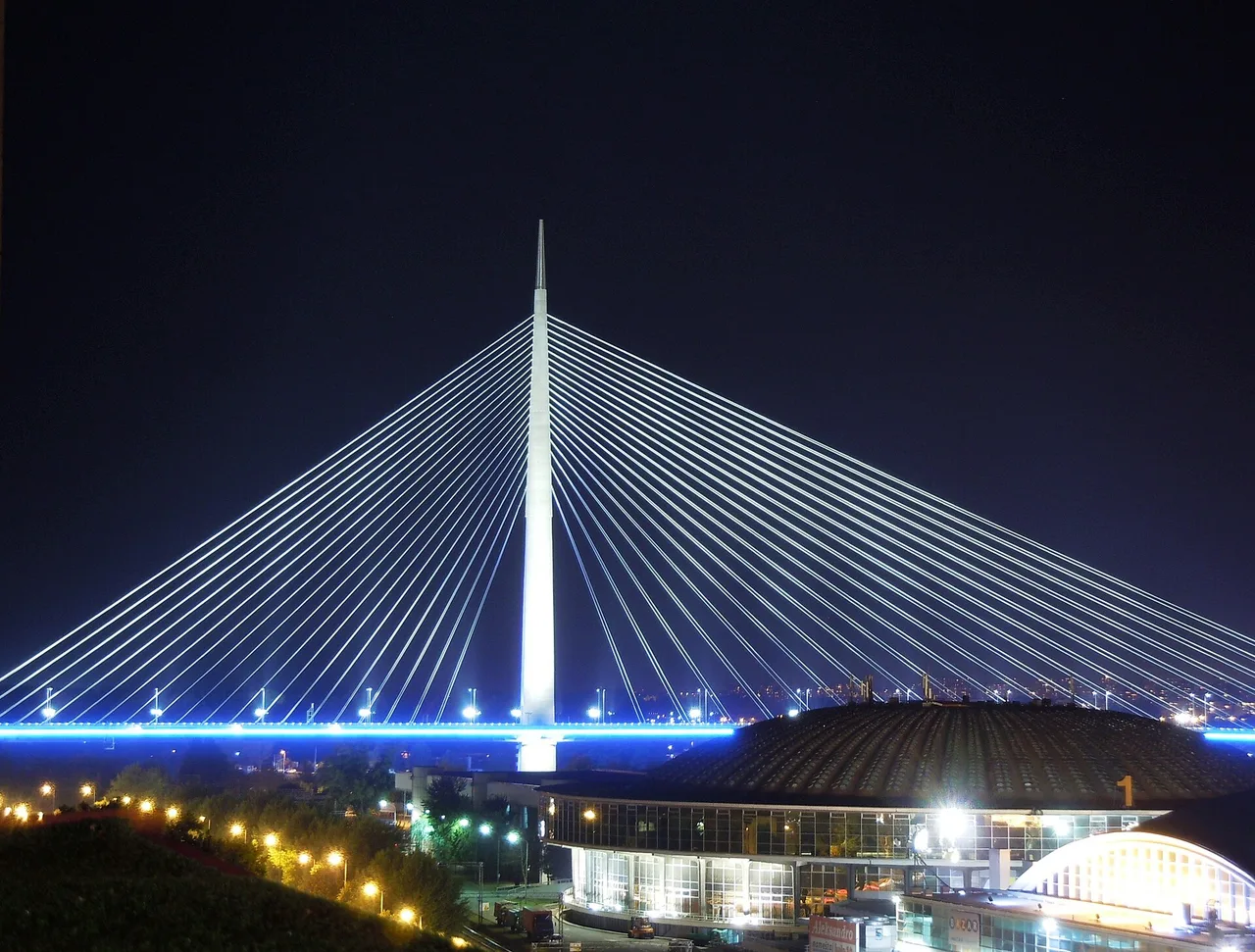
Photo: Nikola, Wikimedia Commons, CC BY-SA 3.0.

Pick one
The National Museum of Serbia, established in 1844, holds an impressive collection spanning from prehistoric artifacts to modern art. Its extensive galleries showcase archaeological finds, medieval art, and masterpieces by European and Serbian artists. It's considered the most comprehensive museum institution in the country.
Photo: Simon Legner (User:simon04), Wikimedia Commons, CC BY-SA 4.0.
Pick one
FEST, the Belgrade International Film Festival, is one of the oldest and most prominent film festivals in Southeast Europe, established in 1971. It has a rich history of showcasing both international cinematic masterpieces and significant Serbian films, attracting renowned directors and actors. FEST remains a major cultural event, celebrating the art of filmmaking annually.
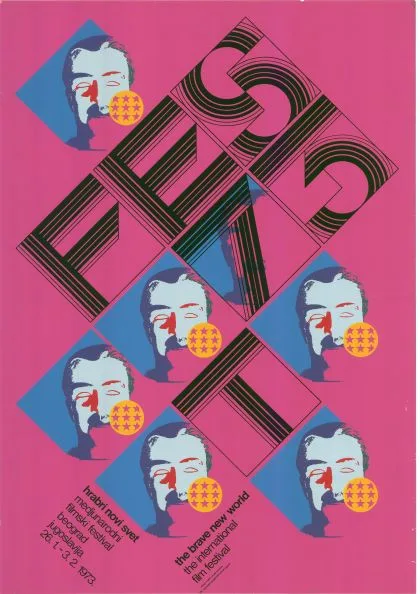
Photo: Saveta Mašić, Wikimedia Commons, CC BY-SA 4.0.
Pick one
The House of Flowers is the mausoleum where Josip Broz Tito, the former president of Yugoslavia, is interred. Designed by architect Stjepan Kralj, it was originally built in 1975 as a winter garden for Tito. It remains a significant pilgrimage site for those nostalgic for Yugoslavia and a museum showcasing artifacts from his life and era.
Pick one
The Temple of Saint Sava stands as one of the largest Orthodox churches globally and a dominant feature of Belgrade's skyline. Dedicated to the founder of the Serbian Orthodox Church, its monumental white facade is a modern landmark. Construction began in 1935, and the interior decoration, including magnificent mosaics covering about 15,000 square metres, was completed in 2020.
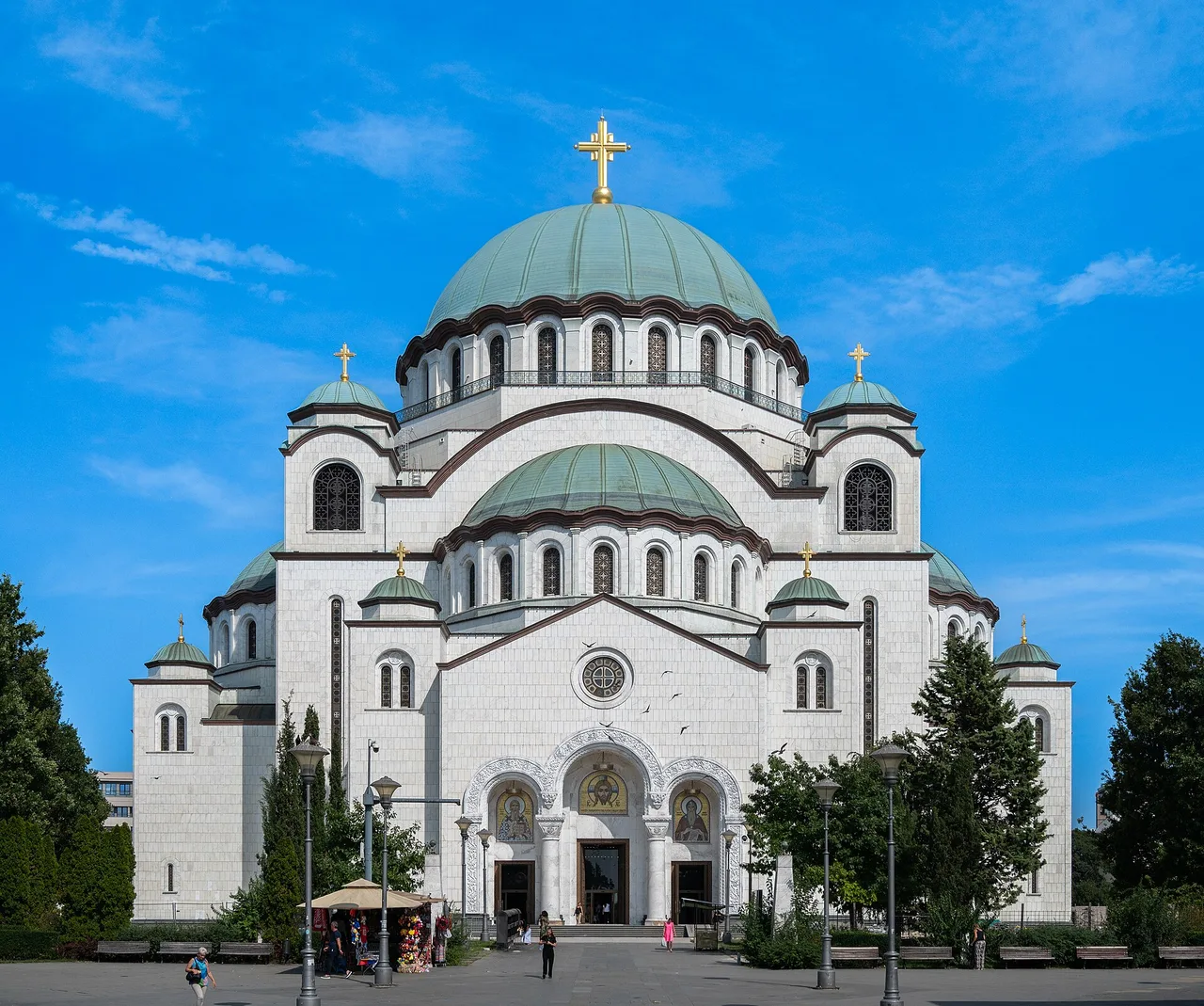
Photo: Npps90, Wikimedia Commons, CC BY-SA 4.0.


Paste the code into your page. The player fits itself in, and every vote counts in Votur.
On WordPress, Ghost or Squarespace? Just paste the link of this page into your post.
This is how it looks
Also fun