 L'appli
Plongez dans le crépuscule de la République romaine et testez vos connaissances sur l'un des généraux, hommes politiques et dictateurs les plus célèbres de l'histoire.
Curieux plébéien 0–4 · Observateur du Sénat 5–8 · Bras droit de César 9–10

Touche la bonne réponse
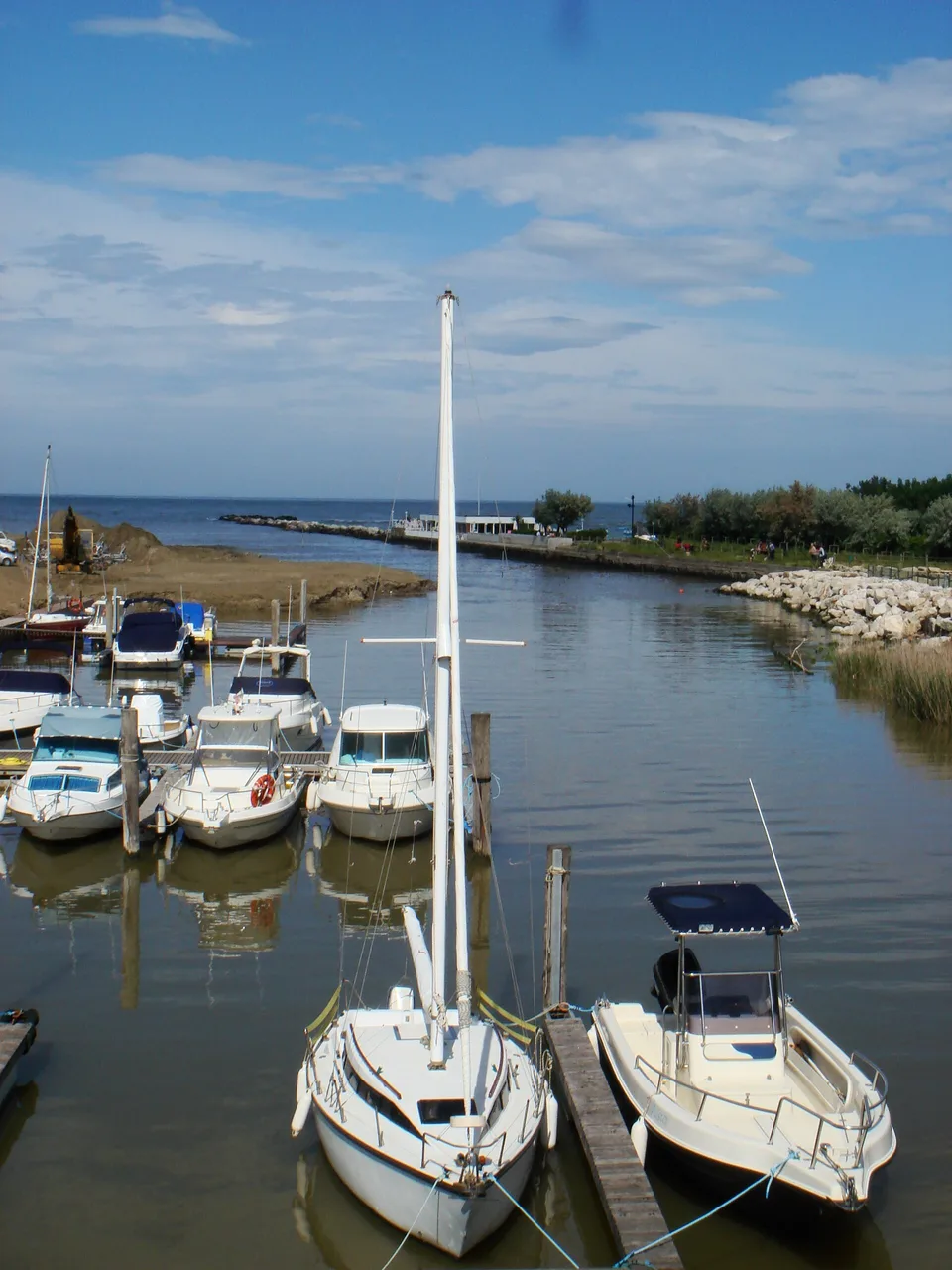
By leading his legion across the shallow Rubicon River, Caesar crossed the boundary of his province and committed treason against the Roman Republic. This bold move sparked a massive civil war. The event gave rise to the phrase 'crossing the Rubicon,' which means passing a point of no return.
Photo: Stefano Bolognini, Wikimedia Commons, Attribution.
Touche la bonne réponse
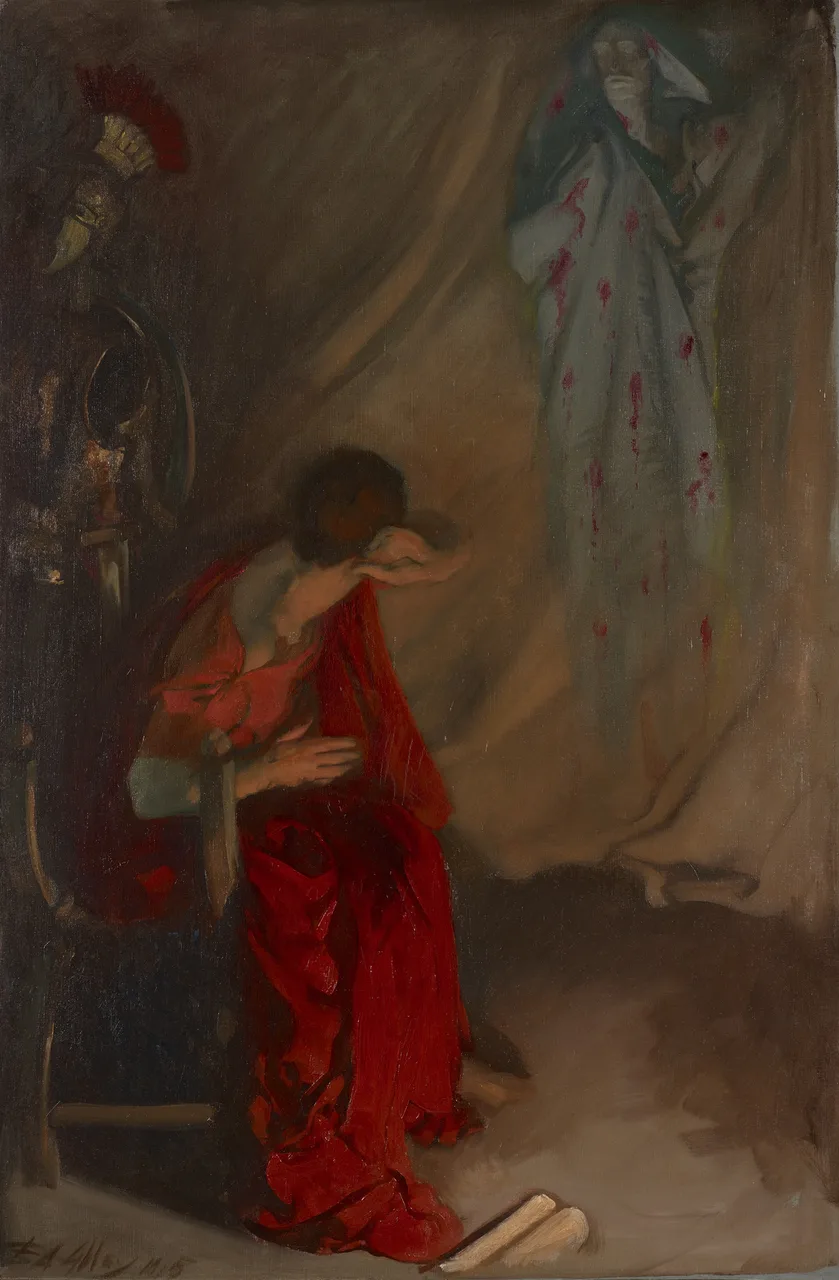
Shakespeare immortalized the phrase "Et tu, Brute?" (And you, Brutus?) in his famous play. Historically, ancient writers like Suetonius suggested Caesar either said nothing at all or spoke in Greek, saying "Kai sy, teknon?" which translates to "You too, child?".
Photo: Edwin Austin Abbey, Wikimedia Commons, Public domain.
Touche la bonne réponse
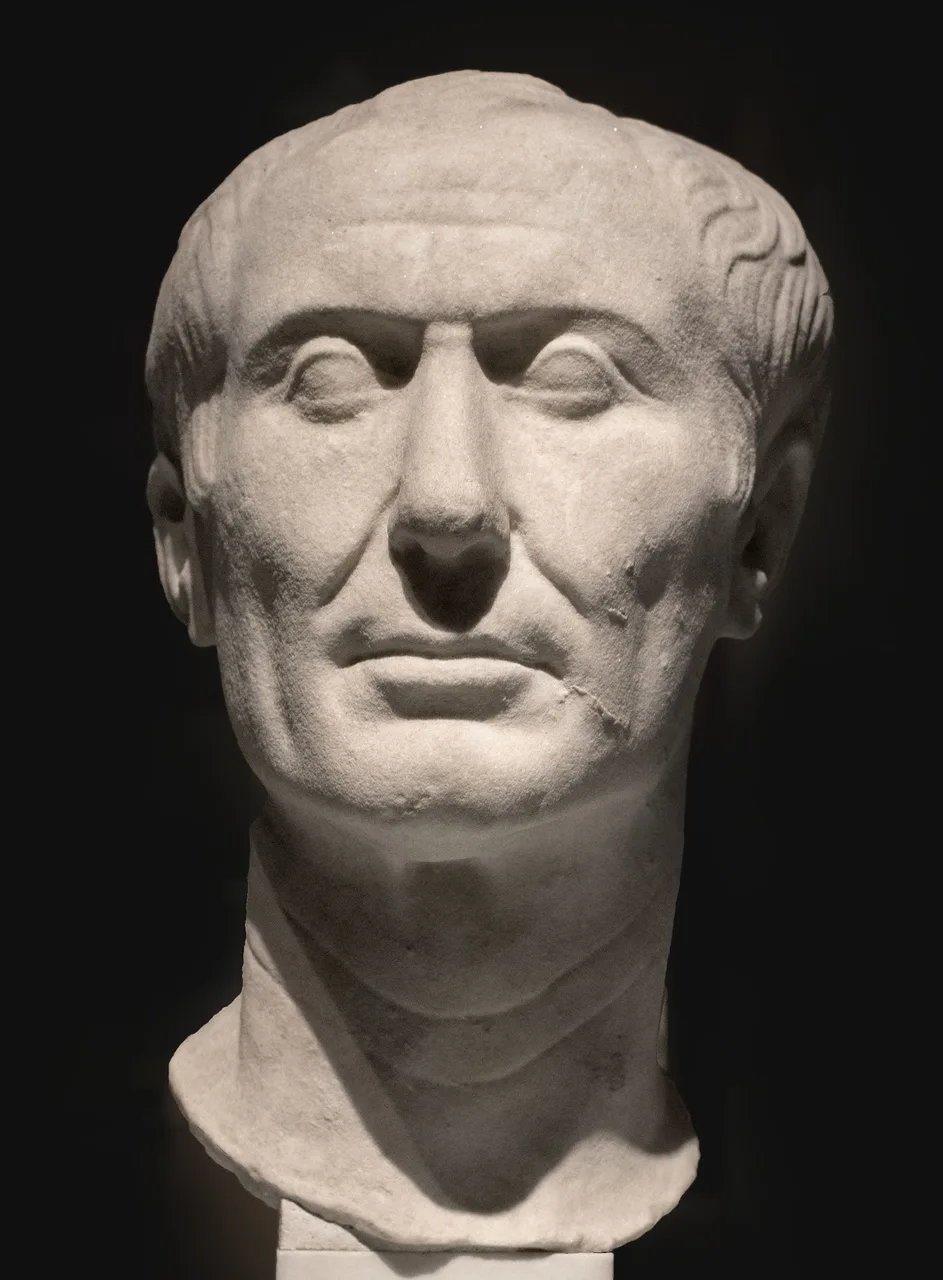
Caesar introduced the Julian calendar in 46 BC, establishing a 365-day year with a leap day added every four years. Due to a misunderstanding of inclusive counting, Roman priests initially added it every three years until Augustus corrected the error.
Photo: Ángel M. Felicísimo from Mérida, España, Wikimedia Commons, Public domain.
Touche la bonne réponse
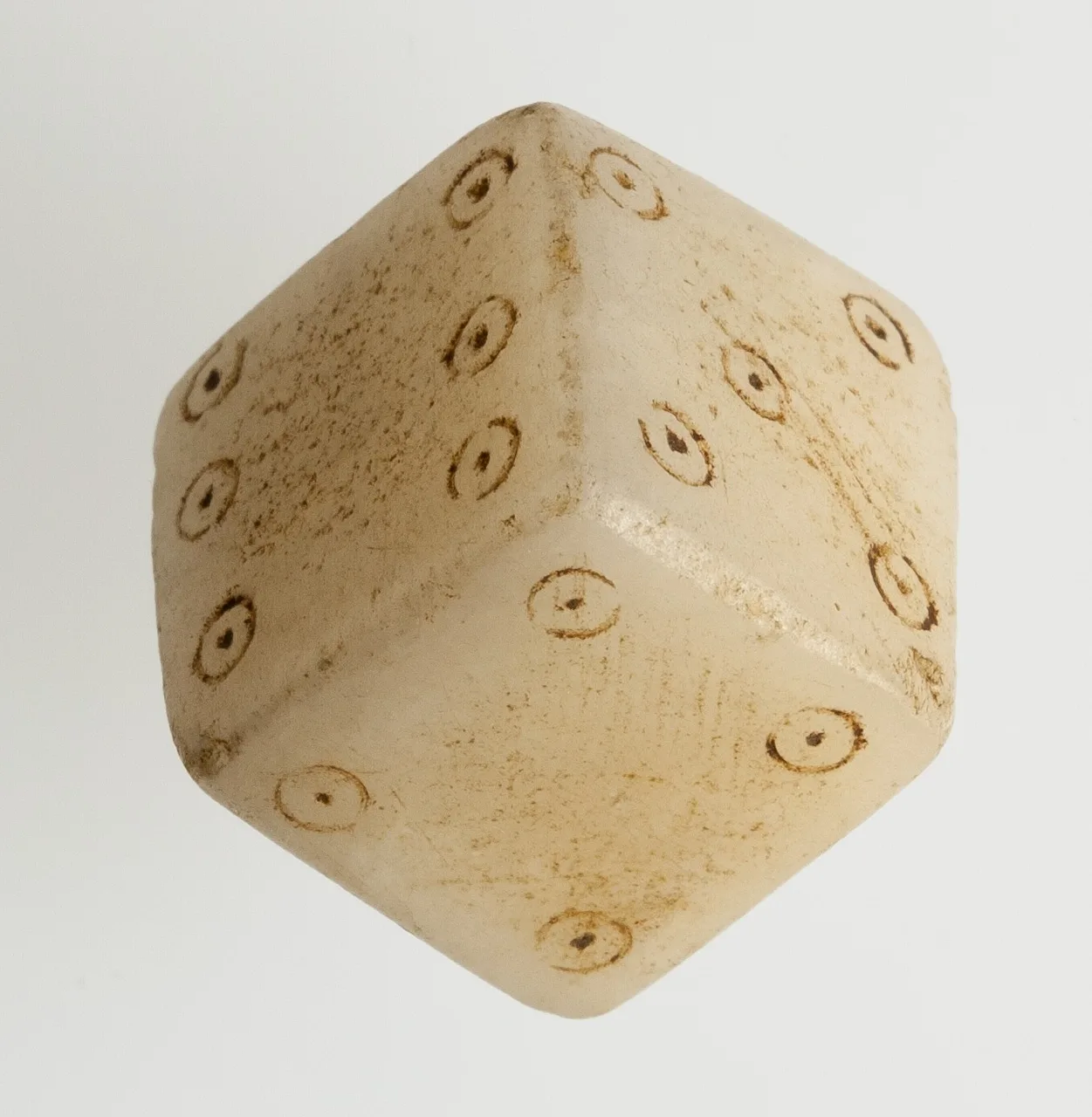
Suetonius reports that Caesar declared "Alea iacta est" (The die is cast) upon crossing the river, signifying that the decision was irreversible. Interestingly, Plutarch suggests Caesar actually spoke this phrase in Greek, quoting a line from a comedy by Menander.
Photo: Wikimedia Commons, CC0.
Touche la bonne réponse
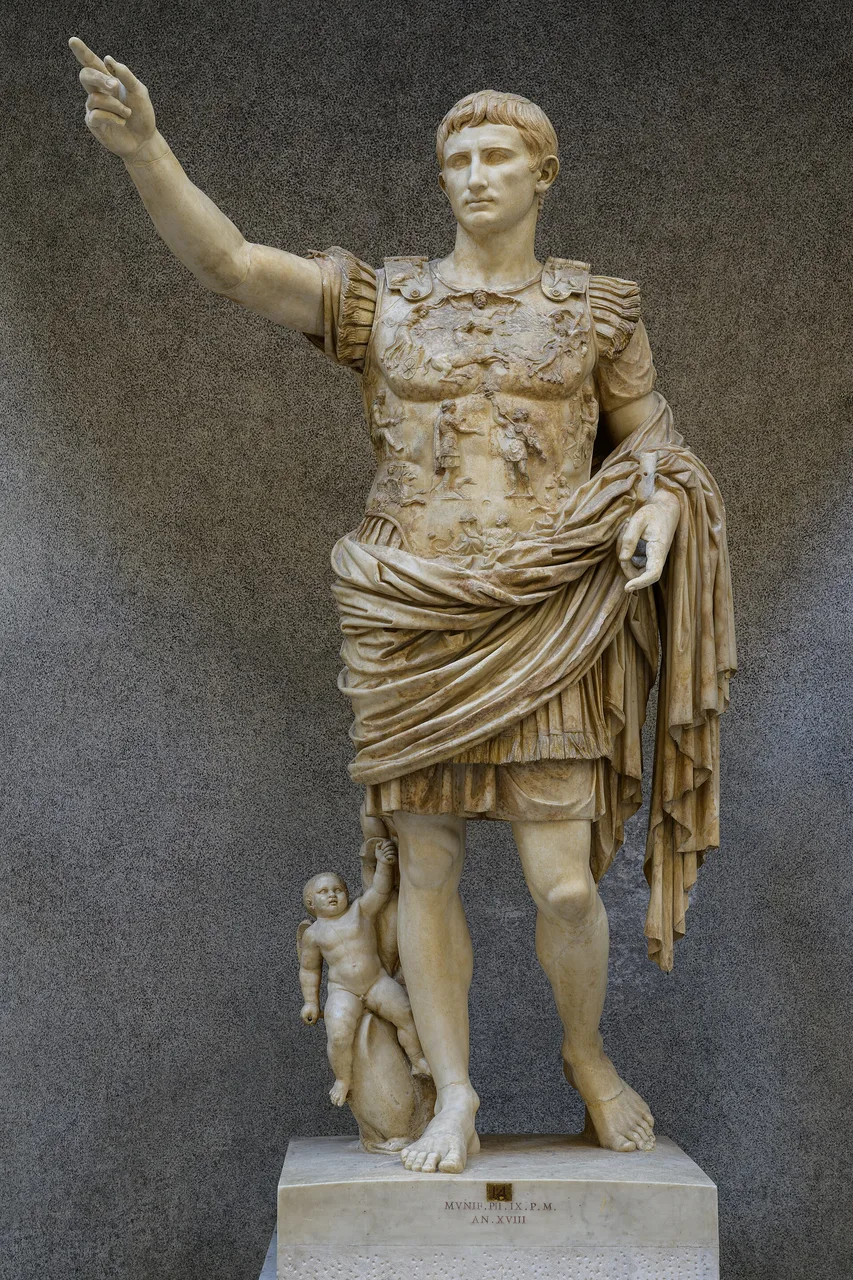
In his will, Caesar posthumously adopted his eighteen-year-old great-nephew, Gaius Octavius, leaving him three-quarters of his vast estate. Octavius used this inheritance and Caesar's name to build an army, eventually becoming Augustus, Rome's first emperor.
Photo: Justin Benttinen, Wikimedia Commons, CC BY-SA 4.0.
Touche la bonne réponse
Caesar coined the famous phrase "I came, I saw, I conquered" after his incredibly swift victory over King Pharnaces II of Pontus at the Battle of Zela in 47 BC. The entire engagement was concluded in just five hours, highlighting Caesar's rapid military execution.
Touche la bonne réponse
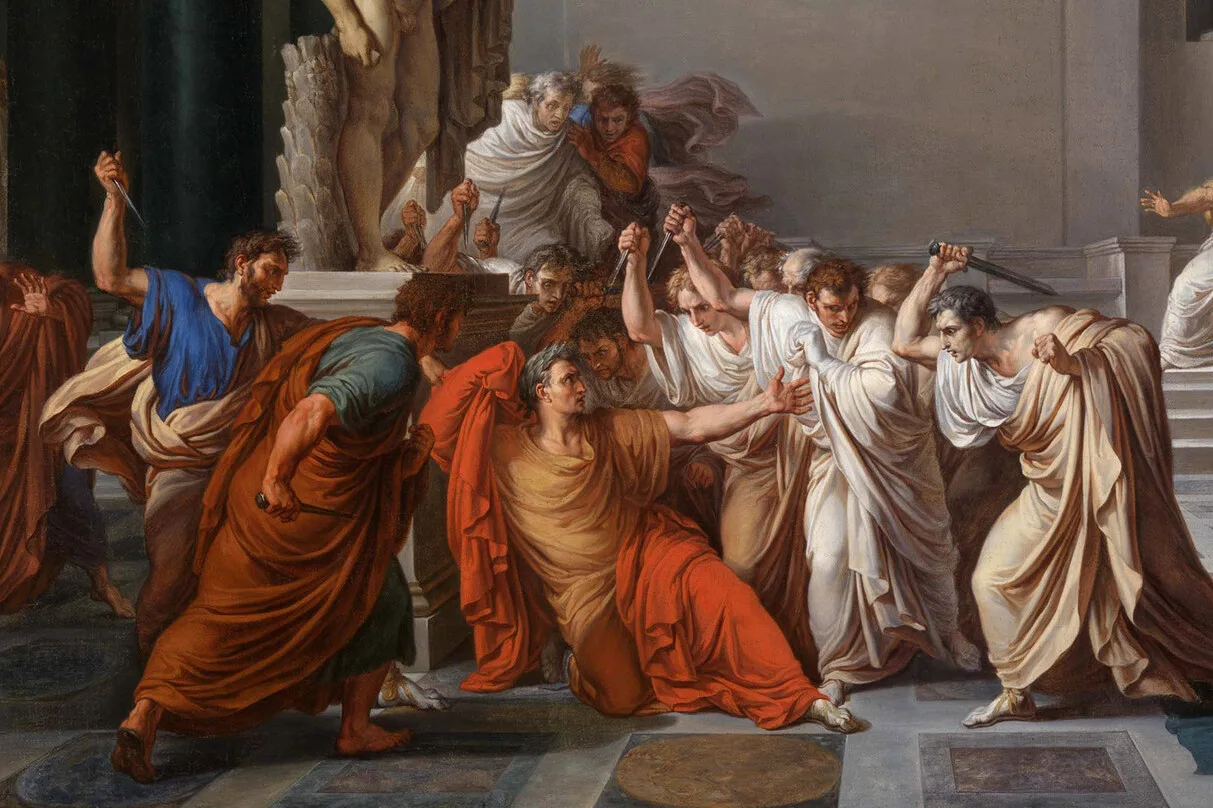
While many believe Caesar was killed in the Roman Forum, the Senate was temporarily meeting in the Curia of Pompey, part of a large theatre complex, because the regular Senate house was being rebuilt. Ironically, Caesar fell at the base of a statue of his great rival, Pompey.
Photo: Vincenzo Camuccini, Wikimedia Commons, Public domain.
Touche la bonne réponse
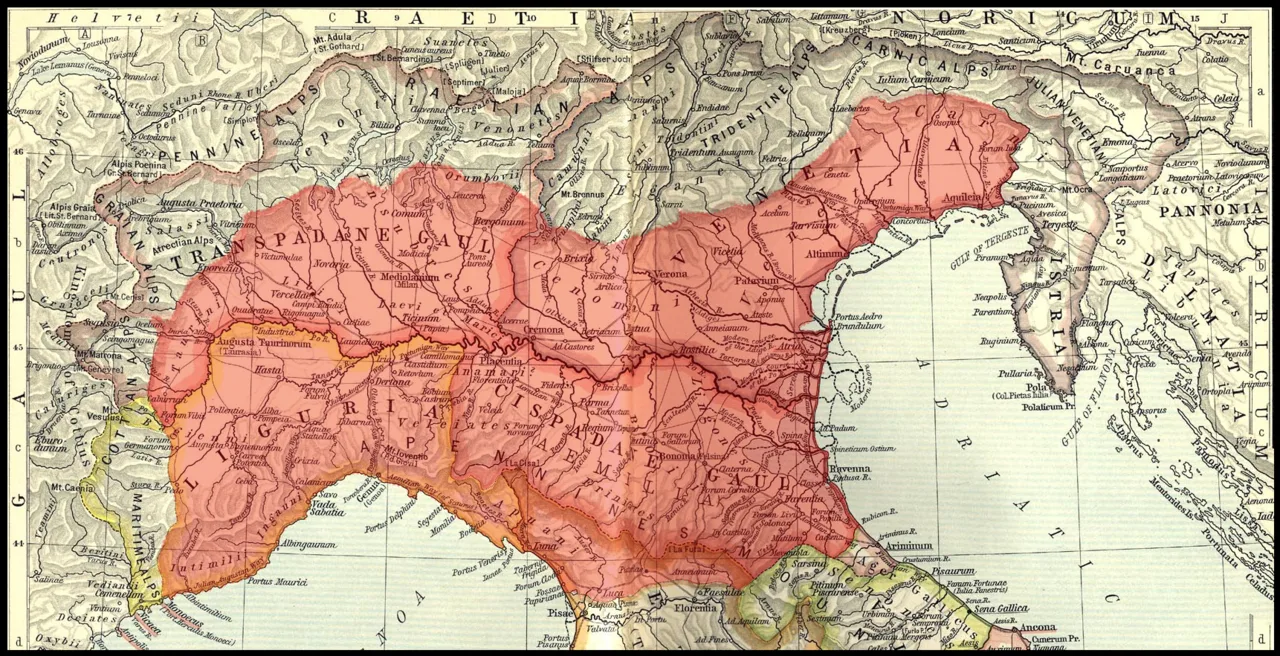
Crossing the shallow Rubicon river marked the boundary between the province of Cisalpine Gaul, which Caesar governed, and Italy proper. Bringing an army across this boundary without Senate permission was an act of treason, sparking a massive civil war.
Photo: Historical Atlas by William R. Shepherd 1911 edition derivative work: Cristiano6, Wikimedia Commons, Public domain.
Touche la bonne réponse
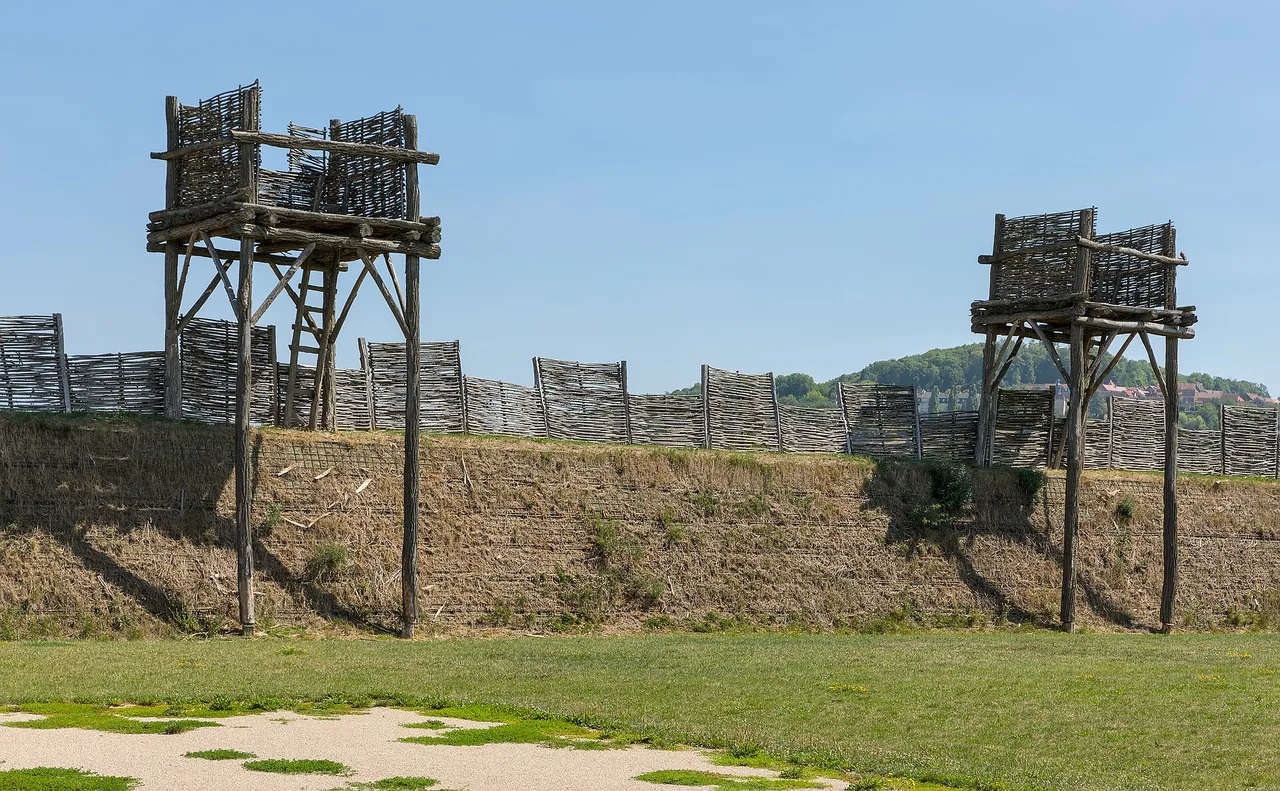
At the Siege of Alesia in 52 BC, Caesar faced Vercingetorix. To defeat him, Caesar's legions constructed an inward-facing wall to starve the defenders and an outward-facing wall to protect themselves from a massive Gallic relief army, a brilliant feat of military engineering.
Photo: Benjamin Smith, Wikimedia Commons, CC BY-SA 4.0.
Touche la bonne réponse
In 75 BC, a young Caesar was captured by pirates near the small island of Pharmacusa. Far from being intimidated, he treated his captors with disdain, demanding they ask for a higher ransom and promising to return and crucify them once freed—a promise he actually kept.


Envie de créer un quiz comme celui-ci ? Fais-le sur Votur, c'est gratuit.
Colle le code dans ta page. Le lecteur s'adapte tout seul et chaque vote compte dans Votur.
Sur WordPress, Ghost ou Squarespace ? Colle simplement le lien de cette page dans ton article.
Voilà à quoi ça ressemble
Aussi sympa