 Get app
Embark on a journey through the captivating history, vibrant culture, and stunning landmarks of Lisbon. How well do you truly know this city of seven hills and maritime wonders?
Lisbon Newbie 0–4 · Lisbon Explorer 5–8 · Lisbon Insider 9–10

Tap the right answer
The Great Lisbon Earthquake struck on November 1, 1755, All Saints' Day, causing widespread destruction, followed by tsunamis and fires. This catastrophic event, occurring in the 18th century, profoundly influenced European philosophy, particularly the Enlightenment, and led to the pioneering reconstruction of the Baixa district with innovative anti-seismic building techniques.
Photo: USGS, Wikimedia Commons, Public domain.

Tap the right answer
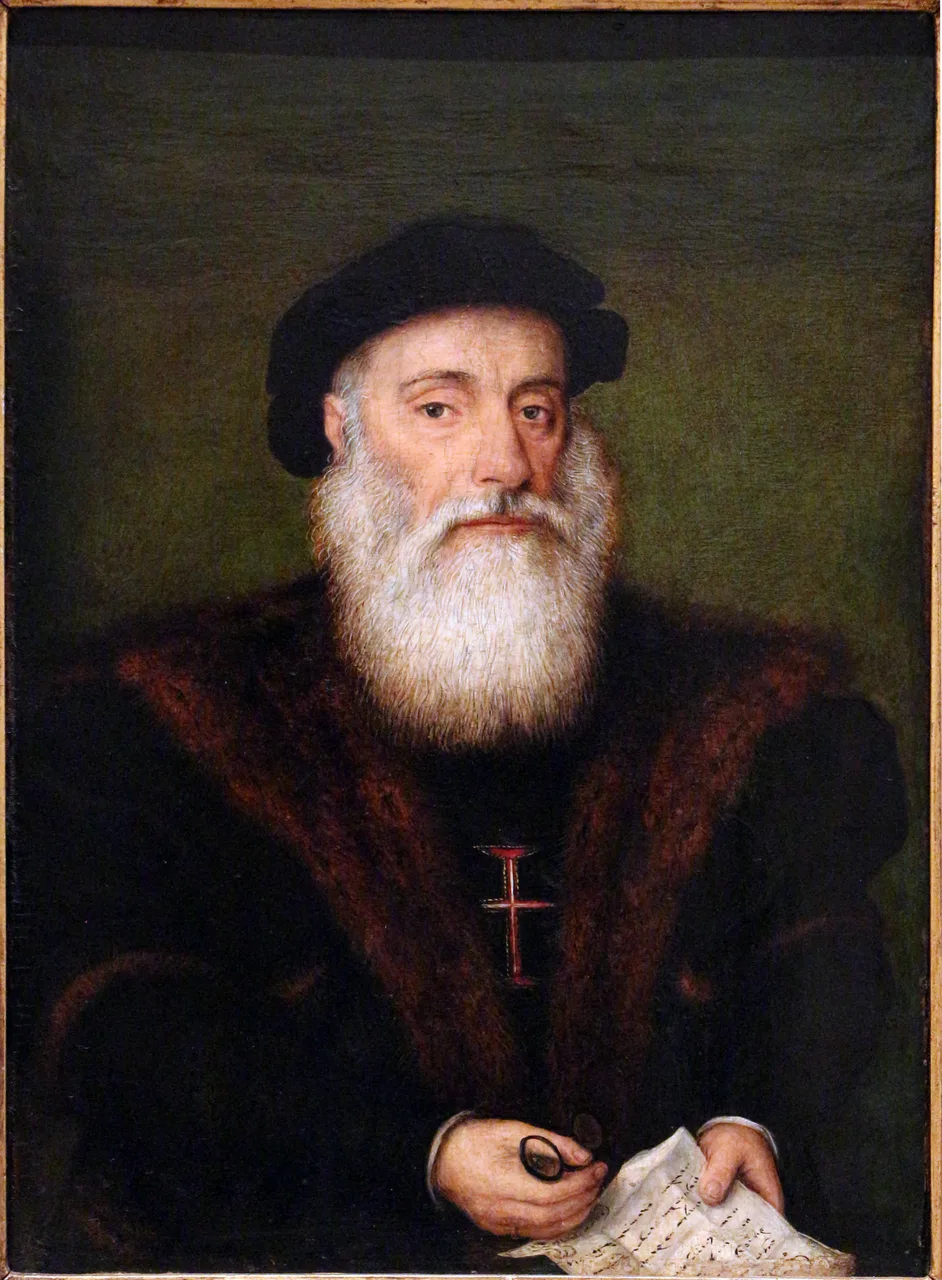
The magnificent Jerónimos Monastery is the final resting place of Vasco da Gama, the celebrated explorer who was the first European to reach India by sea. His tomb, alongside that of poet Luís de Camões, is a testament to Portugal's Golden Age of Exploration. The monastery was commissioned by King Manuel I to commemorate da Gama's successful voyage.
Photo: Sailko, Wikimedia Commons, CC BY 3.0.
Tap the right answer
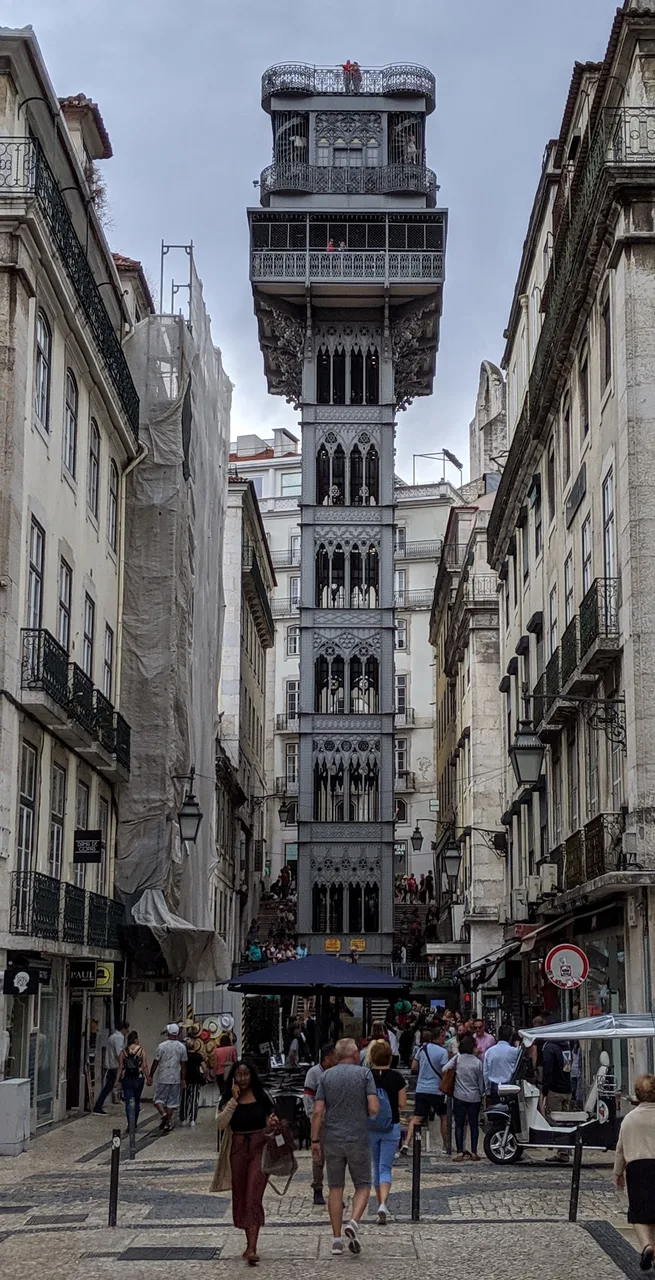
The Santa Justa Lift, an impressive wrought-iron elevator connecting the Baixa district to the higher Carmo Square, displays strong Neo-Gothic influences in its overall structure and arches. Designed by Raoul Mesnier du Ponsard, a student of Gustave Eiffel, its intricate ironwork and decorative elements also incorporate some Art Nouveau touches, evoking a sense of grandeur. It was originally steam-powered before being electrified in 1907.
Photo: Dicklyon, Wikimedia Commons, CC BY-SA 4.0.
Tap the right answer
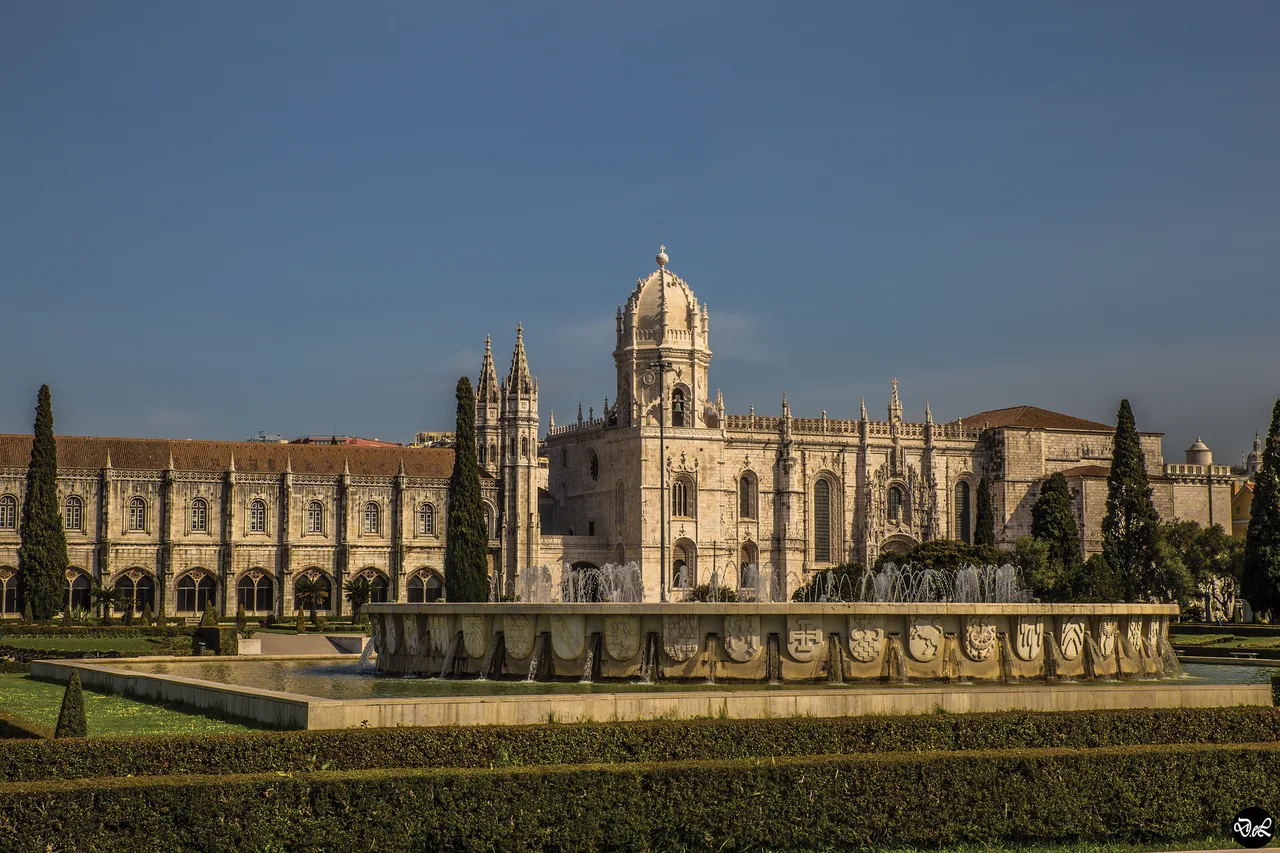
The Jerónimos Monastery is a UNESCO World Heritage site and a breathtaking example of Manueline architecture, a lavishly ornate Portuguese Gothic style. This distinctive style, named after King Manuel I, incorporates maritime elements, exotic motifs, and symbols of the Age of Discoveries, reflecting Portugal's wealth and power during the 15th and 16th centuries.
Photo: Heartshade, Wikimedia Commons, CC BY 4.0.
Tap the right answer
Lisbon is strategically situated on the northern bank of the Tagus River (Rio Tejo), which forms a vast and picturesque estuary before emptying into the Atlantic Ocean. This prime location has historically made Lisbon a crucial port city and a gateway for maritime exploration and trade. The river provides stunning views and is central to the city's identity.
Tap the right answer
Lisbon's striking suspension bridge, often compared to San Francisco's Golden Gate Bridge, was originally named Ponte Salazar, after António de Oliveira Salazar, Portugal's authoritarian prime minister who initiated its construction. After the Carnation Revolution on April 25, 1974, which overthrew the Estado Novo regime, the bridge was symbolically renamed to commemorate that date.
Photo: Mike, Wikimedia Commons, CC BY 3.0.

Tap the right answer
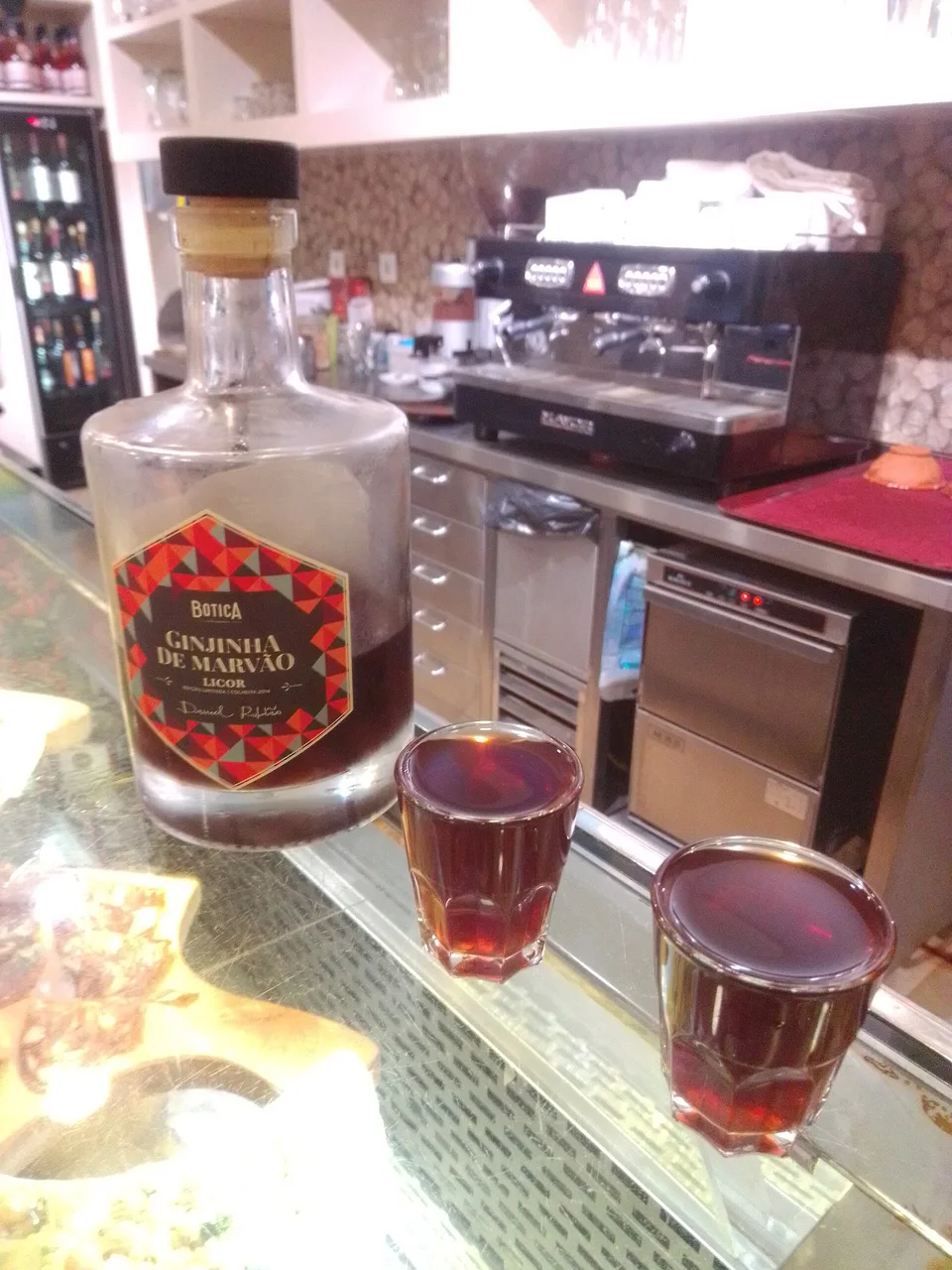
Ginjinha, or Ginja, is a beloved traditional Portuguese liqueur made by infusing sour cherries (ginjas) in alcohol, typically aguardente, often with sugar and cinnamon. It's a sweet, intense drink, commonly served in a small shot glass, sometimes with a cherry at the bottom. It's a quintessential Lisbon experience, enjoyed by locals and tourists alike.
Photo: MiguelAlanCS, Wikimedia Commons, CC BY-SA 4.0.
Tap the right answer
Tram 28 is arguably Lisbon's most famous tram line, offering a winding journey through many historic districts like Alfama, Baixa, and Graça. Its vintage yellow carriages are a popular attraction, providing a unique way to experience the city's steep hills and picturesque alleys. Tram 15, while useful, primarily runs along the riverside to Belém.
Tap the right answer
Azulejos are ceramic tiles, often blue and white, that are an iconic part of Portuguese art and architecture. They adorn the interiors and exteriors of churches, palaces, schools, and private homes throughout Lisbon, depicting historical narratives, religious themes, or intricate geometric patterns. The National Azulejo Museum in Lisbon showcases their rich history. Frescoes are wall paintings, not tiles.
Photo: Alvesgaspar, Wikimedia Commons, CC BY 2.5.
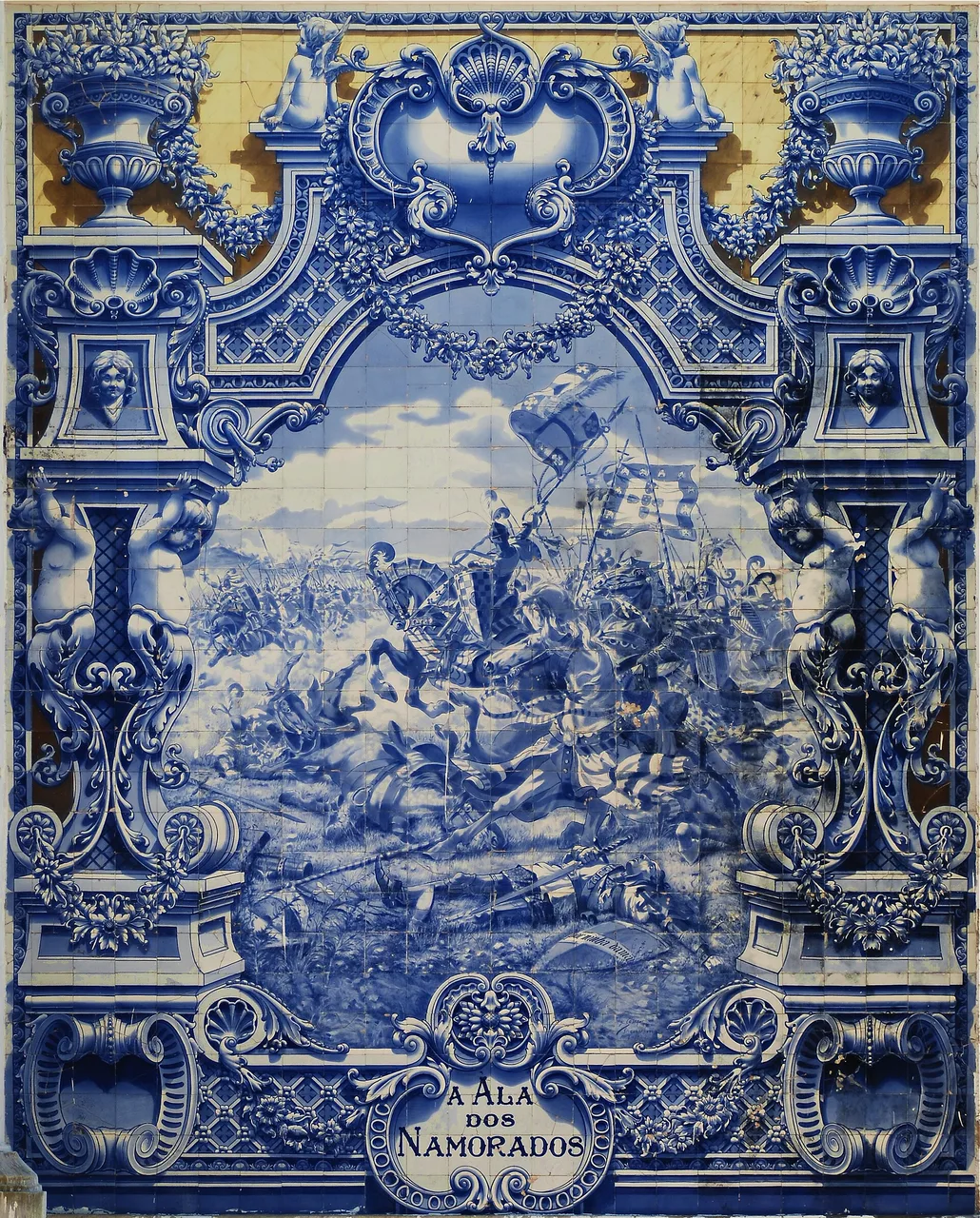
Tap the right answer
Monsanto Forest Park is an expansive green space covering over 900 hectares, making it the largest urban park in Lisbon. It serves as a vital ecological lung for the city, offering diverse flora, walking trails, and recreational areas, along with panoramic views. Parque Eduardo VII is a beautiful, but much smaller and more formal, park in the city center.
Photo: CorreiaPM, Wikimedia Commons, Public domain.
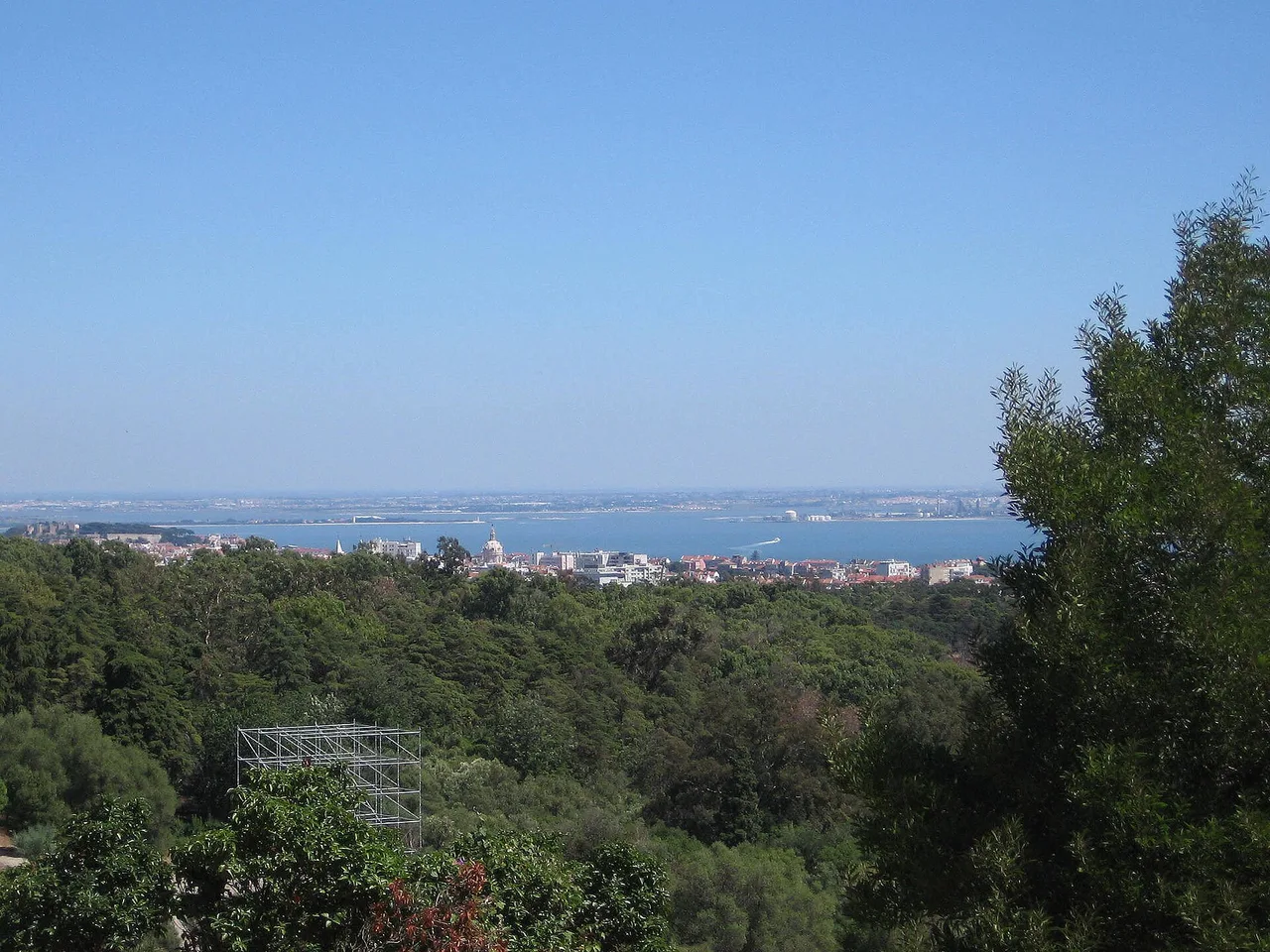


Want to make a quiz like this yourself? Do it on Votur, it's free.
Paste the code into your page. The player fits itself in, and every vote counts in Votur.
On WordPress, Ghost or Squarespace? Just paste the link of this page into your post.
This is how it looks
Also fun
How well do you know Madrid? · 10 →How well do you know Spain? · 10 →How well do you know Rome? · 10 →How well do you know Italy? · 10 →How well do you know Bern? · 10 →How well do you know Switzerland? · 10 →How well do you know Vienna? · 10 →How well do you know Austria? · 10 →How well do you know Berlin? · 10 →How well do you know London? · 10 →How well do you know the United Kingdom? · 10 →How well do you know Paris? · 10 →How well do you know France? · 10 →How well do you know Brussels? · 10 →How well do you know Amsterdam? · 10 →How well do you know the Netherlands? · 10 →How well do you know Copenhagen? · 10 →How well do you know Denmark? · 10 →How well do you know Athens? · 10 →How well do you know Greece? · 10 →How well do you know Portugal? · 10 →How well do you know Tallinn? · 10 →How well do you know Estonia? · 10 →Belgium · 8 →Universe · 10 →Which Greek hero are you? · 8 →Gulpen · 5 →How well do you know Dutch weather? · 10 →How well do you know Germany? · 10 →Who owns the Netherlands? · 10 →The little church village of Klimmen · 10 →Do you know Neutral Moresnet? · 10 →