Get app
 Photo: Emptywords, Wikimedia Commons, CC BY-SA 4.0.
Discover the vibrant history, culture, and landmarks of Poland's capital city. Test your knowledge about Warsaw, from its famous residents to its remarkable post-war reconstruction, and uncover fascinating facts about this resilient metropolis.
Warsaw Newbie 0–4 · Warsaw Wanderer 5–8 · True Varsovian 9–10
Pick one

Despite being almost completely destroyed during World War II, Warsaw's Old Town was painstakingly reconstructed based on historical paintings and architectural plans, a monumental effort that captured the spirit of the city. This remarkable feat of preservation led to its designation as a UNESCO World Heritage Site in 1980. The reconstruction serves as a powerful symbol of Polish resilience and dedication to cultural heritage, bringing history back to life.
Pick one
The Warsaw Mermaid, or Syrenka, holds a sword and a shield and guards the city on its coat of arms. Legend says she was caught by fishermen in the Vistula River and freed by locals, and promised to protect the city ever since. You can spot her statue in the Old Town Market Square. The dragon belongs to another Polish city: Kraków!
Pick one
The Royal Castle in Warsaw was the official residence of Polish monarchs for centuries. It was meticulously rebuilt after its destruction during World War II, using salvaged fragments and historical documentation, a testament to national pride. Today, it serves as a museum and houses impressive collections of art, furniture, and royal regalia, offering a glimpse into Poland's regal past and its enduring heritage.
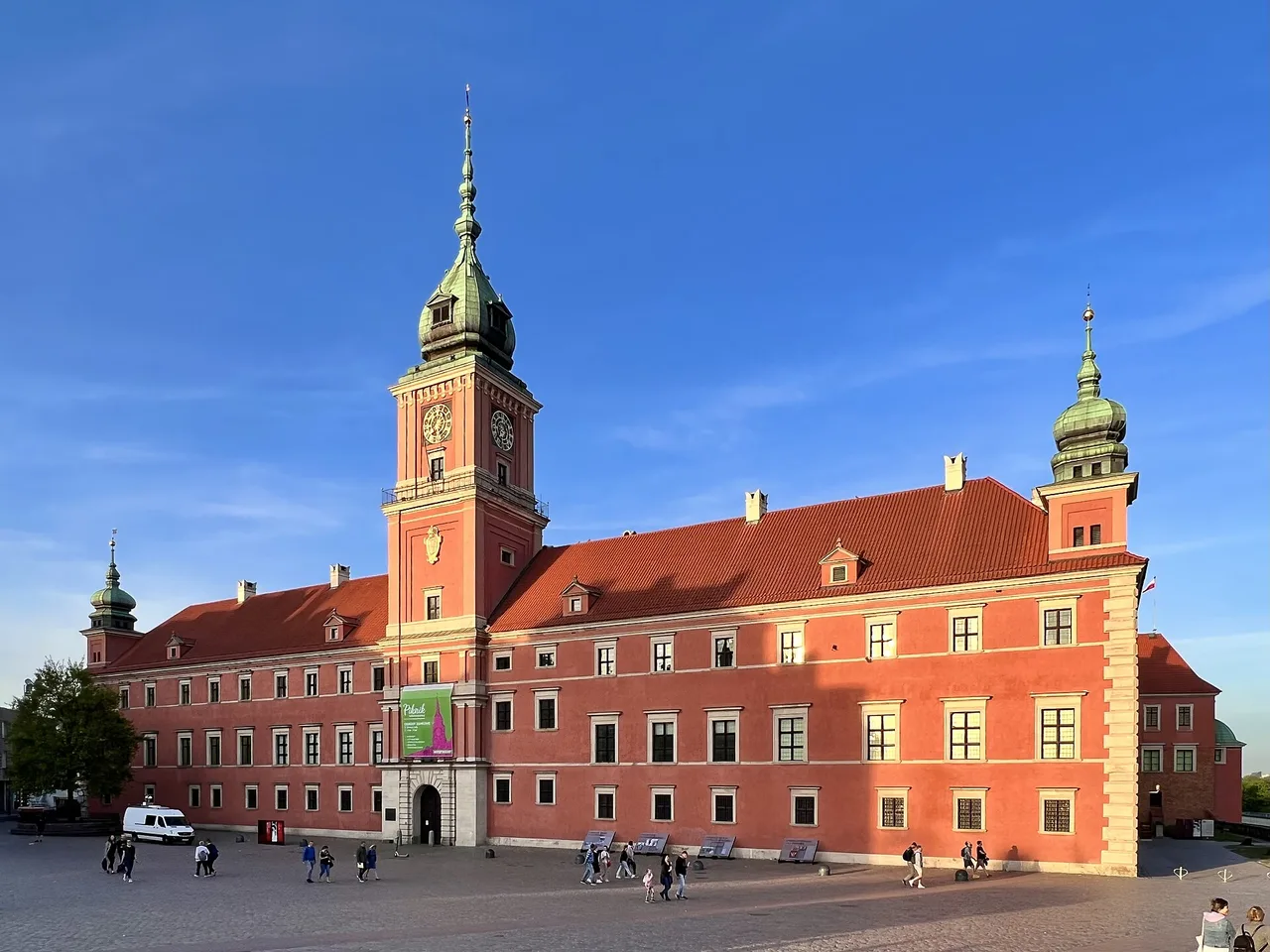
Photo: Chris Olszewski, Wikimedia Commons, CC BY-SA 4.0.
Pick one
The Palace of Culture and Science, completed in 1955, was a "gift" from the Soviet Union to the Polish nation, making it a prominent and often controversial landmark. It remains one of Warsaw's most recognizable structures, housing various cultural institutions like theaters, museums, and a cinema. Its observation deck on the 30th floor provides impressive panoramic views of the entire city, reflecting its enduring presence in the urban landscape.
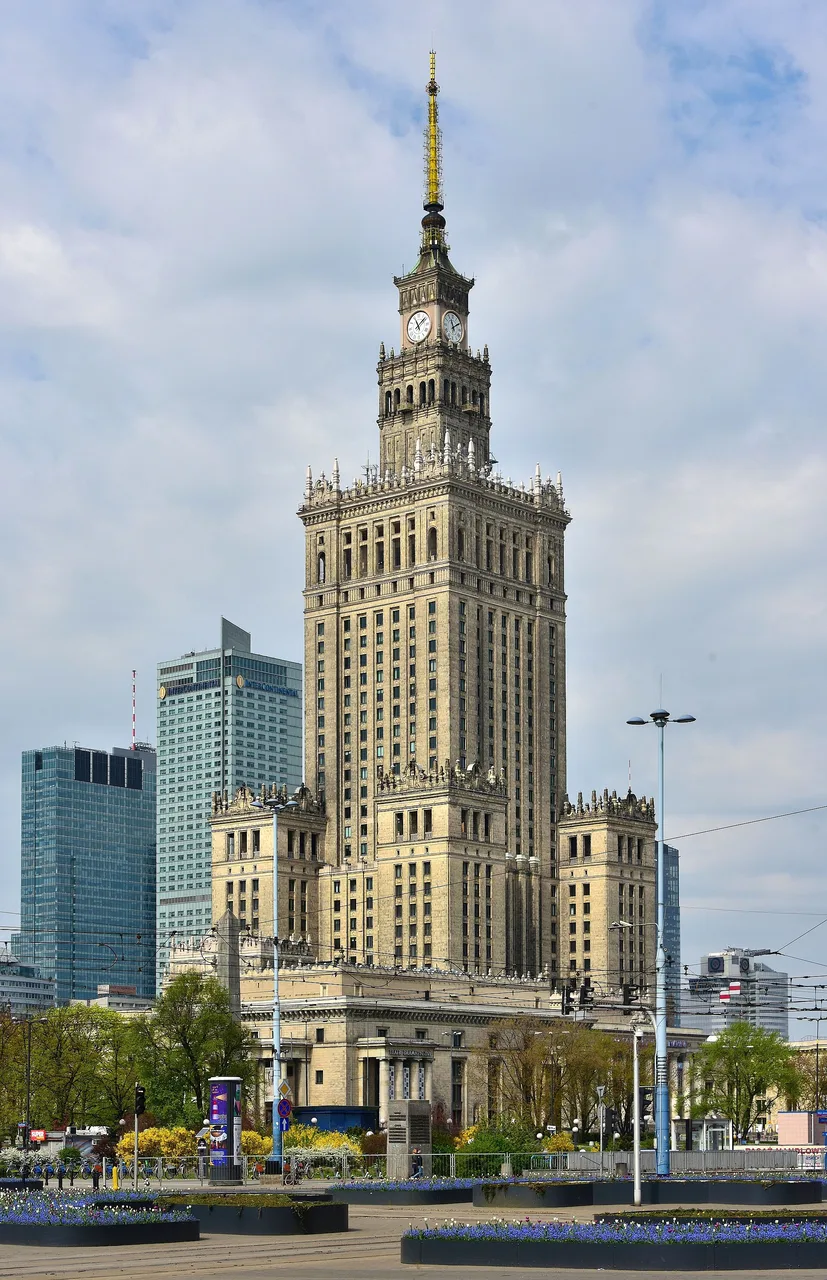
Photo: Adrian Grycuk, Wikimedia Commons, CC BY-SA 3.0 pl.
Pick one
Łazienki Park, or Royal Baths Park, is Warsaw's largest park complex, known for its beautiful classical architecture, including the iconic Palace on the Isle. It hosts numerous cultural events, especially free Chopin concerts during summer weekends, drawing large crowds. The park's diverse flora and fauna, including peacocks and squirrels, make it a popular spot for both locals and tourists to relax and enjoy nature within the city.

Photo: Marek and Ewa Wojciechowscy, Wikimedia Commons, CC BY-SA 3.0.
Pick one
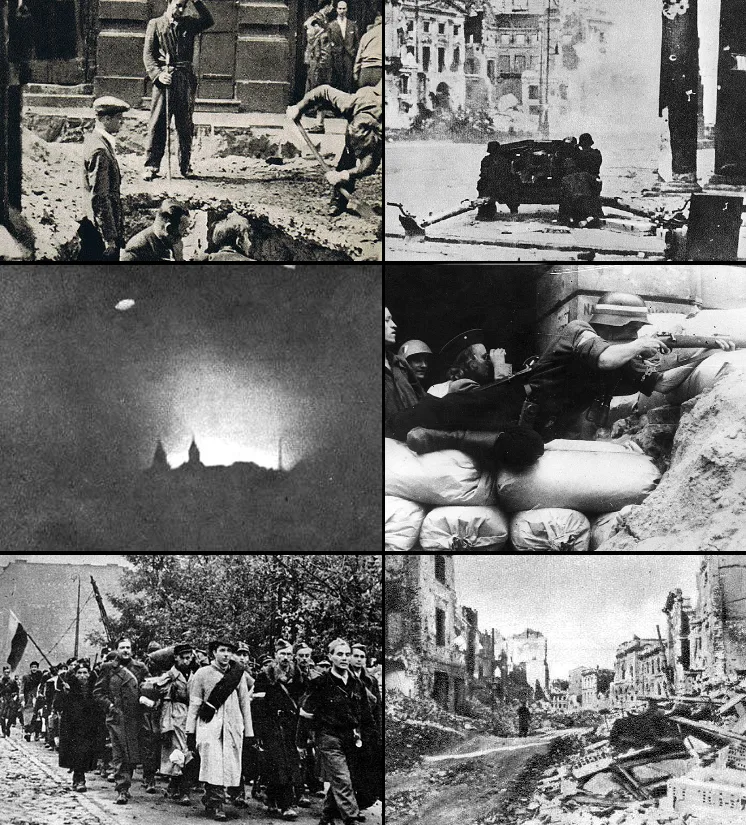
The Warsaw Uprising was a major World War II operation by the Polish Home Army to liberate Warsaw from German occupation. Following its suppression, German forces systematically destroyed over 85% of the city. The subsequent post-war reconstruction, particularly of the Old Town, was a remarkable effort, rebuilding many historical buildings from ruins or detailed plans, symbolizing Polish resilience.
Photo: PattyB0YY, Wikimedia Commons, CC BY-SA 4.0.
Pick one
Sigismund's Column, erected in 1644, is one of Warsaw's most recognizable landmarks, commemorating King Sigismund III Vasa. He was the monarch who moved the Polish capital from Kraków to Warsaw in 1596, a pivotal decision for the city's future. The column stands as a testament to the city's historical significance and its enduring role as the nation's political and cultural heart, a constant reminder of its royal past.

Photo: Voyager747, Wikimedia Commons, CC BY 3.0.
Pick one
The National Museum in Warsaw is one of Poland's largest and oldest museums, boasting an impressive collection that spans ancient artifacts to modern art, including a renowned gallery of medieval art. It serves as a vital cultural institution, preserving and showcasing Polish artistic heritage and its connections to global art movements. Its diverse exhibitions make it a cornerstone of Warsaw's cultural landscape, offering insights into centuries of creativity.
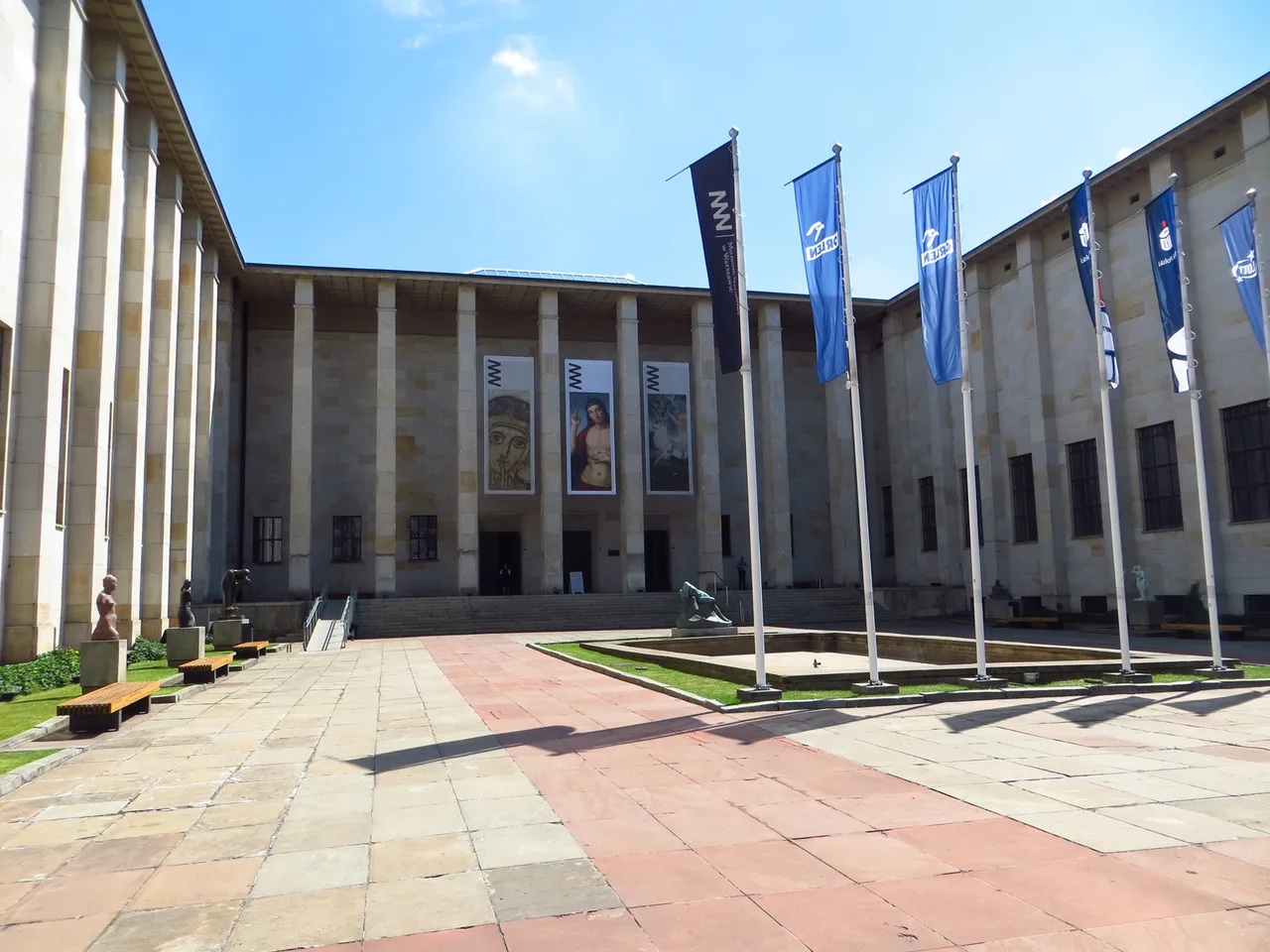
Photo: Mister No, Wikimedia Commons, CC BY 3.0.

Pick one
Warsaw is the capital of the Masovian Voivodeship and historically lies in the heart of the Masovia region, a central and strategically important area. This central location has played a crucial role in its development as a political, economic, and cultural hub throughout Polish history. The region is characterized by its largely flat, agricultural landscape, with Warsaw serving as its vibrant urban and administrative center.
Photo: Aquarius 24, Wikimedia Commons, CC BY-SA 4.0.
Pick one
Marie Skłodowska-Curie, born in Warsaw, was a pioneering physicist and chemist who conducted groundbreaking research on radioactivity. She was the first woman to win a Nobel Prize, the first person and only woman to win the Nobel Prize twice, and the only person to win the Nobel Prize in two different scientific fields. Her childhood home in Warsaw is now a museum, celebrating her incredible scientific achievements and Polish heritage.
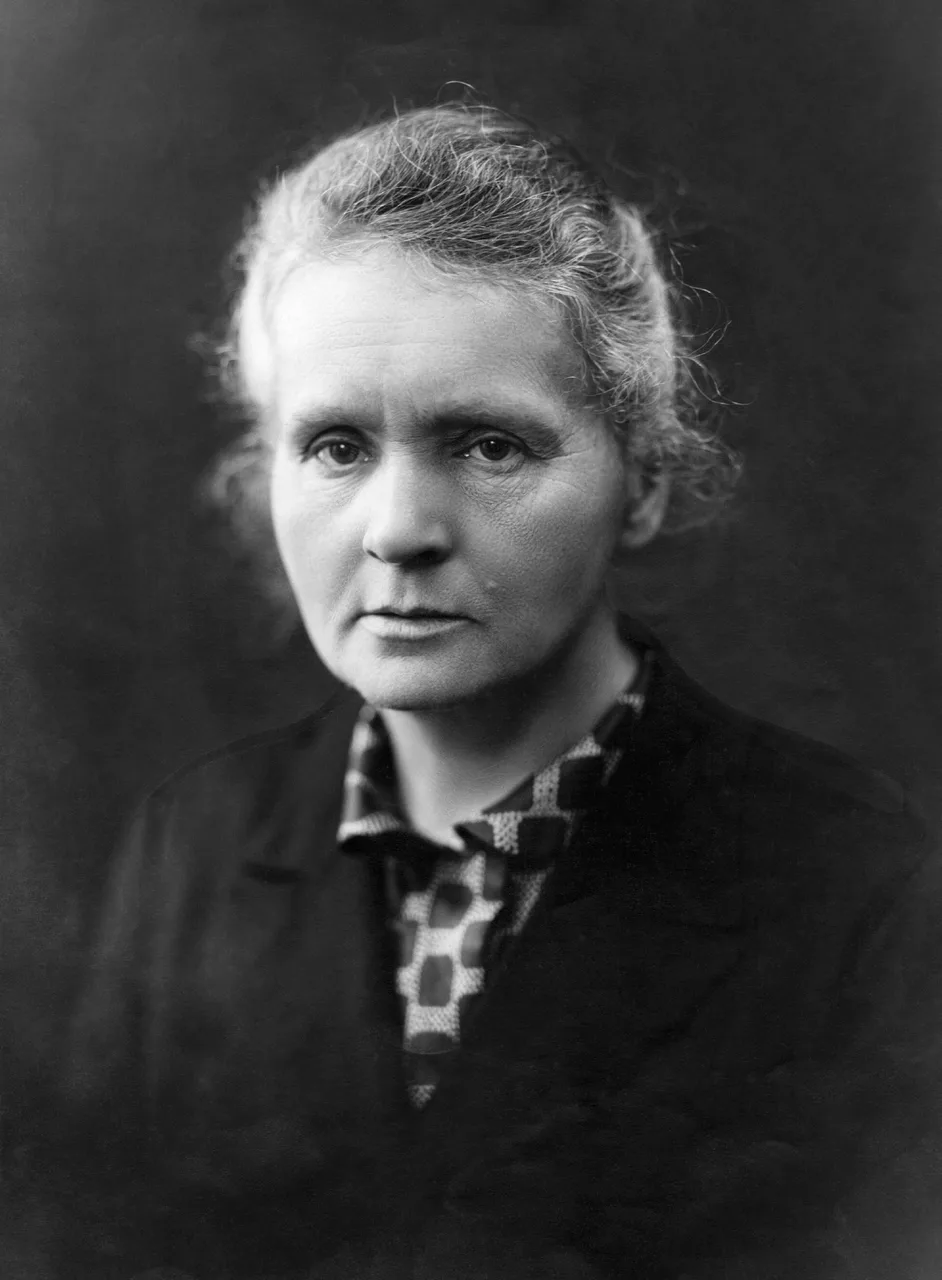
Photo: Henri Manuel, Wikimedia Commons, Public domain.


Paste the code into your page. The player fits itself in, and every vote counts in Votur.
On WordPress, Ghost or Squarespace? Just paste the link of this page into your post.
This is how it looks
Also fun