Get app
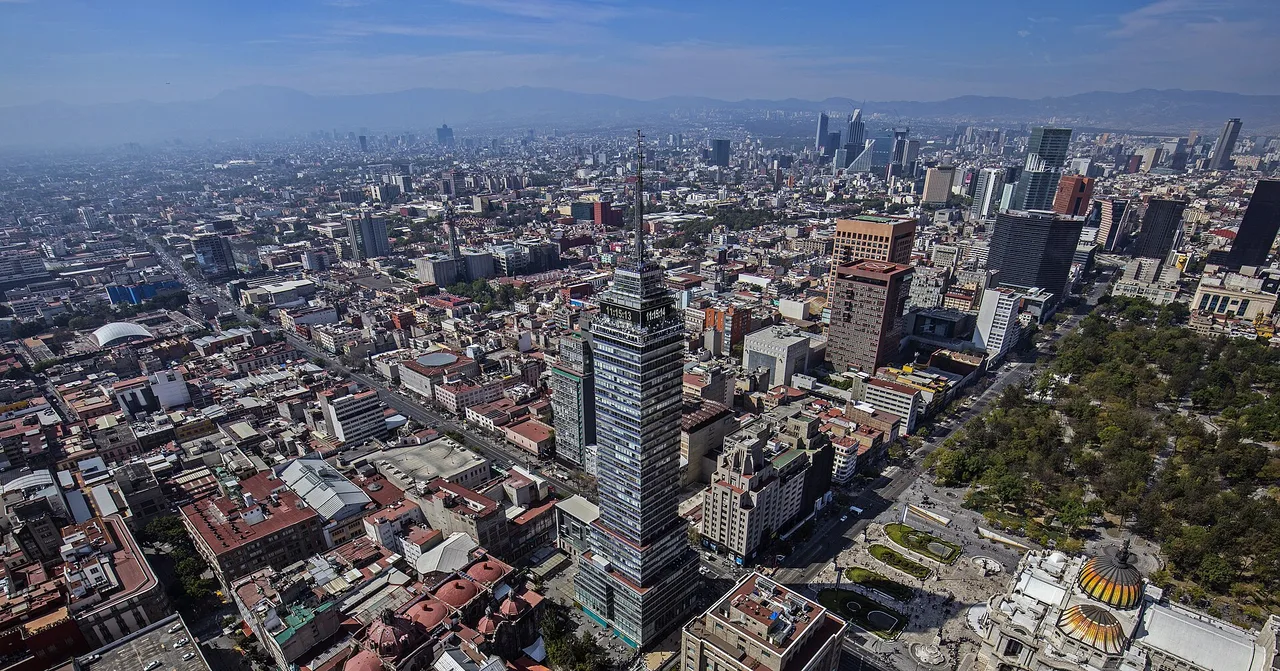
 Photo: Thelmadatter, Wikimedia Commons, CC BY-SA 3.0.
Journey to the vibrant heart of southern Mexico! Test your knowledge on Chiapas's ancient Maya ruins, breathtaking canyons, rich indigenous cultures, and unique culinary traditions.
Friendly Wanderer 0–4 · Curious Explorer 5–8 · True Local 9–10
Pick one

Chiapas produces more coffee than any other Mexican state, with its high-altitude volcanic soils and canopy shade providing perfect conditions for Arabica beans. Much of this coffee is grown by small-scale indigenous cooperatives committed to sustainable, organic farming methods.
Pick one
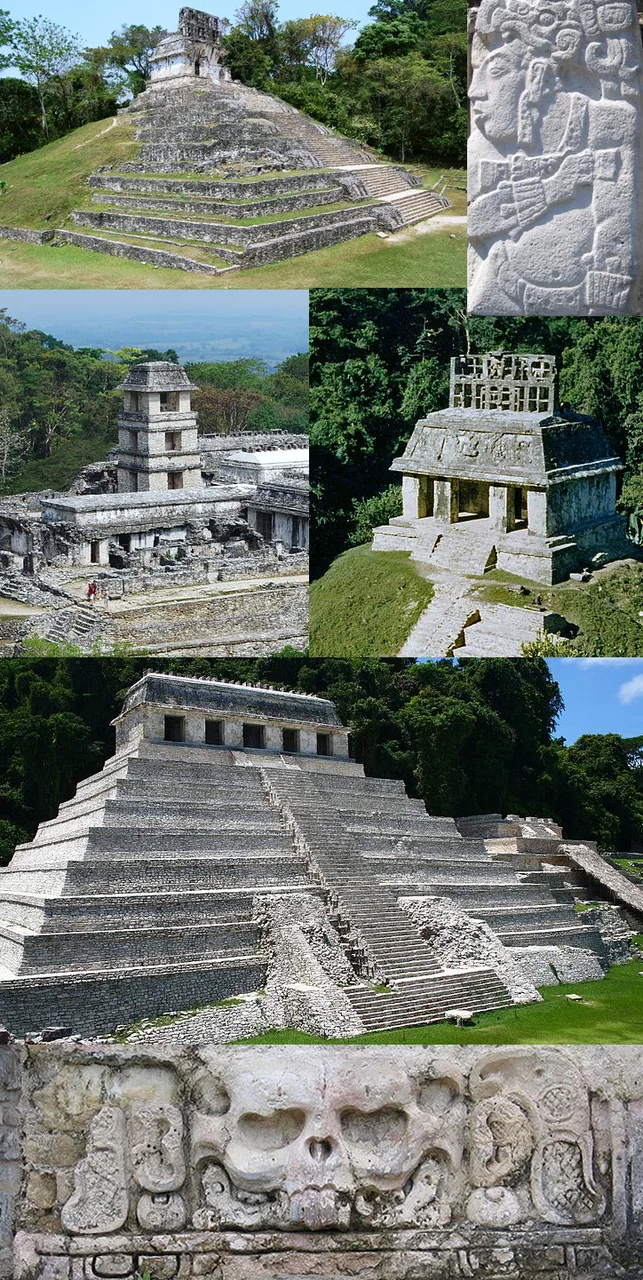
Palenque is one of the most magnificent Maya archaeological sites, active during the Classic period. It is famous for its elegant architecture and the discovery of Pakal the Great's tomb inside the Temple of the Inscriptions. The site is surrounded by dense jungle, adding a mystical atmosphere to its historic ruins.
Photo: Ricraider, Wikimedia Commons, CC BY-SA 3.0.
Pick one
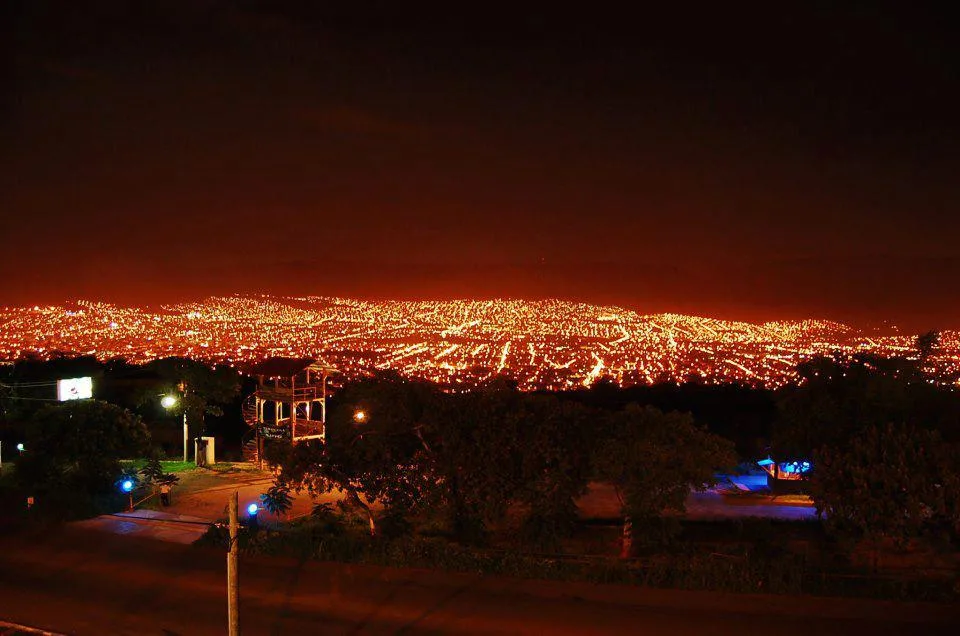
Tuxtla Gutiérrez became the permanent capital of Chiapas in 1892, taking over from San Cristóbal de las Casas after decades of political rivalry between the two cities. Today, Tuxtla is a bustling modern hub, home to a unique regional zoo that exclusively features native Chiapanecan fauna.
Photo: Baquides, Wikimedia Commons, CC BY-SA 3.0.
Pick one
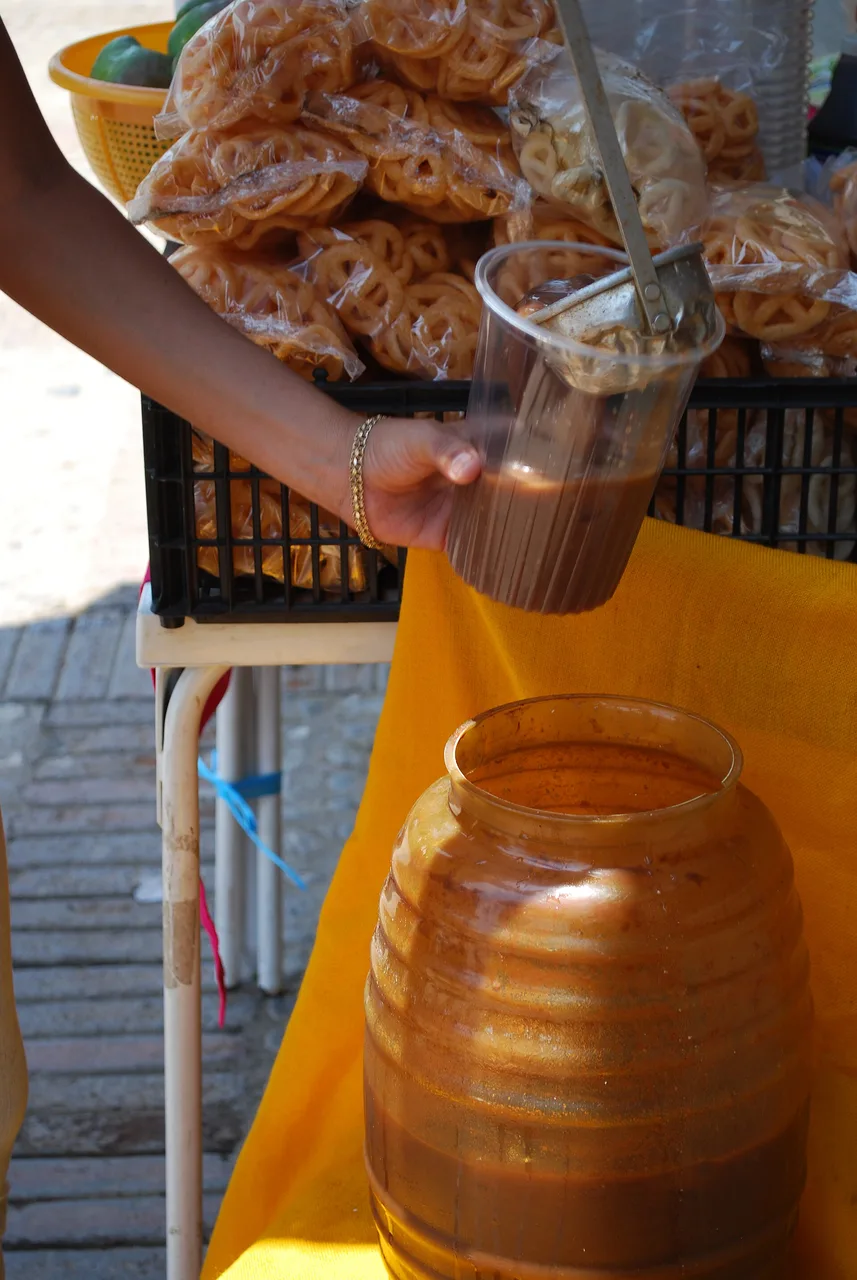
Pozol has been consumed in southern Mexico since pre-Columbian times as both a refreshing drink and a nutritious meal for travelers. It is traditionally served cold in a hollowed-out gourd called a jícara, helping locals stay hydrated in the tropical climate.
Photo: AlejandroLinaresGarcia, Wikimedia Commons, CC BY-SA 3.0.
Pick one
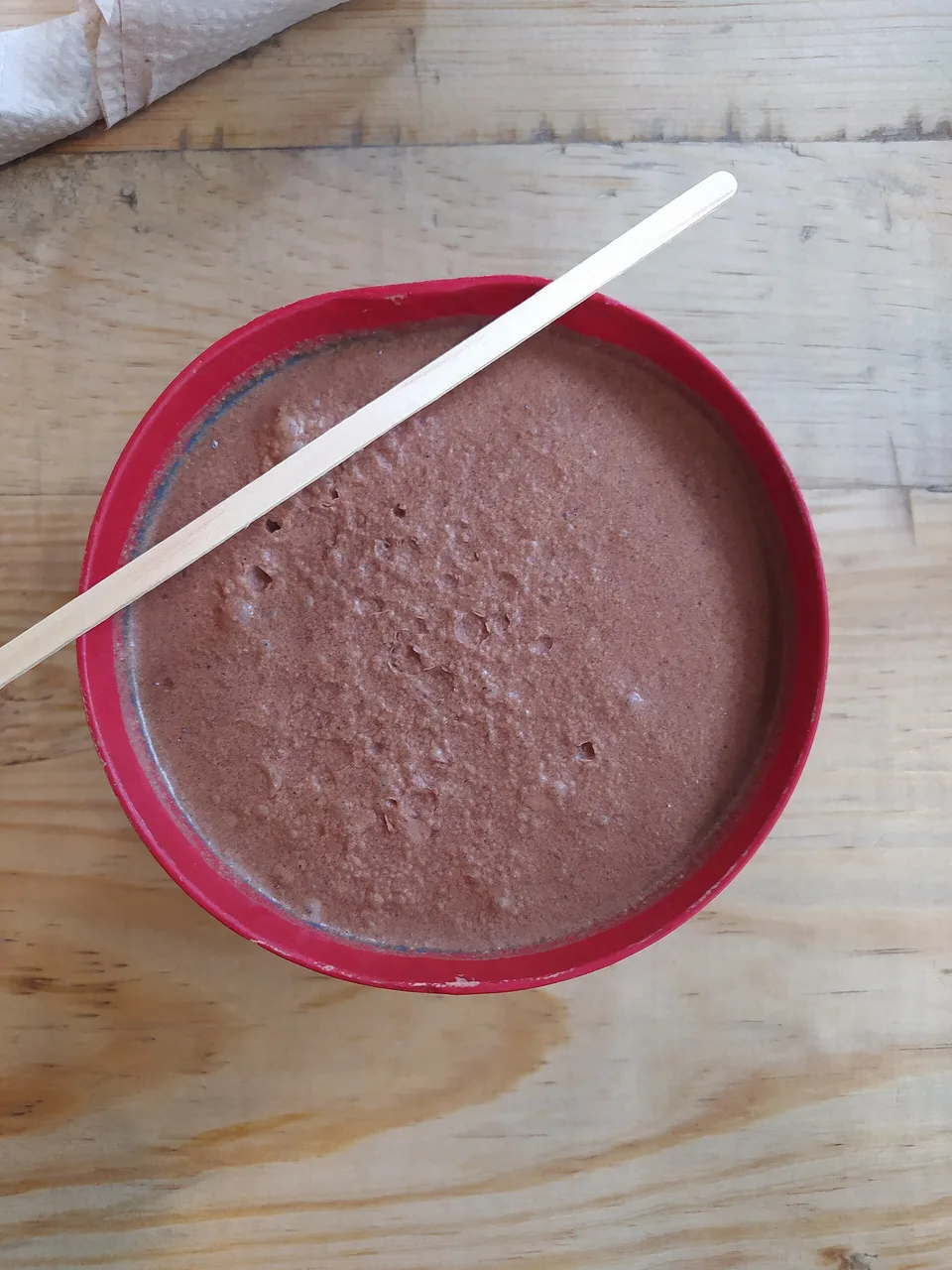
Tascalate is a delicious, refreshing drink dating back to pre-Hispanic times. It gets its distinctive brick-red color from achiote, which is blended with toasted corn, cacao, sugar, and cinnamon. It is traditionally served ice-cold and is highly celebrated as a symbol of Chiapas's culinary heritage.
Photo: Pequeño mar, Wikimedia Commons, CC BY-SA 4.0.
Pick one
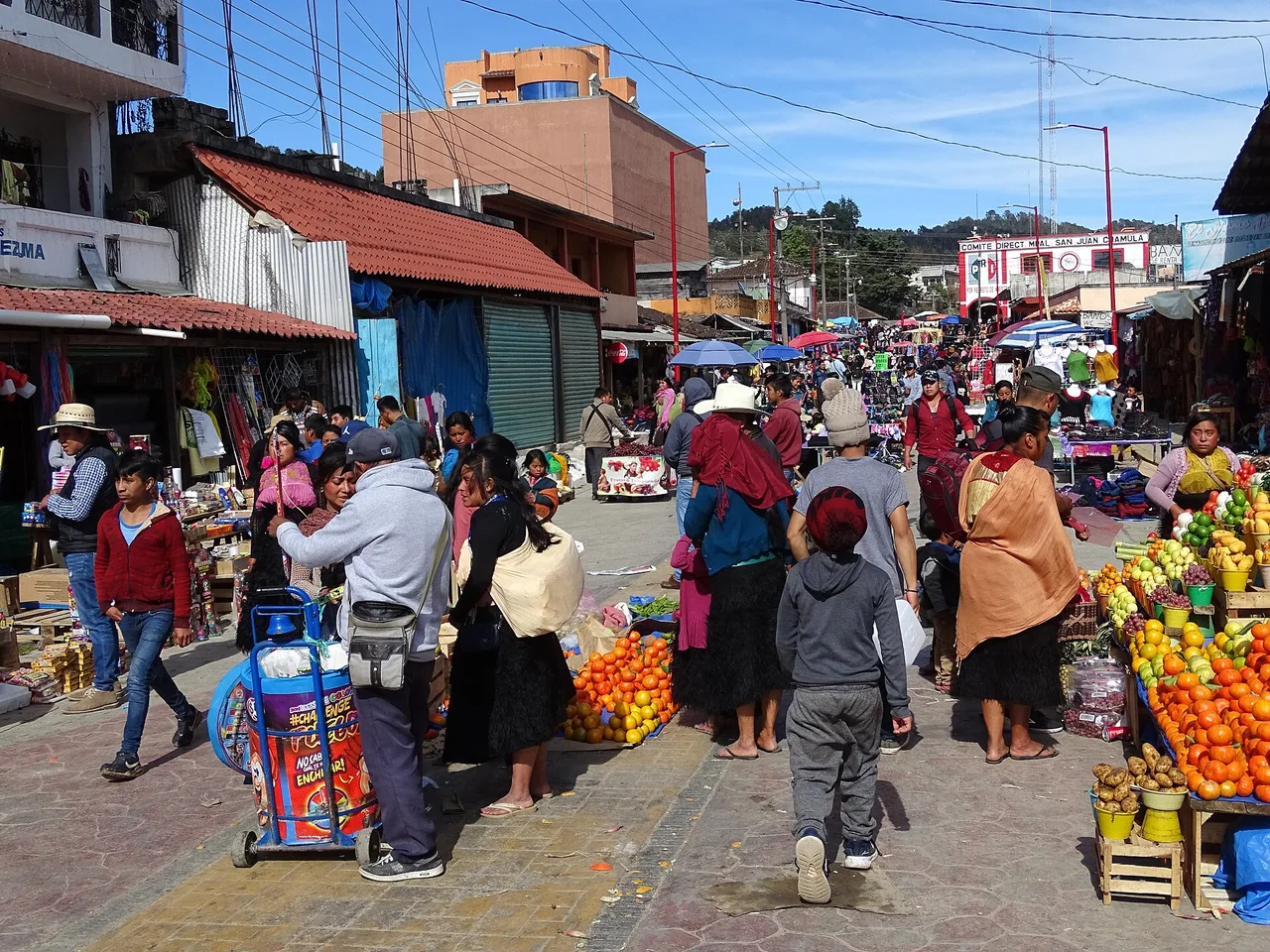
The Tzotzil people maintain strong cultural autonomy and distinct religious practices that blend traditional Maya beliefs with Catholicism. In highland towns like San Juan Chamula, they wear beautiful, heavy hand-woven wool tunics called chujes to protect against the chilly mountain climate.
Photo: Adam Jones, Wikimedia Commons, CC BY 2.0.
Pick one
Lagunas de Montebello National Park features stunning lakes whose colors vary from turquoise and emerald to deep violet, caused by different mineral contents and light refraction. The park sits right on the border with Guatemala, and some lakes are actually shared between the two nations.
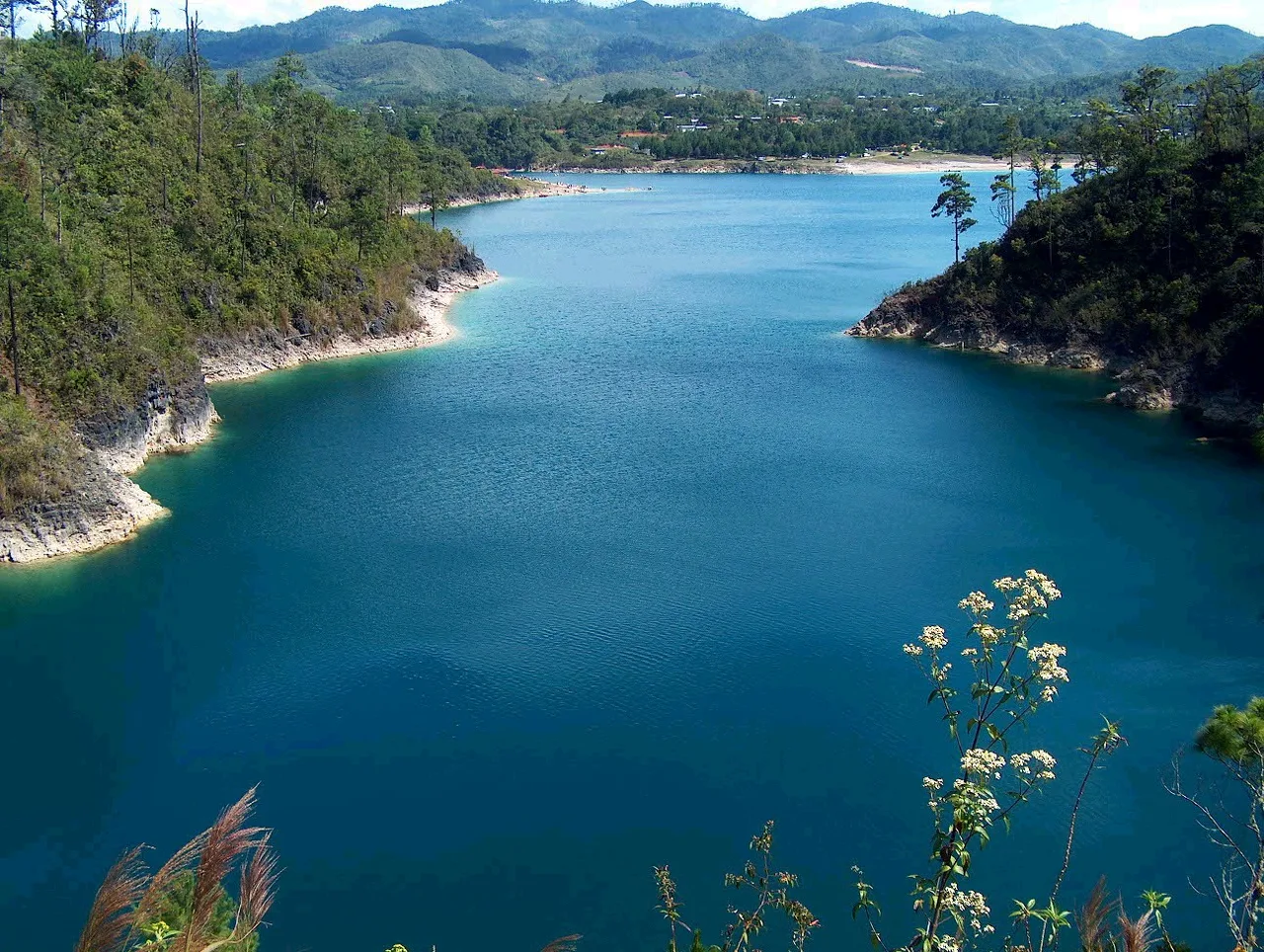
Photo: Wikimedia Commons, Public domain.
Pick one
Chiapas amber is unique because it is formed from the fossilized resin of prehistoric Hymenaea trees and is highly prized for its exceptional clarity and rich colors. Local artisans carve it into beautiful jewelry and traditional amulets, which are believed to protect children from the 'evil eye'.
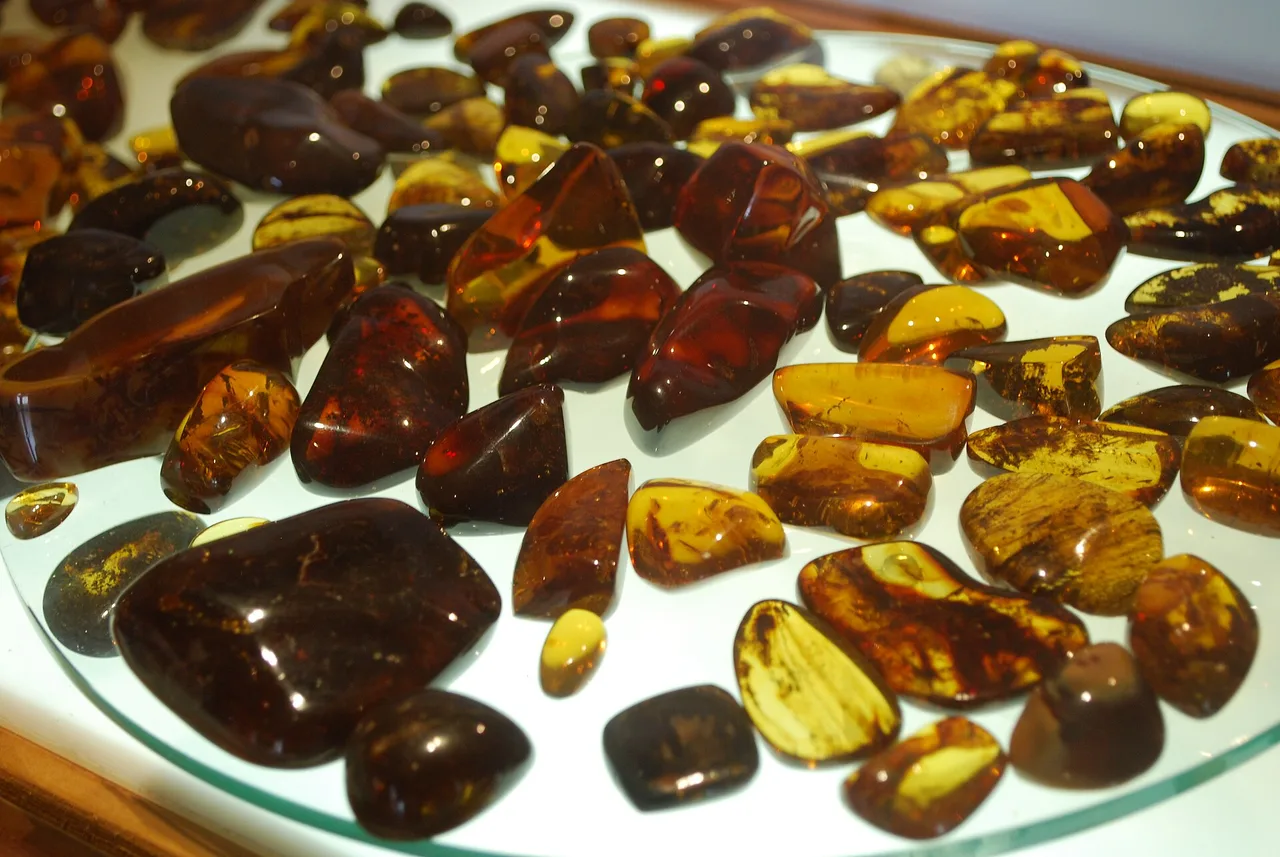
Photo: AlejandroLinaresGarcia, Wikimedia Commons, CC BY-SA 4.0.
Pick one
Bartolomé de las Casas was appointed Bishop of Chiapas in 1544. He spent much of his life writing about the abuses of colonization and advocating for the abolition of the encomienda system. His legacy is honored in the name of the colonial city San Cristóbal de las Casas.

Photo: anonymous / Unidentified painter, Wikimedia Commons, Public domain.
Pick one
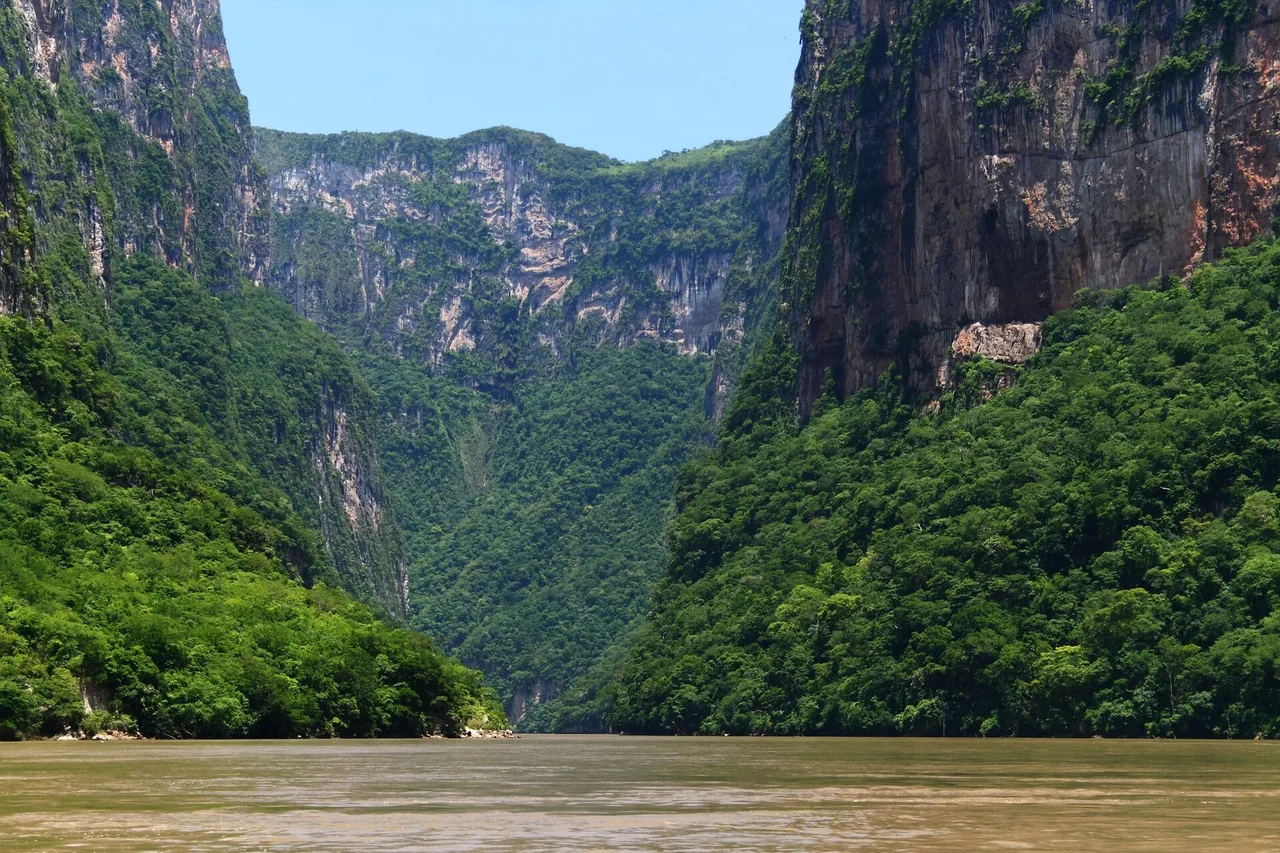
Sumidero Canyon is a magnificent geological formation carved by the Grijalva River. It is so central to the identity of Chiapas that its towering cliffs are depicted on the state's official coat of arms. Boat tours through the canyon frequently spot crocodiles basking on the riverbanks.
Photo: Jan Harenburg, Wikimedia Commons, CC BY 4.0.


Paste the code into your page. The player fits itself in, and every vote counts in Votur.
On WordPress, Ghost or Squarespace? Just paste the link of this page into your post.
This is how it looks
Also fun