 Get app
Test your knowledge of Paris, the iconic capital of France! From its historic landmarks to its vibrant culture and delicious cuisine, how much do you truly know about this magnificent city? Let's find out!
New to Paris 0–4 · City Stroller 5–8 · Heart of Paris 9–10

Tap the right answer
Construction of Notre Dame Cathedral commenced in 1163, placing its beginning firmly in the 12th century. It took nearly 200 years to complete, making it a masterpiece of French Gothic architecture. The cathedral is famous for its intricate stained glass windows and its numerous gargoyles, which serve as decorative waterspouts.
Photo: Ali Sabbagh, Wikimedia Commons, CC0.

Tap the right answer
The macaron, a sweet meringue-based confection, is a signature treat from Parisian patisseries, known for its vibrant colors and delicate texture. While croissants are also quintessentially French, the macaron's rise to fame as a refined Parisian dessert is more recent, popularized by bakeries like Ladurée and Pierre Hermé.
Photo: Michelle Naherny, Wikimedia Commons, CC BY-SA 4.0.

Tap the right answer
The magnificent Louvre Museum originally served as a royal palace for French kings, evolving from a medieval fortress built in the late 12th century. It was extensively rebuilt and expanded over centuries before becoming a public museum in 1793. Its transformation from a seat of power to a cultural institution reflects a significant shift in French history and public access to art.
Tap the right answer
The Musée d'Orsay, located in a stunning former Beaux-Arts railway station, is celebrated for its vast collection of Impressionist and Post-Impressionist masterpieces. It provides a distinct focus compared to the Louvre's older works and the Centre Pompidou's modern art, offering a unique artistic journey. Its iconic clock face is a well-known feature.
Tap the right answer
The Storming of the Bastille on July 14, 1789, a medieval fortress and prison in Paris, is widely regarded as the symbolic start of the French Revolution. Although it held few prisoners at the time, its capture represented a powerful blow against royal authority and became a symbol of liberty. The event is still celebrated annually as Bastille Day, a national holiday in France.
Tap the right answer
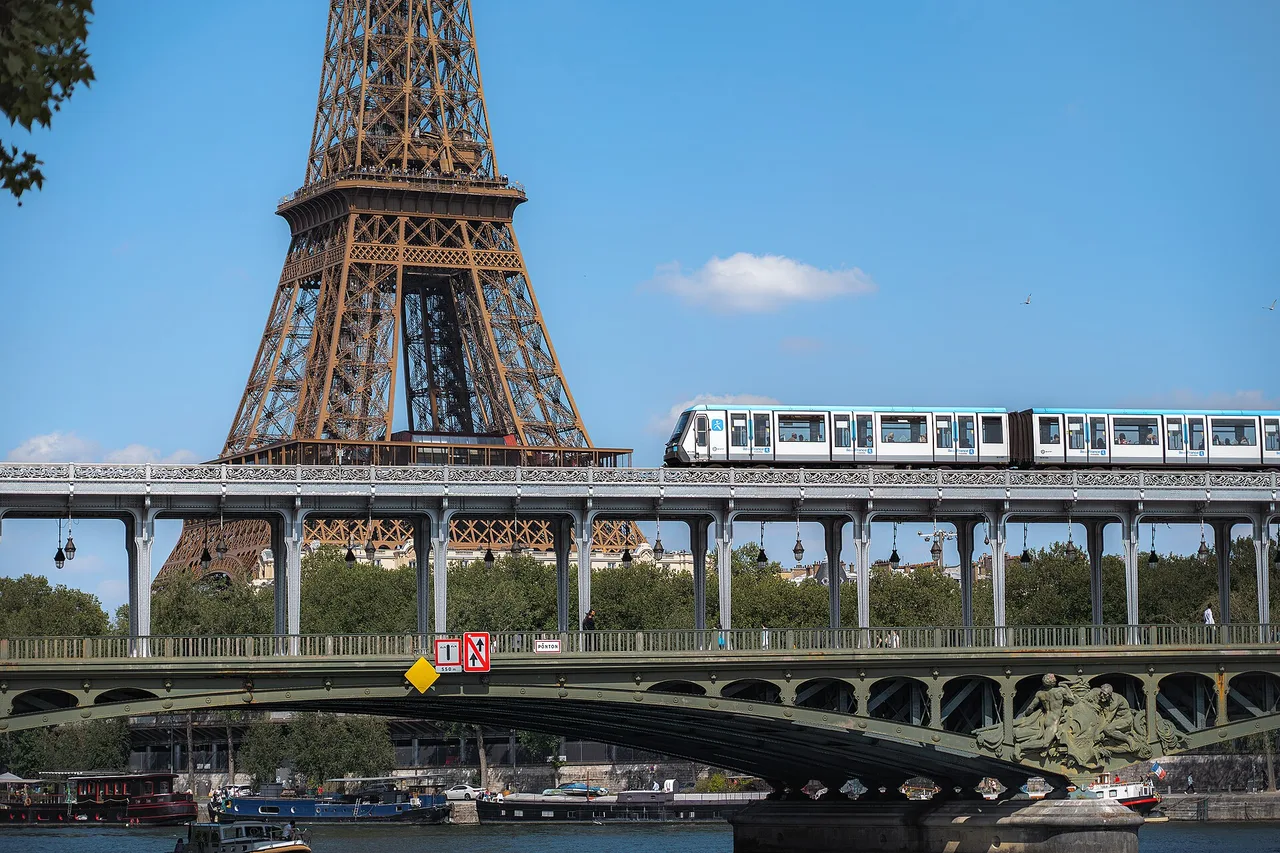
The Paris Métro, one of the world's oldest and most extensive subway systems, currently operates 16 distinct lines, each identified by a number and color. These lines are incredibly dense, with stations often just 500 meters apart, making it very efficient for navigating the city. The Métro also features some of the most iconic Art Nouveau station entrances designed by Hector Guimard.
Photo: Finvd, Wikimedia Commons, CC BY-SA 4.0.
Tap the right answer
The Bois de Boulogne is a vast public park situated on the western edge of Paris, significantly larger than many other city parks. Originally a royal hunting preserve, it was transformed into a public park during the Second French Empire under Napoleon III. It features lakes, waterfalls, botanical gardens, and even a hippodrome, offering diverse recreational activities.
Photo: Guilhem Vellut from Paris, France, Wikimedia Commons, CC BY 2.0.

Tap the right answer
Pastis is a popular anise-flavored spirit and aperitif, especially enjoyed in France, including Paris, typically diluted with water which turns it cloudy. While Calvados is also French, it's an apple brandy originating from Normandy, not as widely associated with Parisian café culture as Pastis. It was created as a substitute for absinthe when it was banned.
Photo: Wikimedia Commons, CC BY-SA 3.0.

Tap the right answer
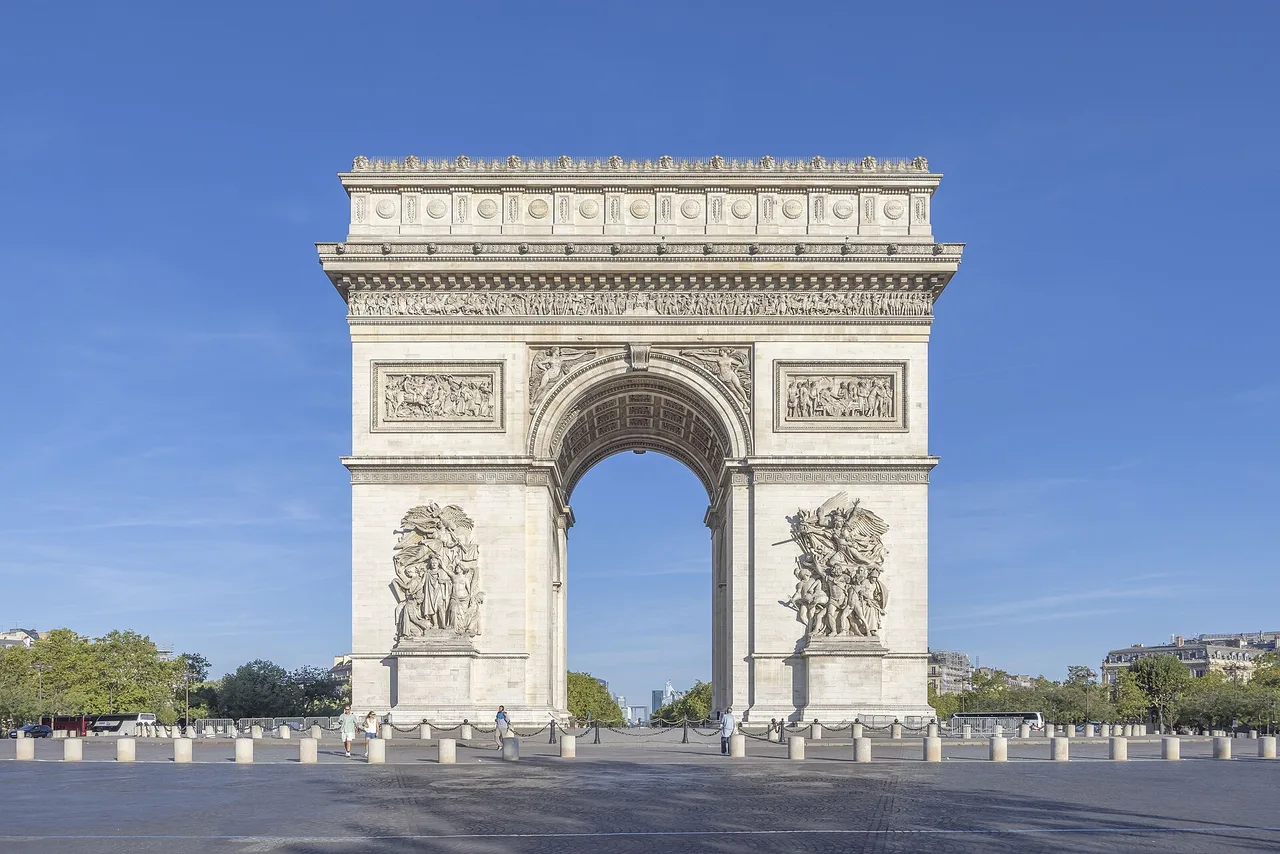
The iconic Arc de Triomphe was commissioned by Napoleon Bonaparte in 1806 to commemorate his victory at the Battle of Austerlitz. Its construction was not completed until 1836, long after his reign, making it a lasting symbol of French military glory. The tomb of the Unknown Soldier from World War I lies beneath its arch, adding to its significance as a national monument.
Photo: ZeusUpsistos, Wikimedia Commons, CC BY-SA 4.0.
Tap the right answer
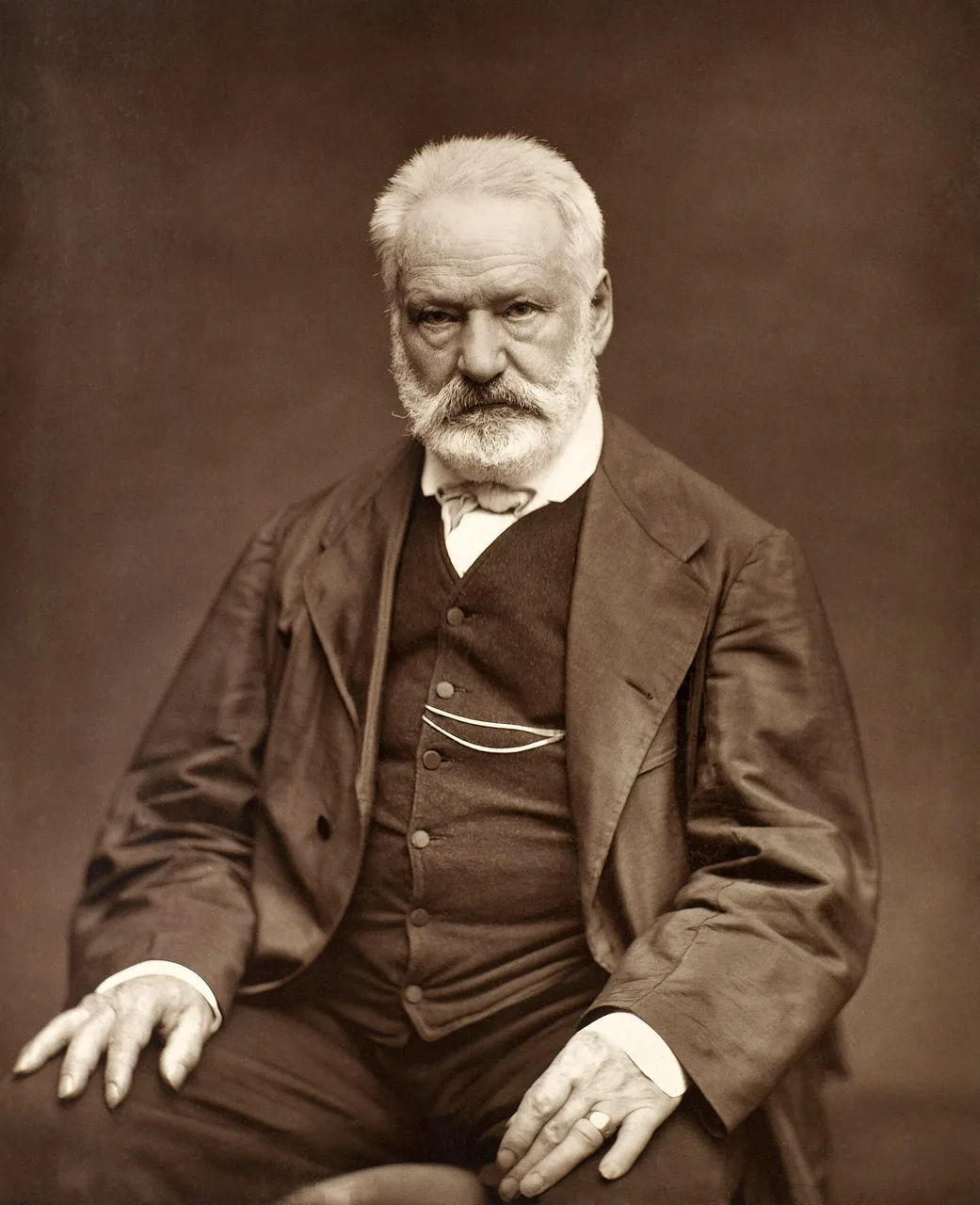
Victor Hugo, one of France's greatest literary figures, is strongly associated with Paris, where he lived and set many of his most famous works, including "Les Misérables" and "The Hunchback of Notre-Dame." His writing often reflected the social and political landscape of 19th-century France. His former home is now a museum in Place des Vosges, open to the public.
Photo: Étienne Carjat, Wikimedia Commons, Public domain.


Want to make a quiz like this yourself? Do it on Votur, it's free.
Paste the code into your page. The player fits itself in, and every vote counts in Votur.
On WordPress, Ghost or Squarespace? Just paste the link of this page into your post.
This is how it looks
Also fun
How well do you know Madrid? · 10 →How well do you know Spain? · 10 →How well do you know Rome? · 10 →How well do you know Italy? · 10 →How well do you know Bern? · 10 →How well do you know Switzerland? · 10 →How well do you know Vienna? · 10 →How well do you know Austria? · 10 →How well do you know Berlin? · 10 →How well do you know London? · 10 →How well do you know the United Kingdom? · 10 →How well do you know France? · 10 →How well do you know Brussels? · 10 →How well do you know Amsterdam? · 10 →How well do you know the Netherlands? · 10 →How well do you know Copenhagen? · 10 →How well do you know Denmark? · 10 →How well do you know Athens? · 10 →How well do you know Greece? · 10 →How well do you know Lisbon? · 10 →How well do you know Portugal? · 10 →How well do you know Tallinn? · 10 →How well do you know Estonia? · 10 →Belgium · 8 →Universe · 10 →Which Greek hero are you? · 8 →Gulpen · 5 →How well do you know Dutch weather? · 10 →How well do you know Germany? · 10 →Who owns the Netherlands? · 10 →The little church village of Klimmen · 10 →Do you know Neutral Moresnet? · 10 →