Get app
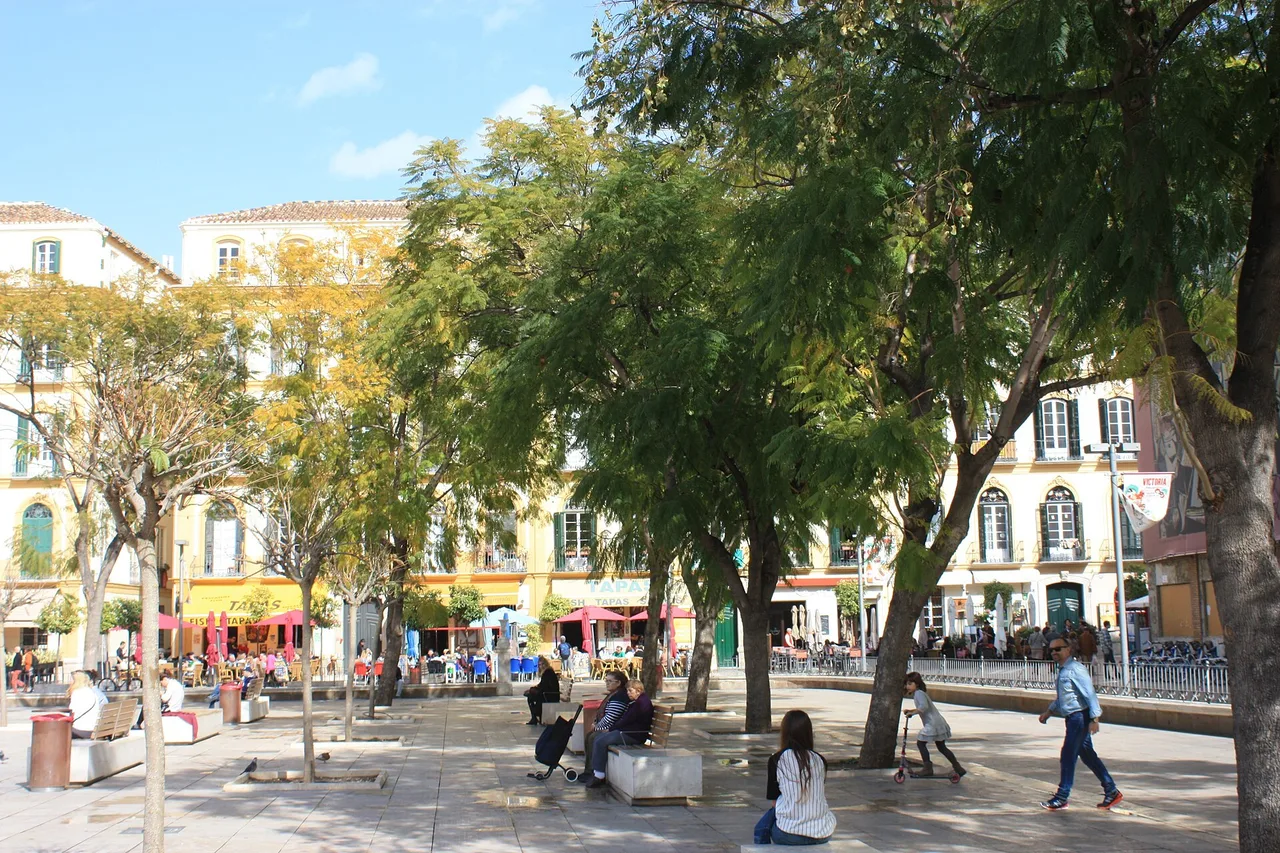
 Photo: Rembrandt, Wikimedia Commons, Public domain.
Step into the Golden Age of Dutch art and test your knowledge on Rembrandt van Rijn. Discover the stories, mysteries, and techniques behind his legendary masterpieces.
Apprentice of Light 0–4 · Studio Assistant 5–8 · Master of the Golden Brush 9–10
Pick one

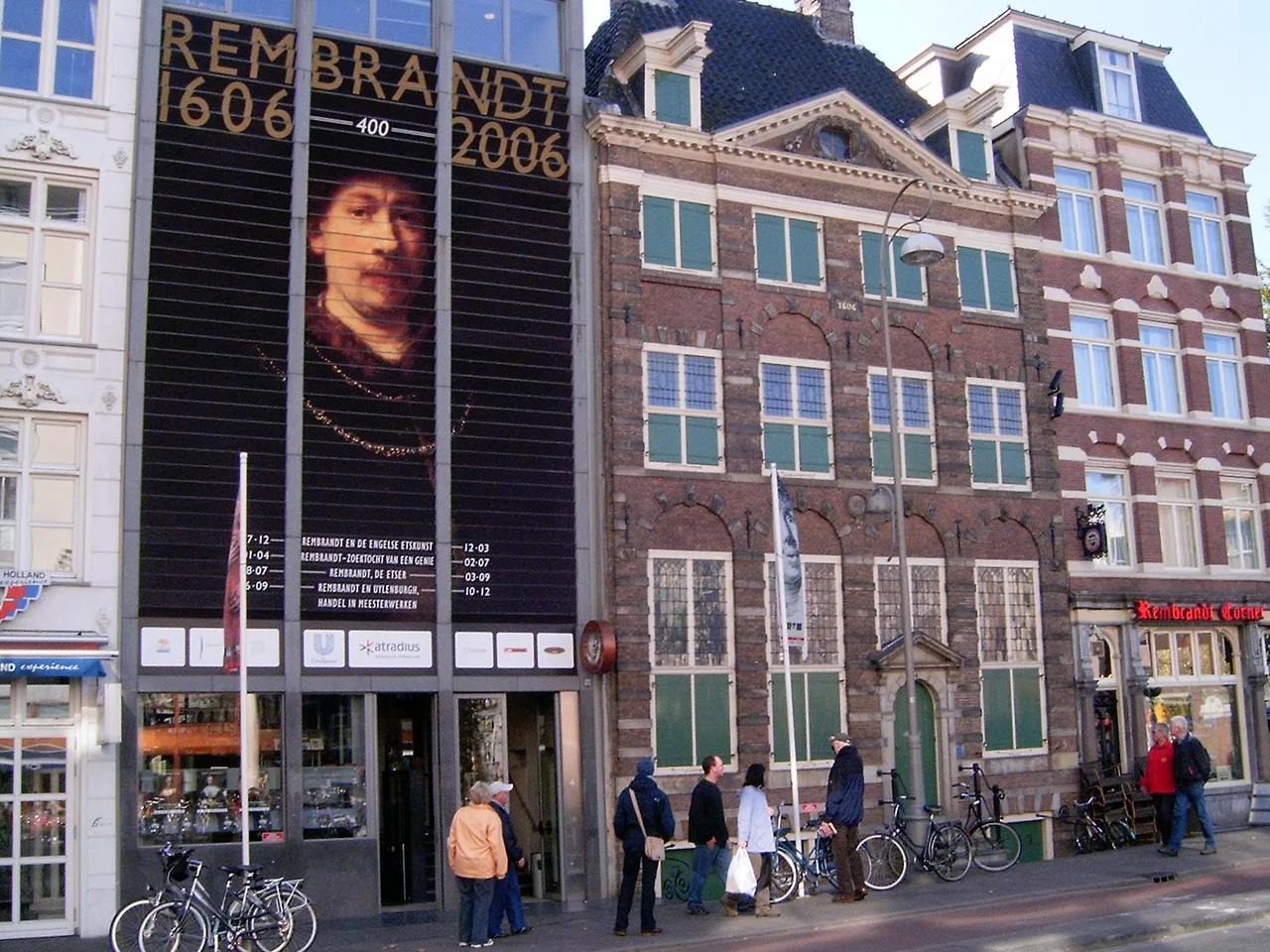
The Rembrandt House Museum is located in the heart of Amsterdam, the city where the artist spent his most successful years. He purchased this grand townhouse in 1639 but was eventually forced to sell it when he went bankrupt. Today, visitors can explore his reconstructed workshop, complete with historical pigments and printing presses.
Photo: 14:43, 17 October 2006, Wikimedia Commons, CC BY-SA 3.0.
Pick one
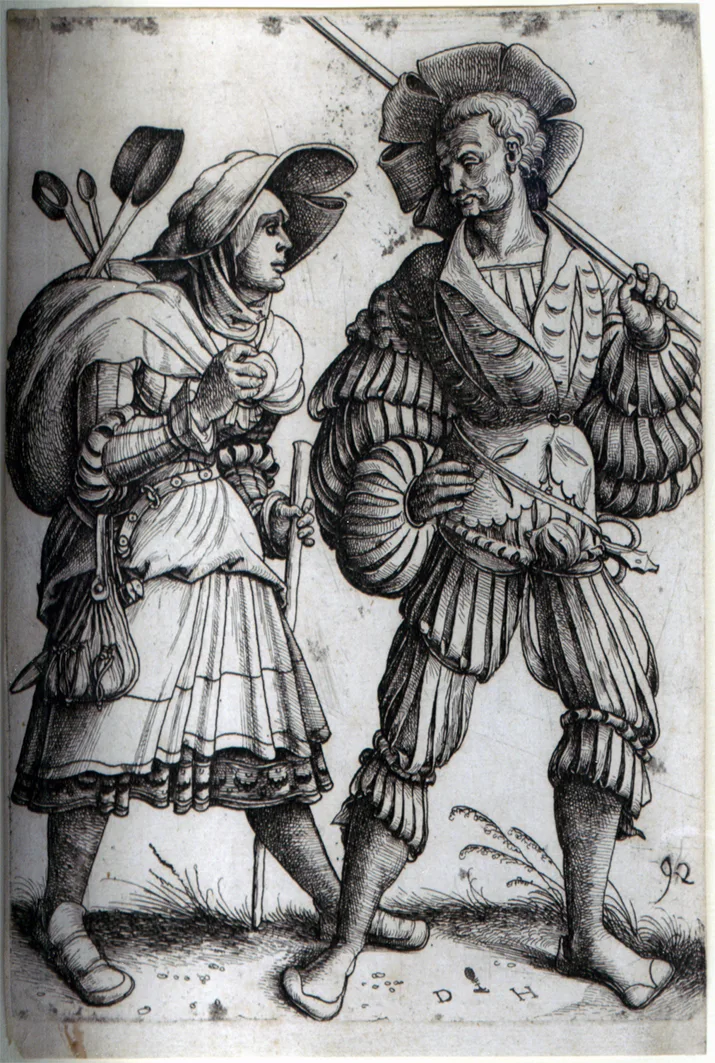
Rembrandt is widely considered one of the greatest printmakers in history, particularly for his innovative etchings. Unlike many contemporaries, he treated etching as an expressive, sketch-like medium, often reworking his copper plates multiple times to create different states. His prints were highly collectible and spread his reputation far beyond the Netherlands.
Photo: Daniel Hopfer, Wikimedia Commons, Public domain.
Pick one
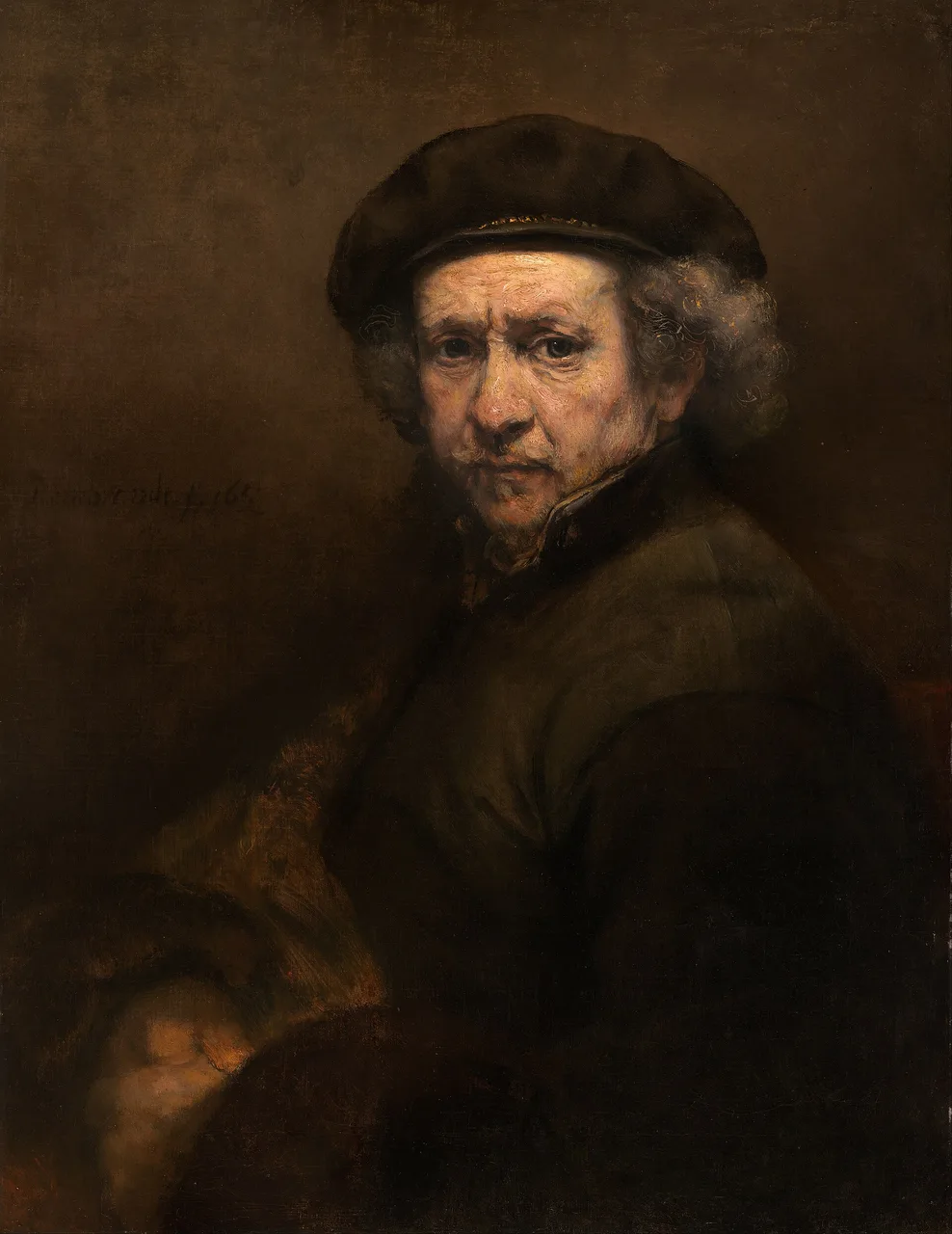
Rembrandt was born in Leiden, where he also began his early academic studies and opened his first art studio. Although he later moved to Amsterdam to seek greater fame and fortune, Leiden is where he developed his initial signature style. Interestingly, his father was a relatively prosperous miller, which helped support Rembrandt's early education.
Photo: Rembrandt, Wikimedia Commons, Public domain.
Pick one
Saskia van Uylenburgh married Rembrandt in 1634 and became his ultimate muse, appearing in numerous portraits as goddesses, historical figures, and intimate sketches. Tragically, she passed away at just 29 years old, likely from tuberculosis. Her death marked a dark turning point in Rembrandt's life, deeply affecting both his personal finances and his artistic style.
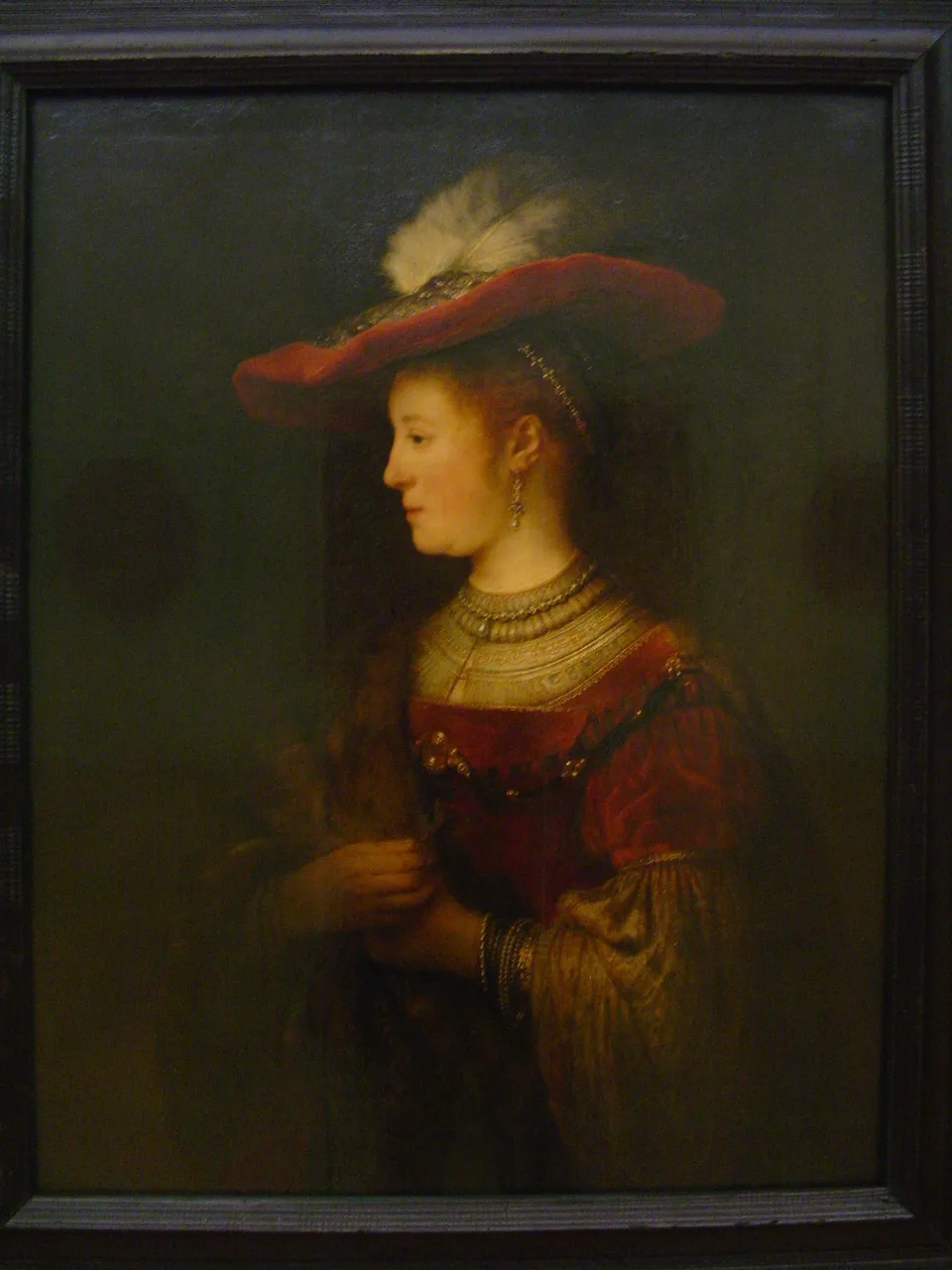
Photo: Rembrandt, Wikimedia Commons, Public domain.
Pick one
Hendrickje Stoffels entered Rembrandt's household as a maid and eventually became his romantic partner and muse. Because of a clause in Saskia's will, Rembrandt could not officially remarry Hendrickje without losing his inheritance, so they lived together unmarried. Despite facing public condemnation from the church for this arrangement, she remained fiercely loyal until her death.
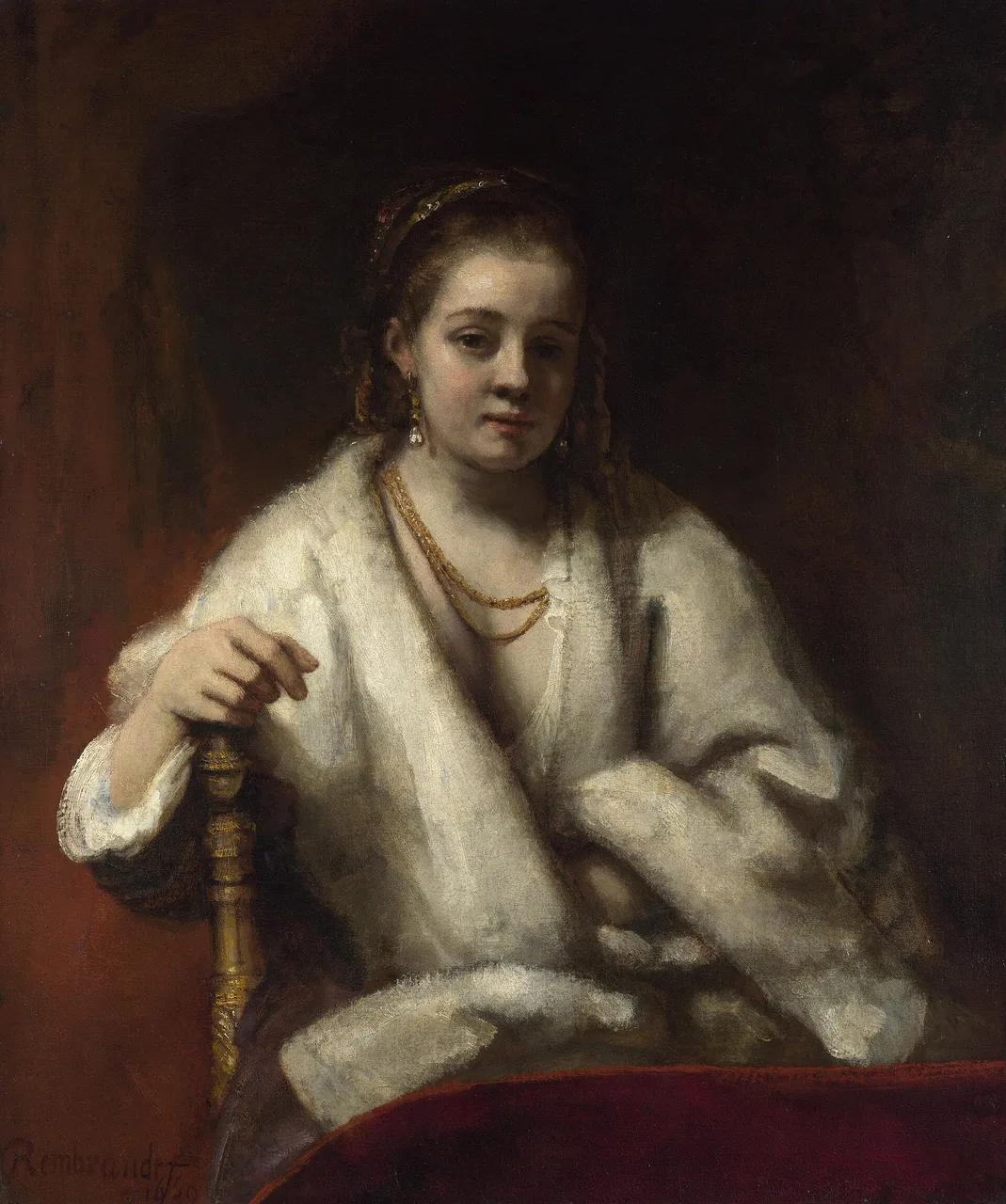
Photo: Attributed to Rembrandt, Wikimedia Commons, Public domain.
Pick one
The painting depicts Dr. Nicolaes Tulp explaining the musculature of the left forearm to a group of fascinated medical guild members. Curiously, anatomical dissections of this era typically began with the abdomen rather than the arm. Rembrandt took artistic liberty with the sequence to create a more dynamic, visually compelling composition for his breakthrough commission.
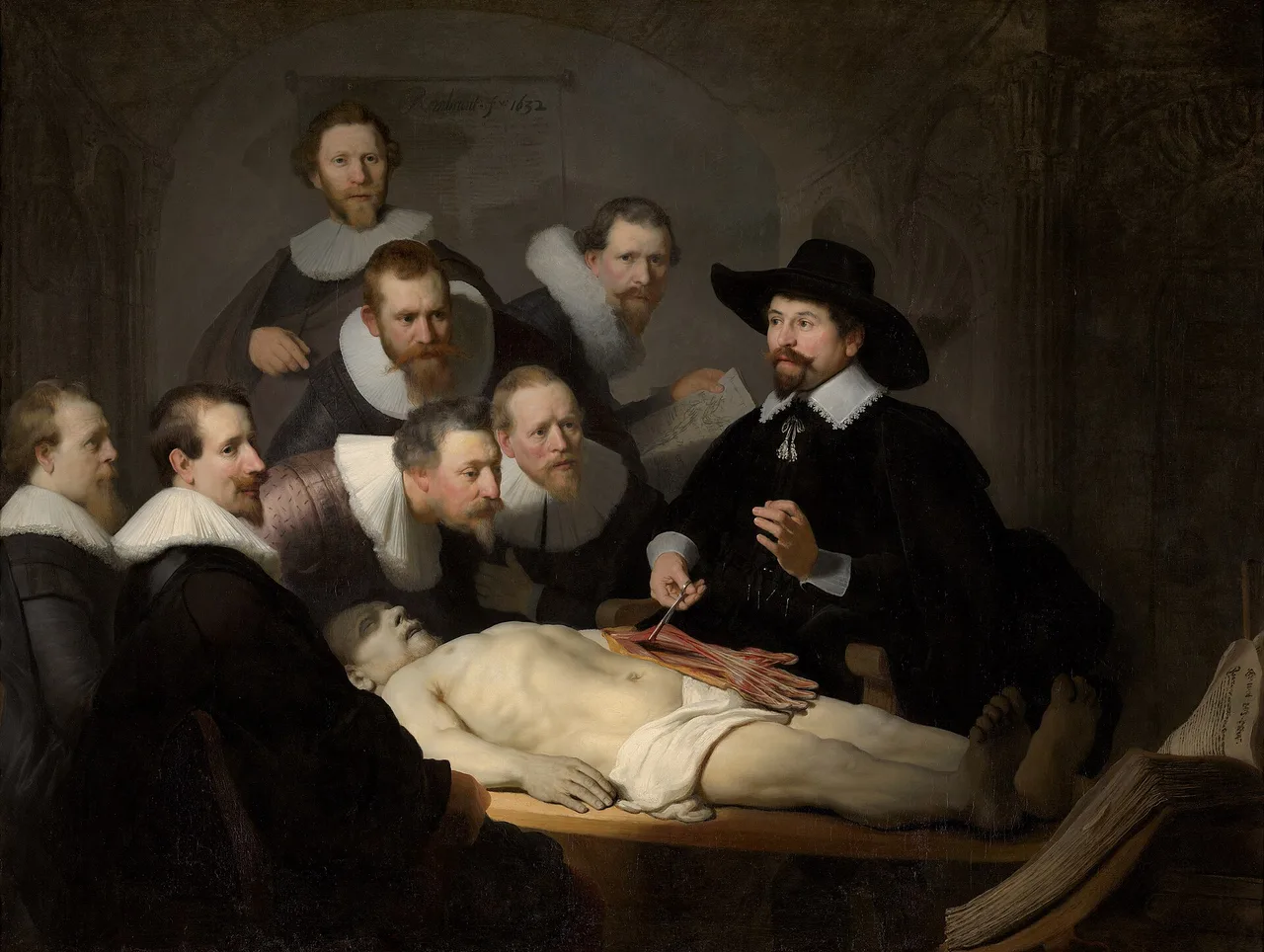
Photo: Rembrandt, Wikimedia Commons, Public domain.
Pick one
The Jewish Bride is one of Rembrandt's most expressive late works, showcasing his masterful use of thick impasto paint to create texture and warmth. Vincent van Gogh was so deeply moved by its emotional depth and tender embrace that he claimed he would give up a decade of his life just to study it for a fortnight. The painting's true subjects remain a mystery to this day.
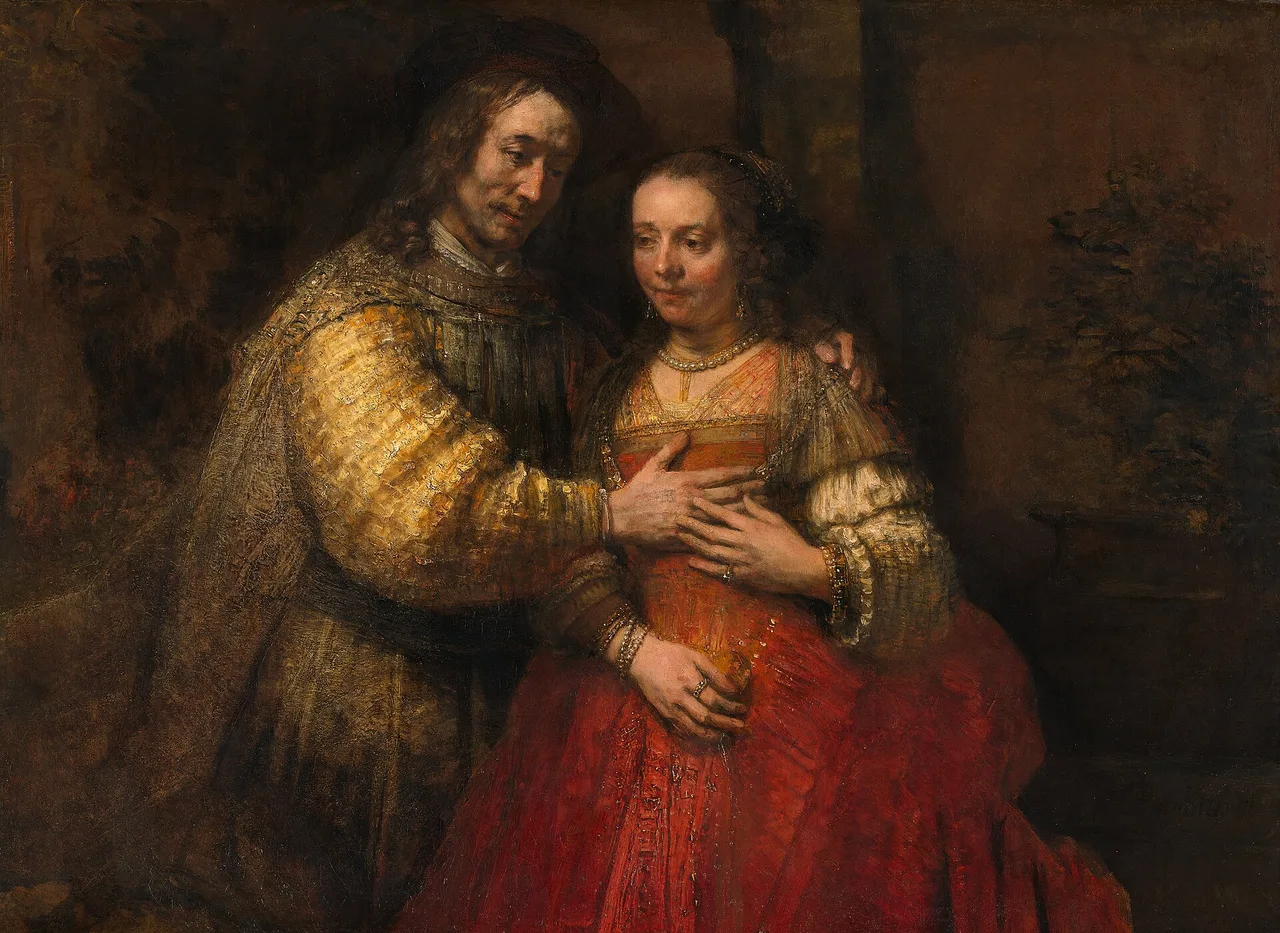
Photo: Rembrandt, Wikimedia Commons, Public domain.
Pick one
Titus van Rijn was the only child of Rembrandt and Saskia to reach adulthood. To shield his father from financial ruin after bankruptcy, Titus and Rembrandt's partner, Hendrickje Stoffels, legally established an art agency, making Rembrandt their employee. This clever arrangement allowed the master to keep painting without his earnings being immediately seized.
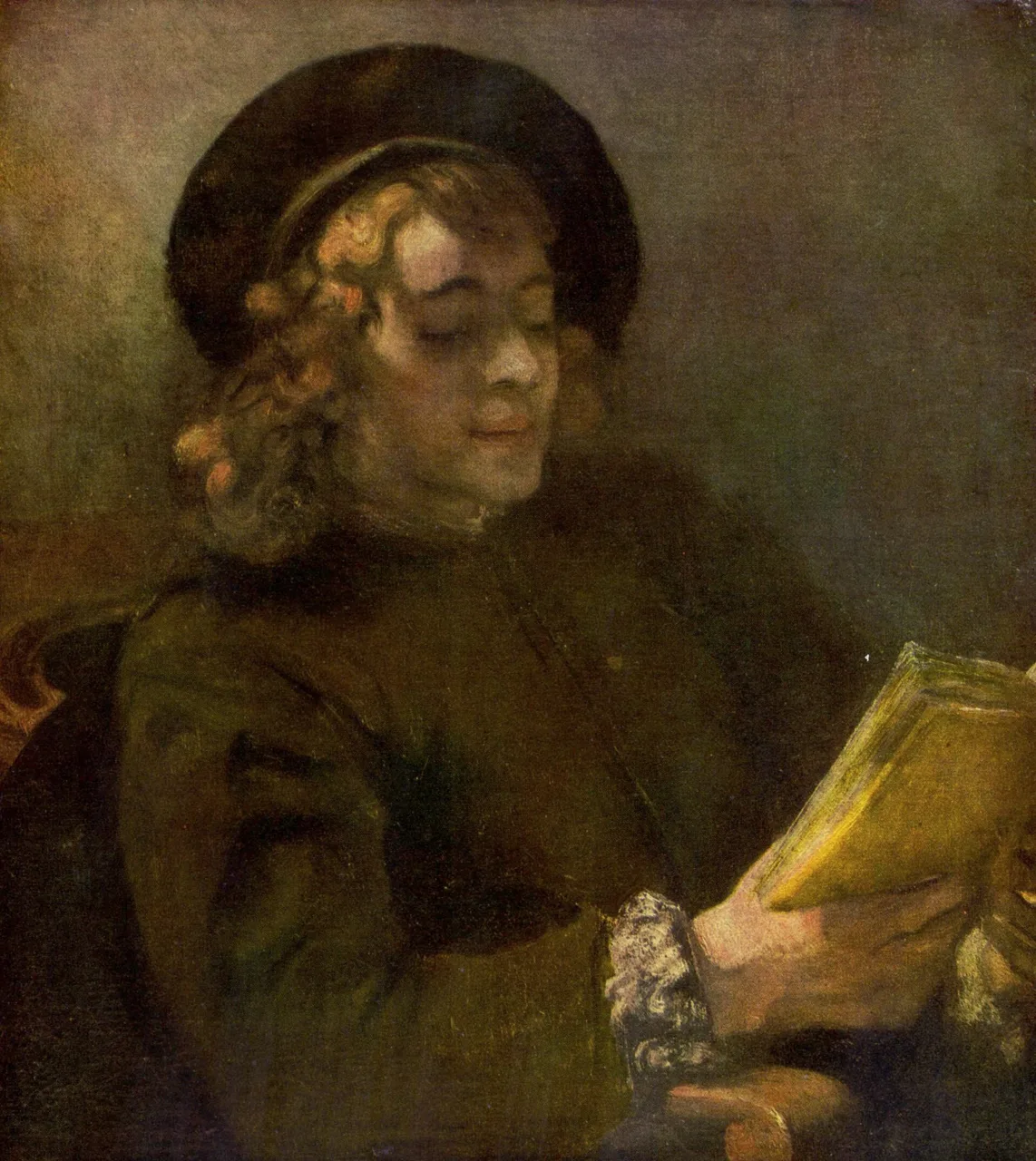
Photo: Rembrandt, Wikimedia Commons, Public domain.
Pick one
The Conspiracy of Claudius Civilis was Rembrandt's largest painting, commissioned for the prestigious new Amsterdam Town Hall. However, the city officials disliked its raw, realistic style and returned it. To make the painting saleable to a private buyer, Rembrandt was forced to cut away a massive portion of the canvas, leaving only the central scene we see today.
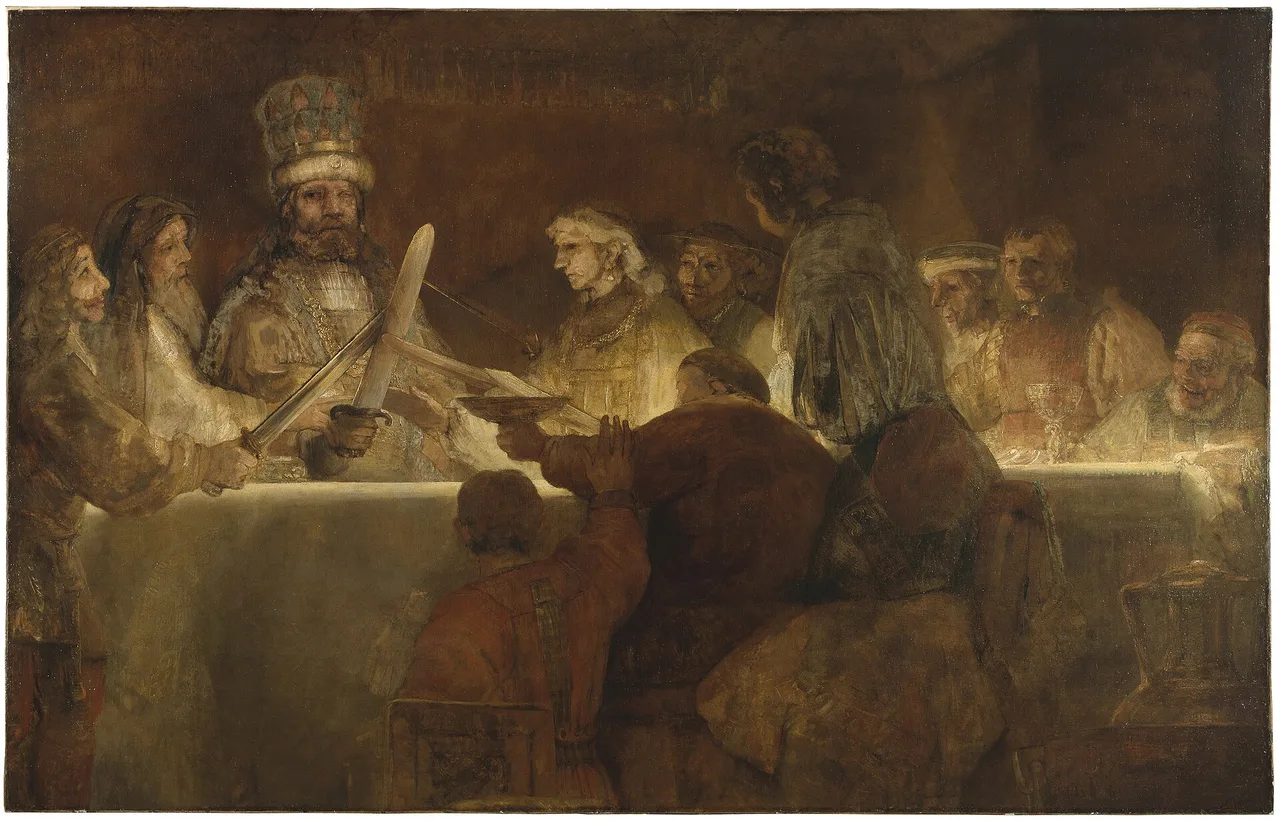
Photo: Rembrandt, Wikimedia Commons, Public domain.
Pick one
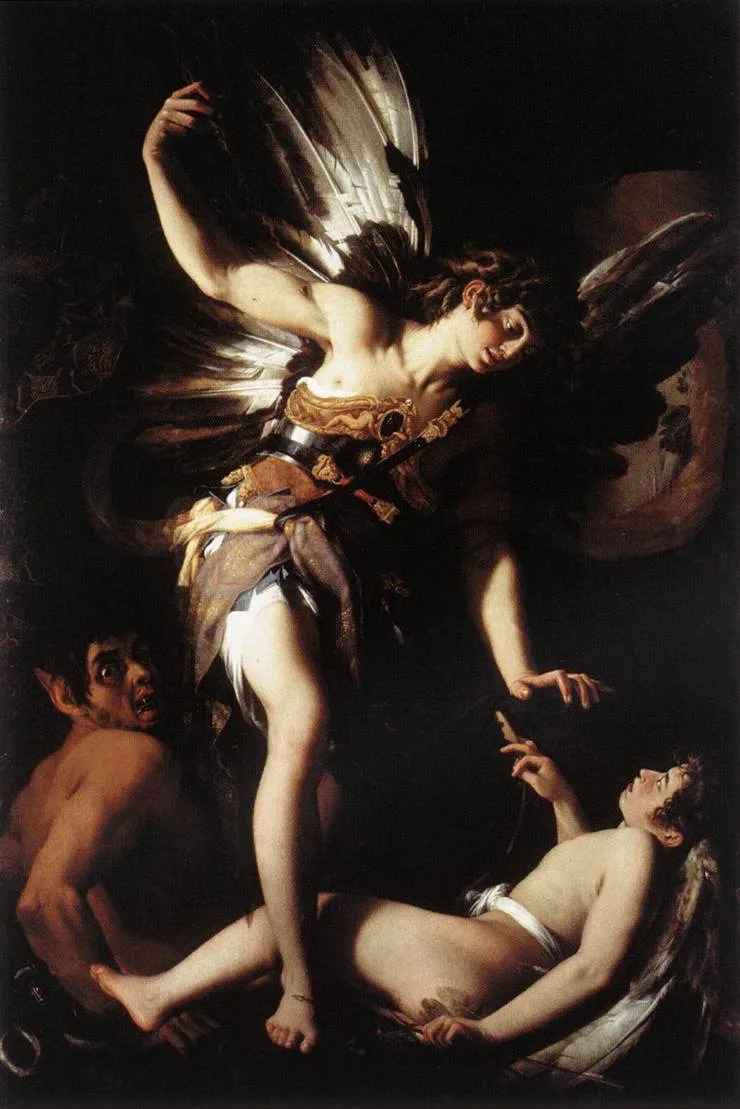
Chiaroscuro, which translates from Italian as light-dark, is the technique of using strong contrasts between light and shadow to give subjects a three-dimensional volume. Rembrandt perfected this to create intense psychological depth, making his subjects appear to emerge from mysterious, dark backgrounds. It remains one of his most defining artistic legacies.
Photo: Giovanni Baglione, Wikimedia Commons, Public domain.


Paste the code into your page. The player fits itself in, and every vote counts in Votur.
On WordPress, Ghost or Squarespace? Just paste the link of this page into your post.
This is how it looks
Also fun