 Gratis app
Ga terug in de tijd naar de jaren 1914 tot 1918. Test je kennis over de veldslagen, innovaties, helden en mythen van de Eerste Wereldoorlog!
Nieuwsgierige beginner 0–4 · Geschiedenisfreak 5–8 · Meester-historicus 9–10

Tik op het juiste antwoord
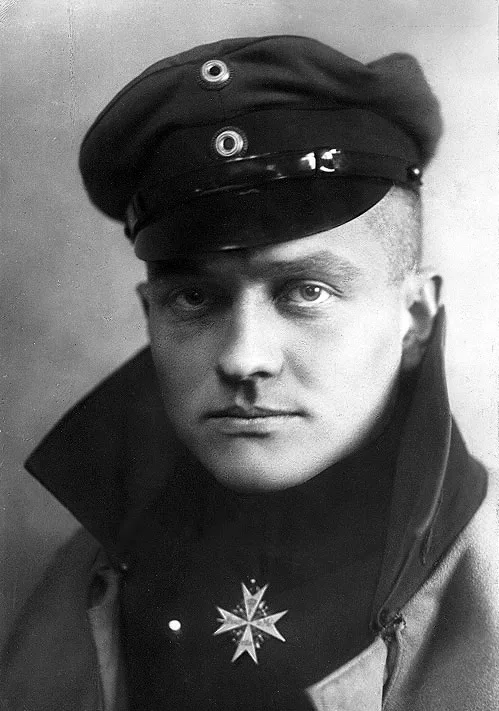
Manfred von Richthofen was the most successful flying ace of the First World War, officially credited with 80 air combat victories. He flew a bright red Fokker Dr.I triplane, which earned him his famous nickname. Surprisingly, despite his fearsome reputation, he was buried with full military honors by his Allied adversaries after he was shot down and killed in 1918.
Photo: C. J. von Dühren, Wikimedia Commons, Public domain.
Tik op het juiste antwoord
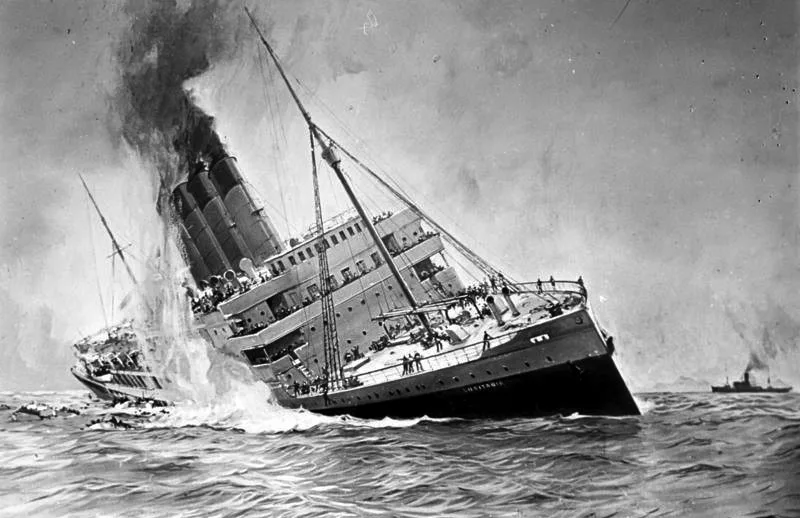
The RMS Lusitania was a British passenger liner torpedoed by a German submarine off the coast of Ireland in May 1915. More than 1,000 passengers lost their lives, including 128 American citizens. The tragedy severely strained relations between the United States and Germany, setting the stage for America's eventual entry into the war. Germany claimed the ship was carrying hidden war munitions.
Photo: UnknownUnknown, Wikimedia Commons, CC BY-SA 3.0 de.
Tik op het juiste antwoord
The Christmas Truce of 1914 saw unofficial ceasefires break out along parts of the Western Front. Soldiers from opposing sides crossed into No Man's Land to exchange seasonal greetings, share food, and sing carols together. There are several documented accounts of soldiers playing friendly football matches using makeshift balls. Sadly, high commands on both sides quickly banned such fraternization.
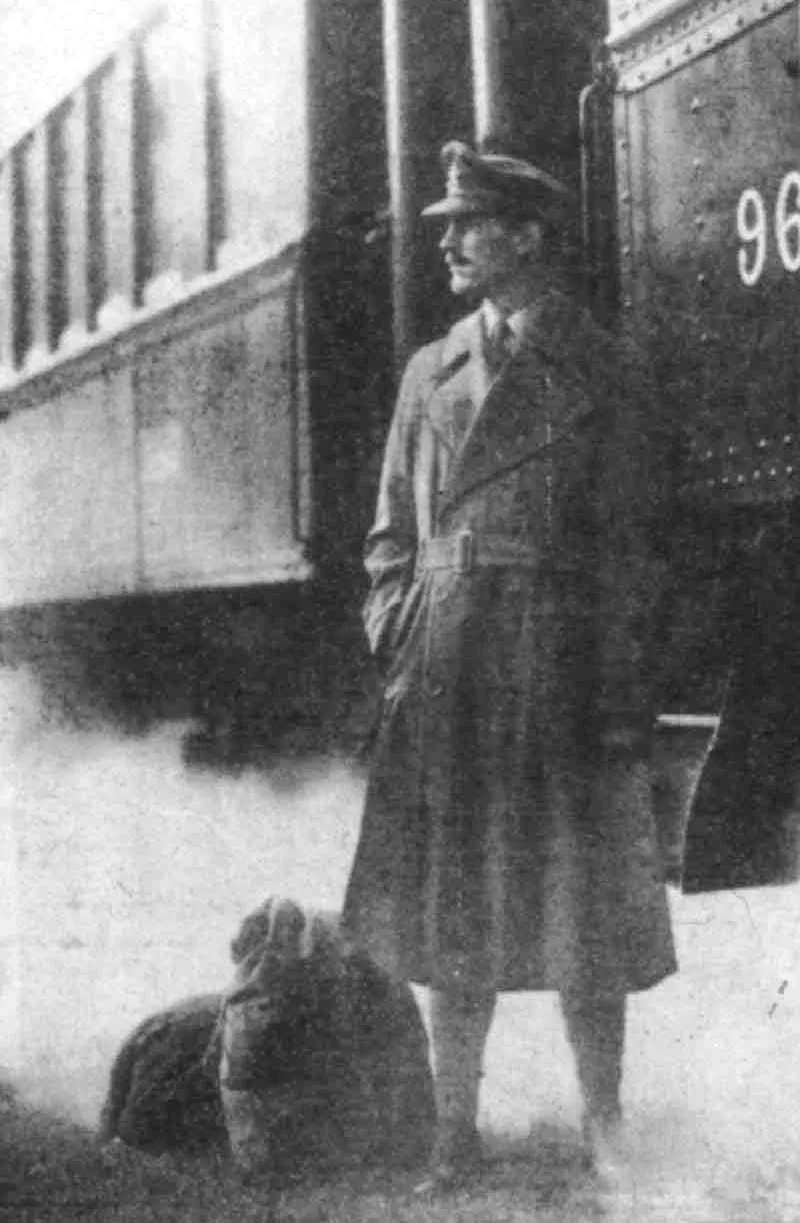
Tik op het juiste antwoord
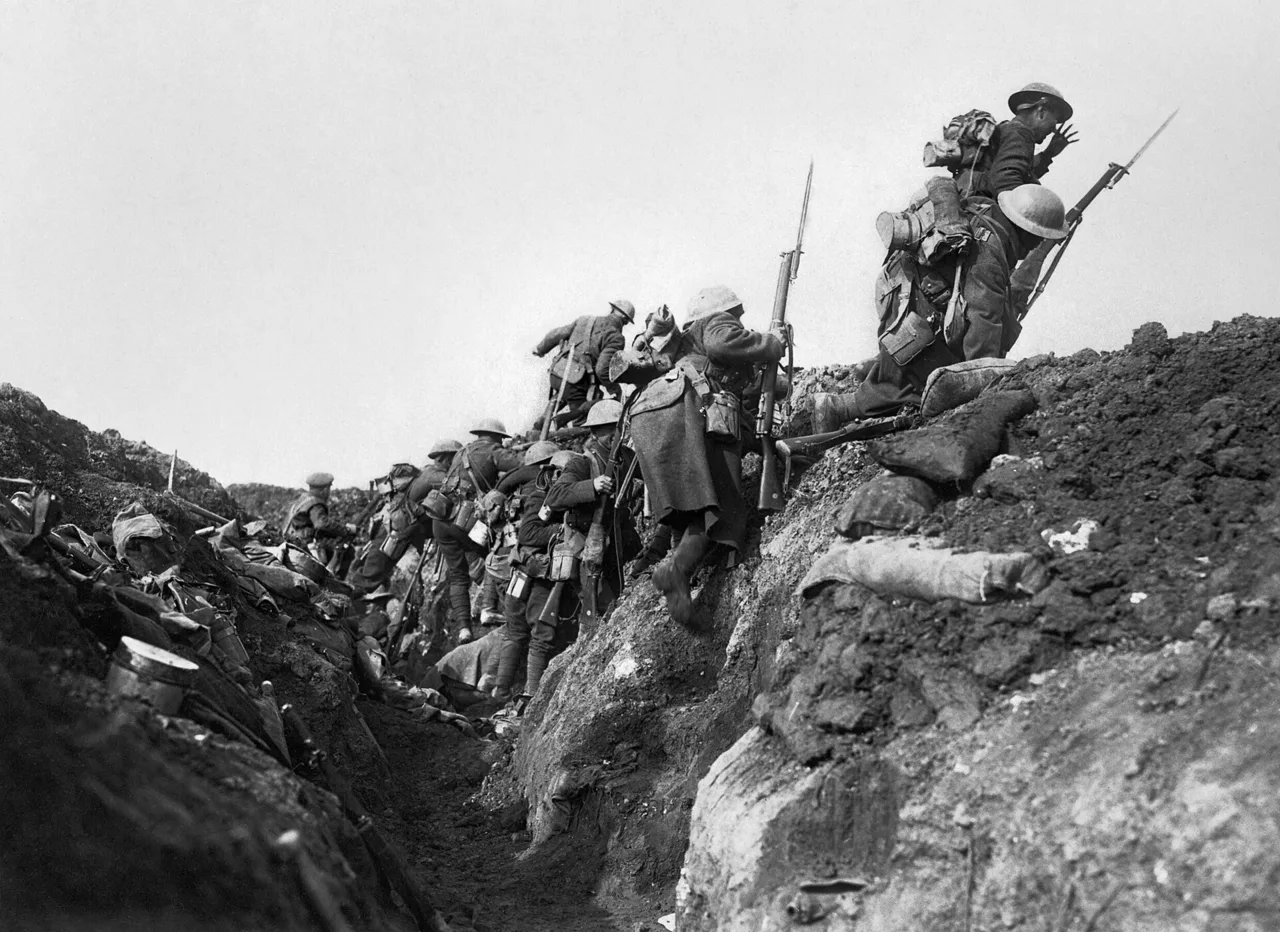
The trench coat was developed during the war as a functional piece of rainwear for British officers serving in muddy trenches. Brands like Burberry and Aquascutum claim credit for its design, which featured practical details like D-rings for gear and storm flaps. After the war, returning soldiers kept wearing them, transforming a piece of military utility into a timeless civilian fashion staple.
Photo: Hephaestos, Wikimedia Commons, Public domain.
Tik op het juiste antwoord
Tanks made their historical debut at the Battle of Flers-Courcelette, which was part of the wider Battle of the Somme, in September 1916. Early British tanks like the Mark I were slow, mechanically unreliable, and terrifying to encounter. The name 'tank' was originally used as a deceptive code word to make spies believe the factories were merely constructing mobile water tanks.
Photo: Ivor Castle, Wikimedia Commons, Public domain.
Tik op het juiste antwoord
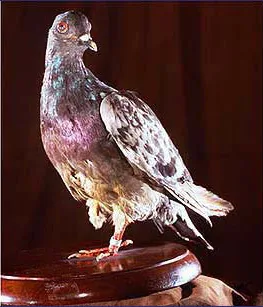
Cher Ami was a heroic homing pigeon used by the US Army Signal Corps in France. During the Meuse-Argonne offensive, she successfully delivered a crucial message despite being shot in the breast and leg. This delivery saved the 'Lost Battalion' of the 77th Division from friendly fire. French authorities awarded the brave bird the Croix de Guerre medal for her incredible service.
Photo: United States Signal Corps derivative work: Trizek here or on fr:wp, Wikimedia Commons, Public domain.
Tik op het juiste antwoord
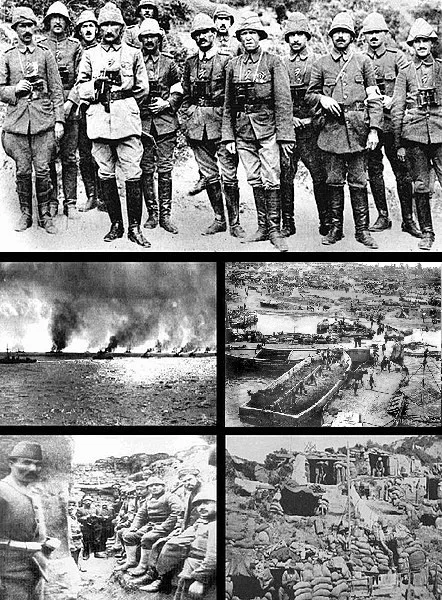
The Gallipoli campaign was a major Allied offensive designed to secure a sea route to Russia through the Dardanelles strait in modern-day Turkey. The operation was a costly failure for the Allies, resulting in heavy casualties, especially for Australian and New Zealand forces. For Turkey, the successful defense became a defining moment in their national history, led by future president Atatürk.
Photo: LoudHmen, Wikimedia Commons, Public domain.
Tik op het juiste antwoord
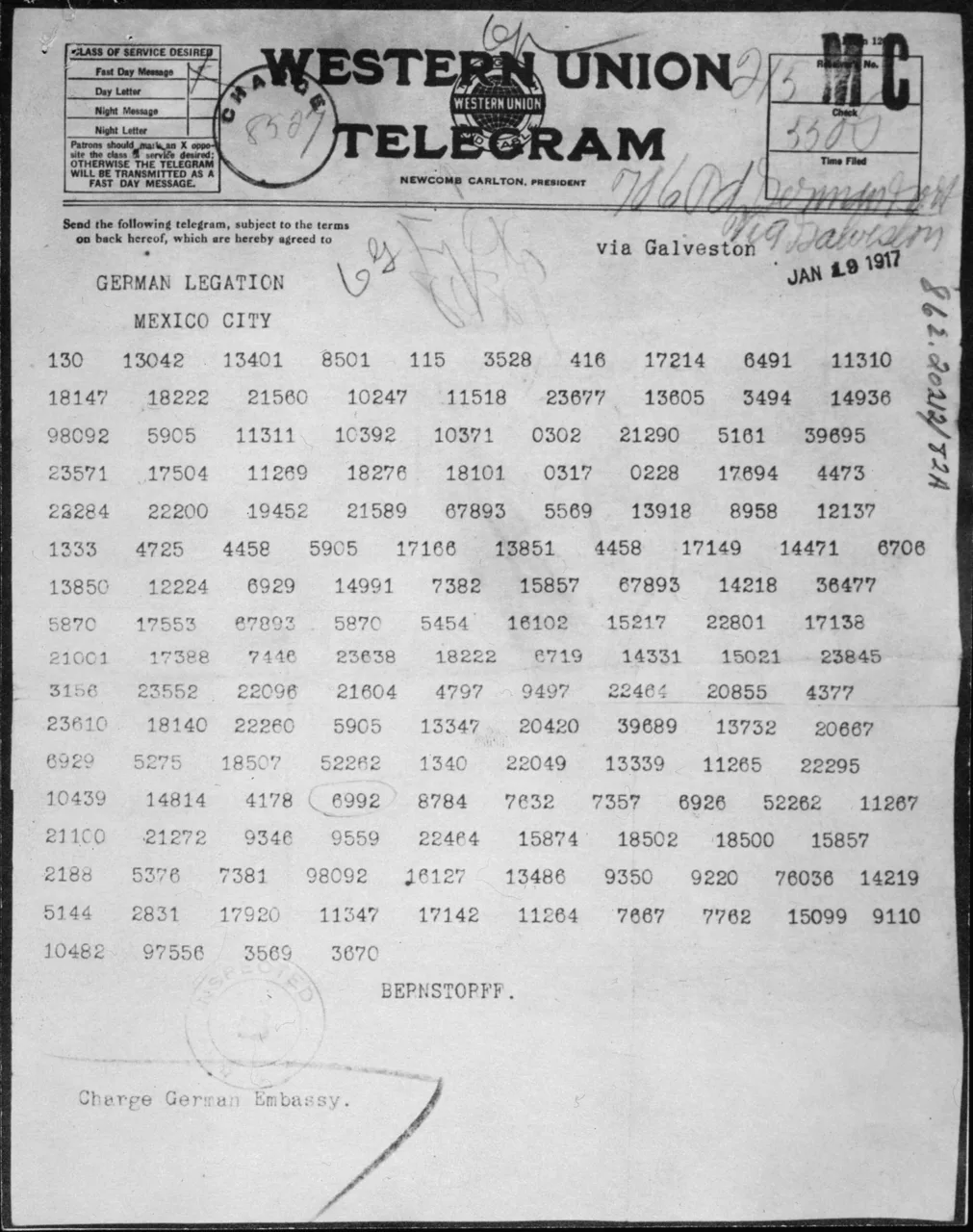
The Zimmermann Telegram was a secret communication sent by the German Foreign Office in 1917. It proposed a military alliance between Germany and Mexico if the United States entered the war. In return, Germany promised to help Mexico recover Texas, New Mexico, and Arizona. The interception of this message by British intelligence outraged Americans and helped push the US into the war.
Photo: Unknown authorUnknown author or not provided, Wikimedia Commons, Public domain.
Tik op het juiste antwoord
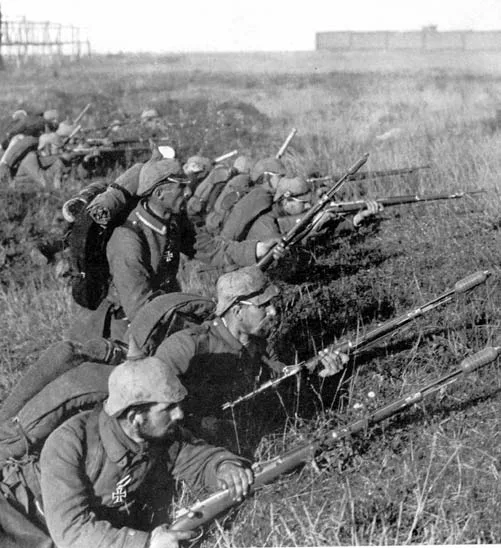
During the critical Battle of the Marne, about 600 Parisian taxicabs were requisitioned by the French military to quickly transport around 6,000 soldiers to the front lines. While it did not single-handedly save Paris, it became a powerful symbol of national unity and mobilization. Curiously, the drivers were actually paid for their journeys according to their taxi meters.
Photo: German Army, Wikimedia Commons, Public domain.
Tik op het juiste antwoord
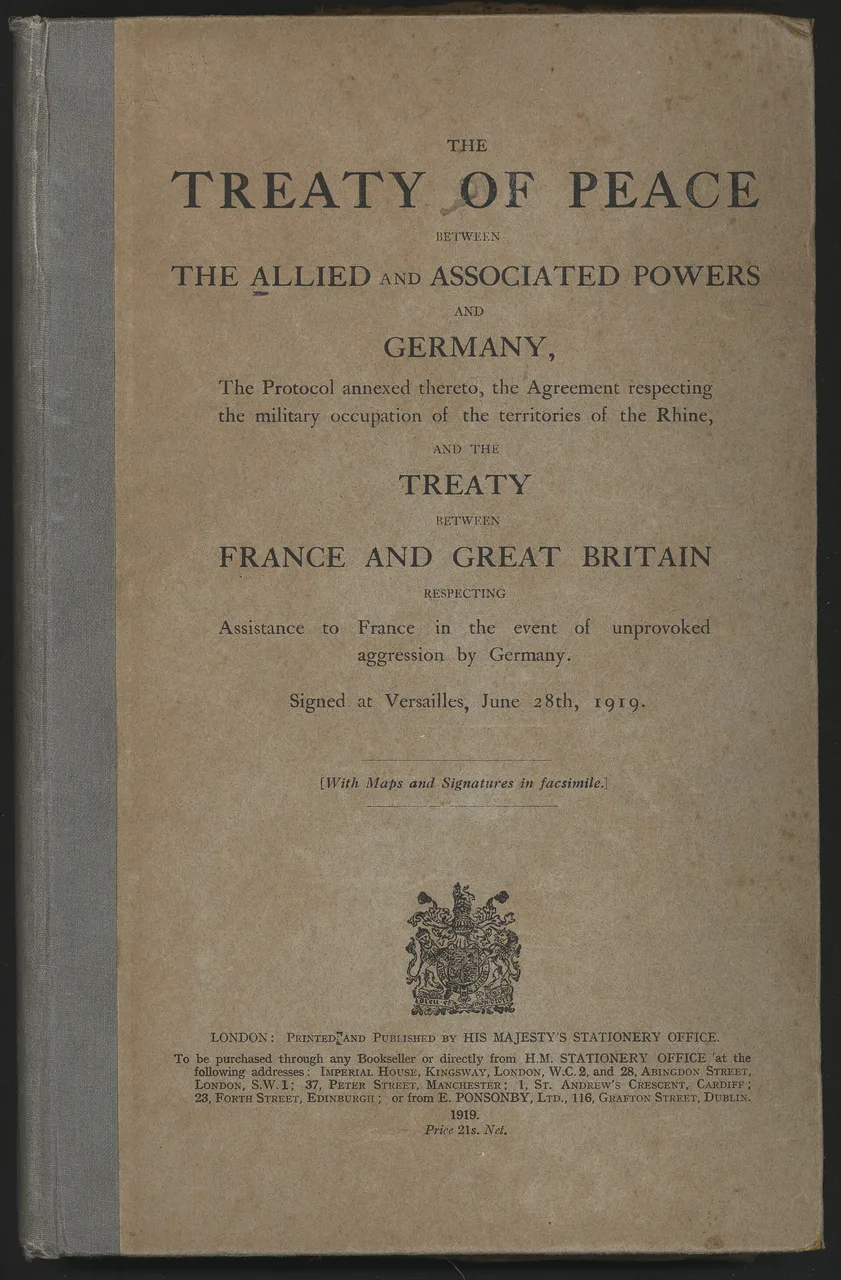
Het Verdrag van Versailles werd op 28 juni 1919 getekend in de spectaculaire Spiegelzaal. De locatie was zeer symbolisch, aangezien dit precies dezelfde zaal was waar het Duitse Keizerrijk in 1871 na de Frans-Duitse Oorlog was uitgeroepen. De ondertekening vond precies vijf jaar na de moord op aartshertog Franz Ferdinand plaats, de gebeurtenis die het wereldwijde conflict ontketende. Foto: David Lloyd George, Woodrow Wilson en Georges Clemenceau, Wikimedia Commons, Publiek domein.


Plak de code in je pagina. De speler past zich vanzelf aan en elke stem telt mee in Votur.
Op WordPress, Ghost of Squarespace? Plak gewoon de link van deze pagina in je bericht.
Zo ziet het eruit
Ook leuk